
Eliminate Smoke Smell: Expert Tips Inside!
How to Get Rid of Smoke Smell in Your House: Expert Tips & Solutions
Smoke odor is one of the most persistent and stubborn household smells you’ll encounter. Whether it’s from cigarettes, a fireplace, cooking mishaps, or nearby wildfires, that acrid stench seems to penetrate every fabric, wall, and corner of your home. The challenge isn’t just unpleasant—it can affect your family’s health, decrease property value, and linger for months if not addressed properly.
The good news? You don’t need expensive professional services to eliminate smoke smell. With the right combination of cleaning techniques, air purification, and preventative measures, you can restore your home to a fresh, smoke-free environment. This comprehensive guide walks you through proven methods that actually work, from immediate quick fixes to long-term solutions that tackle the problem at its source.

Understanding Why Smoke Smell Lingers
Before tackling solutions, it’s helpful to understand the science behind smoke odor. Smoke particles are incredibly tiny—far smaller than dust—and they settle on every surface in your home. These particles contain tar, nicotine, and other chemical compounds that bond to walls, ceilings, furniture, curtains, and even your HVAC system. Unlike typical cooking smells that dissipate quickly, smoke odor chemically adheres to materials, making it remarkably difficult to eliminate.
The smell doesn’t just sit on surfaces; it gets absorbed into porous materials like drywall, carpeting, upholstery, and wood. This is why simply opening windows rarely solves the problem. You need a multi-pronged approach that addresses the smoke particles physically, chemically, and through air circulation. Understanding this helps you appreciate why comprehensive cleaning is necessary rather than just masking the smell with air fresheners.
Smoke odor also travels through your home’s HVAC system, settling in ductwork and filters. This means the smell can continue circulating even after you’ve cleaned visible surfaces. If you’re renting or recently moved into a home with smoke damage, this becomes especially important to address.
Immediate Actions to Take
When you first notice smoke smell, act quickly. The longer smoke particles sit, the more they bond to surfaces. Start with these immediate steps:
- Open all windows and doors to create cross-ventilation. This allows fresh air to circulate and helps carry smoke particles outside.
- Turn on exhaust fans in bathrooms and your kitchen to help push stale air out of the house.
- Create air movement using portable fans. Place them in windows pointing outward to help expel smoke-laden air.
- Remove the source if applicable. Stop smoking indoors, extinguish candles, or address whatever is causing the smoke.
- Increase temperature slightly to help smoke particles become airborne and easier to remove through ventilation.
While these steps won’t completely eliminate established smoke smell, they prevent it from getting worse and provide immediate relief. Keep windows open for several hours, or even overnight if weather permits. This is your first line of defense and should be done before moving to more intensive cleaning methods.
Deep Cleaning Your Home
Once you’ve improved air circulation, begin deep cleaning. This is where most of the work happens, but it’s absolutely essential for eliminating embedded smoke odor.
Walls and Ceilings
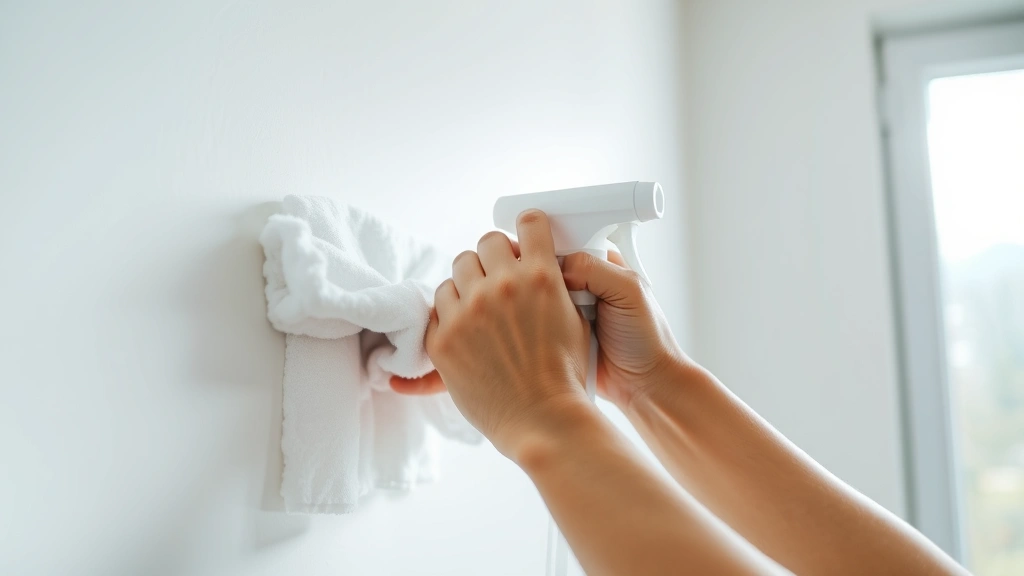
Painted walls are major smoke odor culprits. Start by wiping down all surfaces with a mixture of equal parts white vinegar and water. Use clean cloths and work systematically through each room. The vinegar neutralizes odor-causing compounds rather than just masking them. For stubborn stains or heavily smoked areas, use a solution of TSP (trisodium phosphate), which is available at hardware stores. Follow the product instructions carefully, as TSP is caustic and requires gloves and ventilation.
After cleaning with TSP or vinegar, consider repainting with a primer designed to block odors. Kilz and Zinsser make primers specifically formulated to prevent odor bleed-through. This creates a barrier that prevents smoke smell from re-emerging from the drywall underneath.
Flooring
Hardwood and tile floors need thorough cleaning. For hardwood, use a wood floor cleaner designed for your floor type, then follow with a vinegar solution on a barely damp mop. For tile and grout, use a grout brush with a solution of baking soda and water, then follow with your regular tile cleaner. Carpeting presents a bigger challenge—see the section below on treating fabrics for detailed guidance.
Windows and Glass
Windows trap smoke residue and can be a significant odor source. Clean both interior and exterior panes with a solution of vinegar and water or commercial glass cleaner. Don’t forget window sills and frames where smoke particles accumulate. Use an old toothbrush to clean the grooves in window tracks.
For related cleaning tips, check out our guide on how to clean a coffee maker, which covers similar deep-cleaning principles applicable to various household surfaces.
Air Purification Strategies
After cleaning surfaces, you need to purify the air itself. This prevents smoke particles from continuing to circulate and settling back onto clean surfaces.
HEPA Filters and Air Purifiers
Invest in a quality HEPA air purifier for your main living area. HEPA filters capture particles as small as 0.3 microns, which includes most smoke particles. Run the purifier continuously for at least a week, and longer for heavily smoked homes. Position it in the room where you spend the most time. For best results, use multiple purifiers if you have a large home or multiple stories.
HVAC System Maintenance
Your heating and air conditioning system circulates air throughout your entire home, so it needs attention. Replace your furnace filter with a high-quality pleated filter rated MERV 11 or higher. If your system hasn’t been serviced recently, hire an HVAC professional to clean the ductwork. Smoke particles accumulate in ducts and continue to be distributed every time your system runs. Professional duct cleaning removes this accumulated debris and odor source.
Activated Charcoal
Activated charcoal is a natural odor absorber that works well for smoke smell. Place bowls of activated charcoal in various rooms, particularly in closets, bathrooms, and bedrooms. Change the charcoal every 2-3 weeks. You can also hang activated charcoal bags in your car if smoke smell has penetrated there.
Treating Fabrics and Soft Furnishings
Smoke smell clings tenaciously to fabrics, making this one of the most challenging aspects of odor elimination. Curtains, upholstered furniture, and bedding all need treatment.
Washing and Airing
Wash all washable fabrics—curtains, bedding, throws, and clothing—using hot water (if fabric allows) with regular detergent plus one cup of white vinegar. The vinegar helps neutralize smoke odor. Dry items in sunlight when possible, as UV rays help break down odor-causing compounds. For items that can’t be washed, hang them outside in direct sunlight for several days.
Upholstered Furniture
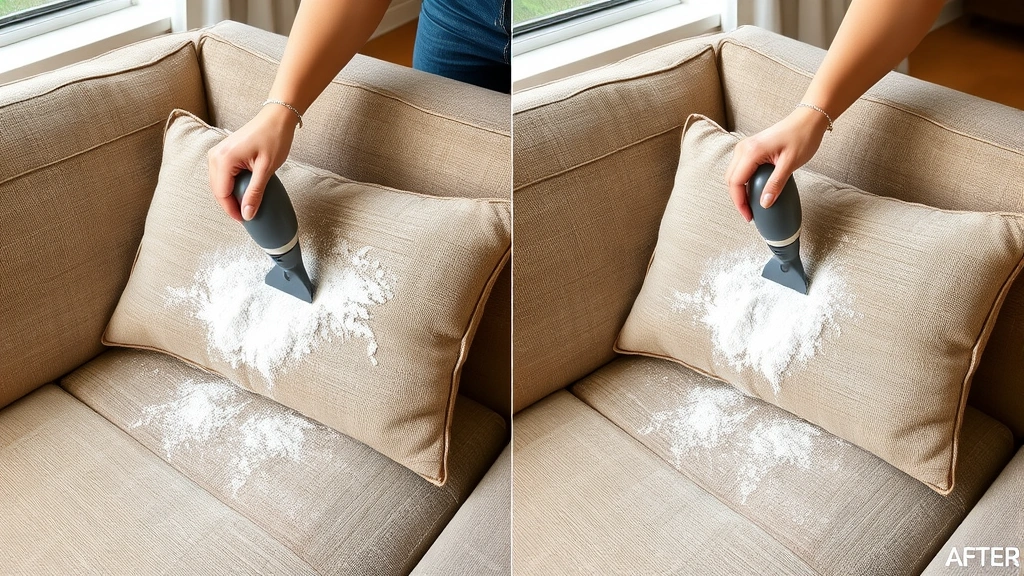
For couches, chairs, and other upholstered pieces, sprinkle baking soda liberally over all surfaces and let sit for 24-48 hours. Vacuum thoroughly with a HEPA-filter vacuum. For stronger odor, mix baking soda with a few drops of essential oil (like lemon or lavender) before sprinkling. Alternatively, use a fabric refresher spray designed for odor elimination, following product instructions. For severe cases, professional upholstery cleaning may be necessary.
Mattresses
Mattresses are particularly problematic since they absorb smoke odor over time. Strip all bedding and wash as described above. Sprinkle baking soda over the entire mattress surface and let sit for 24 hours, then vacuum thoroughly. Flip and repeat on the other side. Leave the mattress in sunlight for a few hours if weather permits. Consider using a mattress protector to prevent future odor absorption.
Odor-Absorbing Materials
Strategic placement of natural odor absorbers throughout your home accelerates the odor elimination process.
- Baking soda: Place open boxes in closets, under sinks, and in other enclosed spaces. Replace monthly.
- White vinegar: Leave bowls of vinegar in rooms overnight. The smell will dissipate as the vinegar dries.
- Coffee grounds: Fresh, unused coffee grounds absorb odor naturally. Place in small bowls or tie in cheesecloth.
- Crumpled newspaper: Surprisingly effective, newspaper absorbs odors. Place in closets and enclosed areas.
- Lemon and baking soda: Mix equal parts and leave in small bowls. Replace weekly.
- Zeolite: This mineral is specifically designed for odor absorption. It’s available at pet stores and online retailers.
These materials work best in enclosed spaces like closets, cabinets, and drawers. For open rooms, air purifiers are more effective. Combine multiple methods for best results.
Ventilation and Prevention
Long-term success requires establishing proper ventilation and prevention strategies to ensure smoke smell doesn’t return.
Improving Home Ventilation
Proper ventilation is fundamental to maintaining a smoke-free home. Ensure your bathroom and kitchen exhaust fans are functioning correctly and venting outside, not into your attic. If you have a basement, consider installing a dedicated ventilation system to prevent moisture and odors from accumulating. Open windows daily for at least 15-20 minutes to allow fresh air circulation, even in winter. In warmer months, maintain consistent air flow to prevent stale air from accumulating.
Sealing Air Leaks
Smoke smell can enter your home from outside if you live near smokers or in areas affected by wildfires. Seal air leaks around doors and windows using weatherstripping or caulk. This prevents external smoke from infiltrating your living space. Check your front door, back door, basement windows, and any other openings.
Preventing Future Smoke Smell
The most effective strategy is prevention. If you smoke, do so outside only. If you have a fireplace, ensure it’s properly maintained and the damper seals completely when not in use. If you’re dealing with smoke from nearby sources, keep windows closed on smoky days and use air purifiers more frequently. Consider installing a whole-house ventilation system if you live in an area prone to wildfire smoke.
For those living in rentals or recently purchased homes with smoke damage, understand that addressing this issue thoroughly protects your investment and health. Similar to how you’d handle how to get rid of possums or how to get rid of mice in walls, eliminating smoke smell requires identifying the source, taking immediate action, and implementing long-term prevention strategies.
Timeline for Results
Be realistic about expectations. Light smoke smell may improve in 1-2 weeks with consistent effort. Moderate smoke odor typically requires 3-4 weeks of treatment. Heavy smoke damage can take 2-3 months or longer to fully eliminate. Patience and consistency are essential. Don’t give up if you don’t see immediate results—each cleaning method compounds the effects of previous efforts.
FAQ
How long does it take to get rid of smoke smell?
The timeline depends on severity. Light smoke smell may resolve in 1-2 weeks, while heavy smoke damage can take 2-3 months. Consistent application of multiple methods accelerates results. The key is persistence—smoke odor won’t disappear overnight, but systematic treatment will eliminate it.
Can I just use air fresheners to cover smoke smell?
Air fresheners only mask the problem temporarily. Smoke particles remain embedded in surfaces and continue releasing odor. You must physically remove particles and neutralize chemical compounds. Air fresheners can be used alongside cleaning methods but shouldn’t be your primary strategy.
Is professional smoke removal necessary?
Professional services aren’t always necessary for residential smoke smell. Most homeowners can achieve excellent results using the methods outlined here. Professional services become worthwhile for severe cases or if you lack time for extensive cleaning. Professional companies use ozone treatments and thermal fogging, which can be effective but aren’t essential for most situations.
Will replacing HVAC filters help with smoke smell?
Yes, replacing filters is important but not sufficient alone. Standard furnace filters only capture larger particles. Upgrade to MERV 11 or higher rated filters and have ductwork professionally cleaned for maximum benefit. This prevents smoke particles from circulating but doesn’t eliminate odor already embedded in surfaces.
Can I get rid of smoke smell without replacing carpet?
Yes, thorough cleaning and odor treatment can significantly reduce carpet odor without replacement. Use baking soda, enzymatic cleaners, and professional carpet cleaning. However, heavily smoked carpet may need replacement if odor persists after these efforts. Test inconspicuous areas first.
What’s the best natural solution for smoke smell?
White vinegar and baking soda are the most effective natural solutions. Vinegar neutralizes odor-causing compounds, while baking soda absorbs smells. Combine these with activated charcoal, sunlight exposure, and proper ventilation for a comprehensive natural approach.
Does painting over smoke smell work?
Regular paint won’t solve the problem—smoke particles remain in drywall beneath the paint. Use odor-blocking primer specifically designed to prevent odor bleed-through, then paint as normal. This creates a barrier that prevents smoke smell from re-emerging.

Related Posts

Superscript in Google Docs: Expert Tips

Strikethrough in Excel: Easy Steps for Beginners
