
How to Get Rid of Gnats: Expert Tips
How to Get Rid of Gnats: Expert Tips for a Pest-Free Home
There’s nothing quite like the annoyance of tiny gnats buzzing around your kitchen or hovering over your houseplants. These microscopic pests seem to appear out of nowhere, multiply at alarming rates, and refuse to leave without a fight. If you’ve been swatting at the air and wondering why your home suddenly feels like a gnat convention, you’re not alone. The good news? Getting rid of gnats is entirely possible with the right strategy and a bit of persistence.
Gnats are more than just irritating—they can contaminate food, spread bacteria, and create an uncomfortable living environment. Whether you’re dealing with fruit flies, fungus gnats, or drain flies, understanding what attracts them and how to eliminate them is essential. This comprehensive guide will walk you through proven methods to reclaim your space and keep these unwelcome visitors from returning.
The key to successful gnat elimination isn’t just about killing the ones you see today; it’s about breaking their reproductive cycle and removing the conditions that allow them to thrive. Let’s dive into the expert strategies that actually work.
Identifying Your Gnat Problem
Before you can effectively tackle a gnat infestation, you need to know exactly what you’re dealing with. Not all tiny flying insects are the same, and different types of gnats require slightly different approaches. The most common culprits invading homes are fruit flies, fungus gnats, and drain flies—each with their own preferences and breeding habits.
Fruit flies are attracted to fermenting foods and organic matter. They’re small, tan or brown in color, and seem to materialize the moment you leave fruit on the counter. Fungus gnats, on the other hand, prefer moist soil and are often found hovering around houseplants and indoor gardens. Drain flies live in the organic buildup inside pipes and drains, making them particularly stubborn to eliminate.
The easiest way to identify which type you’re facing is to observe where you’re seeing them most frequently. Are they congregating near your fruit bowl? Around your potted plants? Or emerging from your bathroom sink? This simple observation will guide your treatment strategy and help you understand the root cause of the invasion.
Finding and Eliminating Sources
Here’s the truth that many people overlook: you can spray and trap gnats all day long, but if you don’t eliminate their source, they’ll keep coming back. Gnats don’t just appear randomly; they’re attracted to specific environments and food sources. Finding these sources is your first line of defense.
Common gnat breeding grounds include:
- Overripe or fermenting fruit left on counters or in fruit bowls
- Vegetable scraps in compost bins or trash cans
- Moist potting soil in houseplants and planters
- Drain pipes with organic buildup and moisture
- Beer, wine, or sugary beverages left uncovered
- Pet food bowls that sit out overnight
- Damp mops, sponges, or cleaning cloths
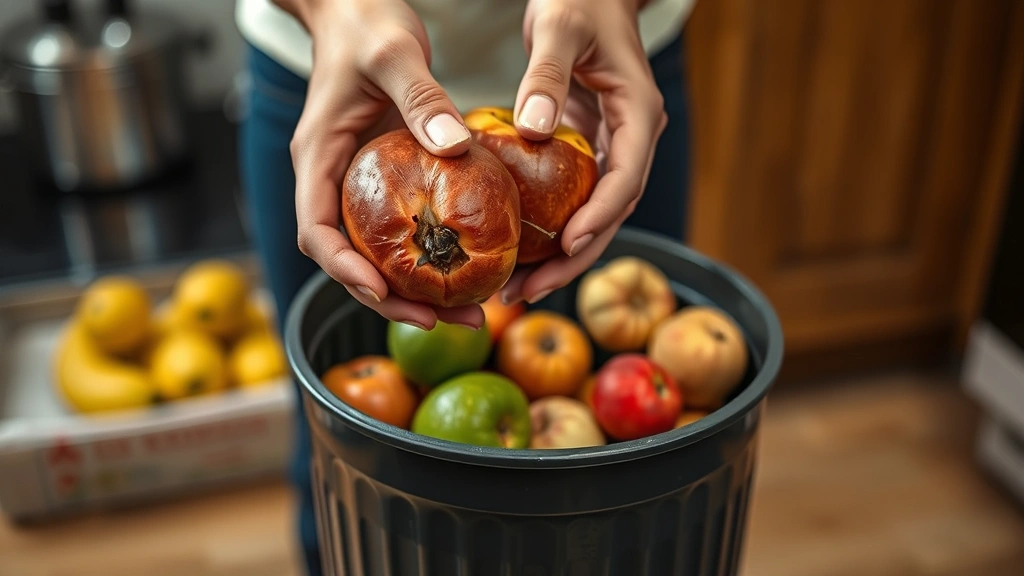
Start by doing a thorough inspection of your kitchen and any areas where you’ve noticed gnat activity. Remove all overripe fruit immediately—don’t just move it to another room. Throw it away or freeze it until trash day. Clean your garbage disposal thoroughly, and consider taking out the trash more frequently during an active infestation.
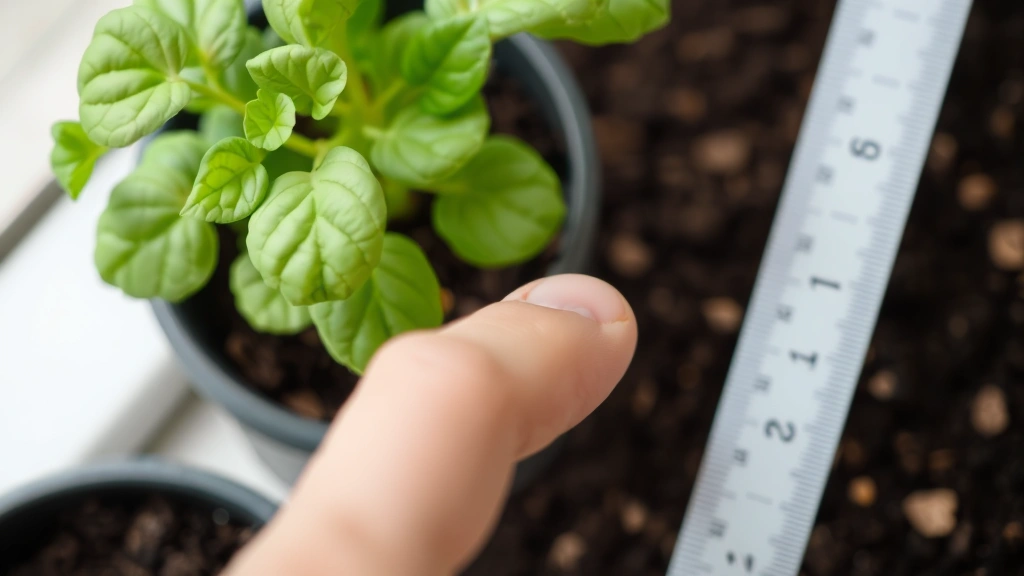
For those dealing with gnats in your house, especially around plants, check the soil moisture levels. Fungus gnats thrive in consistently wet conditions, so allowing the top inch of soil to dry out between waterings can significantly reduce their population. This simple adjustment might seem minor, but it’s often the difference between a temporary problem and a persistent infestation.
Immediate Solutions That Work
While eliminating sources is crucial for long-term control, you’ll want immediate relief from the gnats currently flying around your home. Several proven trapping and killing methods can provide fast results.
Apple Cider Vinegar Trap (The Classic)
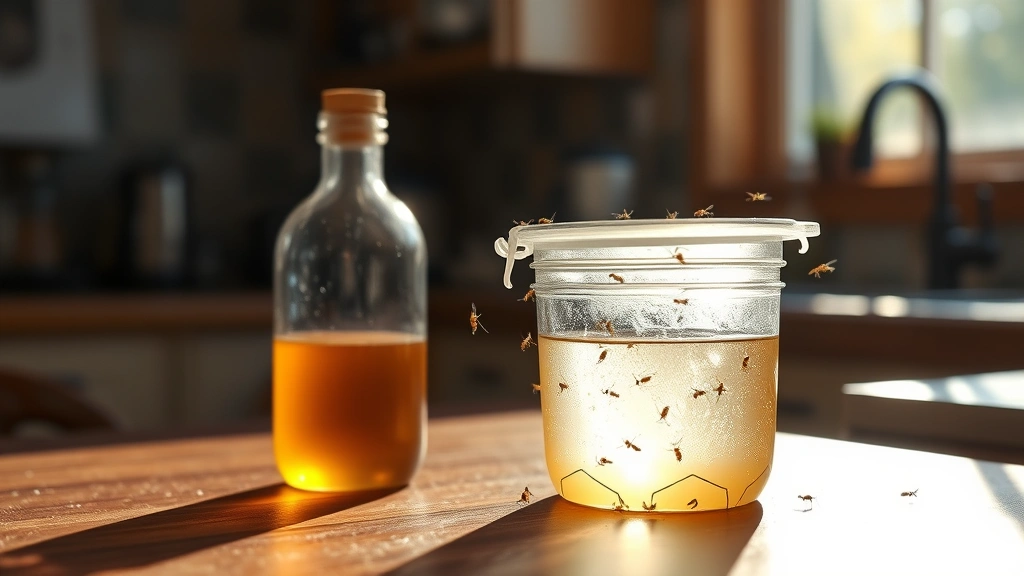
This is perhaps the most effective DIY trap, and it requires minimal supplies. Fill a small bowl or cup with apple cider vinegar, add a drop of dish soap (which breaks the surface tension), and place it near areas where you’ve seen gnats. The gnats are attracted to the fermented smell, land on the liquid, and the soap causes them to sink and drown. Replace the trap every few days or when it becomes full. This method is particularly effective for fruit flies and can be set up in minutes.
To increase effectiveness, you can also try mixing equal parts apple cider vinegar and water with a tablespoon of sugar. Some people find this variation even more attractive to gnats than straight vinegar.
Drain Treatment
If you suspect gnats are emerging from your drains, you’ll need to target that source directly. Pour boiling water down the drain, followed by a cup of baking soda and a cup of white vinegar. Let it sit for 15 minutes, then flush with more hot water. This breaks down the organic matter where drain flies breed. For stubborn cases, you may need to repeat this process several times over a week. Some people also use a drain brush or plumbing snake to physically remove buildup.
Sticky Traps
Yellow sticky traps are inexpensive and effective for monitoring and controlling gnat populations. These traps use a non-toxic adhesive to capture flying insects. Place them near plants, in corners, or wherever you’ve noticed gnat activity. They won’t eliminate an entire infestation on their own, but they’re excellent for catching stragglers and monitoring whether your other methods are working.
When using sticky traps, check them daily and replace them when they become covered with insects. The visual confirmation of trapped gnats can also be motivating as you work through the elimination process.
Long-Term Prevention Strategies
Once you’ve eliminated your current gnat problem, maintaining a gnat-free environment requires consistent habits and awareness. Prevention is significantly easier than dealing with a full-blown infestation, and these strategies will save you frustration down the road.
Kitchen Cleanliness
Keep your kitchen scrupulously clean, especially around areas where food is prepared or stored. Wipe down counters daily, don’t leave dishes in the sink overnight, and store ripe fruit in the refrigerator rather than on the counter. Empty your trash regularly, and consider using a trash can with a tight-fitting lid. These simple habits eliminate the very conditions gnats need to establish themselves.
Drain Maintenance
Once a week, pour boiling water down all your drains to keep them clean and inhospitable to drain flies. This preventive measure takes just a few minutes but can save you weeks of dealing with drain fly problems. If you have a garbage disposal, run it regularly with hot water to prevent organic buildup.
Plant Care Adjustments
For those who love houseplants, adjusting your watering schedule is critical. Allow the top inch of soil to dry out between waterings, and ensure your pots have drainage holes to prevent standing water. When watering, water directly at the soil level rather than misting the leaves, which can create the moist environment that fungus gnats love. If you’re dealing with fungus gnats, these adjustments are particularly important.
Storage Solutions
Invest in airtight containers for pantry items, especially grains, flour, and other dry goods that can attract gnats. Keep your compost bin sealed and empty it regularly. If you brew beverages like kombucha or keep wine or beer at home, store them in sealed containers and don’t leave glasses or bottles uncovered.
Natural and Chemical Methods
While traps and source elimination are your primary tools, sometimes you need additional firepower. There are both natural and chemical options available, depending on your preferences and the severity of your infestation.
Natural Options
Diatomaceous earth (food-grade only) is a natural powder that’s lethal to insects but safe for humans and pets. Sprinkle a thin layer on the top of potting soil to kill fungus gnats and prevent new ones from laying eggs. The powder damages the insects’ exoskeletons, causing dehydration. You’ll need to reapply after watering since moisture reduces its effectiveness.
Essential oils like peppermint, lavender, and eucalyptus have some repellent properties. While they won’t eliminate an infestation on their own, using a diffuser with these oils in affected areas may help deter gnats. Some people also find success spraying a diluted mixture of essential oil and water around problem areas, though results are inconsistent.
Neem oil, derived from the neem tree, is another natural option that disrupts the gnat lifecycle. It can be applied to soil and plants according to package directions. It’s less harsh than synthetic pesticides but still effective for many people.
Chemical Options
For severe infestations, methods to kill gnats include commercial insecticides specifically formulated for gnats and flies. Look for products containing pyrethrin (a natural insecticide derived from chrysanthemum flowers) or permethrin. These are typically available as sprays or aerosols.
Follow all package directions carefully when using chemical treatments. Ensure adequate ventilation, keep children and pets away from treated areas, and never mix different pesticides. For indoor use, consider calling a professional pest control service if the infestation is severe or if you’re uncomfortable using chemical treatments yourself.
Professional Help
If you’ve tried multiple methods and the gnat problem persists, it’s time to call in professionals. A pest control expert can identify the exact type of gnat you’re dealing with and apply targeted treatments. They have access to more powerful solutions than what’s available over-the-counter and can identify hidden sources you might have missed.
Frequently Asked Questions
How long does it take to get rid of gnats?
With consistent effort and proper source elimination, you can see significant improvement within 3-7 days. However, completely eradicating gnats typically takes 2-3 weeks because you need to break their entire reproductive cycle. Gnats have a short lifespan (about 8-10 days), so you need to ensure no new generations are being born while you eliminate existing populations.
Why do gnats keep coming back?
Gnats return because their source hasn’t been fully eliminated. If you’re still leaving fruit on the counter, have consistently moist plant soil, or haven’t thoroughly cleaned your drains, gnats will continue to breed. The key is addressing the underlying cause, not just treating the symptoms.
Can gnats harm my health?
While gnats aren’t typically dangerous, they can contaminate food and potentially spread bacteria. They’re primarily a nuisance pest. However, if you have respiratory issues like asthma, a large gnat population could potentially trigger symptoms.
Are store-bought gnat repellents effective?
Some commercial repellents work reasonably well, but they’re most effective when combined with source elimination and trapping methods. No repellent will solve the problem on its own if the underlying conditions that attract gnats remain unchanged.
Should I throw away my houseplants?
Absolutely not. Instead, adjust your watering practices and treat the soil. Repot the plant in fresh, dry soil if the infestation is severe, or simply allow the top inch of soil to dry out between waterings. This alone often resolves fungus gnat problems within a couple of weeks.
What’s the best way to prevent gnats in the future?
Consistent kitchen cleanliness, proper plant watering practices, regular drain maintenance, and proper food storage are your best defenses. These preventive measures require minimal effort but save you from dealing with infestations repeatedly.
Additional Resources: For more detailed information on pest identification and removal techniques, visit This Old House’s pest control guides, Family Handyman’s gnat removal article, or Home Depot’s pest control section for product recommendations and professional advice.
Getting rid of gnats doesn’t require expensive treatments or professional intervention in most cases. By understanding what attracts them, eliminating their sources, and using proven trapping methods, you can reclaim your home and enjoy a pest-free environment. Stay consistent with your prevention strategies, and you’ll likely never deal with a gnat invasion again.

Related Posts

How Long to Boil Lobster Tails: Cooking Guide

How Long to Fly from New York to London? Travel Times
