
How to Find Property Ownership: A Simple Guide
How to Find Property Ownership: A Simple Guide
Whether you’re considering purchasing a home, settling a boundary dispute, or simply curious about your neighborhood, knowing how to find who owns a property is an invaluable skill. Property ownership information is public record in most jurisdictions, but navigating the system can feel like solving a puzzle without the picture on the box. The good news? It’s far more straightforward than you might think, and we’re here to walk you through every method available.
Finding property ownership doesn’t require hiring an expensive investigator or navigating confusing legal channels. Modern technology has made this process accessible to anyone with internet access and a bit of patience. From county assessor databases to online title search services, multiple avenues exist for uncovering who owns that house down the street or the commercial building you’re eyeing for investment.
This comprehensive guide will equip you with practical, step-by-step methods to identify property owners using both digital and traditional resources. We’ll explore the most reliable approaches, explain where property records live, and show you how to interpret what you find.
Understanding Public Property Records
Property ownership records are maintained by local government agencies and are considered public information in virtually all U.S. states. This means anyone can access them without special permission or a valid reason. The philosophy behind public property records stems from the idea that transparent ownership prevents fraud and supports fair commerce.
When someone purchases property, that transaction gets recorded with the county or local jurisdiction where the property is located. These recordings create a chain of title—essentially a historical document showing every owner and transfer of that property. Understanding this foundational concept helps you navigate the various systems designed to make this information accessible.
Different states and counties organize their records differently, which is why there’s no single universal method for finding ownership. Some jurisdictions have embraced digital databases accessible online, while others still maintain primarily paper records that require in-person visits. Knowing which system applies to your target property is the first strategic step.

County Assessor Databases: Your First Stop
The county assessor’s office maintains records on all properties within their jurisdiction for tax assessment purposes. These databases are goldmines of information and are increasingly available online. Start by identifying which county your property is located in, then visit that county’s official website.
Most county assessor websites offer searchable databases where you can enter an address or parcel number. Within seconds, you’ll typically find the property owner’s name, property value assessment, tax information, and sometimes even property maps. This method is free, fast, and often provides more information than you’d expect.
To use a county assessor database effectively, follow these steps:
- Navigate to your county’s official website and locate the assessor’s office page
- Look for a link to the property search or assessment database
- Enter the property address in the search field
- Review the results for owner information and property details
- Note the parcel number for future reference—this unique identifier streamlines future searches
If you’re searching for property ownership details in a county you’re unfamiliar with, start here. The assessor database provides a solid foundation of information before pursuing additional resources.
Online Title Search Services and Websites
Several reputable websites aggregate property records from multiple counties and states, making cross-jurisdictional searches convenient. These services compile publicly available data into searchable platforms accessible from your home computer.
Popular property search websites include Zillow, Trulia, and county-specific GIS (Geographic Information System) mapping tools. While some features require paid subscriptions, basic ownership information is often available free. These platforms typically provide owner names, property values, historical sale prices, and sometimes property photos.
When using these services, remember that data quality varies by location. Urban areas with robust digital infrastructure tend to have more comprehensive and current information than rural counties still transitioning to digital records. If your initial search yields incomplete results, this doesn’t mean the information doesn’t exist—it may simply require a different approach.
Once you’ve identified the property owner, you may need to contact them directly, which sometimes requires proper communication methods.
Visiting the County Recorder’s Office
For comprehensive property history and official documentation, nothing beats visiting your county recorder’s office in person. The recorder maintains the official deed records for all properties in the county—these are the actual legal documents transferring ownership between parties.
While increasingly digitized, many recorder’s offices still maintain extensive paper archives. A visit allows you to request specific documents, ask questions of knowledgeable staff, and sometimes access information not yet digitized online. Staff members are typically helpful and can guide you through their filing system.
Before visiting, call ahead to understand office hours and any fees for copies. Most jurisdictions charge nominal fees—typically $1-5 per page—for document copies. Bring the property address or parcel number to expedite your search. If visiting in person isn’t feasible, many recorder’s offices accept mail requests for document copies.
The recorder’s office provides official deeds, which include owner names, property descriptions, purchase dates, and sometimes purchase prices. These documents serve as the definitive record of ownership and are often required for legal purposes.
Using Tax Records and Assessor Maps
Property tax records offer another reliable ownership verification method. Tax assessors maintain detailed records of who owns each parcel because that’s who receives the tax bill. Most counties publish their tax assessment rolls online, searchable by address or owner name.
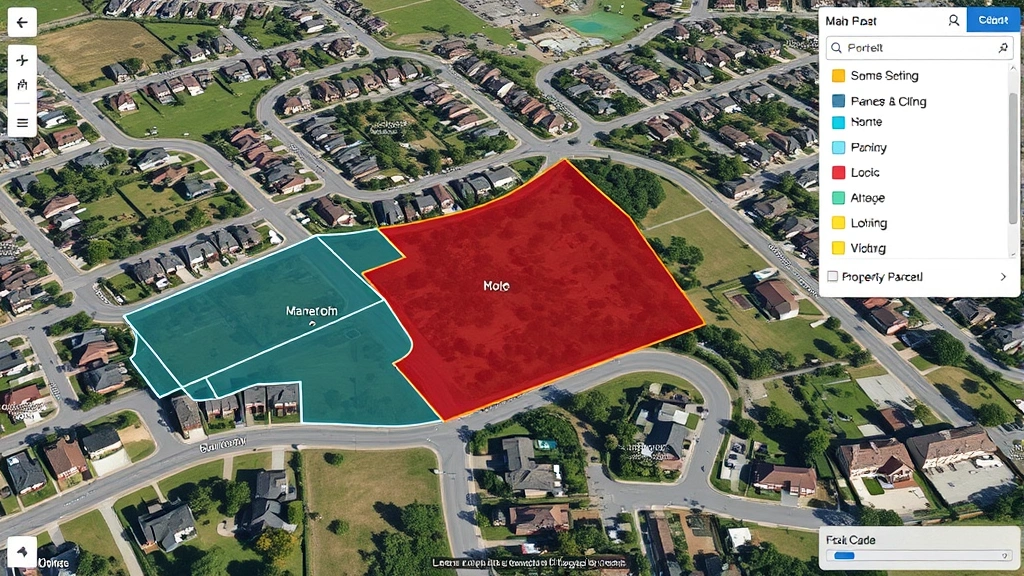
Tax records typically include the current owner’s name and mailing address, which proves especially useful if you need to contact the owner. Some jurisdictions also publish GIS maps showing parcel boundaries and ownership information overlaid on aerial photography. These visual representations help you understand property boundaries and identify neighboring properties.
To access tax records:
- Visit your county’s tax assessor or treasurer website
- Locate the searchable tax assessment database or GIS mapping tool
- Enter the property address or search by owner name
- Review the assessment record for ownership and property details
- Many systems allow you to view historical assessments, showing ownership changes over time
This method works particularly well when you know the owner’s name but want to verify current property status or find additional properties they own in the same county.
Third-Party Property Search Platforms
Companies like Zillow, Realtor.com, and county-specific real estate databases compile property information from public records. These platforms invest in data aggregation, making comprehensive searches more convenient than visiting multiple government websites individually.
Services like Zillow’s Zestimate provide property valuations, ownership history, and sometimes even property photos. Realtor.com offers similar features with an emphasis on real estate transaction history. These platforms are free for basic searches, though premium features sometimes require paid subscriptions.
The advantage of these platforms is their user-friendly interfaces and comprehensive data presentation. You’ll often find ownership information alongside comparable sales data, property taxes, and market trends. However, remember that these are third-party aggregators—if information appears incorrect, the authoritative source remains the county records.
Working with a Title Company
If you’re considering purchasing a property, title companies provide professional ownership verification as part of their title search services. These specialists conduct thorough searches of public records to verify clear ownership and identify any liens or encumbrances against the property.
Title searches go beyond simple ownership identification; they verify the seller’s legal right to transfer the property and identify any outstanding mortgages, tax liens, or judgment liens. This comprehensive approach protects buyers from unexpected complications after purchase.
While title searches cost money—typically $150-300 depending on property value and location—they provide professional assurance and often include title insurance. If you’re seriously considering a property purchase, involving a title company is a standard and prudent step.
Title companies also understand that sometimes you might want to relocate your property ownership to another jurisdiction, and they can guide you through those complex processes.
Contacting Real Estate Professionals
Real estate agents have access to multiple listing services (MLS) and professional databases that aggregate property information. While MLS data focuses on properties listed for sale, agents can often quickly identify current owners and provide contact information.
A brief conversation with a local real estate agent can sometimes yield ownership information faster than online searching. Agents work with this data daily and understand local property ownership patterns. They may also provide context about the property or owner that public records alone won’t reveal.
Real estate professionals can be particularly helpful if you’re researching a property for investment purposes or need to contact an owner about a potential transaction. However, remember that agents represent buyers or sellers, so be clear about your intentions and understand any potential conflicts of interest.
For those interested in property law and how ownership disputes get resolved, understanding how to become a judge provides insight into the legal system that ultimately protects property rights.
Frequently Asked Questions
Is property ownership information really public?
Yes, property ownership records are public information in all U.S. states. This transparency principle supports fair commerce and fraud prevention. Anyone can access this information without providing a reason or having special permission. However, some jurisdictions may have restrictions on certain sensitive properties or require in-person visits for some records.
What’s the fastest way to find property ownership?
For speed, start with your county assessor’s online database. Most searches return results within seconds. If that doesn’t work, try Zillow or county GIS mapping tools. These methods are free and fast, requiring only an internet connection and the property address.
Can I find property ownership if I only know the address?
Absolutely. The property address is the primary search method for most databases. Enter the address into a county assessor database, Zillow, or tax records search, and you’ll typically receive ownership information immediately. The address is often more reliable than other identifiers like parcel numbers, which vary by jurisdiction.
What if the property is owned by a corporation or LLC?
Corporate or LLC ownership appears in the property records exactly as registered. However, identifying the actual individuals behind the corporation may require additional research. You might need to contact the corporation directly or research business registration records to identify beneficial owners.
How current is property ownership information?
Currency varies by jurisdiction and source. County assessor databases are typically updated annually or semi-annually. Online third-party sites may lag behind official records by weeks or months. For the most current information, contact the county recorder’s office directly or visit in person.
Are there situations where property ownership isn’t public?
In rare cases involving government properties, military installations, or certain sensitive locations, ownership information may be restricted. Additionally, some jurisdictions allow privacy protections for certain individuals. Generally, however, residential and commercial property ownership is fully public information.
What should I do if I can’t find ownership information online?
If online searches fail, contact your county recorder’s office directly. Staff can assist with manual searches and explain why information might not be digitized. Some rural or smaller counties maintain primarily paper records, requiring in-person visits or mail requests for document copies.
Can I use property ownership information to contact the owner?
Yes, property records often include owner contact information. However, use this information respectfully and legally. If you’re contacting about a potential property purchase, consider involving a real estate agent. For other purposes, ensure your contact method complies with applicable laws.

Related Posts

How Long to Boil Lobster Tails: Cooking Guide

How Long to Fly from New York to London? Travel Times
