
Find Your Period: DIY Tracking Tips and Tools
Find Your Period: DIY Tracking Tips and Tools
Understanding your menstrual cycle is one of the most empowering health decisions you can make. Whether you’re trying to conceive, manage symptoms, or simply understand your body better, learning how to find your period and track it effectively puts control directly in your hands. This comprehensive guide walks you through practical DIY methods, digital tools, and proven techniques to help you monitor your cycle with confidence and accuracy.
Many people struggle with irregular cycles or forget when their period started, making it difficult to predict when the next one arrives. The good news is that tracking doesn’t require expensive apps or medical visits—you can start today with simple observation methods and affordable tools. By establishing a consistent tracking routine, you’ll gain valuable insights into your body’s patterns, identify potential health concerns, and make informed decisions about your reproductive health.
Understanding Your Menstrual Cycle Basics
Before you can effectively track your period, you need to understand what you’re actually tracking. A typical menstrual cycle lasts between 21 and 35 days, though individual variations are completely normal. The cycle has four main phases: menstruation (the bleeding phase), the follicular phase, ovulation, and the luteal phase. Each phase brings different hormonal changes and physical symptoms that you can observe and record.
The menstrual phase is when your uterine lining sheds, typically lasting three to seven days. This is the easiest phase to identify because it’s the most visible—it’s when bleeding occurs. The follicular phase overlaps with menstruation and continues until ovulation, characterized by rising estrogen levels and increasing energy. Ovulation occurs around day 14 of a 28-day cycle when an egg is released, and the luteal phase follows, lasting roughly 14 days until your next period begins.
Understanding these phases helps you recognize patterns in your body. You might notice that your energy levels, mood, skin condition, and appetite fluctuate throughout your cycle. These aren’t random occurrences—they’re connected to hormonal shifts. By tracking these patterns alongside your bleeding dates, you create a comprehensive picture of your unique cycle, similar to how you’d document home improvement projects in a detailed project log.
Manual Calendar Tracking Methods
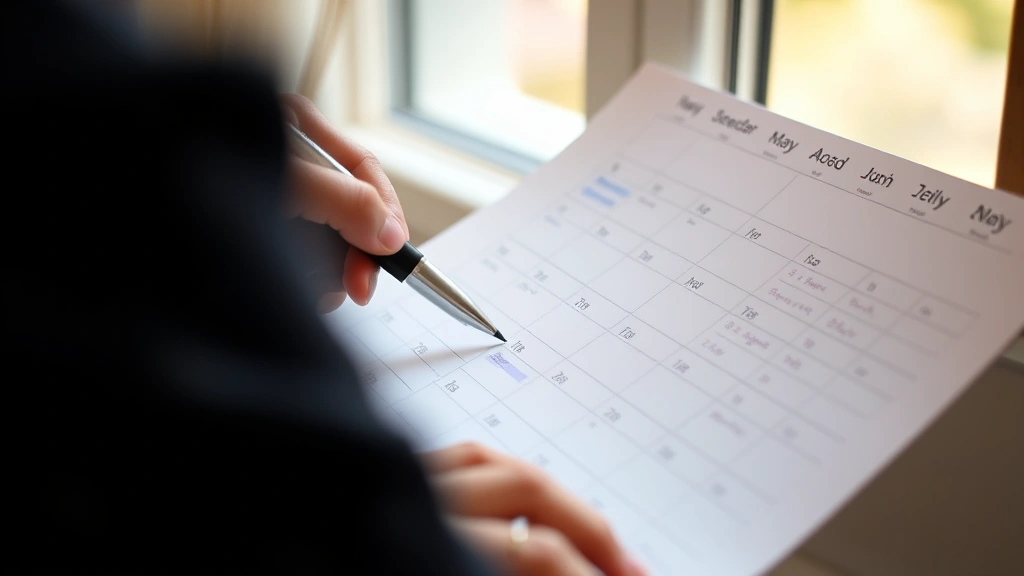
The simplest way to find and track your period is the old-fashioned calendar method. All you need is a regular calendar or notebook and a pen. On the first day of your period (when bleeding begins), mark that date clearly. Continue marking each day you bleed until the bleeding stops. This establishes your period’s duration and starting point.
Here’s how to implement this method effectively:
- Use consistent markers: Choose a specific color or symbol (red X, dot, or circle) to mark bleeding days consistently. This makes patterns immediately visible when you flip back through months.
- Record flow intensity: Note whether flow is light, medium, or heavy. Use abbreviations like L, M, H or simple color coding.
- Track cycle length: Count the days from the first day of one period to the first day of the next. Write this number at the end of each cycle.
- Note additional symptoms: Write brief notes about cramps, headaches, mood changes, or energy levels. These correlate with cycle phases and help predict future patterns.
- Look back for patterns: After three to six months of tracking, you’ll see your personal cycle pattern emerge. Most cycles follow similar lengths, though variations of a few days are normal.
This manual method works particularly well for people who prefer tangible records or have irregular cycles that benefit from detailed observation. It’s also completely free and requires no technology—just paper and pen. Many people find that the act of physically writing down information helps them remember patterns better than digital entry alone.
Digital Apps and Online Tools
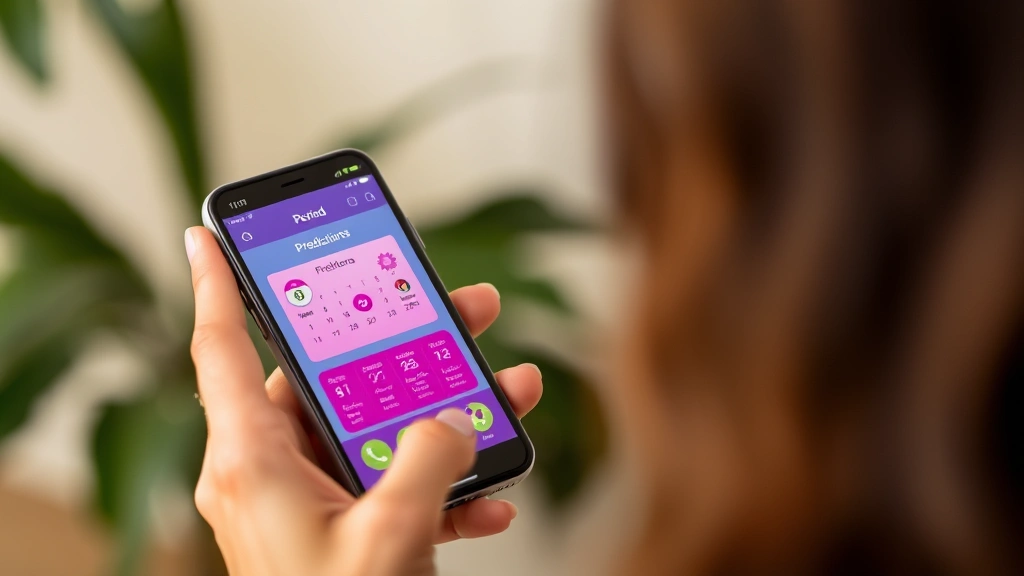
Modern technology offers numerous free and paid apps designed specifically for period tracking. These apps automate much of the work and provide predictions, symptom correlations, and insights you’d have to calculate manually. Popular options include Clue, Flo, Period Tracker, and Natural Cycles, each with slightly different features and interfaces.
When selecting a tracking app, consider these features:
- Privacy protection: Look for apps that don’t require extensive personal data or that encrypt your information. Read privacy policies carefully since menstrual data is highly sensitive.
- Prediction accuracy: Apps use your historical data to predict future periods. The longer you track, the more accurate these predictions become.
- Symptom logging: Quality apps allow you to record mood, energy, pain level, flow intensity, and other symptoms. This data helps identify your unique patterns.
- Export capabilities: Some apps let you download or share your data, which is valuable if you want to show your doctor or switch platforms.
- Offline functionality: Ensure the app works without constant internet connection, since you might want to log information anywhere.
- Fertility indicators: If you’re trying to conceive or avoid pregnancy, look for apps that calculate your fertile window based on your cycle data.
Many apps offer free versions with basic tracking and premium versions with advanced features. Start with a free option to see if you like the interface before paying for upgrades. You might also combine digital tracking with manual methods—logging in an app while keeping a paper backup, much like maintaining both measurement records and digital notes for important information.
Physical Indicators to Monitor
Beyond the obvious bleeding, your body displays numerous physical signs throughout your cycle that help you track where you are and predict what comes next. Learning to recognize these indicators makes you an expert in your own body and provides backup confirmation of your cycle phase.
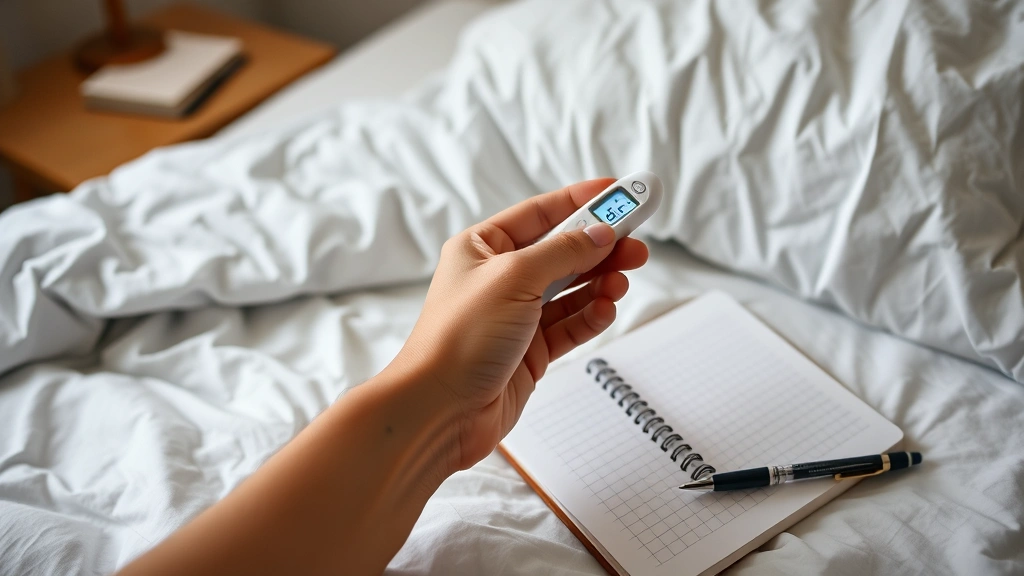
Basal body temperature (BBT): Your resting body temperature shifts slightly after ovulation, rising by 0.4 to 0.8 degrees Fahrenheit. By taking your temperature each morning before getting out of bed, you can pinpoint ovulation retrospectively and identify your cycle pattern over months.
Cervical position and texture: Your cervix changes position and texture throughout your cycle. Before ovulation, it’s higher, softer, and more open. After ovulation, it becomes lower, firmer, and more closed. Some people find this observation helpful, though it requires practice to interpret accurately.
Breast tenderness: Many people experience tender or swollen breasts during the luteal phase, particularly in the week before their period. Note when this begins and ends to correlate with your cycle phase.
Mood and energy changes: Hormonal fluctuations cause predictable mood patterns. Many people feel more energetic and social during the follicular phase and more introspective during the luteal phase. Tracking these patterns helps you plan activities accordingly.
Skin changes: Acne breakouts, oiliness, or other skin changes often follow predictable patterns tied to hormonal fluctuations. Recording these changes helps you identify your cycle phase without a calendar.
Appetite and cravings: Your appetite often increases during the luteal phase, and you might crave specific foods. Noting these changes helps you plan meals and understand your body’s needs throughout your cycle.
Using Body Temperature Tracking
Basal body temperature (BBT) tracking is one of the most reliable ways to confirm ovulation and understand your cycle pattern. Your body temperature rises slightly after ovulation due to increased progesterone, and maintaining a BBT chart shows this shift clearly over time.
To track BBT effectively, you’ll need:
- A reliable basal thermometer (digital thermometers designed for BBT are inexpensive and accurate)
- A notebook or BBT chart app to record daily temperatures
- Consistency in taking your temperature at the same time each morning
- Patience—it takes at least three months of tracking to see meaningful patterns
Your routine should be: Set your thermometer by your bed before sleep. Immediately upon waking (before getting up, eating, or drinking anything), place the thermometer under your tongue for the time specified by your thermometer model. Record the temperature on your chart. Do this every single day, including weekends.
When you chart multiple months of BBT data, you’ll notice a pattern: temperatures during your follicular phase are typically lower (around 97.0-97.5°F), and they rise by about 0.4-0.8°F after ovulation, staying elevated until your period starts. The shift from low to high temperatures indicates ovulation occurred, helping you identify your fertile window and understand your cycle length.
BBT tracking works best when combined with other methods. While BBT confirms ovulation has already occurred, it doesn’t predict it in advance. Pairing BBT tracking with cervical fluid observation (discussed below) gives you both predictive and confirmatory data, like cross-referencing measurements in a project, similar to how you’d verify your ring size through multiple methods.
Cervical Fluid Observation Techniques
Cervical fluid changes dramatically throughout your cycle, and learning to observe and interpret these changes is powerful for understanding your cycle phase. This method, often called the Billings Ovulation Method, has been studied extensively and provides valuable information about your fertility.
Cervical fluid progresses through predictable phases:
Dry phase: After your period ends, you might experience several days with little to no noticeable cervical fluid. This is the dry phase, typically spanning the early follicular phase.
Sticky phase: As estrogen rises, cervical fluid begins appearing as sticky, tacky, or pasty secretions. This signals increasing fertility, though pregnancy isn’t yet likely.
Creamy phase: Cervical fluid becomes more abundant and creamy, similar to lotion. This indicates you’re approaching ovulation and entering your fertile window.
Stretchy phase (egg white): Just before and during ovulation, cervical fluid becomes abundant, clear, and stretchy—resembling raw egg white. You can stretch it between your fingers without it breaking. This is your most fertile phase, indicating ovulation is imminent or occurring.
Return to sticky: After ovulation, cervical fluid quickly becomes sticky again or disappears entirely, indicating your fertile window has closed.
To observe cervical fluid, check it several times daily by wiping with toilet paper or inserting a clean finger into your vagina. Note the consistency and appearance. Many people check at different times of day since fluid changes throughout the day. After several months of observation, you’ll recognize your personal pattern and can predict ovulation based on fluid changes.
This method requires no equipment beyond observation and works well combined with other tracking methods. Some people find cervical fluid observation more intuitive than temperature tracking, while others prefer temperature’s objective numerical data. Using both methods provides comprehensive cycle understanding.
Creating Your Personal Tracking System
The best tracking system is one you’ll actually use consistently. Different approaches work for different people, so consider combining methods that fit your lifestyle and preferences.
The minimal tracker: If you’re just beginning, start simple. Mark your period start and end dates on a calendar. After three months, you’ll see your cycle length and can predict approximately when your next period arrives. This requires minimal time investment and builds confidence before adding complexity.
The comprehensive system: Combine a period tracking app with a physical notebook where you record additional observations—mood, energy, pain level, and any other symptoms. The app provides predictions and organization, while the notebook captures detailed information that helps you recognize your unique patterns.
The fertility-focused tracker: If you’re trying to conceive or avoid pregnancy, combine BBT tracking, cervical fluid observation, and an app that calculates your fertile window. This multi-method approach provides the most accurate fertility information.
The symptom tracker: Focus primarily on how you feel—mood, energy, cravings, and physical symptoms—rather than just bleeding dates. Over time, you’ll notice these symptoms follow predictable patterns tied to your cycle phase, helping you manage your life around your natural rhythms.
Regardless of your system, consistency matters most. Choose methods you’ll maintain for at least three months—this is the minimum time needed to identify your personal pattern. After three months, you can adjust your approach based on what you’ve learned about yourself.
Set reminders on your phone to log information daily. Many people find the best time is morning (for BBT and cervical fluid) or evening (for general symptom logging). Building the habit takes about two weeks, after which logging becomes automatic.
Troubleshooting Irregular Cycles
Not everyone has a predictable 28-day cycle. Cycles lasting 21-35 days are all normal, and many people experience significant variation. If your cycles are irregular, tracking becomes even more valuable because it helps identify your actual pattern rather than assuming a standard cycle.
Identifying true irregularity: Track for at least six months before concluding your cycles are truly irregular. Many cycles that seem random follow patterns when you have enough data. For example, you might have a 28-day cycle one month and a 32-day cycle the next, but this pattern might repeat consistently.
Common causes of irregularity: Stress, significant weight changes, intense exercise, hormonal contraceptives, and certain medical conditions cause cycle irregularity. Tracking helps you correlate these factors with cycle changes. If you notice your cycles become irregular after a major life change, that’s valuable information to discuss with your healthcare provider.
Apps for irregular cycles: If your cycles vary significantly, apps that use machine learning to predict your next period based on your specific pattern (rather than assuming standard cycle lengths) are particularly helpful. These apps improve in accuracy as they gather more of your data.
When to seek medical advice: If your cycle is extremely irregular (varying by more than 7-10 days regularly), if you skip periods, or if other symptoms concern you, consult your doctor. Your tracking data is invaluable for medical appointments—bring your records or export data from your app to discuss with your healthcare provider. This is similar to documenting problems in detailed records for professional consultation.
Irregular cycles aren’t inherently problematic, but they require more careful tracking to predict your period accurately. The good news is that tracking irregular cycles often reveals underlying patterns that regular cycles might obscure, giving you deeper understanding of your body.
FAQ
How long should I track before I can predict my period?
Most people can identify basic patterns after three months of tracking. However, predicting with high accuracy typically requires six months of data. The longer you track, the more accurate your predictions become, especially if your cycles vary slightly from month to month.
Can I track my period without a smartphone?
Absolutely. The calendar and notebook method works perfectly well and has been used for decades. Many people prefer physical records they can flip through and review. You can create a simple tracking chart in a notebook using the methods described in the manual tracking section.
What if my period is very light or I have spotting?
Light periods or spotting can be confusing to track. Decide in advance what counts as your period’s start—typically, the first day of any bleeding (even light spotting) is considered day one. Be consistent with this definition throughout your tracking. If spotting is very light, you might note it differently from your main flow to understand the distinction over time.
Is tracking my period private if I use an app?
Privacy varies by app. Always read the privacy policy before downloading. Look for apps that use encryption, don’t sell your data, and allow you to set a password. Some people prefer manual tracking specifically for privacy reasons. If privacy is a major concern, stick with physical records or choose apps with strong privacy commitments.
Can I track my period if I’m on hormonal contraceptives?
Yes, though the data will be different. Hormonal contraceptives suppress natural cycle patterns. If you’re on the pill, for example, your “period” is actually a withdrawal bleed that occurs during the placebo week. You can still track when this occurs and any symptoms you experience. This information is useful for understanding how your specific body responds to your contraceptive.
What symptoms should I record besides bleeding?
Record whatever feels relevant to you. Common symptoms include mood changes, energy levels, cramps, headaches, breast tenderness, appetite changes, cravings, skin condition, and sleep quality. After a few months, you’ll see which symptoms correlate most strongly with your cycle and can focus on those.
How accurate are period prediction apps?
Accuracy depends on the app and your data. Apps using machine learning improve over time as they learn your specific pattern. Most apps are accurate within a few days for regular cycles but less accurate for highly irregular cycles. No app is 100% accurate—biological variability means some months will surprise you regardless of tracking.

Related Posts

Superscript in Google Docs: Expert Tips

Strikethrough in Excel: Easy Steps for Beginners
