
How to Clean Jewelry: Expert Tips and Tricks
How to Clean Jewelry: Expert Tips and Tricks
Your jewelry tells a story. Whether it’s that vintage heirloom passed down through generations, the engagement ring you wear every day, or those delicate earrings you save for special occasions, each piece deserves proper care. Over time, dust, oils, and environmental grime accumulate on even the most cherished pieces, dulling their sparkle and compromising their beauty. The good news? You don’t need expensive professional cleaning services every time your jewelry needs a refresh. With the right knowledge and a few household items, you can restore your collection to its original brilliance right at home.
Cleaning jewelry might seem intimidating, especially when dealing with precious metals and gemstones. But here’s the truth: most jewelry responds beautifully to simple, gentle cleaning methods. The key is understanding what your specific pieces are made of and what they can safely handle. A technique that works wonders on gold might damage delicate pearls, and what’s perfect for diamonds could harm softer stones. This comprehensive guide walks you through everything you need to know to keep your jewelry looking radiant without risking damage.
Whether you’re dealing with tarnished silver, cloudy diamonds, or grimy gold chains, we’ve got practical solutions that actually work. Let’s explore the expert strategies that will have your jewelry collection gleaming again.
General Jewelry Cleaning Basics
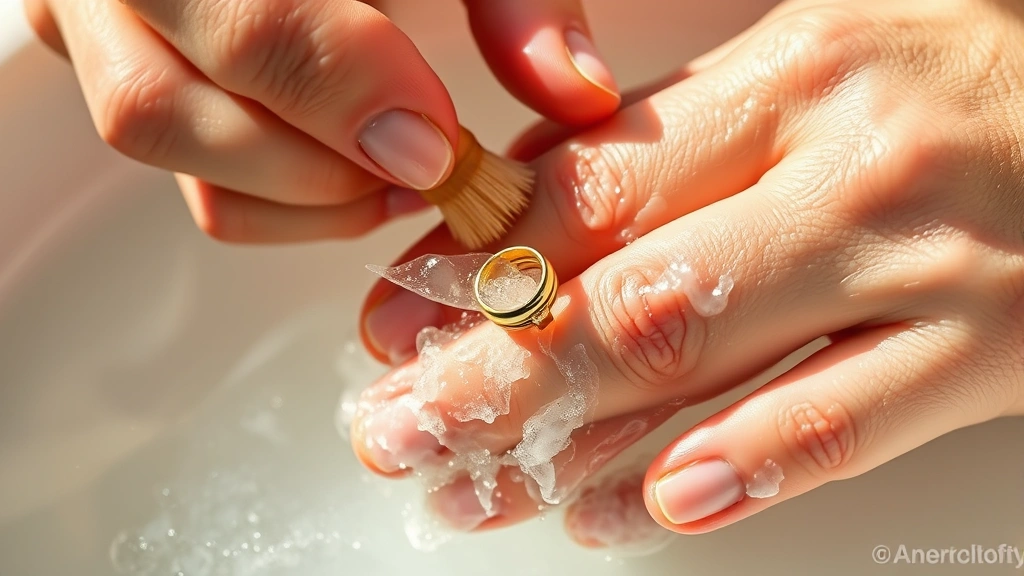
Before diving into metal and stone-specific techniques, let’s establish the foundational principles that apply to almost all jewelry. The most basic and safest cleaning method involves nothing more than warm water, mild dish soap, and a soft brush. This gentle approach works as a first-line defense for most pieces and should be your go-to method when you’re unsure about a particular item’s composition.
Start by filling a small bowl with lukewarm water—not hot, as extreme temperatures can damage certain gemstones and loosen settings. Add just a drop or two of mild dish soap, something without harsh chemicals or abrasive ingredients. Submerge your jewelry and let it soak for about 15 to 20 minutes. This soaking period allows the soap to break down accumulated oils and grime without requiring aggressive scrubbing. After soaking, use a soft-bristled toothbrush or specialized jewelry brush to gently clean crevices and hard-to-reach areas where dirt tends to accumulate. Pay special attention to the backs of stones and underneath settings where debris loves to hide.
The rinsing stage is just as important as the cleaning itself. Hold your jewelry under a stream of clean, running water and rinse thoroughly until all soap residue is gone. Any remaining soap can leave a film that dulls your pieces. Pat dry immediately with a soft, lint-free cloth—microfiber cloths work exceptionally well for this purpose. Never let jewelry air dry, as water spots can form and compromise the finish.
One critical safety rule: always remove your jewelry before cleaning anything else. Accidentally dropping a precious ring down a drain while cleaning is a heartbreak best avoided. Keep a designated jewelry cleaning station with all your supplies in one place, making the process more efficient and safer for your treasured items.
Cleaning Gold Jewelry
Gold’s timeless appeal makes it one of the most popular jewelry metals, but it does require specific care to maintain its luster. Whether you’re working with yellow gold, white gold, or rose gold, the fundamental cleaning approach remains similar, though white gold has a few unique considerations.
For routine cleaning of gold jewelry, the warm soapy water method described above works beautifully. Gold is a relatively soft metal, so avoid abrasive scrubbing or harsh chemicals. After your initial soak and gentle brush cleaning, you might notice that gold still looks a bit dull or has stubborn spots. In these cases, you can create a more potent solution by mixing warm water with a small amount of ammonia. Soak your gold pieces for about 10 minutes in this mixture, then proceed with your usual rinsing and drying routine. The ammonia helps break down stubborn buildup without harming the metal itself.
For white gold specifically, be aware that many white gold pieces have a rhodium plating that gives them their bright, silvery appearance. Over time, this plating can wear away, causing the gold underneath to show its natural yellowish tone. If you notice this happening, you’ll need professional replating rather than home cleaning. However, regular gentle cleaning can extend the life of this plating significantly.
Rose gold has become increasingly popular in recent years, and fortunately, it responds well to the same gentle cleaning methods as yellow and white gold. The warm soapy water approach is perfect for maintaining rose gold’s characteristic warmth and glow. Avoid using commercial silver polishes on rose gold, as these products are formulated specifically for silver and can leave residue or discoloration on rose-hued pieces.
Caring for Sterling Silver
Sterling silver presents a unique challenge because it’s prone to tarnishing—that dark, dull coating that develops when silver reacts with sulfur compounds in the air. While tarnish is frustrating, it’s actually just a surface layer and relatively easy to remove with the right approach. If you want to understand more about sterling silver care, you might find our guide on how to clean sterling silver particularly helpful for in-depth techniques.
The warm soapy water method works for lightly tarnished silver, but for more stubborn tarnish, you’ll want to try the baking soda method. Create a paste by mixing baking soda with a small amount of water until you reach a consistency similar to toothpaste. Apply this paste directly to tarnished areas and gently rub with a soft cloth or soft-bristled brush using circular motions. Rinse thoroughly under running water and dry immediately. This method is remarkably effective and uses only ingredients you likely have in your kitchen.
For severely tarnished pieces or intricate silver jewelry with lots of crevices, you can try the aluminum foil method. Line a bowl with aluminum foil, shiny side up, and place your silver jewelry on top. Add a tablespoon of baking soda and pour boiling water over the pieces. A chemical reaction occurs between the aluminum and the tarnish, transferring the tarnish from your silver to the foil. Let it sit for 5 to 10 minutes, then carefully remove and rinse your jewelry thoroughly. This method works remarkably well, though the smell can be quite strong—ensure good ventilation when using it.
Commercial silver polish can also be effective, but choose products specifically designed for sterling silver and follow package directions carefully. Always test on an inconspicuous area first, and avoid using silver polish on pieces with gemstones, as the chemicals can damage certain stones.
Prevention is key with sterling silver. Store pieces in airtight containers or use anti-tarnish bags designed for silver storage. These specialized bags contain materials that absorb the sulfur compounds responsible for tarnishing, significantly slowing the process. Even with prevention, though, regular cleaning keeps your silver looking its best.
Diamonds and Precious Gemstones
Diamonds are famously durable, but they’re also champions at attracting and holding onto oils and dirt. Your skin oils transfer to diamond jewelry constantly, creating a film that dulls even the brightest stone. The good news is that diamonds respond beautifully to the basic warm soapy water cleaning method, and this should be your primary maintenance approach.
For diamonds specifically, after the standard soak and gentle brush cleaning, you can add a step that really makes them sparkle. While the diamond is still damp, hold it under a stream of lukewarm water and use your soft brush to gently clean the back and sides of the stone where oils accumulate most heavily. The combination of running water and gentle brushing lifts away the film that dulls brilliance. If you’re curious about verifying the quality of your diamonds, you might want to explore our resource on how to tell if a diamond is real, which covers important considerations for diamond quality and authenticity.
When dealing with other precious gemstones like sapphires, rubies, and emeralds, you need to be more cautious. While these stones are relatively hard, some are more porous or fragile than others. Never use ultrasonic cleaners or steam cleaners on gemstones without first researching whether your specific stone can tolerate these methods. The vibrations and heat can cause internal fractures or loosen settings. The warm soapy water method works for most precious gemstones, but avoid prolonged soaking for delicate stones.
Emeralds deserve special mention because many are treated with oils to improve their appearance. Harsh cleaning can strip these oils away, compromising the stone’s look. Use only lukewarm water and mild soap, and avoid any abrasive scrubbing on emerald jewelry. Similarly, opals are highly porous and can be damaged by excessive moisture or harsh chemicals. Clean opals with barely damp cloths and dry immediately.
When cleaning jewelry featuring multiple gemstones, treat the entire piece according to the most delicate stone present. If your ring features both diamonds and sapphires, clean it using methods safe for sapphires. This conservative approach protects all your stones equally.

Pearls and Delicate Pieces
Pearls represent a completely different category of jewelry care because they’re organic gemstones, far more delicate than minerals like diamonds and sapphires. Understanding proper pearl care is essential if you own pearl jewelry, and you can deepen your knowledge by reading about how to tell if pearls are real, which includes care information for authentic pieces.
The cardinal rule for pearl cleaning is simplicity. Never soak pearls in water, and absolutely avoid using any cleaning solutions beyond plain water. Pearls are porous and can absorb water, which weakens their structure and can cause discoloration. Instead, wipe pearls gently with a soft, slightly damp cloth immediately after wearing them. This removes body oils and perspiration that can dull pearls over time. For pearl necklaces or strands, gently wipe each pearl individually, working along the string to remove any accumulated grime.
If your pearls need more thorough cleaning, dampen a soft cloth with distilled water only—tap water contains minerals that can leave spots on pearls—and wipe each pearl carefully. Dry immediately with a second soft cloth. Never use a brush on pearls, as the bristles can damage the delicate surface.
Other delicate jewelry items like vintage brooches with intricate details, antique pieces with weak settings, or jewelry featuring fragile materials require similar conservative approaches. When in doubt, stick with the gentlest possible methods. It’s better to err on the side of caution with irreplaceable pieces.
For jewelry with mixed materials—perhaps a pearl and diamond combination—clean according to the most delicate component. The pearl’s needs take priority, so use only water and the gentlest wiping method rather than soaking or brushing.
Special Cleaning Methods
Beyond basic soap and water approaches, several specialized cleaning methods can tackle stubborn buildup or specific situations. These techniques work well for certain jewelry types but require more care and attention than standard cleaning.
The Vinegar Method: White vinegar is surprisingly effective for removing buildup on gold and silver jewelry. Mix equal parts white vinegar and water, soak your jewelry for 15 to 30 minutes, then brush gently and rinse thoroughly. This method works particularly well for jewelry with intricate designs where dirt gets trapped. However, avoid using vinegar on pearls, opals, or jewelry with glued-on stones, as the acidity can cause damage.
Ultrasonic Cleaners: These devices use high-frequency sound waves to agitate cleaning solution, dislodging dirt from even the most intricate jewelry. They’re highly effective for gold, silver, and diamonds, but completely inappropriate for pearls, opals, emeralds, and other delicate or porous stones. Many jewelry stores use ultrasonic cleaners, and you can purchase home versions relatively inexpensively. If you go this route, invest in a quality device and use only the recommended cleaning solutions.
Professional Cleaning Services: Sometimes, professional cleaning is the best choice, particularly for antique pieces, heavily damaged jewelry, or items with complex settings. Professional jewelers have specialized equipment and expertise that can restore pieces far beyond what home methods can achieve. For valuable items, this investment is worthwhile.
Polishing Cloths: Microfiber polishing cloths designed specifically for jewelry can maintain shine between deeper cleanings. These cloths are treated with gentle polishing compounds that remove light tarnish and restore luster without requiring water or soaking. Keep one in your purse or nightstand for quick touch-ups.
Storage and Prevention
Proper storage is half the battle when it comes to keeping jewelry clean and well-maintained. How you store your pieces dramatically impacts how often they need cleaning and how well they retain their appearance.
Individual Storage: Store each piece separately whenever possible. Jewelry pieces rubbing against each other can cause scratches and damage. Use small individual pouches, compartments in a jewelry box, or even small plastic bags to keep pieces separated. This separation also prevents tangling, which is particularly important for delicate chains and bracelets.
Moisture Control: Moisture is the enemy of most jewelry, particularly silver and items with gemstone settings. Use silica gel packets in your jewelry storage area to absorb moisture. These inexpensive packets are available at craft stores and dramatically extend the time between cleanings by preventing tarnish and buildup.
Light Considerations: Store jewelry away from direct sunlight. Prolonged sun exposure can fade certain gemstones and even affect the color of some metals over time. A closed jewelry box or drawer provides ideal storage conditions.
Temperature Stability: Avoid storing jewelry in areas with significant temperature fluctuations, such as bathrooms or attics. Consistent temperature helps prevent the expansion and contraction that can loosen settings and damage delicate pieces.
Avoid Chemicals: Keep jewelry away from cosmetics, perfumes, lotions, and household cleaning products. These substances can dull finishes, damage gemstones, and weaken settings. Remove jewelry before applying makeup or perfume, and always put it on after these products have dried.
If you’re concerned about sizing or fit, understanding your measurements helps with proper storage and care. You might find our guides on how to know your ring size and how to measure ring size helpful for ensuring pieces fit properly, which affects how they wear and how they should be stored.
Regular Inspection: Every few months, inspect your jewelry for any signs of damage. Look for loose stones, bent prongs, broken clasps, or worn settings. Catching problems early allows for timely repairs that prevent more serious damage. A jeweler can often fix small issues before they become major problems.
Frequently Asked Questions
Can I use toothpaste to clean jewelry?
This is a common question, and the answer is: proceed with caution. Regular toothpaste contains abrasive particles designed to scrub teeth, and these same particles can scratch softer metals like gold and silver. Additionally, toothpaste can be too harsh for many gemstones. While some whitening toothpastes might work on very durable metals and diamonds, it’s generally safer to stick with methods specifically designed for jewelry. When in doubt, use the gentle warm soapy water approach instead.
How often should I clean my jewelry?
This depends on how frequently you wear each piece. Daily-wear jewelry like engagement rings and watches should be cleaned weekly or bi-weekly to prevent buildup of oils and dirt. Pieces you wear occasionally can be cleaned once or twice a month. Jewelry you wear rarely should be cleaned before wearing after a long storage period. Pay attention to how your pieces look—if they appear dull or grimy, it’s time to clean them.
Is it safe to clean antique jewelry at home?
Antique jewelry requires extra caution because settings may be weak, materials might be unusual, and restoration value could be compromised by improper cleaning. For truly valuable antique pieces, professional cleaning is the safest choice. However, for less valuable antique jewelry, the gentle warm soapy water method is generally safe. Always research your specific piece first, or consult with an antique jewelry specialist before attempting any cleaning.
What should I do if a stone comes loose during cleaning?
If a stone comes loose, stop cleaning immediately and place the stone somewhere safe. Do not attempt to reattach it yourself, as this requires professional expertise and specialized materials. Take the piece to a jeweler as soon as possible. The longer you wait, the greater the risk of losing the stone or damaging the setting further. This is why regular inspection of your jewelry is so important—you can catch loose stones before they fall out during cleaning.
Can I use bleach or harsh chemicals to clean jewelry?
Absolutely not. Bleach and harsh chemicals can damage virtually all jewelry materials, including metals and gemstones. These products can cause discoloration, pitting, corrosion, and irreversible damage to delicate pieces. Stick with gentle, jewelry-specific cleaning methods. If you’re tempted to use harsh chemicals because a piece is very dirty, that’s a sign it’s time to visit a professional jeweler.
Why does my silver tarnish so quickly?
Silver tarnishes when it reacts with sulfur compounds in the air, and the rate of tarnishing depends on your environment. Areas with high humidity, pollution, or sulfur-containing products (like certain types of rubber) cause faster tarnishing. Some people also naturally produce more sulfur compounds in their skin, which accelerates tarnishing on pieces they wear frequently. Anti-tarnish storage solutions can significantly slow the process, but some tarnishing is inevitable with sterling silver.
Should I clean jewelry before storing it?
Yes, absolutely. Always clean jewelry thoroughly before putting it away for extended periods. Any oils, dirt, or tarnish left on the surface will set in during storage, making future cleaning more difficult. A quick clean before storage also allows you to inspect the piece for any damage that needs professional attention before it gets worse.

Related Posts

How Long to Boil Lobster Tails: Cooking Guide

How Long to Fly from New York to London? Travel Times
