
How to Clean Fuel Injectors: Expert Guide
How to Clean Fuel Injectors: Expert Guide
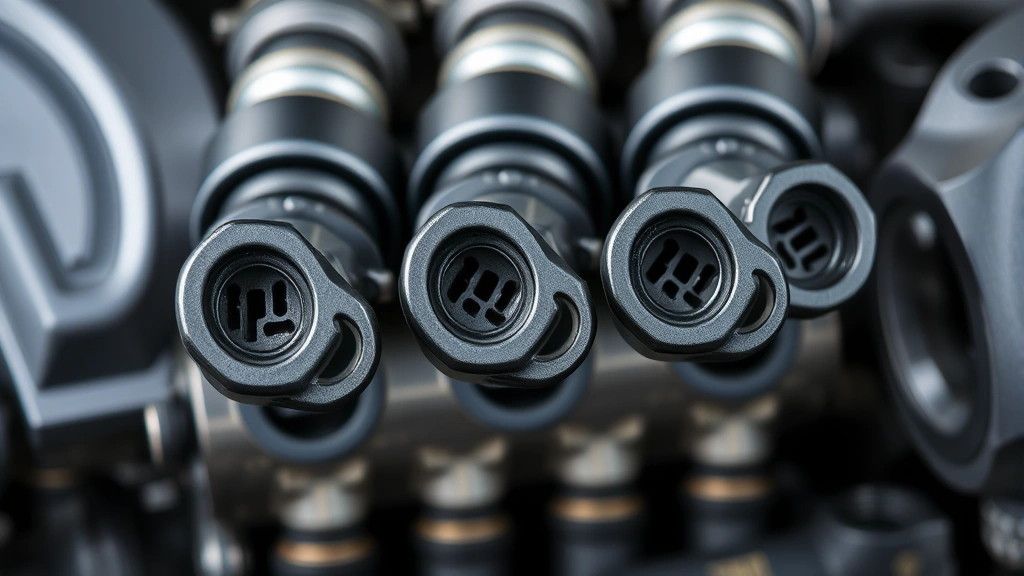
Your car’s fuel injectors are basically the unsung heroes of your engine—these tiny precision instruments spray fuel into your combustion chamber with the accuracy of a Swiss watchmaker. When they get dirty, your vehicle starts acting like it’s had one too many cups of coffee: rough idling, poor acceleration, decreased fuel economy, and that lovely check engine light that keeps you up at night.
The good news? Cleaning fuel injectors is absolutely something you can tackle yourself, and it doesn’t require a PhD in automotive engineering. Whether you’re dealing with carbon buildup from years of city driving or just want to keep your engine running at peak performance, this guide will walk you through every step of the process. We’ll cover everything from diagnosing the problem to choosing the right cleaning method for your specific situation.
Think of this as preventative maintenance that pays for itself in improved fuel efficiency alone. Plus, there’s something deeply satisfying about restoring your engine’s performance with your own two hands.
Signs Your Fuel Injectors Need Cleaning
Before you dive into cleaning, let’s identify whether your fuel injectors are actually the culprit. A dirty fuel injector creates a cascade of problems that affect your entire engine’s performance. The most obvious sign is a noticeable drop in fuel economy—if you’re suddenly visiting the gas station more frequently than usual, your injectors might be clogged, causing inefficient fuel spray patterns.
Pay attention to your engine’s behavior during idle. A healthy engine should purr along smoothly at around 600-800 RPM. If it’s shaking, vibrating, or fluctuating between different RPM levels, you’ve got an idle problem that often traces back to dirty injectors. You might also notice hesitation or stumbling when accelerating from a complete stop, as if your engine is struggling to get its act together.
Here’s a practical indicator: take a test drive on a clear stretch of highway and really pay attention to how your vehicle responds when you press the accelerator. Sluggish acceleration or a slight delay before power kicks in is classic dirty injector behavior. Some drivers also report a slight smell of unburned fuel, which occurs when fuel isn’t atomizing properly.
The check engine light is another clue. Modern vehicles have oxygen sensors that detect when your air-fuel mixture is off, and they’ll trigger that warning light if injectors aren’t spraying fuel correctly. If you’re experiencing multiple symptoms simultaneously—poor fuel economy, rough idle, hesitation, and a warning light—fuel injector cleaning should definitely be on your to-do list.
Why Fuel Injector Cleaning Matters
Understanding why fuel injectors get dirty in the first place helps you appreciate why cleaning them matters. Over time, carbon deposits accumulate on the injector tips, restricting fuel flow and disrupting the spray pattern. This isn’t necessarily a sign of poor maintenance—it’s just what happens when gasoline burns at high temperatures over thousands of miles.
Think about it this way: your fuel injectors operate in an incredibly harsh environment. They’re subjected to extreme heat, pressure, and the chemical byproducts of combustion. Even premium gasoline contains detergents designed to prevent buildup, but they can only do so much. Environmental factors like humidity, fuel quality variations, and driving conditions all contribute to injector fouling.
When injectors don’t spray fuel properly, your engine compensates by running richer (using more fuel) to maintain power. This creates a vicious cycle: more fuel consumption leads to more carbon deposits, which requires the engine to use even more fuel. Your fuel economy nosedives, emissions increase, and your engine works harder than necessary.
Regular fuel injector maintenance is like keeping your arteries clear—it ensures everything flows smoothly and efficiently. Beyond just the obvious performance benefits, clean injectors reduce harmful emissions, extend engine life, and improve overall drivability. The investment in cleaning pays dividends in fuel savings and engine longevity.
Fuel Injector Cleaning Methods Explained
You’ve got several options when it comes to cleaning fuel injectors, each with its own advantages and limitations. Understanding these methods helps you choose the right approach for your specific situation and budget.
Fuel Additive Method
This is the most accessible and budget-friendly option. You simply pour a fuel injector cleaning additive into your gas tank and drive normally. These additives contain detergents that dissolve carbon buildup as your fuel passes through the injectors. Brands like Chevron Techron, BG 44K, and Redline are well-regarded in the industry.
The beauty of this method is simplicity—no tools required, no special knowledge needed. You’re essentially doing maintenance while you drive. The downside? Results are modest compared to other methods, and it works best for light to moderate buildup rather than severe clogging. Think of it as preventative maintenance rather than heavy-duty restoration.
Professional Fuel System Cleaning
Many repair shops offer professional fuel injector cleaning services using specialized equipment that connects directly to your fuel system. They inject a pressurized cleaning solution through your injectors while monitoring pressure and flow rates. This method is far more aggressive and effective than fuel additives.
Professional cleaning typically costs between $150-$300 depending on your location and the severity of the buildup. You’ll get thorough cleaning with professional-grade chemicals and equipment. The trade-off is cost and the time investment of taking your vehicle to a shop. This method is ideal when you’ve got significant buildup or want guaranteed results.
Ultrasonic Cleaning
Some shops offer ultrasonic injector cleaning, where they remove your injectors and use high-frequency sound waves to blast away deposits. This is the most thorough method available and works brilliantly for heavily clogged injectors. However, it’s also the most expensive option, typically running $200-$500 per injector.
You’d only pursue ultrasonic cleaning if your injectors are severely fouled or if other methods have failed. It’s overkill for routine maintenance but perfect for bringing badly damaged injectors back to life.
DIY Cleaning Kit Method
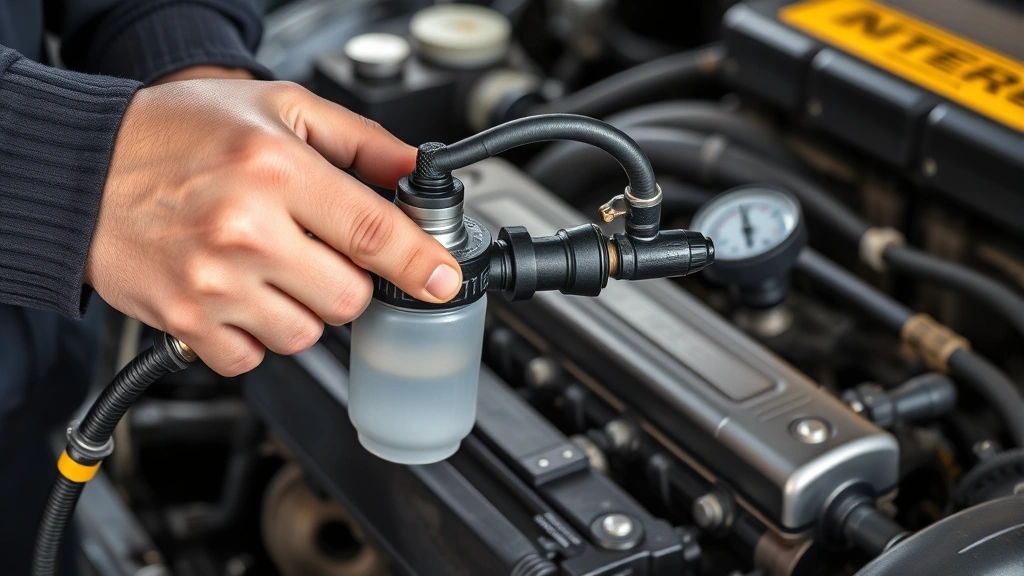
This middle-ground approach uses a pressurized canister system that you connect to your fuel rail. You remove the fuel pump relay, attach the cleaning kit, and let it run pressurized cleaning solution through your injectors. It’s more effective than fuel additives but less expensive than professional service, typically costing $40-$100 for the kit.
Step-by-Step DIY Cleaning Process
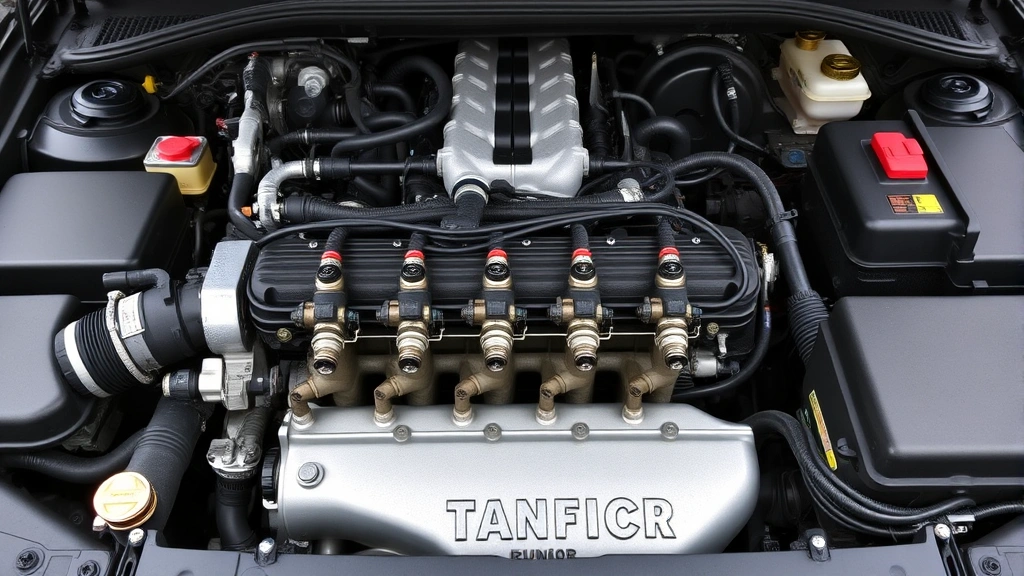
Let’s walk through the most practical DIY method: using a pressurized cleaning kit. This approach gives you solid results without requiring specialized equipment or professional labor.
What You’ll Need
- Fuel injector cleaning kit (pressurized canister system)
- Basic hand tools (wrenches, screwdrivers)
- Safety glasses and work gloves
- Fuel catch container or shop rags
- Your vehicle’s service manual
- A well-ventilated workspace (garage or driveway)
Safety First
Before touching anything under your hood, disconnect the negative terminal of your car battery. This prevents accidental electrical shorts and ensures safety while you’re working. Allow your engine to cool completely—you’re dealing with fuel here, and hot engine components are a fire hazard. Wear safety glasses and gloves throughout the process.
Locate Your Fuel Rail
Consult your vehicle’s service manual to find your fuel rail’s location. It’s the metal tube that runs along your engine and connects to all your fuel injectors. You’ll need to access either the fuel pressure test port or disconnect the fuel line to attach your cleaning kit. Some vehicles have a dedicated test port that makes this much easier.
Prepare Your Fuel System
If you’re using a kit with a pressurized canister, you’ll need to remove the fuel pump relay to prevent fuel from flowing through your system while the cleaning solution runs through. Your manual will show you exactly where this relay is located. Some kits bypass this step, so follow your specific kit’s instructions carefully.
Connect Your Cleaning Kit
Attach the cleaning kit’s hose to your fuel rail according to the kit’s instructions. This typically involves connecting to a test port or temporarily disconnecting a fuel line. Make sure all connections are secure before pressurizing. Have a fuel catch container ready in case any residual fuel spills.
Run the Cleaning Cycle
Pressurize the cleaning kit and let it run through your fuel system. This usually takes 10-15 minutes. The pressurized cleaning solution forces carbon deposits off your injector tips and flushes them out through your fuel system. You’ll hear the engine trying to start and stop as the kit cycles through.
Reconnect Everything
Once the cleaning cycle is complete, carefully disconnect the kit, reconnect your fuel pump relay, and reattach any fuel lines you disconnected. Double-check all connections before starting your engine. Reconnect your battery terminal.
Test Drive and Monitor
Start your engine and let it idle for a few minutes, listening for any unusual sounds. Take a test drive and pay attention to how your vehicle responds. You should notice smoother acceleration, steadier idle, and potentially improved fuel economy within a few tanks of gas.
When to Choose Professional Cleaning
While DIY cleaning works well for moderate buildup, some situations warrant professional attention. If you’re uncomfortable working with fuel systems, have a complex fuel injection setup, or are dealing with severely clogged injectors, take your vehicle to a qualified mechanic.
Professional shops have diagnostic equipment that can measure fuel pressure, flow rate, and spray patterns with precision. They can identify whether your problems stem from fuel injectors or other components. If you’re experiencing issues and aren’t sure of the cause, professional diagnosis might save you time and money.
Additionally, professional cleaning often comes with a warranty. If problems persist after cleaning, they’ll investigate further at no additional cost. This peace of mind is valuable, especially if your vehicle is acting up in ways that are hard to diagnose.
Think of professional service as similar to how you might approach changing transmission fluid or other complex maintenance—sometimes it’s worth paying for expertise to ensure the job is done right.
Prevention Tips for Long-Term Health
The best fuel injector maintenance is prevention. Here are practical strategies to keep your injectors clean and your engine running smoothly.
Use Quality Fuel
Top-tier gasoline from major brands contains better detergents than budget options. Shell, Chevron, Mobil, and Costco fuel all meet or exceed EPA detergent standards. While it costs a few cents more per gallon, the superior detergent package helps prevent injector buildup over time.
Regular Oil Changes
Clean engine oil is crucial for overall engine health, including fuel injector longevity. Oil circulates through your engine, carrying away contaminants and preventing sludge buildup. When you’re checking your fuel injectors, don’t forget about checking engine oil regularly to ensure your entire engine stays healthy.
Fuel System Maintenance
Use fuel system cleaning additives preventatively, not just when problems arise. Adding a quality fuel injector cleaner every 3,000-5,000 miles keeps deposits from accumulating in the first place. This is far cheaper than dealing with performance problems later.
Monitor Your Fuel Tank
Let your fuel tank get too low regularly and you risk drawing sediment from the tank bottom through your fuel system. Try to keep your tank at least a quarter full. If you need to dispose of old gas from your vehicle before storage, do it properly to avoid contaminating your fuel system with degraded fuel.
Other Maintenance Connections
Fuel injector health is part of your overall engine maintenance ecosystem. Just as you regularly check transmission fluid and rotate tires to keep your vehicle in top shape, fuel system maintenance deserves regular attention. These preventative measures work together to extend your vehicle’s lifespan and maintain performance.
Replace Your Fuel Filter
Your fuel filter protects your injectors by catching debris before it reaches them. A clogged fuel filter reduces fuel pressure and forces your injectors to work harder. Replace it according to your manufacturer’s recommendations, typically every 15,000-30,000 miles.
Frequently Asked Questions
How often should I clean my fuel injectors?
For most drivers, professional fuel injector cleaning every 50,000-100,000 miles is sufficient. If you drive in severe conditions (lots of city driving, old fuel, poor-quality gasoline), consider cleaning every 30,000-50,000 miles. Preventative fuel system additives can extend the interval between professional cleanings.
Can I damage my engine by cleaning fuel injectors?
No, properly performed fuel injector cleaning won’t damage your engine. In fact, it restores engine health. However, improper technique—like using incorrect cleaning solutions or damaging fuel system components—could cause problems. Follow your kit’s instructions carefully or use professional service.
How much does professional fuel injector cleaning cost?
Professional fuel system cleaning typically ranges from $150-$300 for the entire fuel system. Individual injector ultrasonic cleaning runs $200-$500 per injector. DIY kits cost $40-$100. The cost depends on your location, vehicle type, and the severity of buildup.
Will fuel injector cleaning improve my fuel economy?
Yes, significantly. Dirty injectors force your engine to run rich, consuming more fuel. Cleaning can improve fuel economy by 5-15% depending on how severely clogged your injectors were. You’ll typically recoup the cleaning cost through fuel savings within a few months.
What’s the difference between fuel additives and professional cleaning?
Fuel additives are preventative and work gradually over multiple fill-ups. Professional cleaning is more aggressive and provides immediate results for severely clogged injectors. Additives are ideal for maintenance; professional service is better for restoration.
Can I clean fuel injectors without removing them?
Yes, that’s actually the most common approach. Pressurized cleaning kits and professional fuel system cleaning work without removing injectors. You can remove injectors for ultrasonic cleaning, but it’s unnecessary for most situations and adds labor costs.
How do I know if my fuel injectors are the problem?
Look for symptoms like rough idle, poor acceleration, decreased fuel economy, and check engine lights. Professional diagnostic equipment can confirm whether injectors are the culprit by measuring fuel pressure and flow. If you’re unsure, have a mechanic perform a fuel system diagnostic.
Are expensive fuel additives better than budget options?
Quality matters more than price. Mid-range brands like Chevron Techron, BG 44K, and Redline are proven effective and reasonably priced. Some expensive boutique products don’t outperform these established options. Focus on using quality fuel and additives consistently rather than chasing premium brands.

Related Posts

How Long to Boil Lobster Tails: Cooking Guide

How Long to Fly from New York to London? Travel Times
