
Mail Delivery Time? Expert Insights on Timing
Mail Delivery Time? Expert Insights on Timing
Understanding how long does a letter take to mail is essential for anyone who needs to send important documents, payments, or correspondence. Whether you’re mailing a birthday card, paying bills, or sending legal paperwork, knowing delivery timeframes helps you plan accordingly and avoid missed deadlines. The answer isn’t always straightforward because multiple factors influence postal delivery times, from the type of mail service you choose to the destination’s location.
The U.S. Postal Service (USPS) handles millions of pieces of mail daily, and delivery speeds vary significantly based on distance, service type, and current volume. This comprehensive guide breaks down everything you need to know about mail delivery times, helping you select the right service for your needs and understand what to expect when you drop that envelope in the mailbox.
USPS Standard Mail Delivery Times
The standard mail delivery time for First-Class Mail through the USPS typically ranges from 1 to 3 business days for domestic mail. However, this timeline applies only when mail is sent between nearby locations or major metropolitan areas. For cross-country correspondence, expect 3 to 5 business days minimum. It’s important to note that these timeframes begin after your mail is collected from the mailbox or post office.
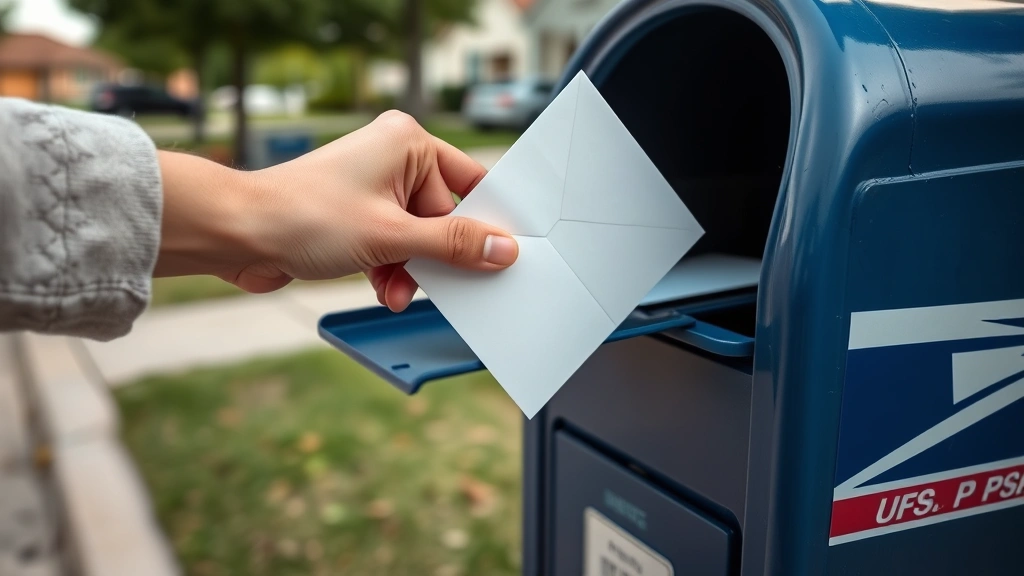
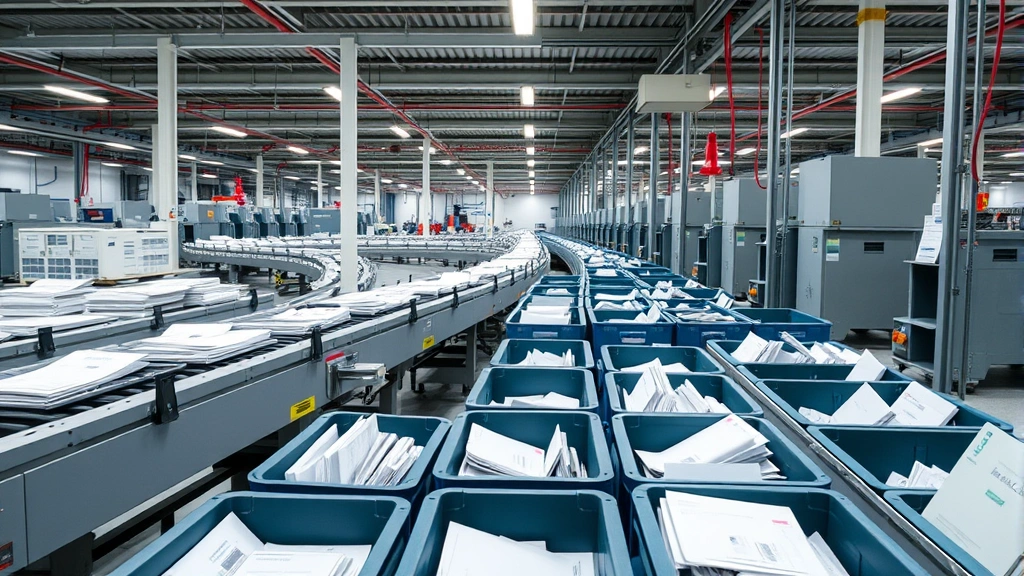
First-Class Mail is the most commonly used service for letters, postcards, and small packages under 13 ounces. When you drop a letter in a standard mailbox, it typically gets collected once per business day. The mail then travels to a local sorting facility, gets processed, and enters the regional distribution network. Understanding this process helps explain why weekend and holiday delays occur—mail doesn’t move on Sundays or federal holidays.
For those needing faster delivery, Priority Mail Express guarantees delivery within 1 to 2 business days, though it costs significantly more than standard First-Class Mail. This service includes guaranteed delivery dates and comes with USPS tracking. If you absolutely must ensure on-time delivery, this premium option provides peace of mind for critical documents and time-sensitive correspondence.
Standard mail, also called Marketing Mail, is the slowest USPS option, typically taking 3 to 10 business days or longer. This service is designed for bulk mailings like catalogs, advertisements, and promotional materials. While economical, it’s not suitable for time-sensitive personal correspondence.
Factors Affecting Mail Delivery Speed
Several variables significantly influence how long does a letter take to mail. The primary factor is distance—sending mail across the country naturally takes longer than local delivery. A letter mailed within the same zip code might arrive in 1-2 days, while cross-country mail requires 4-5 days minimum under normal circumstances.
The time of day you mail your letter matters more than most people realize. If you drop mail in a collection box at 4:50 PM and the last pickup is at 5:00 PM, your mail gets processed that day. Drop it at 5:10 PM, and it won’t be collected until the next business day, immediately adding 24 hours to delivery. Mailing early in the morning provides the best chance for same-day processing.
Current mail volume at your local post office and regional sorting facilities directly impacts processing speed. During peak seasons like December holidays, tax season (April), and back-to-school periods (August-September), mail backlogs occur naturally. The USPS processes billions of pieces annually, and high-volume periods strain facilities and extend delivery times by several days.
The destination address accuracy significantly affects delivery speed. Incomplete addresses, illegible handwriting, or missing zip codes force postal workers to spend extra time researching correct information. This delay can add days to delivery. Using complete, legible addresses with proper zip codes ensures efficient routing through automated sorting machines.
Whether your letter contains hazardous materials or requires special handling also influences timing. Letters with perfume, batteries, or other restricted items need manual inspection, which slows processing. Similarly, oversized envelopes or unusual shapes can’t go through automated sorters and require hand-processing.
The condition of postal infrastructure in your region matters too. Rural areas with fewer processing facilities experience longer delivery times than urban centers with multiple sorting hubs. This geographic reality means mail sent to remote locations naturally takes longer, regardless of service type selected.
Different Mail Service Options
The USPS offers several service levels, each with distinct delivery timelines and costs. Choosing the right option depends on your timeline requirements and budget constraints. Understanding these choices helps you make informed decisions about your correspondence.
First-Class Mail remains the standard choice for personal letters and small documents. It’s affordable, reliable, and includes basic tracking through Informed Delivery. For most personal correspondence, this service provides adequate speed at reasonable cost. Learn more about postal services by visiting USPS.com for official delivery standards.
Priority Mail offers faster delivery than First-Class Mail, with 2-3 business day typical delivery for most domestic mail. It includes tracking, insurance up to $100, and free boxes. This option works well for important documents or gifts when standard First-Class Mail seems too slow but Priority Express seems unnecessary.
Priority Mail Express is the fastest USPS option with guaranteed next business day or second business day delivery depending on distance. It includes $100 insurance and tracking. While expensive, this service guarantees on-time delivery, making it ideal for legal documents, contracts, or critical business correspondence.
Understanding how to make a paper crane might be fun, but knowing your mail options is practical. Consider your needs carefully before selecting a service.
Private carriers like FedEx and UPS offer alternatives to USPS, with generally faster but more expensive options. For standard letter delivery, USPS remains the most economical choice. However, if you need guaranteed overnight delivery, private carriers excel.
Tracking Your Mail
Modern mail services provide tracking capabilities that help you monitor your correspondence. USPS Informed Delivery is a free service that shows you a digital preview of incoming mail before it arrives. While this doesn’t track individual letters precisely, it confirms mail is in the system.
Priority Mail and Priority Mail Express automatically include tracking numbers, allowing you to monitor packages in real-time. You can check status online through USPS Tracking by entering your tracking number. This service provides peace of mind when sending important documents.
For basic First-Class Mail letters, tracking is limited. However, requesting delivery confirmation adds tracking capability for a small fee. This option makes sense when you need proof of delivery for important correspondence.
Signature confirmation requires recipients to sign for mail, providing definitive proof of delivery. This service works well for legal documents, contracts, or valuable items. It slightly increases delivery time due to the signature requirement but provides undeniable proof of receipt.
Tips for Faster Mail Delivery
Several strategies can help ensure your mail arrives as quickly as possible. First, use the correct service level for your needs. Don’t assume all First-Class Mail takes five days—local mail often arrives in one or two days. Conversely, don’t pay for Priority Express when standard service suffices.
Second, mail early in the day, preferably before your local post office’s collection deadline. Morning submissions ensure same-day processing, gaining a full day advantage over afternoon mailings. Check your post office’s collection schedule to optimize timing.
Third, use legible addresses with complete information including zip codes. Handwritten addresses should be clear and dark. Better yet, print addresses when possible—automated sorting machines read printed addresses faster than handwriting, accelerating processing.
Fourth, avoid mailing during peak seasons if possible. If you must mail during holidays or busy periods, use Priority Mail Express to guarantee timely delivery despite volume increases. Planning ahead prevents last-minute rushes that rely on expedited services.
Fifth, understand your destination’s geography. Mailing to rural areas naturally takes longer than urban delivery. Factor this into your planning when sending to remote locations. If timing is critical, confirm expected delivery dates before mailing.
For important documents, consider using FixWise Hub Blog resources and visiting Family Handyman for general organizational tips that help you manage correspondence efficiently.
Holiday and Weather Impacts
Holiday schedules significantly impact mail delivery times. The USPS observes federal holidays when no mail is processed or delivered. Major holidays like Christmas, Thanksgiving, New Year’s Day, and Independence Day create bottlenecks as volume increases and processing days decrease. Mail sent before holidays experiences delays as facilities work through accumulated volume.
Plan ahead during these periods by mailing at least one week early for domestic delivery. For holiday packages and cards, mailing even earlier—two to three weeks before the holiday—ensures delivery before the holiday deadline. The USPS announces specific holiday mailing deadlines annually, typically in November for December holidays.
Weather conditions also impact delivery speed. Severe winter storms, hurricanes, or flooding can disrupt mail processing and transportation. While rare, these events cause multi-day delays. The USPS maintains contingency plans, but weather-related disruptions are inevitable during extreme events.
Summer heat sometimes affects mail processing, particularly in southern regions. Extreme temperatures can slow operations and reduce outdoor collection frequency. Planning for these seasonal variations helps manage expectations and prevents missed deadlines.
Understanding how to manage timing for various processes helps with overall organization. Similarly, knowing mail timelines prevents deadline failures and ensures important correspondence arrives reliably.
FAQ
How long does regular mail take to arrive?
Standard First-Class Mail typically takes 1-5 business days depending on distance. Local mail within the same city often arrives in 1-2 days, while cross-country mail requires 4-5 days. Weekends and holidays don’t count as business days, potentially extending timelines.
What’s the fastest USPS mail service?
Priority Mail Express provides the fastest USPS service with guaranteed next-day or second-day delivery. It’s more expensive than standard options but guarantees on-time delivery with insurance included. For absolutely critical documents, this is the best choice.
Can I speed up mail delivery?
Yes, several strategies help. Use Priority Mail or Express services for faster delivery. Mail early in the day before collection deadlines. Use complete, legible addresses with zip codes. Avoid mailing during peak seasons if possible. These steps optimize delivery speed within your chosen service level.
Why is my mail taking so long?
Delays occur for several reasons: incorrect or incomplete address, high volume periods, weather disruptions, or distance to destination. Check your address accuracy first. If mailing during holidays or peak seasons, expect longer delivery. Weather-related delays are temporary and resolve once conditions improve.
Is First-Class Mail reliable?
Yes, First-Class Mail is reliable for standard correspondence. While not guaranteed like Priority Express, it consistently delivers within published timeframes. For important documents, consider Priority Mail with tracking for added assurance and proof of delivery.
How do I know if my letter arrived?
USPS Informed Delivery provides free email notifications showing mail previews. For packages and priority mail, tracking numbers allow real-time status checks. For basic First-Class Mail, request delivery confirmation (small fee) to receive notification upon delivery.
Does mail get delivered on Sundays?
Standard USPS mail is not delivered on Sundays, though package delivery may occur in some areas. Mail collected on Friday won’t begin processing until Monday, effectively adding weekend time to delivery. Plan accordingly when mailing Friday afternoon.

Related Posts

Superscript in Google Docs: Expert Tips

Strikethrough in Excel: Easy Steps for Beginners
