
How Long Do Stitches Take to Dissolve? Expert Insights
How Long Do Stitches Take to Dissolve? Expert Insights on Wound Healing
Whether you’ve just had surgery, suffered an injury, or undergone a minor medical procedure, understanding what happens to your stitches is crucial for proper wound care. The question of how long stitches take to dissolve isn’t one-size-fits-all—it depends on multiple factors including the type of suture material, the location of the wound, and your body’s natural healing process. This comprehensive guide will walk you through everything you need to know about dissolvable stitches, from the science behind them to practical aftercare tips.
Dissolving stitches, also known as absorbable sutures, are designed to break down naturally over time without requiring removal. Unlike traditional non-absorbable stitches that need a healthcare provider to remove them, these innovative sutures literally vanish as your wound heals. But the timeline varies significantly, and knowing what to expect can help you feel more confident during your recovery journey.
Let’s explore the fascinating world of medical sutures and discover exactly how long this dissolution process takes, along with everything else you should know about caring for your wound during healing.
Understanding Dissolving Stitches: The Basics
Dissolving stitches represent a significant advancement in modern wound care. These sutures are composed of materials that your body’s natural enzymes and inflammatory response can break down over time. Unlike traditional silk or nylon stitches that remain in place until manually removed, absorbable sutures gradually weaken and disappear as the wound heals beneath them.
The beauty of dissolving stitches lies in their convenience. You won’t need to schedule a follow-up appointment to have them removed, and there’s no risk of permanent stitch marks (which can happen if non-absorbable stitches stay in too long). However, this convenience comes with the responsibility of understanding the healing timeline and recognizing any complications that might arise during the dissolution process.
Your body treats dissolving stitches like a temporary scaffold. As your skin and deeper tissues knit together and gain strength, the sutures gradually lose their structural integrity. The process is surprisingly elegant—your body essentially knows when it no longer needs the stitches and breaks them down accordingly.
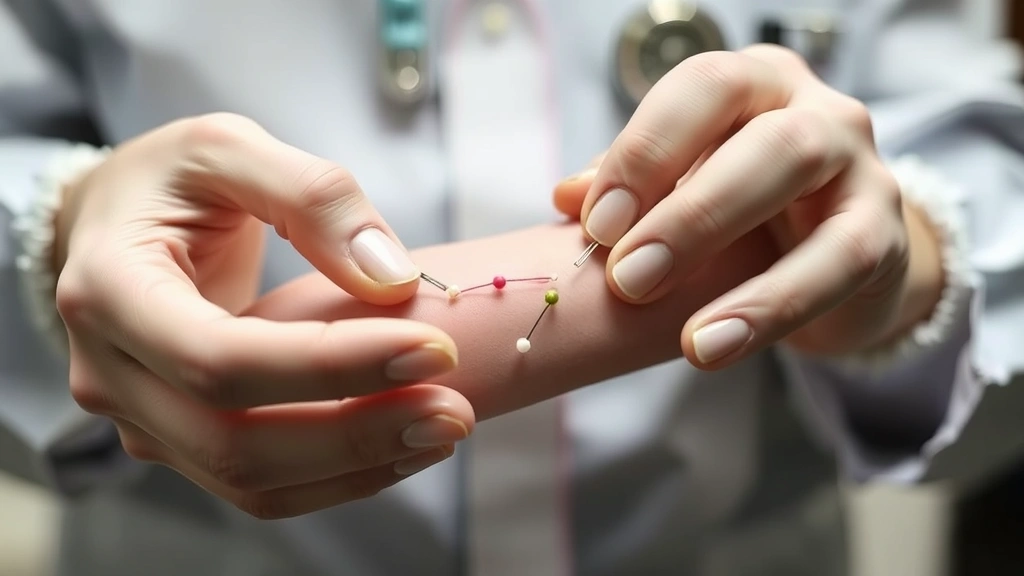
Timeline: How Long Do Different Stitches Take to Dissolve?
The dissolution timeline for stitches varies considerably depending on the material used and where the wound is located. Here’s what you can typically expect:
- Fast-absorbing gut sutures: These typically dissolve within 5 to 7 days, making them ideal for facial wounds or areas where you want minimal visible scarring.
- Plain gut sutures: Usually last between 7 to 10 days before beginning to dissolve significantly.
- Chromic gut sutures: These are treated to last longer, typically dissolving between 10 to 14 days.
- Synthetic absorbable sutures (Vicryl, Monocryl): These tend to dissolve between 14 to 21 days, providing intermediate strength during healing.
- Long-lasting synthetic sutures (PDS, Maxon): These can take 60 days or longer to fully dissolve, offering extended support for deeper wounds or areas requiring prolonged strength.
Keep in mind that these timelines represent when the stitches begin to lose significant strength, not when they completely vanish. Some suture material might remain visible or palpable for weeks after losing its structural integrity. This is completely normal and doesn’t indicate a problem with your healing.
The location of your wound also matters tremendously. Facial stitches might dissolve faster than abdominal stitches because facial wounds typically have better blood flow and a more robust inflammatory response. Similarly, wounds in areas of high tension or movement may require longer-lasting suture materials.
Factors That Affect Dissolution Time
Several variables influence how quickly your stitches dissolve. Understanding these factors helps you set realistic expectations for your recovery.
Blood Flow and Circulation: Areas with excellent blood supply heal faster, which means the stitches dissolve more quickly. This is why facial wounds typically have shorter dissolution timelines than leg wounds or areas with compromised circulation.
Age and Overall Health: Younger individuals with robust immune systems generally experience faster dissolution and healing. Chronic conditions like diabetes, autoimmune disorders, or nutritional deficiencies can slow the entire process. If you’re managing any health conditions, discuss how they might affect your healing timeline with your healthcare provider.
Infection Status: An infected wound creates a different inflammatory environment that can alter how quickly sutures dissolve. Infection might accelerate dissolution in some cases or cause complications that extend the timeline. This is another reason why keeping your wound clean and watching for signs of infection is critical.
Tension and Movement: Wounds under constant tension or in areas of frequent movement may require longer-lasting sutures. Your surgeon considers this when selecting suture material, but it’s still a factor in how quickly dissolution occurs. Excessive movement can also compromise the healing process itself.
Wound Depth: Superficial wounds heal differently than deep surgical wounds. Deep layers require sutures that maintain strength longer, affecting the overall dissolution timeline. This is why your surgeon might use different suture materials for different layers of the same wound.
Medications and Supplements: Certain medications can affect healing speed. Blood thinners, corticosteroids, and immunosuppressants may influence the timeline. Conversely, some supplements like vitamin C and zinc can support faster healing.
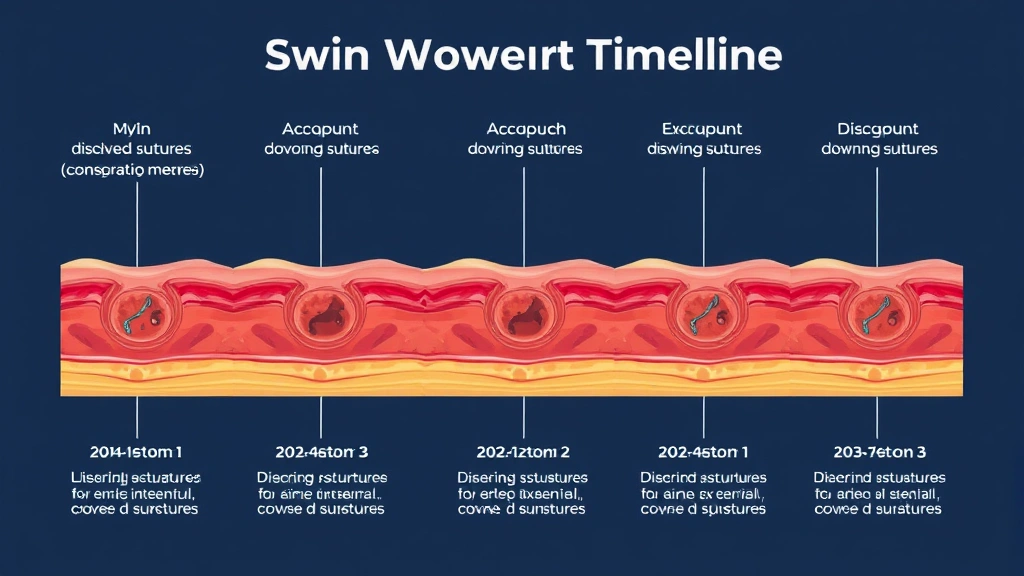
Types of Absorbable Suture Materials
Modern medicine offers several types of absorbable suture materials, each designed for specific applications and dissolution rates. Understanding these materials gives you insight into what your healthcare provider chose for your particular situation.
Natural Materials: Gut sutures, derived from animal intestines, were among the first absorbable sutures. They’re still used today, particularly in ophthalmology and dentistry. Gut sutures are completely absorbed by the body through enzymatic degradation. Fast-absorbing variants have been specially treated to dissolve even more quickly, typically within a week.
Synthetic Polymers (Intermediate Absorption): Materials like Vicryl (polyglactin 910) and Monocryl (poliglecaprone 25) are synthetic polymers that break down through hydrolysis—the same process that degrades many plastics. These materials maintain their strength for 14 to 21 days while dissolving gradually. They’re popular for general surgery because they provide adequate support during the critical healing phase without requiring removal.
Long-Acting Synthetics: Polydioxanone (PDS) and Polyglyconate (Maxon) are engineered to last 60 days or longer. These materials are ideal for wounds requiring extended support, such as deeper surgical closures or areas under high tension. They dissolve through hydrolysis, similar to intermediate synthetics, but their chemical structure allows for much slower degradation.
Each material has distinct handling characteristics and absorption profiles. Your surgeon selects the most appropriate material based on the wound location, depth, expected healing timeline, and tissue type. This is why you shouldn’t be alarmed if your stitches haven’t dissolved on a specific day—the timeline is a range, not a fixed endpoint.
Wound Care During the Dissolution Process
Proper wound care accelerates healing and supports the dissolution process. These practices are essential during your recovery:
Keep It Clean: Gently wash the area with mild soap and water daily. Pat it dry with a clean cloth rather than rubbing. This removes bacteria and debris without disturbing the healing tissue. If your healthcare provider recommended a specific cleanser, use that instead.
Protect from Moisture: While the area needs to stay clean, excessive moisture can compromise healing. If you need to shower, you can typically do so after the first 24 to 48 hours, but follow your surgeon’s specific instructions. Cover the wound if needed to prevent direct water spray for the first week or two.
Avoid Tension and Movement: Minimize activities that stretch or stress the wound. Excessive movement can tear healing tissue and delay the dissolution process. Your healthcare provider will give you specific activity restrictions based on your wound’s location and severity.
Monitor for Complications: Watch for signs of infection (increased redness, warmth, pus, fever), allergic reactions (rash, swelling), or stitches coming loose prematurely. Trust your instincts—if something feels wrong, contact your healthcare provider.
Support Nutrition: Your body needs adequate protein, vitamins, and minerals to heal effectively. Ensure you’re eating a balanced diet rich in fruits, vegetables, lean proteins, and whole grains. Consider discussing nutritional support with your healthcare provider if you have dietary restrictions.
Don’t Pick or Pull: It’s tempting to remove visible sutures yourself, but resist the urge. Dissolving stitches are doing important work even when they look loose or feel uncomfortable. Pulling them prematurely can reopen the wound and complicate healing. If they’re causing irritation, contact your healthcare provider about options rather than attempting removal yourself.
When to Contact Your Healthcare Provider
While most dissolving stitches progress without complications, certain situations warrant professional attention. Don’t wait if you notice any of these warning signs:
- Increasing redness, warmth, or swelling around the wound
- Pus or unusual discharge from the wound
- Fever or chills
- The wound opening or gaping
- Severe pain that increases rather than improves over time
- Signs of allergic reaction (rash, itching, difficulty breathing)
- Stitches that dissolve much faster than expected
- Stitches that don’t dissolve after significantly exceeding the expected timeline
- Visible suture material that remains after the expected dissolution period and is causing problems
- Any other concerns about your healing progress
Remember, your healthcare provider wants to hear from you. It’s far better to check in about a concern that turns out to be nothing than to ignore a potential problem. Early intervention can prevent complications from becoming serious issues.
Comparison: Dissolving vs. Non-Dissolving Stitches
Understanding the differences between dissolving and traditional stitches helps you appreciate why your surgeon chose one type over another. Both have legitimate uses depending on the situation.
Dissolving Stitches Advantages: No removal appointment needed, reduced risk of permanent stitch marks, ideal for areas difficult to access for removal, and generally less discomfort during the dissolution process. They’re also excellent for pediatric patients who might find stitch removal stressful.
Dissolving Stitches Disadvantages: Less predictable timeline, potentially visible as they dissolve, can cause mild irritation as they break down, and sometimes residual material remains visible. Some people also find it unsettling not knowing exactly when the stitches will be gone.
Non-Dissolving Stitches Advantages: Predictable removal timeline, complete removal at a specific appointment, no residual material concerns, and some surgeons prefer them for certain wound types because they maintain consistent strength throughout healing.
Non-Dissolving Stitches Disadvantages: Requires a follow-up appointment for removal, can leave permanent stitch marks if left too long, removal can be uncomfortable or painful, and higher infection risk if not kept meticulously clean.
Similar considerations apply when you’re managing other types of healing situations. For instance, if you’re curious about recovery timelines for other procedures, you might want to understand how long it takes a tattoo to heal, which involves its own set of aftercare considerations. Different body modifications and medical procedures each have unique healing profiles worth understanding.
The choice between dissolving and non-dissolving stitches isn’t random. Your surgeon considers your wound type, location, skin characteristics, and personal preferences. Trust their expertise while advocating for your comfort and preferences during the healing process.
Frequently Asked Questions
Can dissolving stitches dissolve too quickly?
Yes, though it’s uncommon. Stitches can dissolve faster than expected due to infection, inflammation, allergic reaction, or individual variation in enzymatic activity. If your stitches dissolve significantly faster than anticipated, contact your healthcare provider to ensure your wound is healing properly. Sometimes the wound needs additional closure or support if stitches dissolve prematurely.
Is it normal to feel dissolving stitches as they break down?
Absolutely. As stitches dissolve, you might feel mild itching, tingling, or slight discomfort. You might also notice the sutures feeling looser or more moveable. This is typically normal. However, severe pain or significant discomfort warrants a call to your healthcare provider. Sometimes topical antihistamines or hydrocortisone cream can help with itching, but check with your provider first.
What if my dissolving stitches haven’t dissolved after the expected time?
Some residual suture material can remain visible or palpable for weeks beyond the expected dissolution timeline. This is usually harmless. However, if the stitches haven’t dissolved after 8 to 12 weeks, or if they’re causing irritation or infection, contact your healthcare provider. Rarely, sutures need manual removal if they don’t dissolve as expected. This could happen if you have an unusual reaction to the material or if there’s an underlying issue with healing.
Can I shower or bathe with dissolving stitches?
Most healthcare providers allow gentle showering after 24 to 48 hours, though you should follow your specific post-operative instructions. Avoid soaking the wound in bathwater for extended periods during the first few weeks. Pat the area dry after showering rather than rubbing. Excessive moisture can soften the stitches prematurely and compromise healing, so balance cleanliness with keeping the area reasonably dry.
Will dissolving stitches leave scars?
Dissolving stitches generally leave minimal scarring compared to non-dissolving stitches, particularly when used on the face or other visible areas. However, the wound itself determines scarring more than the suture type. Proper wound care, sun protection, and time all influence scar appearance. Your genetics and age also play significant roles. Some scarring is inevitable with any wound, but dissolving stitches reduce the risk of permanent stitch marks.
What should I do if I notice an allergic reaction to my stitches?
Contact your healthcare provider immediately. Allergic reactions to suture material are rare but can happen. Symptoms include rash, itching, swelling, or difficulty breathing. Your provider can assess the reaction and determine if the stitches need to be removed or replaced. In the meantime, avoid scratching the area and don’t apply any treatments without professional guidance.
Are dissolving stitches safe for all wound types?
Dissolving stitches work well for most wounds, but certain situations might require non-dissolving alternatives. Very deep wounds, areas under extreme tension, or wounds in people with certain medical conditions might need traditional stitches. Your surgeon evaluates your specific situation and chooses the most appropriate closure method. If you have concerns about your surgeon’s choice, discuss them before the procedure.
How do I know if my wound is infected while stitches are dissolving?
Watch for increased redness extending beyond the wound margins, warmth around the area, pus or unusual discharge, fever, or increasing pain. A small amount of clear or slightly yellow drainage is normal, but green, thick, or foul-smelling discharge suggests infection. Trust your instincts—if the wound doesn’t look or feel right, get it evaluated. Early treatment prevents serious complications. Similar vigilance applies to other healing situations; for example, if you’re dealing with a piercing, knowing how long a nose piercing takes to heal helps you identify normal healing versus problems.
Can exercise affect how quickly stitches dissolve?
Intense exercise and activities that stress the wound can slow healing and affect the dissolution timeline. High blood pressure and increased heart rate from exercise can also increase bleeding risk if the wound reopens. Follow your healthcare provider’s activity restrictions carefully. Gradually return to normal activities as your wound heals. Gentle movement is generally fine, but avoid high-impact activities, heavy lifting, or activities that stretch the wound area until you’re cleared to resume them.

Related Posts

How Long to Boil Lobster Tails: Cooking Guide

How Long to Fly from New York to London? Travel Times
