
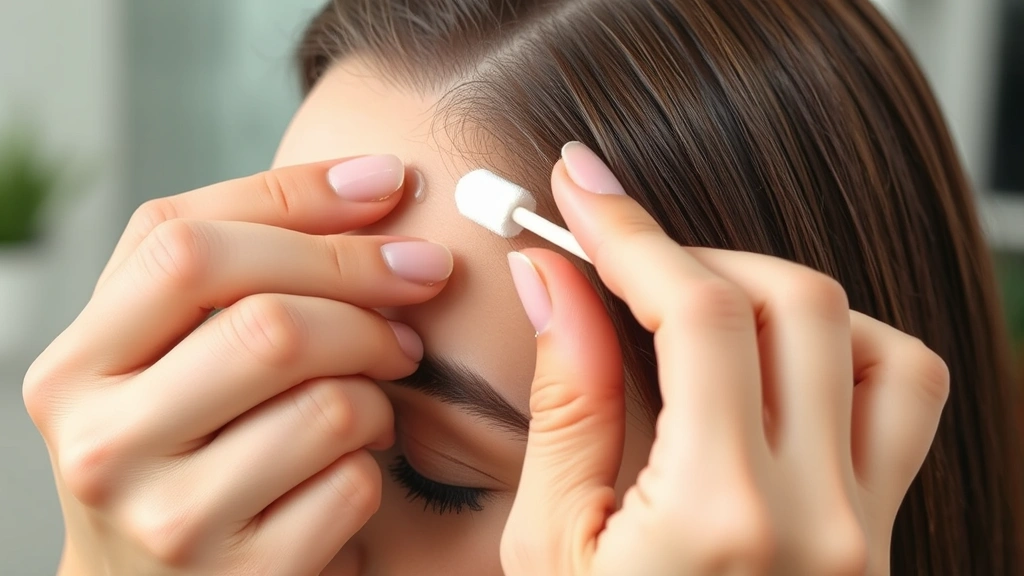
How to Remove Hair Dye from Skin: Expert Tips
How to Remove Hair Dye from Skin: Expert Tips for a Clean Finish
We’ve all been there—you’re excited about your new hair color, the application goes smoothly, and then you catch your reflection in the mirror. There it is: a telltale stain of hair dye decorating your forehead, ears, or neck like an unwanted tattoo. While hair dye is designed to bond with hair, it’s surprisingly stubborn when it comes to skin, and panic often sets in faster than the stain itself. The good news? Those marks don’t have to be permanent, and you don’t need harsh chemicals or professional help to remove them.
Whether you’re dealing with a fresh stain from a DIY color job or remnants from a salon visit gone slightly wrong, removing hair dye from skin is entirely manageable with the right approach. The key is knowing which methods actually work, understanding your skin type, and acting quickly before the dye has time to fully set. This guide walks you through proven techniques, preventative strategies, and expert tips that’ll have your skin looking pristine again.
The challenge with hair dye removal lies in the chemistry: most permanent and semi-permanent dyes are formulated to penetrate and stain, making them remarkably effective at coloring hair but equally effective at marking skin. However, since hair dye isn’t meant to bond permanently to skin cells the way it does to hair, there are several legitimate methods to lift the stain without causing irritation or damage.
Immediate Action: The First 24 Hours
Timing is everything when dealing with hair dye stains. The first few hours after application present your best window of opportunity for easy removal. Fresh dye hasn’t fully oxidized or bonded to the outer layers of skin, making it far more responsive to gentle removal methods.
Start by gently wiping the stained area with a damp washcloth or cotton pad. Use lukewarm water and mild soap—nothing harsh or abrasive. This simple first step removes excess dye that hasn’t fully set and often eliminates a significant portion of the stain. Be gentle; aggressive rubbing can irritate skin and actually push the dye deeper into pores.
If basic soap and water don’t fully clear the stain, move immediately to the next layer of solutions. The sooner you address the stain, the easier removal becomes. Waiting until the next day is possible, but you’ll find the dye has oxidized more fully, requiring stronger methods. Think of it like treating a fresh wine spill versus one that’s been sitting for hours—fresh is always easier.
Consider keeping baby wipes or makeup remover wipes nearby during any hair coloring session. These are gentler than harsh scrubbing and work surprisingly well on fresh dye stains. The oils in many makeup removers help break down the dye molecules, making them easier to lift away from skin.
Proven Methods to Remove Hair Dye from Skin
Rubbing Alcohol Method
Rubbing alcohol is one of the most effective solutions for stubborn hair dye stains. The alcohol works by breaking down the dye molecules, allowing them to be wiped away more easily. Soak a cotton ball or pad in rubbing alcohol and gently dab the stained area, working from the outside edges toward the center to prevent spreading. You’ll likely see the dye transferring to the cotton, which is exactly what you want. Repeat with fresh cotton pads until the stain significantly fades.
The beauty of this method is its speed and effectiveness on dried-in stains. Most people see noticeable improvement within a few minutes. However, rubbing alcohol can be drying, so follow up with moisturizer afterward. If you have particularly sensitive skin, test this method on a small area first or dilute the alcohol slightly with water.
Olive Oil or Coconut Oil Approach
For a gentler, more skin-friendly option, reach for cooking oils. Olive oil and coconut oil are natural dye solvents that break down the color molecules while simultaneously moisturizing your skin. Apply a generous amount of oil directly to the stained area and let it sit for 5-10 minutes. The oil penetrates the skin and begins breaking down the dye bonds. Gently rub the area in circular motions, then wipe away with a soft cloth. You may need to repeat this process 2-3 times for stubborn stains.
This method is particularly excellent for facial stains and sensitive areas like around the hairline or ears. The oil won’t dry out your skin the way alcohol does, and it actually leaves your skin feeling nourished. One downside: your skin will feel oily afterward, so plan to cleanse gently with soap and water once the stain has lifted.
Baking Soda Paste
Baking soda acts as a gentle abrasive and mild chemical agent that can lift dye stains without being too harsh. Mix baking soda with a small amount of water to create a paste—you want it thick enough to stay on the skin but spreadable. Apply this paste directly to the stained area and let it dry for 10-15 minutes. Once dry, gently rub the paste away with a damp cloth in circular motions. The slight grittiness of the baking soda helps physically lift the stain while the chemical properties of the baking soda itself help break down dye molecules.
This is an excellent choice if you want an exfoliating action combined with dye removal. Your skin will feel refreshed and the stain will often fade significantly. If your skin is sensitive, you can dilute the baking soda mixture further or use it for a shorter duration.
Acetone or Nail Polish Remover
For the most stubborn, set-in stains that refuse to budge after 24+ hours, acetone (the active ingredient in most nail polish removers) is a powerful option. Use only pure acetone or acetone-based removers, and apply sparingly with a cotton ball. This method works quickly but is quite strong, so use it judiciously and always follow with thorough moisturizing. Test on a small area first if you’ve never used this method before.
Acetone can be drying and irritating for sensitive skin, so reserve this technique for stubborn stains on less sensitive areas. The results are often dramatic, but the potential for irritation is higher than with gentler methods.
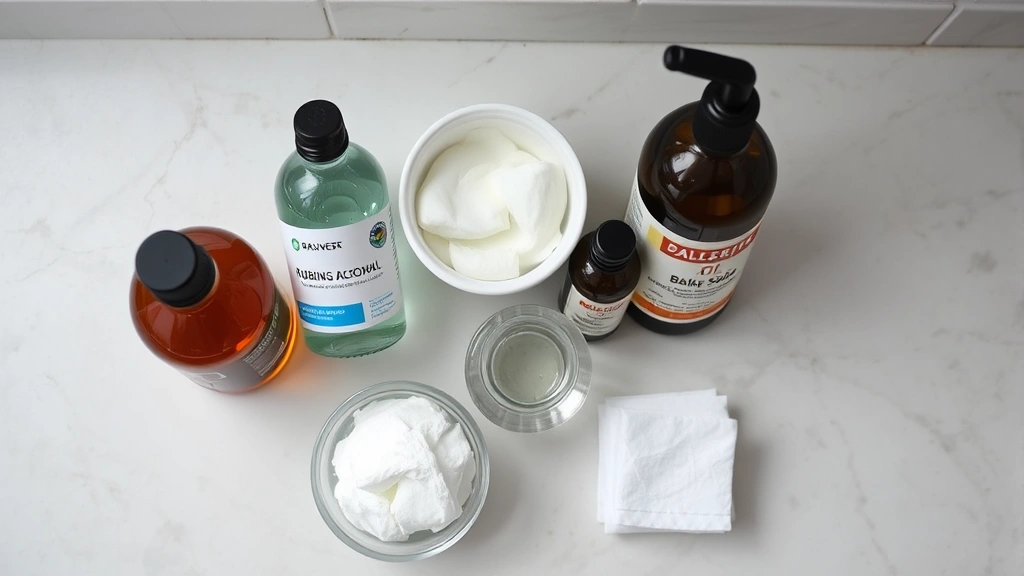
Household Solutions That Actually Work
Beyond the methods already mentioned, your kitchen and bathroom cabinet likely contain several other effective solutions for hair dye removal. These aren’t just old wives’ tales—they’re backed by the chemistry of how dyes interact with skin and household products.
Toothpaste Technique
Whitening toothpaste contains mild abrasives and whitening agents that can help lift dye stains. Apply a small amount directly to the stain and gently rub in circular motions for 1-2 minutes. The combination of the paste’s texture and its chemical properties works to break down and lift the dye. This method works best on fresh or moderately set stains. It’s gentle enough for sensitive skin and something everyone has on hand, making it a convenient first-line option.
Lemon Juice Solution
The acidity in lemon juice helps break down dye molecules. Mix fresh lemon juice with a small amount of water and apply to the stained area with a cotton ball. Let it sit for 5-10 minutes, then gently rub and rinse. You can also add a tiny bit of salt to create a gentle scrub. However, note that lemon juice can be drying and may cause irritation on sensitive skin. Additionally, lemon juice makes skin more photosensitive, so avoid sun exposure immediately after using this method.
Vinegar Application
White vinegar’s acidic nature makes it effective at breaking down dye stains. Soak a cotton ball in vinegar and apply it to the stained area, letting it sit for several minutes. The smell isn’t pleasant, but the effectiveness is genuine. For better results, warm the vinegar slightly before application—heat helps activate its dye-lifting properties. This method is particularly useful when combined with gentle rubbing to enhance the effect.
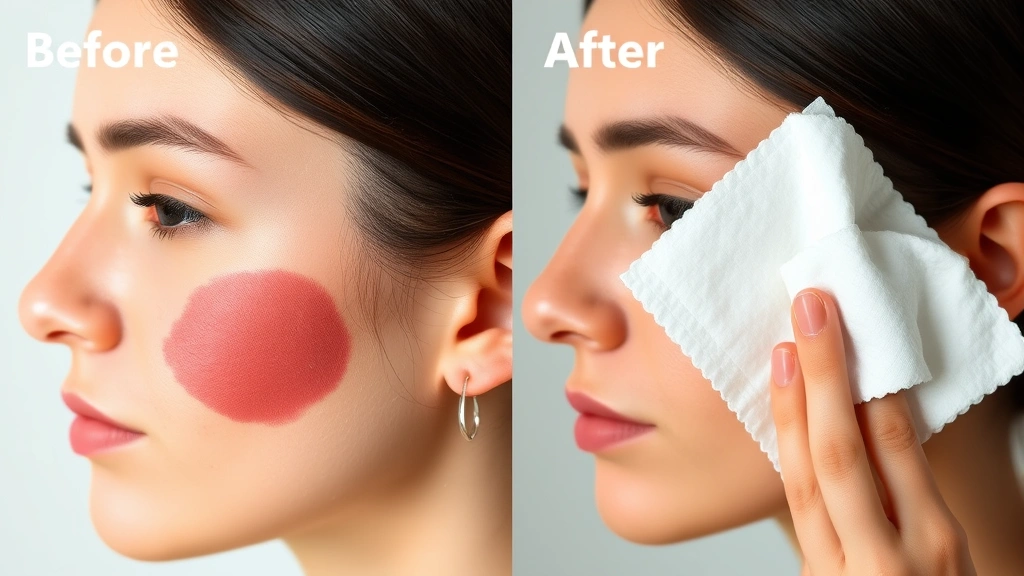
Prevention Strategies for Future Applications
The best approach to dealing with hair dye stains is preventing them in the first place. A few simple precautions during the coloring process can save you from stains entirely.
Protective Barriers
Before applying any hair dye, create a protective barrier on your skin. Apply a thin layer of petroleum jelly, coconut oil, or a dedicated dye-blocking cream along your hairline, ears, neck, and anywhere else the dye might contact skin. These barriers prevent the dye from bonding to skin in the first place. Even if dye does get on the skin, it sits on top of the barrier rather than absorbing into skin cells, making removal exponentially easier. This is the single most effective prevention method available.
Proper Application Technique
When learning how to style short hair or any hair coloring, technique matters. Apply dye carefully and methodically, using a dye brush rather than your fingers when possible. Section your hair properly and work systematically from one section to the next. Take your time and avoid sloppy application. Most stains result from rushed or careless application rather than unavoidable accidents.
Using Protective Accessories
Wear old clothes you don’t mind getting stained, and consider wearing a cape or towel around your shoulders. Use a headband or old t-shirt to protect your hairline if you’re nervous about staining. These simple precautions create multiple layers of defense between the dye and your skin.
Choosing Quality Products
Higher-quality hair dyes often have better formulations that are slightly less likely to stain skin compared to budget options. While this isn’t a guarantee, investing in reputable brands can reduce your risk. Additionally, professional-grade dyes sometimes have different formulations than over-the-counter versions.
Caring for Sensitive Skin During Removal
If you have sensitive, reactive, or compromised skin, removing hair dye requires extra caution. Your skin barrier is more delicate, and aggressive removal methods can cause irritation, redness, or even dermatitis.
Patch Testing Before Treatment
Before applying any removal method to visible stained areas, test it on a small, inconspicuous patch of skin first. Wait 15-20 minutes to observe any adverse reactions. This prevents accidentally irritating large areas of your face or neck. When testing, use the same amount of product you’d use on the actual stain so you get an accurate sense of how your skin will respond.
Gentlest Method First
For sensitive skin, start with the gentlest options: soap and water, then oil-based solutions like coconut or olive oil. Only progress to stronger methods like rubbing alcohol or acetone if gentler approaches don’t work. Your skin’s health is more important than completely removing every trace of the stain. A faint stain that fades naturally over a few days is preferable to irritated, inflamed skin.
Moisturizing After Removal
Regardless of which removal method you use, follow up with a good moisturizer. Most dye removal methods are somewhat drying or can stress the skin barrier. Apply moisturizer while your skin is still slightly damp to lock in hydration. If you have very sensitive skin, use a fragrance-free, hypoallergenic moisturizer to minimize irritation risk.
Knowing When to Stop
There’s a point where you need to accept that some staining will fade naturally over time. Constant scrubbing and chemical applications can damage your skin more than the dye stain itself. If removal methods aren’t working after a few attempts, stop and let time do the work. Hair dye stains on skin typically fade within 3-7 days as your skin naturally sheds cells.
Related Stain Removal Topics
If you’re dealing with other stubborn stains in your home or on your belongings, similar principles apply. For instance, learning how to remove ink from clothes involves many of the same solvents and techniques. Similarly, if you’ve accidentally gotten nail glue on your skin, many of these same removal methods apply. Understanding the chemistry of different stains helps you approach removal problems systematically.
Frequently Asked Questions
How long does hair dye stain take to fade from skin naturally?
Hair dye stains on skin typically fade within 3-7 days as your skin naturally sheds its outer layers. Fresh stains may disappear faster, while older, more set-in stains can take up to a week or slightly longer. The exact timeline depends on your skin’s natural cell turnover rate, the dye color (darker dyes tend to stain more visibly), and your skin type.
Will hair dye stains cause permanent damage to my skin?
No, hair dye stains on skin are purely cosmetic and will not cause permanent damage. The dye doesn’t penetrate deep enough into skin to cause lasting harm. However, some removal methods can irritate skin if used too aggressively, so gentle handling is important. If you experience redness, swelling, or persistent irritation after removal attempts, discontinue and consult a dermatologist.
Is it safe to use acetone on facial skin?
Acetone can be used on facial skin for stubborn stains, but it should be used sparingly and carefully. Acetone is quite drying and can irritate sensitive facial skin. Test it on a small area first, use only a small amount, and follow immediately with moisturizer. If you have sensitive skin or experience any irritation, skip this method and use gentler alternatives instead.
Can I prevent hair dye stains completely?
While you can’t guarantee zero staining in every situation, you can dramatically reduce the risk through preventative measures. Applying petroleum jelly or barrier cream along your hairline and ears before dyeing is the most effective prevention strategy. Careful application technique and using protective accessories also significantly reduce staining risk.
What’s the fastest way to remove hair dye from skin?
For fresh stains (within the first hour), rubbing alcohol works fastest, typically showing results within minutes. For older stains, acetone is fastest but also the strongest. However, the fastest method isn’t always the gentlest, so balance speed with skin safety. For most situations, a combination approach—starting with gentler methods and progressing to stronger ones if needed—provides the best balance of speed and safety.
Does the color of the dye affect removal difficulty?
Yes, darker dyes (particularly blacks, dark browns, and deep purples) stain skin more visibly than lighter shades. They’re also slightly more difficult to remove because the pigment concentration is higher. However, the removal methods remain the same; you may just need to repeat them more times or use slightly stronger solutions for darker dyes.
Can I use these methods to remove dye from my hands after coloring my hair?
Absolutely. Your hands typically have tougher skin than your face, so you can use slightly stronger methods without worry. Rubbing alcohol, acetone, and baking soda paste all work well on hand stains. You can also wear disposable gloves while applying dye to prevent hand staining entirely, which is the easiest solution.
What should I do if removal methods cause skin irritation?
Stop using removal methods immediately and rinse the area thoroughly with cool water. Apply a gentle, fragrance-free moisturizer and avoid further treatment attempts for at least 24 hours. If irritation persists or worsens, consult a dermatologist. It’s better to let a stain fade naturally than to damage your skin barrier in the removal process.
Are there professional treatments for stubborn hair dye stains?
For exceptionally stubborn stains that won’t respond to home methods, a dermatologist can sometimes help. However, most dermatologists recommend waiting for natural fading rather than pursuing aggressive professional treatments, as the stain will fade on its own within a week. Professional treatments carry more risk of irritation than home remedies for what is ultimately a temporary cosmetic issue.
Can I use these removal methods on other people’s skin?
Yes, these methods work on anyone’s skin, but always get permission before applying anything to someone else. Additionally, be extra gentle when treating someone else’s skin—you’re less likely to notice if something is causing discomfort. Test any method on a small area first, and allow the person to voice any concerns about irritation or discomfort immediately.
For comprehensive guidance on hair coloring and styling, check out This Old House’s home improvement guides, which occasionally cover personal grooming spaces. You can also find detailed product instructions at Home Depot, where many beauty and personal care products are available. For specific hair dye removal products and techniques, Family Handyman offers practical household solutions. Additionally, Mayo Clinic provides dermatological guidance on skin irritation and care, and consulting specific hair dye manufacturer instructions can provide product-specific recommendations.
Hair dye stains don’t have to ruin your day or your complexion. Whether you’re dealing with a fresh accident or a stubborn stain that’s been hanging around, you now have multiple proven methods to address it. Start with gentle approaches, progress to stronger solutions if needed, and remember that prevention through protective barriers is your best defense against future staining. Most importantly, be patient with yourself—if removal methods aren’t working after a few attempts, let time do the work. Your skin will naturally shed the stain within days, and you’ll be left with your beautiful new hair color and unmarked skin.

Related Posts

How Long to Boil Lobster Tails: Cooking Guide

How Long to Fly from New York to London? Travel Times
