
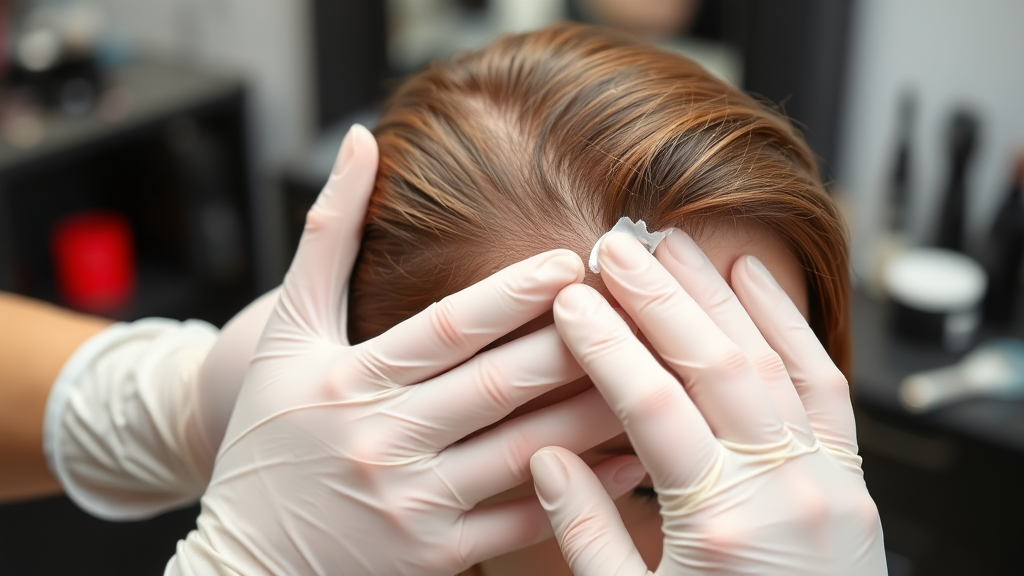
Remove Hair Dye from Skin Effortlessly: Top Methods That Work
Getting hair dye on your skin is one of the most common mishaps that occurs during at-home coloring sessions. Whether you’re touching up your roots or going for a complete color transformation, those stubborn dye stains on your hairline, ears, neck, and hands can be frustrating to deal with. The good news is that removing hair dye from skin doesn’t have to be a permanent problem or require harsh chemicals that could damage your skin.
Understanding how to get hair dye off skin effectively involves knowing which methods work best for different types of dye and skin sensitivity levels. From gentle household remedies to specialized products, there are numerous proven techniques that can help you achieve clean, stain-free skin without irritation. The key is acting quickly and choosing the right approach for your specific situation, as fresh stains are always easier to remove than those that have been sitting for hours or days.
Why Hair Dye Stains Skin
Hair dye contains powerful pigments and chemicals designed to penetrate and bind to hair follicles, which is why it can also easily stain skin. The most common culprits are permanent hair dyes that contain ammonia and hydrogen peroxide, which open the hair cuticle and allow color molecules to penetrate deeply. When these same chemicals come into contact with skin, they can cause temporary staining that ranges from light discoloration to deep, dark marks.
The severity of staining depends on several factors including the type of dye used, how long it remains on the skin, and your individual skin type. Darker colors like black, deep brown, and vibrant reds tend to cause more noticeable staining than lighter shades. Semi-permanent and temporary dyes typically cause less severe staining since they don’t contain ammonia, but they can still leave visible marks if not addressed promptly.
According to the U.S. Food and Drug Administration, hair dye formulations are specifically designed to be long-lasting, which is why they can be challenging to remove from skin. The porous nature of skin allows these color molecules to settle into the outer layers, creating stains that may persist for several days without proper treatment.

Immediate Action Steps
The most crucial factor in successfully removing hair dye from skin is timing. As soon as you notice dye on your skin, take immediate action to prevent the stain from setting deeper into your pores. Start by gently blotting the area with a damp cloth or paper towel to remove any excess dye that hasn’t yet penetrated the skin surface.
Rinse the affected area with lukewarm water and gentle soap, using circular motions to work the soap into the stained skin. Avoid scrubbing harshly, as this can cause irritation and may actually push the dye deeper into your skin. If you catch the stain within the first few minutes, this simple washing technique may be enough to remove it completely.
For persistent stains that don’t respond to soap and water, resist the urge to use harsh chemicals or abrasive materials immediately. Instead, pat the area dry and prepare to try one of the gentler removal methods outlined in the following sections. Remember that patience is key – some stains may require multiple treatments over several days to completely fade.
Gentle Household Methods
Many effective hair dye removal solutions can be found right in your kitchen or bathroom cabinet. One of the most popular and gentle methods involves using a mixture of baking soda and liquid dish soap. Create a paste by combining equal parts baking soda and dish soap, then gently massage it onto the stained area using circular motions. The mild abrasive properties of baking soda help lift the dye while the dish soap works to break down the color molecules.
Another household favorite is the toothpaste method, which works particularly well for smaller stains around the hairline. Use a non-gel, whitening toothpaste and apply a small amount to the stained area. Gently rub it in with your fingers or a soft cloth, then rinse with warm water. The mild abrasives in toothpaste, combined with its cleansing agents, can effectively remove surface-level dye stains.
Lemon juice mixed with salt creates another powerful yet gentle stain removal combination. The citric acid in lemon juice helps break down the dye molecules while salt provides gentle exfoliation. Mix fresh lemon juice with a small amount of salt to create a paste, apply it to the stain, and let it sit for 10-15 minutes before rinsing thoroughly. This method works especially well on lighter stains and is naturally antibacterial.
Oil-Based Removal Techniques
Oil-based methods are among the most gentle and effective approaches for removing hair dye from sensitive skin areas. Baby oil, olive oil, and coconut oil all work exceptionally well because they help dissolve the dye without causing irritation. Apply a generous amount of oil to the stained area and let it sit for 15-20 minutes to allow the oil to penetrate and break down the dye molecules.
After the oil has had time to work, use a soft cloth or cotton pad to gently wipe away the dissolved dye. You may need to repeat this process several times for stubborn stains. The beauty of oil-based methods is that they also moisturize your skin while removing the dye, making them ideal for people with sensitive or dry skin.
Petroleum jelly (Vaseline) is another excellent option, particularly for areas around the ears and hairline where skin tends to be more delicate. Apply a thick layer of petroleum jelly over the stain and let it sit overnight if possible. The petroleum jelly will gradually break down the dye, and you can wipe it away in the morning with a damp cloth. This method is particularly effective for older, set-in stains that haven’t responded to other treatments.

Exfoliation Methods
Gentle exfoliation can be highly effective for removing hair dye stains by helping to slough off the top layer of stained skin cells. A simple sugar scrub made with equal parts sugar and olive oil provides both exfoliation and moisturization. Gently massage the mixture onto the stained area in circular motions, then rinse with warm water. This method works well on hands and other areas where the skin is less sensitive.
For a more intensive exfoliation approach, try using a pumice stone or exfoliating gloves, but only on areas like hands where the skin is thicker and less sensitive. Wet the pumice stone and gently rub it over the stained area, being careful not to apply too much pressure. This method should be used sparingly and followed by a good moisturizer to prevent skin irritation.
Coffee grounds mixed with a small amount of oil create an excellent natural exfoliating scrub. The texture of coffee grounds helps remove dead skin cells and surface stains while the oil prevents excessive drying. This method is similar to professional treatments and can be just as effective as commercial exfoliating products, much like how to remove gel nail polish using gentle techniques.
Commercial Products and Solutions
When household remedies aren’t sufficient, several commercial products are specifically designed to remove hair dye stains from skin. Hair dye removal wipes are convenient and effective for immediate use during or right after a dyeing session. These pre-moistened wipes contain gentle chemicals that break down dye molecules without harsh scrubbing.
Makeup remover, particularly oil-based formulations, can be surprisingly effective at removing hair dye stains. The same ingredients that remove long-wearing makeup can also dissolve hair dye. Apply makeup remover to a cotton pad and gently press it against the stained area, allowing it to sit for a few minutes before wiping away.
According to research from the National Center for Biotechnology Information, certain commercial stain removers designed for fabrics can also be effective on skin when used carefully and in diluted concentrations. However, always perform a patch test first and follow up with thorough rinsing and moisturizing.
Rubbing alcohol or nail polish remover can be effective for stubborn stains, but these should be used as a last resort and only on small areas. These products can be very drying and potentially irritating, so they should be followed immediately by thorough washing and heavy moisturization. Never use these products on sensitive areas like around the eyes or on broken skin.
Prevention Tips for Future Dyeing
The best approach to dealing with hair dye stains is preventing them from occurring in the first place. Before beginning any hair dyeing process, apply a thin layer of petroleum jelly or thick moisturizer around your hairline, ears, neck, and any other areas where dye might come into contact with skin. This creates a barrier that prevents the dye from adhering directly to your skin.
Wearing gloves is essential, but many people forget to protect their wrists and forearms. Consider wearing long sleeves or applying barrier cream to these areas as well. Professional colorists recommend using a cape or old towels to protect your shoulders and chest area from drips and splatters.
Proper preparation of your workspace is just as important as protecting your skin. Just like when you need to know how to clean washing machine properly, having the right setup prevents bigger problems later. Lay down newspapers or plastic sheeting, have cleanup materials ready, and ensure good lighting so you can see any accidental skin contact immediately.
Consider using semi-permanent or temporary dyes if you’re prone to staining, as these formulations are generally easier to remove from skin. Professional application is another option – while more expensive, it virtually eliminates the risk of skin staining and ensures even, professional results.
When to Seek Professional Help
Most hair dye stains can be successfully removed at home, but there are situations where professional help may be necessary. If you experience any signs of allergic reaction such as swelling, severe redness, burning, or blistering, stop all removal attempts immediately and consult a healthcare provider. Some people develop contact dermatitis from hair dye ingredients, which requires medical attention.
Stains that persist for more than a week despite multiple removal attempts may benefit from professional treatment. Dermatologists have access to stronger, medical-grade products that can safely remove stubborn stains without damaging your skin. They can also assess whether the staining has caused any underlying skin damage that needs treatment.
If you have sensitive skin conditions like eczema or psoriasis, it’s advisable to consult with a dermatologist before attempting aggressive stain removal methods. What works for normal skin might exacerbate existing skin conditions and cause more problems than the original stain.
According to the American Academy of Dermatology, any skin irritation that persists or worsens after attempting stain removal should be evaluated by a professional. This is particularly important if you’ve used multiple chemical products or aggressive scrubbing techniques.
Frequently Asked Questions
How long does hair dye typically stay on skin?
Hair dye stains on skin usually fade naturally within 1-2 weeks as your skin cells naturally shed and regenerate. However, with proper removal techniques, most stains can be eliminated within 24-48 hours. The longevity depends on the type of dye used, how long it was left on the skin, and your skin’s natural turnover rate.
Is it safe to use bleach or harsh chemicals to remove hair dye from skin?
No, you should never use household bleach or harsh industrial chemicals on your skin to remove hair dye. These products can cause severe chemical burns, permanent skin damage, and serious health complications. Stick to gentle, skin-safe methods like those outlined in this article, and consult a professional if gentler methods aren’t effective.
Can hair dye stains be permanent on skin?
Hair dye stains are very rarely permanent on skin. Since skin naturally regenerates every 28 days, even the most stubborn stains will eventually fade as old skin cells are shed and replaced. However, attempting to remove stains with harsh methods can sometimes cause scarring or permanent skin discoloration, which is why gentle removal techniques are always recommended.
What’s the difference between removing permanent and semi-permanent dye from skin?
Semi-permanent dyes are generally easier to remove from skin because they don’t contain ammonia and don’t penetrate as deeply. They often respond well to simple soap and water or gentle oil-based methods. Permanent dyes contain stronger chemicals and may require more persistent treatment with multiple methods, but the same gentle techniques apply to both types.
Should I try to remove hair dye immediately or wait?
Always try to remove hair dye from skin immediately when you notice it. Fresh stains are much easier to remove than those that have been allowed to set for hours or days. If immediate removal isn’t possible, at least rinse the area with water to dilute the dye and prevent it from penetrating deeper into your skin.
Are there any home remedies I should avoid when removing hair dye?
Avoid using vinegar, which can be too acidic for skin, and never use acetone or paint thinner. Also avoid excessive scrubbing with abrasive materials, as this can damage your skin and potentially make staining worse. Much like learning how to get rid of ants, the gentlest effective method is usually the best approach for long-term success.
How can I tell if a hair dye stain removal method is working?
You should see some lightening of the stain within the first treatment session if a method is going to be effective. However, complete removal often takes multiple treatments over several days. If you don’t see any improvement after 2-3 attempts with a particular method, try a different approach rather than continuing with increasingly aggressive applications of the same technique.

Related Posts

How Long to Boil Lobster Tails: Cooking Guide

How Long to Fly from New York to London? Travel Times
