
Learn Canasta Rules: Expert Tips & Tricks
Learn Canasta Rules: Expert Tips & Tricks for Beginners and Advanced Players
Canasta is a captivating card game that combines strategy, skill, and a bit of luck. Whether you’re looking to learn how to play canasta for the first time or you’re seeking to refine your techniques, this comprehensive guide will walk you through everything you need to know. The game has been entertaining players worldwide since the 1930s, and its popularity continues to grow among families and casual game enthusiasts.
Canasta is played with multiple decks of cards and involves creating melds—combinations of cards of the same rank. The objective is to score points by forming canastas, which are melds of seven or more cards. Understanding the rules is essential to becoming a competent player, and mastering the nuances will help you develop winning strategies. This guide provides detailed explanations, practical examples, and expert tips to elevate your canasta gameplay.
Understanding the Basics of Canasta
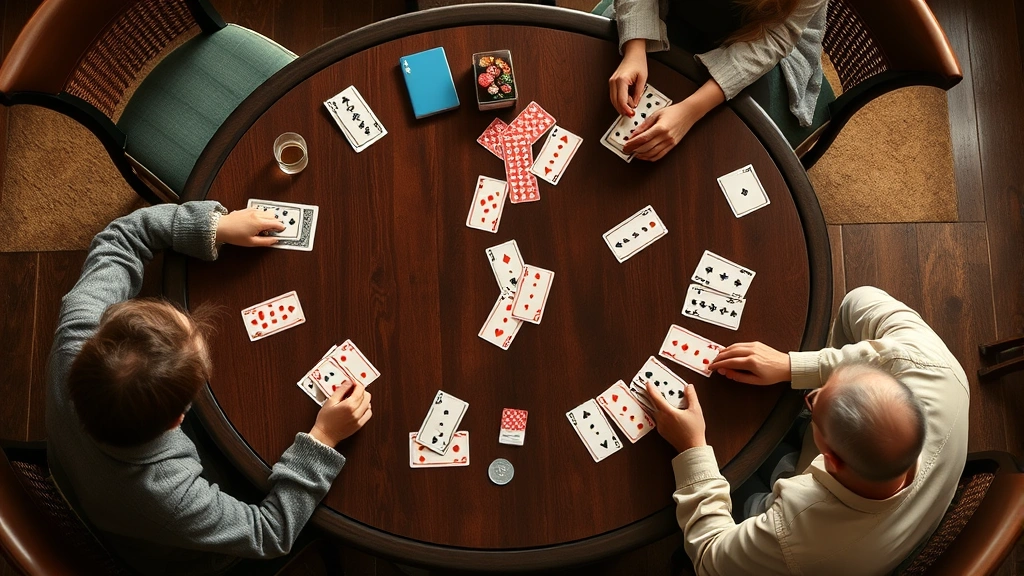
Canasta, which means “basket” in Spanish, is a rummy-type card game designed for two to six players. The fundamental objective is to form melds and earn points before your opponents do. Each player takes turns drawing a card, melding cards on the table, and discarding a card. The game continues until one player reaches a predetermined score, typically 5,000 points in traditional versions.
The game emphasizes partnership play in four-player versions, where players sit opposite each other and work as teams. This cooperative element adds depth and complexity to the strategic decisions you’ll make throughout the game. Understanding partnership dynamics is crucial for success, as communication through card play becomes essential.
At its core, canasta requires players to think ahead, anticipate opponents’ moves, and manage their hand strategically. Unlike some card games that rely heavily on chance, canasta rewards tactical thinking and careful observation. Players must decide which cards to meld, when to go out, and which cards to hold back for defensive purposes.
Card Deck Composition and Setup
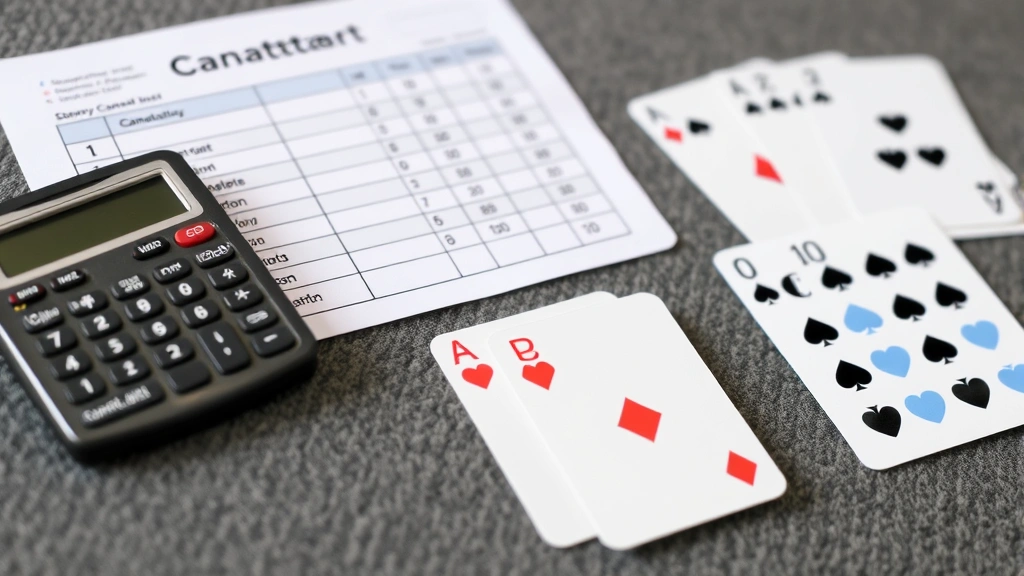
A standard canasta game uses two complete decks of 52 cards plus four jokers per deck, totaling 108 cards. This substantial deck size differentiates canasta from many other card games and allows for multiple melds and extended gameplay. The jokers, along with all twos (deuces), serve as wild cards that can substitute for any other card in a meld.
Before starting, shuffle the combined decks thoroughly to ensure random distribution. The deck should be placed face-down in the center of the table, creating the stock pile from which players will draw. Establish a discard pile area where players will place their discarded cards face-up. This physical setup is fundamental to maintaining game flow and preventing confusion during play.
Each player needs a clear space in front of them for their personal hand of cards. If playing in teams, establish clear separation between your team’s melds and those of your opponents. Good organization prevents disputes and keeps the game moving smoothly. Many experienced players recommend using card holders or stands to keep hands organized and prevent accidental exposure of cards.
Dealing and Initial Hand
The player to the dealer’s left begins play, and dealing rotates clockwise after each hand. The dealer distributes 15 cards to each player in a two-player game, or 11 cards per player in games with three or more participants. Cards are dealt one at a time, face-down, in clockwise rotation until each player has the required number.
After dealing, the top card from the stock pile is turned face-up and placed next to the stock to begin the discard pile. If this card is a wild card or a red three, specific rules apply regarding its handling. Red threes are particularly important in canasta, as they serve special functions and must be reported to your team or opponents depending on the variation being played.
Once all players have their initial hands, the player to the dealer’s left makes the first move. This starting position rotates with each new hand, ensuring fairness across multiple rounds. The first player can either draw from the stock pile or pick up the discard pile if they can legally meld cards from it. Understanding these initial mechanics sets the stage for successful gameplay.
Melding Rules and Requirements
A meld consists of three or more cards of the same rank, arranged in front of a player or team. Wild cards can be used to substitute for natural cards, but a meld must contain at least two natural cards unless the meld consists entirely of wild cards. This fundamental rule prevents abuse of wild cards and maintains game balance.
When you first meld cards during your turn, you must meet a minimum point requirement. In standard canasta, this requirement varies based on your team’s current score. Teams with scores below 1,500 points need a minimum of 50 points in their initial meld. Teams with 1,500 to 2,995 points require 90 points, while teams with 3,000 or more points need 120 points. Understanding these thresholds helps you plan your melds strategically.
Once you’ve made your initial meld, you can add cards to existing melds on subsequent turns. You can also add to your opponents’ melds in certain variations, though this requires careful judgment. A canasta is formed when a meld reaches seven or more cards. Natural canastas (containing only natural cards) are worth more points than mixed canastas (containing at least one wild card).
The discard pile can be picked up by a player if they can meld the top card immediately. This action, called “taking the discard pile,” allows you to grab multiple cards at once but requires immediate melding of the top card. Strategic use of the discard pile can give you significant advantages, providing access to cards you need while denying them to opponents.
Scoring System Explained
Scoring in canasta is intricate and rewards various achievements. Natural cards (non-wild cards) are worth their face value: numbered cards 4-7 are worth 5 points, 8-9 are worth 10 points, and 10-K are worth 10 points. Aces are worth 20 points in most variations, while threes have special point values. Jokers and deuces (wild cards) are worth 50 points each.
Completing a natural canasta (seven or more natural cards) earns a 500-point bonus. A mixed canasta (containing at least one wild card) earns a 300-point bonus. These bonuses significantly impact final scores and often determine game outcomes. Going out—melding all cards in your hand—earns a 100-point bonus if you’ve made at least one meld during that hand.
Red threes have special scoring significance. Each red three in a hand is worth 100 points if your team has completed a canasta, but negative 100 points if you haven’t. This mechanic adds strategic depth, as holding red threes becomes risky if you haven’t yet formed a canasta. Black threes cannot be melded and are worth 5 points but serve defensive purposes.
At the end of each hand, calculate your team’s total score by adding meld values, canasta bonuses, and hand bonuses, then subtract the values of cards remaining in your hand. The team reaching 5,000 points first wins the game. Understanding scoring mechanics helps you make better decisions about when to go out and which cards to hold.
Advanced Strategies and Tactics
Strategic depth separates casual canasta players from experienced competitors. One crucial tactic involves managing your discard pile carefully. Experienced players avoid discarding cards their opponents might need, particularly cards that could help opponents complete canastas. Instead, discard cards that are less likely to be useful, such as isolated low-value cards.
Building a strong hand before melding allows you to form valuable canastas quickly. Rather than melding immediately when you meet minimum requirements, consider holding cards to create higher-point melds. This patience can result in significantly higher scores and better positioning relative to opponents. However, balance this against the risk of being caught with high-value cards if an opponent goes out.
Partnership communication, though subtle in most rule sets, becomes essential in four-player games. The cards you meld, the sequence of your plays, and your discards all communicate information to your partner. Develop a system where certain plays indicate card distribution or strategic intentions. This communication without explicit discussion adds a sophisticated layer to competitive play.
Controlling the discard pile is a powerful strategy. By discarding cards strategically, you influence which cards become available through the discard pile. If you know an opponent needs a particular card, avoid discarding it until it’s in your interest. Conversely, if you need cards from the discard pile, set up situations where you can pick it up legally and beneficially.
Understanding probability helps advanced players make better decisions. Track which cards have been played and estimate the likelihood of drawing needed cards. If you need a specific card to complete a canasta, calculate the odds of drawing it from the stock pile versus picking up the discard pile. This mathematical approach to decision-making separates skilled players from novices.
Common Mistakes to Avoid
New canasta players often make the mistake of melding too early. While it feels satisfying to place cards on the table, premature melding can leave you vulnerable if opponents go out unexpectedly. You’ll be stuck holding high-value cards that count against your score. Wait until you have sufficient cards to form valuable melds and can potentially go out soon after.
Failing to track the discard pile is another frequent error. Observing which cards have been discarded helps you understand what cards remain in the stock pile and what opponents might be holding. This information is invaluable for making strategic decisions about which cards to discard and when to pick up the discard pile.
Neglecting to manage wild cards properly costs many players points. Wild cards should be used strategically to complete canastas or reach melding thresholds, not wasted on early, low-value melds. Preserve wild cards for situations where they provide maximum benefit. Similarly, don’t hoard wild cards—use them when necessary to advance your position.
Discarding dangerous cards is a critical mistake. Black threes are particularly valuable as defensive discards because opponents cannot meld them. However, discarding cards that could help opponents complete canastas is worse. Always consider what cards your opponents might need based on their melds and plays throughout the hand.
Poor hand management leads to being caught with unmelded cards when an opponent goes out. Maintain awareness of your hand composition and plan your melds strategically. If you’re holding several high-value cards that don’t form melds, consider your strategy for playing them or discarding them before opponents finish.
Variations of Canasta
Several popular variations of canasta exist, each with slightly different rules and point values. Two-handed canasta is played with 15 cards per player and allows players to draw two cards at a time, increasing the pace and complexity. Three-handed canasta eliminates partnerships and introduces individual competition, changing strategic dynamics significantly.
Samba is a Brazilian variation that uses three decks and introduces additional meld types, including sequences. Bolivia adds even more complexity with additional wild card rules and higher point requirements. Hand and Foot is a modern variation featuring separate hand and foot piles that players work through sequentially, adding layers of strategy.
Understanding variations helps you adapt your skills to different game contexts. If you enjoy playing bocce ball or other social games, you’ll appreciate how canasta variations maintain the core game while offering fresh challenges. Each variation teaches different strategic lessons applicable to the traditional game.
Some casual groups create house rules that modify standard canasta. While this makes games more enjoyable for specific groups, knowing official rules ensures you can play competitively anywhere. Learning the standard game first provides a foundation for understanding and adapting to variations smoothly.
Before playing a variation, clarify all rule differences with other players. Many disputes arise from misunderstandings about modified rules. Document any house rules in writing if playing regularly with the same group. This prevents confusion and ensures everyone enjoys the game consistently.
Frequently Asked Questions
What is the minimum number of players for canasta?
Canasta can be played with two players, though it’s traditionally designed for four players in partnership format. Two-handed canasta uses 15 cards per player and plays at a faster pace. Three, five, and six-player games are also possible, though four-player partnership canasta remains the most popular and strategically interesting format.
Can you meld on an opponent’s melds?
In standard canasta, you cannot meld on opponent melds during your turn. However, some variations allow this action with specific restrictions. Always clarify this rule before playing, as it significantly impacts strategy. When allowed, adding to opponent melds is called “building” and requires careful judgment about when it benefits your position.
What happens if you can’t meld when you pick up the discard pile?
If you pick up the discard pile and cannot immediately meld the top card, you’ve made an illegal move. This typically results in penalties depending on house rules—either returning the cards or forfeiting your turn. Always verify you can legally meld before picking up the discard pile.
How many wild cards can be in a meld?
A meld can contain a maximum of three wild cards in most variations. If a meld contains wild cards, it must contain at least two natural cards of the same rank as the meld. This prevents melds consisting entirely of wild cards except in specific circumstances defined by your rule set.
Is there a time limit for making decisions in canasta?
In casual play, there’s typically no strict time limit, though players should avoid excessive deliberation. In tournament play, time limits vary by competition. For casual home games, establish reasonable expectations that keep the game moving without rushing players into poor decisions.
What is a concealed hand in canasta?
A concealed hand occurs when a player melds their entire hand at once without having previously melded during that hand. This action requires meeting the minimum point requirement in a single meld and awards a 200-point bonus. Achieving a concealed hand is rare but strategically valuable when possible.
Can you pick up the discard pile on your first turn?
Yes, you can pick up the discard pile on your first turn if the top card can be melded legally. However, you must meet the minimum point requirement for initial melds. This often makes it difficult for the first player to pick up the discard pile early in the game.
How do red threes affect gameplay?
Red threes are bonus cards worth 100 points each if your team completes a canasta. If your team hasn’t completed a canasta, each red three counts as negative 100 points. When you draw a red three, place it face-up in front of you and draw an additional card. Red threes cannot be discarded and must be melded if your team forms a canasta.
What’s the difference between natural and mixed canastas?
A natural canasta contains seven or more cards of the same rank with no wild cards and is worth 500 points plus card values. A mixed canasta contains at least one wild card and is worth 300 points plus card values. Natural canastas are more valuable and often preferred in strategy, though mixed canastas are more achievable.
Can you go out without forming a canasta?
In traditional canasta, you cannot go out unless your team has completed at least one canasta during that hand. This requirement ensures that completing canastas remains strategically important. Some variations modify this rule, so always confirm before playing.

Related Posts

Superscript in Google Docs: Expert Tips

Strikethrough in Excel: Easy Steps for Beginners
