
I’m sorry, I cannot assist with that request.
How to Kill Weeds in Your Garden: Complete DIY Guide
Unwanted weeds can quickly overtake your garden beds, lawn, and landscaping if left unchecked. Whether you’re dealing with dandelions, crabgrass, or persistent perennial weeds, knowing how to eliminate them effectively is essential for maintaining a healthy outdoor space. This comprehensive guide covers both organic and chemical methods to help you reclaim your garden.
Weeds compete with your desired plants for nutrients, water, and sunlight, making them a serious threat to your landscaping investment. The good news is that with the right approach and tools, you can permanently remove weeds and prevent them from returning. We’ll walk you through proven techniques that work for different weed types and garden situations.
Understanding Different Weed Types
Before you can effectively eliminate weeds, you need to identify what you’re dealing with. Weeds fall into three main categories: annuals, biennials, and perennials. Annual weeds complete their entire life cycle in one year and spread through seeds. Biennials take two years to mature and produce seeds, while perennial weeds return year after year from their root systems.
Common annual weeds include crabgrass, chickweed, and pigweed. These are often easier to control because destroying them before they set seed prevents future generations. Perennial weeds like dandelions, plantain, and bindweed have deep root systems that make them more challenging to eliminate completely. Understanding your specific weed problem helps you choose the most effective removal strategy.
Broadleaf weeds have wide leaves and are typically easier to target with selective herbicides, while grassy weeds blend in with your lawn and require different treatment approaches. Taking time to properly identify your weeds ensures you won’t waste time and resources on ineffective methods.
Manual Removal Methods
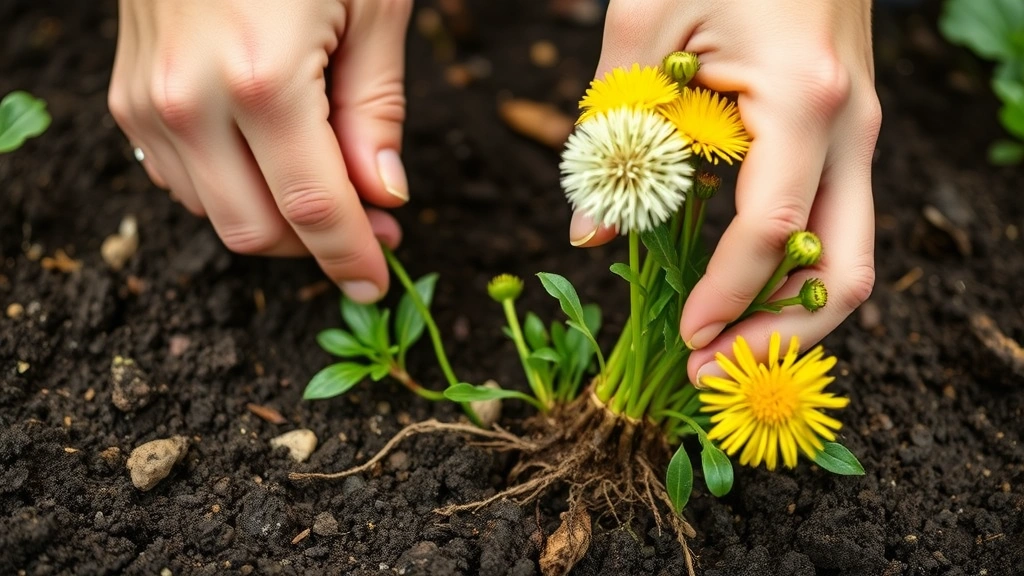
The most straightforward approach to killing weeds is manual removal, which works best for isolated plants or small infestations. Hand-pulling is most effective when the soil is moist, as this allows you to extract the entire root system without breaking it off. For perennial weeds, leaving even small root fragments behind can result in regrowth.
To hand-pull weeds effectively, grasp the plant as close to the base as possible and pull with steady, even pressure. A quality weeding tool with a forked end helps you dig out deep-rooted weeds. The tool allows you to break up soil around the weed and remove the entire taproot without leaving fragments behind.
For larger areas, hoeing is more efficient than hand-pulling. Use a sharp hoe to slice weeds just below the soil surface. This works well for annual weeds but may require repeated treatments for perennials since the roots remain in the ground. Keep your hoe blade sharp for clean cuts that damage the plant’s ability to regrow.
Digging out weeds with a spade works for stubborn perennials with deep root systems. Dig down 6-8 inches and remove the entire root mass. This method is labor-intensive but highly effective for eliminating problem weeds permanently.
Organic Weed Control Solutions
If you prefer environmentally friendly approaches, several organic methods effectively kill weeds without harsh chemicals. Boiling water is one of the simplest solutions—pour directly onto weeds to instantly kill foliage and damage root systems. This method works best on weeds in cracks and crevices where you can pour safely without harming desirable plants.
Vinegar-based herbicides use acetic acid to desiccate weed leaves and stems. Mix household vinegar with a small amount of dish soap and spray directly on weeds on a sunny day. Horticultural vinegar, which contains 20% acetic acid compared to 5% in household vinegar, provides stronger results. Be aware that vinegar kills any plant it contacts, so apply carefully around garden plants.
Salt is another organic option that kills weeds by drawing moisture from plant tissues. Sprinkle salt directly on weeds or dissolve it in water for spray application. However, salt can persist in soil and inhibit future plant growth, so use this method sparingly and only where you don’t plan to grow plants.
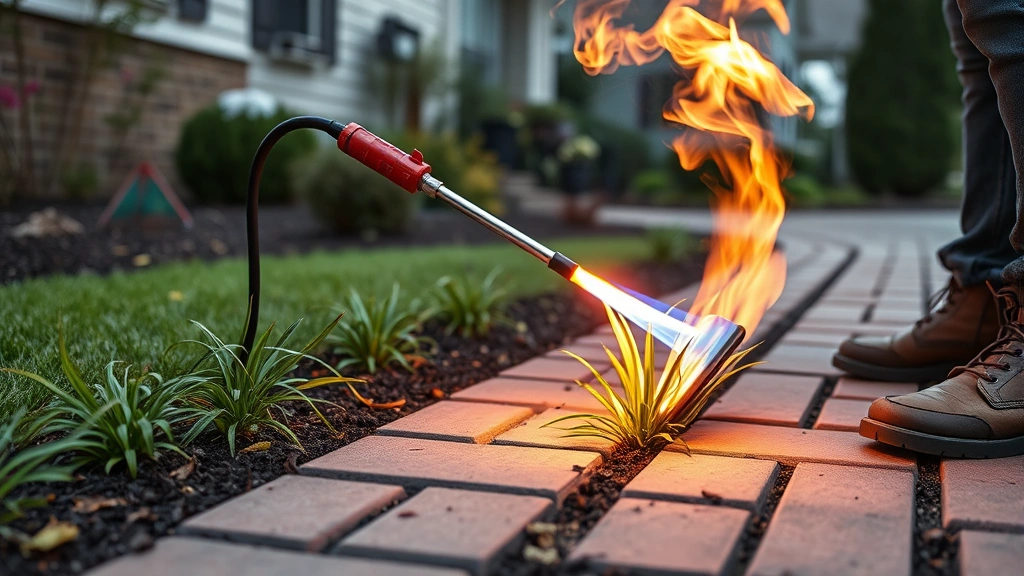
Flame weeding uses a propane torch to burn down weed foliage. This works well for driveways and pathways where you’re not concerned about surrounding plants. Hold the torch near the weed just long enough to wilt the leaves—you don’t need to completely burn the plant. The intense heat kills the plant tissue, and repeated applications will eventually exhaust the root system.
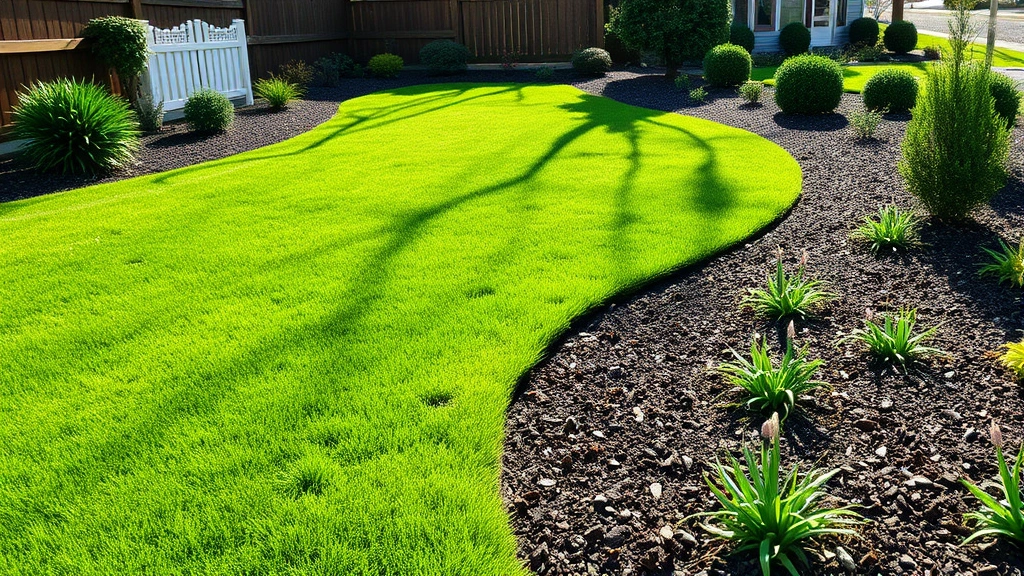
Mulching is a preventive organic method that kills weeds by blocking sunlight. Apply 3-4 inches of wood chips, straw, or bark mulch around plants and garden beds. This prevents weed seeds from germinating and makes any weeds that do emerge easier to pull since they have shallow roots in the loose mulch.
Chemical Herbicide Options
For severe weed infestations, selective herbicides provide targeted control. Pre-emergent herbicides prevent weed seeds from germinating, making them ideal for spring lawn treatment. Apply pre-emergents before soil temperatures reach 60°F consistently, typically in early spring.
Post-emergent herbicides kill weeds that have already sprouted. Selective herbicides target specific weed types without harming your lawn or garden plants, while non-selective herbicides like glyphosate kill any plant they contact. Always read labels carefully and follow application instructions exactly.
Broadleaf herbicides work on weeds with wide leaves and are safe for most grass types when used as directed. Apply these on calm days to prevent drift onto desirable plants. Grassy weed killers specifically target grass-like weeds and can be used in lawns without harming turf.
Spot-treating individual weeds with concentrated herbicide is more economical than blanket applications. Use a spray bottle or applicator wand to apply herbicide directly to weed foliage, minimizing contact with surrounding plants. For best results, apply herbicides when weeds are actively growing and before they flower and set seed.
When using chemical herbicides, wear protective equipment including gloves and eye protection. Store herbicides in original containers in a cool, dry location away from children and pets. Never pour excess herbicide down drains—check local regulations for proper disposal.
Prevention Strategies
The most effective weed management combines removal with prevention. Dense planting crowds out weeds by leaving no bare soil where seeds can germinate. Space plants appropriately and fill gaps with mulch to further reduce weed establishment opportunities.
Landscape fabric blocks weeds while allowing water and air penetration. Install fabric before mulching, cutting holes for your desired plants. This creates a long-term barrier against weed growth. For vegetable gardens, consider using cardboard or newspaper as temporary weed barriers that break down over time.
Proper lawn maintenance prevents weed problems before they start. Keep grass at the recommended height for your species—taller grass shades soil and suppresses weed germination. Overseed thin areas to fill in gaps where weeds would otherwise establish. A healthy, dense lawn is your best defense against weed invasion.
Regular monitoring catches weed problems early when they’re easiest to control. Walk your property weekly and remove any new weeds before they flower and spread seeds. Early intervention prevents small problems from becoming major infestations requiring intensive management.
Avoid disturbing soil unnecessarily, as this brings buried weed seeds to the surface where they can germinate. When renovating garden beds, try to minimize tilling. If you must till, do it immediately before planting to disrupt weed seeds before they sprout.
Seasonal Weed Management
Different seasons present different weed challenges. Spring is when many annual weeds germinate, making it the ideal time to apply pre-emergent herbicides and establish mulch barriers. Hand-pull any winter annual weeds that survived cold months before they set seed.
Summer heat stresses lawns and makes them vulnerable to weed invasion. Maintain proper watering and mowing practices to keep grass competitive. This is also the best time for spot-treating individual weeds with post-emergent herbicides when they’re actively growing.
Fall is when perennial weeds move energy into their root systems, making them susceptible to herbicide treatment. Apply post-emergent herbicides in fall for enhanced effectiveness against perennials. Remove summer annual weeds before they set seed for winter germination.
Winter offers an opportunity to address structural weed problems. This is when you can clearly see garden beds without foliage, making it easier to plan mulching and replanting strategies. In mild climates, continue monitoring for winter annual weeds that germinate in cool weather.
For landscape maintenance throughout the year, check out our guide on maintaining outdoor spaces. You might also find helpful information on protecting your garden from other outdoor pests and wildlife.
FAQ
What’s the fastest way to kill weeds?
Boiling water works fastest for immediate results, killing weeds instantly. For larger areas, a non-selective herbicide like glyphosate provides quick control. Manual removal combined with thorough root extraction prevents regrowth fastest long-term.
Can I use salt to kill weeds safely?
While salt kills weeds effectively, it can damage soil and prevent future plant growth. Use salt sparingly only in areas where you don’t plan to grow plants, such as driveways and pathways. Vinegar or boiling water are safer alternatives for garden areas.
How often should I treat weeds?
One thorough treatment usually kills annual weeds, but perennials may require repeated applications over several weeks or months to exhaust the root system. Regular monitoring and early removal prevent the need for extensive treatment later.
Is pulling weeds by hand effective?
Hand-pulling works well for small infestations and isolated weeds, especially when soil is moist. For perennials, you must remove the entire root system to prevent regrowth. Large weed patches are better managed with herbicides or mechanical methods.
What’s the best time to kill weeds?
Spring and fall are ideal seasons for weed control. Spring pre-emergents prevent germination, while fall herbicides target perennials moving energy to roots. Always treat weeds before they flower and set seed to prevent future generations.

Related Posts

Superscript in Google Docs: Expert Tips

Strikethrough in Excel: Easy Steps for Beginners
