
Grow Potatoes Fast? Expert Tips & Timeline
How Long Do Potatoes Take to Grow? Expert Tips for Faster Harvests
Growing potatoes is one of the most rewarding gardening projects you can undertake, whether you’re a seasoned farmer or a backyard gardener just starting out. The timeline for potato growth is a common question among DIY gardeners, and the answer depends on several factors including variety, climate, soil conditions, and growing methods. Most potato varieties reach harvest maturity between 70 to 120 days after planting, but with the right techniques and expert strategies, you can optimize your growing season and maximize your yield.
Understanding the potato growth cycle is essential for planning your garden and knowing when to expect your harvest. From the moment you plant seed potatoes until you dig up those golden tubers, there’s a fascinating biological process happening underground. This comprehensive guide will walk you through everything you need to know about potato growing timelines, acceleration techniques, and proven methods to get faster results from your garden investment.
Typical Potato Growing Timeline
The standard potato growing timeline spans approximately 70 to 120 days from planting to harvest, depending on the variety you select. Early varieties typically mature in 60 to 80 days, while mid-season potatoes require 80 to 100 days, and late-season varieties can take 100 to 120 days or longer. Understanding this timeline helps you plan successive plantings throughout the growing season to ensure a continuous harvest.
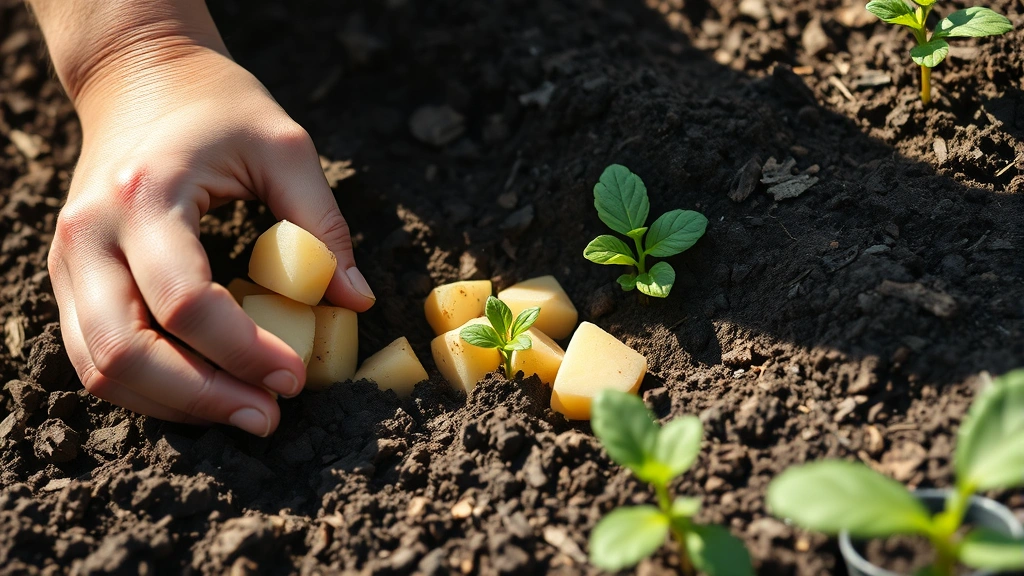
When you plant seed potatoes, they first need time to sprout and establish roots—this germination phase typically lasts 2 to 3 weeks. During this period, the potato piece is breaking down and sending out shoots that will eventually become the above-ground plant. The underground tubers are also beginning to form during this critical early stage. Once the sprouts emerge and the plant reaches about 6 inches tall, the tuber development phase accelerates significantly.
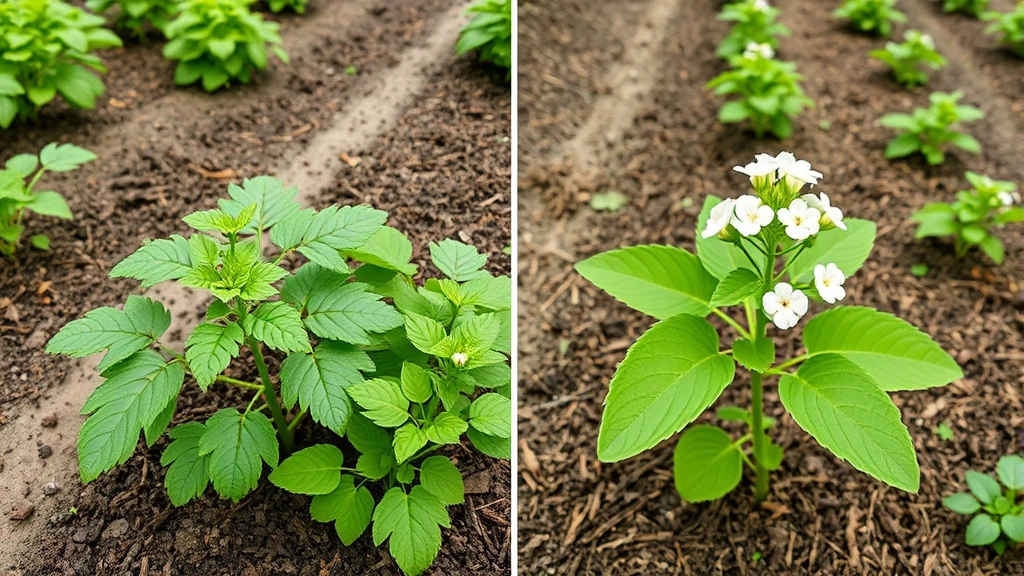
The middle phase of growth, from weeks 4 through 8, is when the potato plant focuses on vegetative growth and rapid tuber expansion. The leaves and stems grow vigorously, which supports the development of underground potatoes. This is when you’ll notice the most dramatic changes in your garden, with plants becoming bushier and more substantial. During this period, proper care—including watering, fertilizing, and pest management—is crucial for maximizing growth.
The final phase, weeks 8 through 12 and beyond, is when tubers reach their maximum size and starch content increases. The plant’s energy shifts from creating new growth to filling out the existing potatoes. As the plant begins to yellow and die back, it’s signaling that the potatoes have finished developing and are ready for harvest. Visit the FixWise Hub Blog for more gardening insights and techniques.
Factors That Affect Growth Speed
Several interconnected factors influence how quickly your potatoes will grow and reach harvest maturity. Temperature is perhaps the most critical factor—potatoes thrive in cool-season conditions with soil temperatures between 45°F and 75°F. When soil temperatures drop below 45°F, growth nearly stops. Conversely, temperatures above 80°F can stress plants and reduce tuber development, making spring and fall the ideal growing seasons in most climates.
Soil quality dramatically impacts potato growth speed and yield. Potatoes prefer loose, well-draining soil rich in organic matter with a pH between 5.0 and 7.0. Compacted or heavy clay soils slow growth and increase the risk of disease. Adding compost, aged manure, or other organic amendments before planting creates an ideal growing medium that supports rapid root development and tuber expansion. Sandy loam soil provides the best balance of drainage and nutrient retention.
Moisture availability is another crucial factor. Potatoes require consistent moisture throughout the growing season—approximately 1 to 2 inches of water per week through rainfall or irrigation. Inconsistent watering leads to stress, disease, and slower growth. However, waterlogged soil can cause rot and reduce oxygen availability to roots, so proper drainage is equally important. Mulching around plants helps retain soil moisture and maintain consistent conditions.
Nutrient availability directly affects growth rate and tuber development. Potatoes are heavy feeders that require adequate nitrogen for vegetative growth, phosphorus for root development, and potassium for tuber formation and disease resistance. Deficiencies in any of these macronutrients will slow growth and reduce yields. Soil testing before planting helps you understand your baseline nutrient levels and determine appropriate fertilization strategies.
Sunlight exposure influences photosynthesis efficiency and overall plant vigor. Potatoes need at least 6 to 8 hours of direct sunlight daily for optimal growth. Plants grown in partial shade will develop more slowly and produce smaller tubers. Ensuring proper spacing between plants also prevents competition for light and nutrients, which can slow individual plant development.
Choosing Fast-Growing Potato Varieties
Selecting the right potato variety is one of the most effective ways to accelerate your harvest timeline. Early-maturing varieties like Yukon Gold, Red Norland, and Irish Cobbler can reach harvest maturity in just 60 to 75 days, making them ideal for gardeners seeking quick results. These varieties are specifically bred for rapid development and are excellent choices for spring planting or succession plantings throughout the season.
Yukon Gold potatoes are prized for their buttery flavor and quick maturation. They typically produce medium-sized, golden-fleshed potatoes within 70 to 80 days. This variety performs well in most climates and soil types, making it a reliable choice for beginners and experienced gardeners alike. The plants are vigorous growers that quickly establish strong root systems and begin tuber development early in the season.
Red Norland potatoes are another excellent early variety, maturing in 60 to 75 days. These small to medium red potatoes are ideal for boiling and have a waxy texture that holds up well during cooking. They’re cold-tolerant and can be planted earlier in spring than many other varieties, giving you a head start on the growing season.
Irish Cobbler is a classic early variety that matures in 70 to 80 days and produces round, cream-colored potatoes with shallow eyes. This variety is known for its reliable performance and good yields, even in less-than-ideal conditions. It’s an excellent choice for gardeners in cooler climates who want to maximize their growing window.
Mid-season varieties like Kennebec and Katahdin mature in 80 to 100 days and offer a good balance between growth speed and yield. These varieties typically produce larger potatoes and are excellent for storage. Late-season varieties like Russet Burbank take 110 to 120 days but produce the largest yields and store longest.
Soil Preparation for Faster Growth
Proper soil preparation is the foundation for faster potato growth and higher yields. Begin by testing your soil 2 to 3 months before planting to determine pH, nutrient levels, and soil texture. Most universities offer affordable soil testing through their agricultural extension services. This information guides your amendment strategy and ensures you’re starting with optimal growing conditions.
Incorporate 2 to 4 inches of well-aged compost or composted manure into the top 8 to 10 inches of soil before planting. This organic matter improves soil structure, increases water retention in sandy soils, improves drainage in clay soils, and provides slow-release nutrients throughout the growing season. Avoid fresh manure, which can introduce pathogens and nitrogen burn issues.
If your soil is acidic (pH below 6.0), apply agricultural lime 2 to 3 months before planting to raise the pH. If it’s too alkaline (pH above 7.0), incorporate sulfur or acidifying fertilizers. Potatoes prefer slightly acidic to neutral soil, and proper pH ensures nutrient availability and reduces disease susceptibility.
Create raised beds or mounds to improve drainage and warm the soil faster in spring. Potatoes grow exceptionally well in raised beds because you have complete control over soil quality and can easily add amendments. Raised beds also warm up faster in spring, allowing earlier planting and faster initial growth. Fill beds with a mixture of compost, aged manure, and topsoil for optimal results.
Add a balanced organic fertilizer or specific potato fertilizer to the planting row before setting seed potatoes. Products containing NPK ratios like 5-10-10 or 6-10-10 provide essential nutrients without excessive nitrogen, which promotes leafy growth at the expense of tuber development. Organic gardeners can use bone meal for phosphorus and potassium-rich wood ash or kelp meal.
Watering and Fertilization Strategies
Consistent, deep watering is critical for rapid potato growth. Potatoes need approximately 1 to 2 inches of water per week, either from rainfall or irrigation. Water deeply but less frequently rather than light daily watering—this encourages deep root development and stronger plants. Drip irrigation or soaker hoses deliver water directly to the soil, reducing disease risk and water waste compared to overhead sprinklers.
The best time to water is early morning, allowing foliage to dry quickly and reducing fungal disease risk. Avoid watering in the evening, which leaves plants wet overnight and creates ideal conditions for late blight and other moisture-loving pathogens. Mulch plants with 2 to 3 inches of straw or shredded leaves to retain soil moisture and maintain consistent soil temperature.
Implement a fertilization schedule that matches the potato’s growth stages. At planting, apply a balanced fertilizer or slow-release organic product to the planting row. Four weeks after planting, when plants are 6 to 8 inches tall, apply a side-dressing of nitrogen-rich fertilizer to support vigorous vegetative growth. This Old House offers extensive gardening resources for additional growing techniques.
Six weeks after planting, shift to a lower-nitrogen, higher-potassium fertilizer to encourage tuber development rather than continued leafy growth. Products labeled for potato or root crop fertilization are ideal at this stage. Foliar feeding with diluted liquid fertilizer every 2 to 3 weeks provides quick nutrient boosts that can accelerate growth and improve plant vigor.
Organic gardeners can use fish emulsion, seaweed extract, or compost tea for foliar feeding. These products deliver readily available nutrients and beneficial microbes that enhance plant health and growth. Apply foliar feeds in the early morning or late afternoon when stomata are open and plants can absorb nutrients efficiently.
Temperature Control Techniques
Temperature management is one of the most powerful tools for accelerating potato growth. Potatoes grow fastest when soil temperatures are between 60°F and 70°F. Soil temperatures below 45°F essentially stop growth, while temperatures above 80°F reduce tuber development and increase disease susceptibility. In spring, you can warm soil faster by planting in raised beds, which heat up earlier than in-ground gardens.
Black landscape fabric or plastic mulch laid over beds before planting warms soil 5 to 10 degrees Fahrenheit faster in spring. This simple technique allows you to plant 1 to 2 weeks earlier and gives plants a head start. Once plants emerge and warm weather arrives, replace the plastic mulch with organic straw or leaves to keep soil cool and retain moisture.
In hot climates, afternoon shade cloth (30 to 50% density) helps keep soil temperatures in the optimal range during summer plantings. This allows you to grow potatoes during seasons when temperatures would otherwise be too warm. Remove shade cloth once temperatures moderate in late summer or fall.
Timing your planting is crucial for temperature optimization. In cool climates, plant as soon as soil is workable in spring, typically when daytime temperatures are consistently above 45°F. In warmer regions, plant in late winter for a spring harvest, then plant again in mid-summer for a fall harvest when temperatures cool. This two-crop approach maximizes your annual production.
Monitor soil temperature with a simple soil thermometer. Planting when soil temperature is at least 45°F, ideally 50°F or higher, ensures good seed potato germination and rapid early growth. This simple monitoring step prevents the frustration of planting too early and having seed potatoes rot in cold, wet soil.
Early Harvesting Methods
If you’re eager for early potatoes, you don’t need to wait for full plant maturity. Family Handyman provides detailed guides on garden techniques including early potato harvesting. Begin harvesting “new potatoes” when the plant first flowers, typically 50 to 60 days after planting. These small, tender potatoes are delicious and can be harvested without digging up the entire plant.
To harvest new potatoes, carefully dig around the base of the plant and feel for small tubers. Remove only what you need, leaving the plant undisturbed to continue developing larger potatoes. This method gives you fresh potatoes weeks earlier than waiting for full maturity, while the plant continues growing and producing.
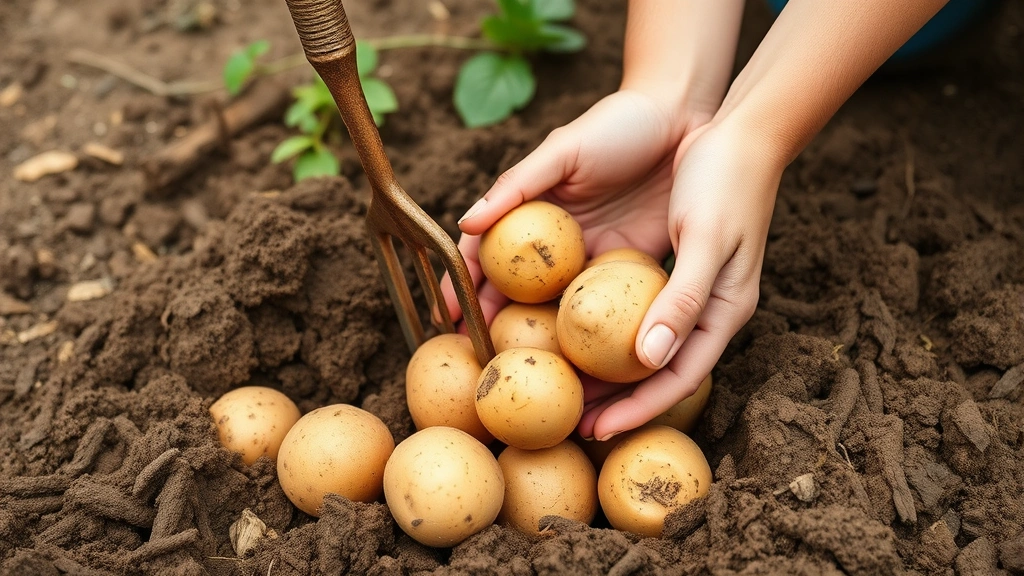
For a full early harvest, dig potatoes as soon as the plant flowers and begins to fade. Early-variety potatoes will be fully mature at this point, even if the plant hasn’t completely died back. Gentle digging with a garden fork, starting several inches away from the plant stem, prevents bruising and damage to the developing potatoes.
Cure harvested potatoes before storage by placing them in a cool (50°F to 60°F), dark, well-ventilated space for 1 to 2 weeks. This hardens the skin and extends storage life. After curing, store potatoes in cool (35°F to 40°F), dark conditions for maximum longevity.
Common Growth Problems and Solutions
Late blight is the most serious potato disease, causing rapid plant decline and tuber rot. This fungal disease thrives in cool, wet conditions and can devastate entire crops. Prevent late blight by choosing resistant varieties, ensuring good air circulation, avoiding overhead watering, and removing infected leaves immediately. Lowe’s carries fungicides and disease management products for serious infestations.
Early blight causes brown spots on lower leaves and progresses upward. Remove infected leaves promptly and improve air circulation. Mulching prevents soil from splashing onto leaves, which spreads the disease. Copper-based fungicides provide organic control when needed.
Potato scab, caused by a soil-dwelling bacterium, creates rough, corky lesions on tuber surfaces. While cosmetic rather than serious, scab reduces quality. Prevent scab by maintaining soil pH between 5.0 and 5.9, avoiding fresh manure, and choosing resistant varieties. Consistent soil moisture also reduces scab severity.
Nutrient deficiencies slow growth and reduce yields. Nitrogen deficiency causes yellowing leaves and stunted growth. Phosphorus deficiency creates purple-tinged foliage. Potassium deficiency causes mottled, yellowing leaf margins. Soil testing and appropriate fertilization prevent these issues and maintain optimal growth rates.
Pest pressure, particularly Colorado potato beetles and aphids, can significantly slow plant growth by defoliating leaves. Hand-pick beetles and crush egg clusters when populations are small. Organic insecticides containing spinosad or neem oil provide control when hand-picking isn’t practical. Home Depot offers comprehensive pest management solutions for garden problems.
Inadequate watering causes stress, cracking, and hollow heart in tubers. Waterlogged conditions cause rot and disease. Maintain consistent soil moisture by checking soil 2 inches deep—it should feel moist but not soggy. Adjust watering frequency based on rainfall, temperature, and soil type.
FAQ
What’s the fastest potato variety to grow?
Early-maturing varieties like Yukon Gold, Red Norland, and Irish Cobbler mature in 60 to 75 days, making them the fastest options. These varieties are specifically bred for rapid development and reliable performance across various climates.
Can I grow potatoes in containers for faster results?
Yes, container growing can accelerate potato production. Containers warm up faster than garden soil, allowing earlier planting. Use containers at least 12 inches deep with quality potting soil. Container-grown potatoes often mature slightly faster due to warmer conditions and controlled growing environment.
How do I know when potatoes are ready to harvest?
Potatoes are ready when the plant flowers and begins to die back. Dig a test hill carefully—if tubers are larger than a golf ball, they’re ready to harvest. Early varieties mature 60 to 75 days after planting, while late varieties need 110 to 120 days.
Does fertilizer really speed up potato growth?
Yes, appropriate fertilization significantly impacts growth speed. Nitrogen promotes early vegetative growth, while potassium and phosphorus support tuber development. A balanced approach with proper timing of different fertilizer types accelerates overall growth and increases yields.
Can I plant potatoes closer together to grow them faster?
Closer spacing doesn’t speed individual potato growth but reduces overall yield. Standard spacing of 12 inches apart allows adequate light, air circulation, and nutrient access. Proper spacing actually supports faster, healthier growth for each plant.
What soil temperature is ideal for potato growth?
Potatoes grow fastest with soil temperatures between 60°F and 70°F. Growth essentially stops below 45°F and slows above 80°F. Monitoring soil temperature and planting at the optimal time maximizes growth speed and yield.

Related Posts

Superscript in Google Docs: Expert Tips

Strikethrough in Excel: Easy Steps for Beginners
