
Can You Make Holy Water? Expert Insights
Can You Make Holy Water? Expert Insights on Religious Practices and Spiritual Traditions
Holy water holds profound significance across numerous religious traditions, serving as a symbol of purification, blessing, and spiritual protection. Whether you’re exploring this practice for personal faith, cultural understanding, or genuine curiosity, understanding how holy water is created reveals fascinating intersections between ritual, tradition, and spiritual intention. This comprehensive guide explores the methods, theological foundations, and practical considerations for creating holy water according to various religious traditions.
The question “can you make holy water?” opens doors to deeper conversations about faith, intention, and the power of ritual in spiritual practice. While the process itself is straightforward, the spiritual dimensions are complex and meaningful to millions of believers worldwide. We’ll examine both the practical steps and the sacred considerations that make this practice significant.
Understanding Holy Water Across Religions
Holy water represents one of humanity’s oldest spiritual practices, transcending cultural and geographical boundaries. Across Christianity, Judaism, Islam, Buddhism, and Hindu traditions, water holds sacred significance as a purifying agent and conduit for divine blessing. The concept of sanctified water appears in archaeological records dating back thousands of years, suggesting that humans have long recognized water’s spiritual potential.
In Catholic tradition, holy water serves as a sacramental—a sacred sign instituted by the Church to produce spiritual effects through the intercession of the Church. It’s commonly used for blessings, protection, and as a reminder of baptismal vows. Orthodox Christians view holy water similarly but with distinct theological emphases, particularly during Epiphany celebrations. Other Christian denominations approach holy water differently, with some emphasizing its symbolic rather than sacramental nature.
The fundamental principle underlying holy water across traditions is the belief that water can be consecrated through prayer and intention. This consecration doesn’t change water’s physical properties but is understood to infuse it with spiritual significance and divine grace. Understanding this distinction between physical and spiritual transformation is crucial when exploring how to make holy water.
Catholic Holy Water Preparation
The Catholic Church has established specific guidelines for preparing holy water, detailed in the Roman Ritual. The traditional method involves blessing salt separately before combining it with water, though salt is optional in modern practice. Authorized priests or deacons typically perform this blessing, though lay persons can prepare blessed water in emergency situations.
The standard Catholic process begins with obtaining pure, clean water. Tap water, spring water, or distilled water all serve acceptable purposes. The water should be at room temperature and stored in a clean vessel. While there’s no strict requirement for specific water types, many prefer spring or natural water, believing it better represents purity and the natural world’s connection to the divine.
Salt preparation traditionally precedes water blessing in Catholic practice. The priest blesses the salt using specific prayers from the Roman Ritual, invoking divine protection and purification. Salt historically symbolized preservation and protection, making it a meaningful addition to blessed water. However, modern Catholic practice permits blessed water without salt, simplifying the process while maintaining spiritual significance.
The blessing itself involves recitation of specific prayers asking for God’s blessing upon the water. The priest makes the sign of the cross over the water, invoking the Trinity while requesting that the water serve as a means of spiritual protection and purification. This ritual action, combined with the priest’s authorized standing within the Church, is understood to consecrate the water according to Catholic theology.
For lay persons preparing emergency holy water, the process simplifies considerably. In urgent situations—such as during serious illness or danger—any baptized Catholic can bless water by making the sign of the cross and invoking the Trinity with genuine intention. This provision acknowledges water’s inherent connection to baptism and allows spiritual protection during emergencies.
Orthodox Christian Methods
Orthodox Christianity approaches holy water blessing with particular reverence, especially during the Feast of Epiphany (January 6th), when the blessing of waters celebrates Christ’s baptism. The Orthodox tradition emphasizes the Holy Spirit’s role in consecrating water, viewing the blessing as invoking divine presence and power.
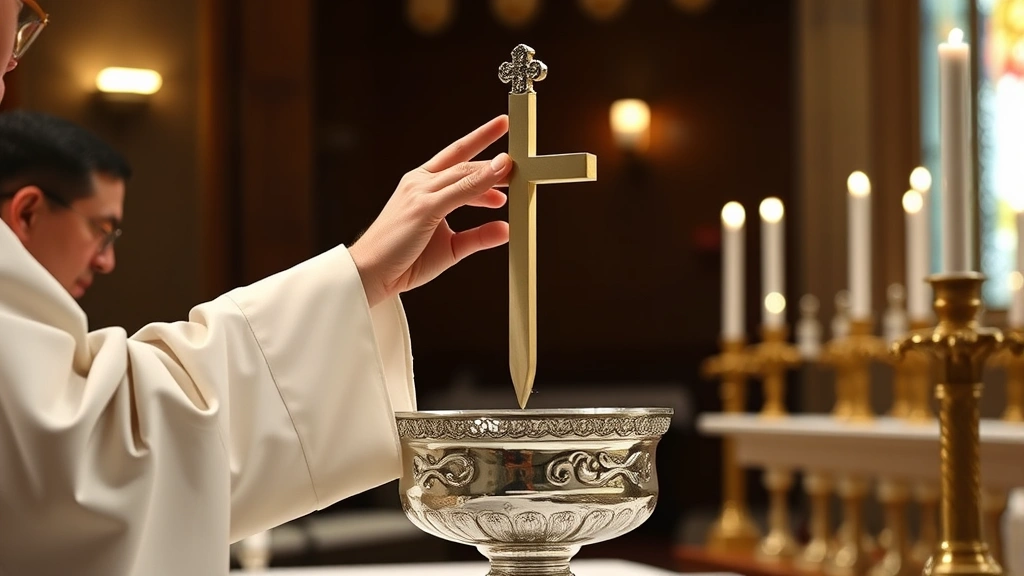
Orthodox priests perform the great blessing of water using elaborate liturgical prayers and actions. The process typically involves immersing a cross into water while reciting specific prayers, symbolizing Christ’s redemptive work and the sanctifying power of the Holy Spirit. This immersion represents transformation and renewal, connecting contemporary practice to ancient baptismal traditions.
The Orthodox tradition recognizes both great blessing (major liturgical blessing) and small blessing (simpler priestly blessing) of water. The great blessing occurs during major feasts and follows extensive liturgical preparation, while the small blessing serves everyday spiritual needs. Both methods require priestly authority and specific prayers from Orthodox liturgical tradition.
Orthodox believers traditionally use blessed water for home blessings, anointing the sick, and spiritual protection. The water is often distributed to faithful members following liturgical blessing, allowing families to maintain blessed water at home. Storage in clean vessels and respectful handling reflect the water’s sacred status within Orthodox practice.
Other Religious Traditions
Beyond Christianity, numerous religious traditions employ blessed or sacred water in spiritual practice. Islamic tradition includes wudu (ritual ablution), where believers use water for purification before prayer. While not technically “blessed” in the Christian sense, this water serves sacred purification purposes and is treated with appropriate respect.
Judaism employs mikvah water—water used in ritual baths for purification—which must meet specific requirements regarding source, volume, and preparation. The mikvah serves crucial functions in Jewish law and practice, particularly for women’s ritual purity and conversion ceremonies. Preparation involves ensuring water comes from natural sources and meets halakhic (Jewish legal) standards.
Hindu and Buddhist traditions use water in various purification rituals and ceremonies. Sacred rivers like the Ganges hold special spiritual significance, and water drawn from these sources is considered inherently blessed. Many practitioners prepare blessed water through prayer and ritual action, similar to Christian practices, acknowledging water’s purifying and spiritually transformative properties.
Indigenous spiritual traditions worldwide recognize water’s sacred nature, often blessing water through ceremonies, prayers, and rituals specific to their cultural contexts. These practices demonstrate the universal human recognition of water’s spiritual significance and its role in purification and blessing across diverse belief systems.
Step-by-Step Instructions for Making Holy Water
If you’re interested in creating holy water following Catholic or Christian traditions, here’s a practical guide:
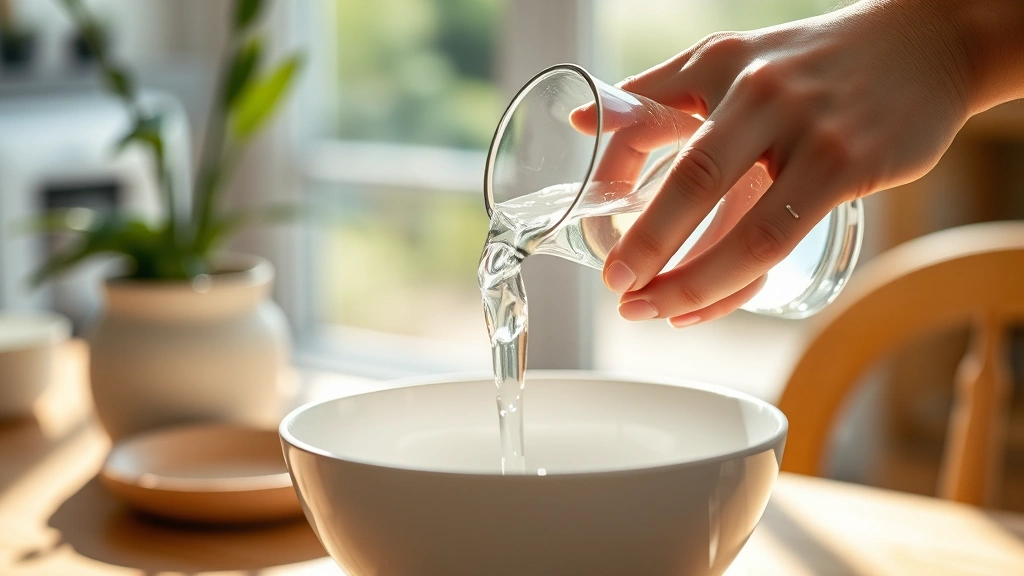
- Gather Clean Water: Begin with pure, clean water from any reliable source. Tap water, spring water, or distilled water all work effectively. Fill a clean glass or ceramic vessel, avoiding plastic when possible, as many prefer natural materials for sacred water storage.
- Prepare Your Space: Choose a quiet, clean location where you can focus on your spiritual intention. Many people prefer creating holy water in a dedicated prayer space or before a religious image or altar.
- Center Your Intention: Take moments for quiet reflection, focusing your mind on your spiritual purpose and connection to the divine. This mental and spiritual preparation is essential to the process, regardless of religious tradition.
- Recite Blessing Prayers: If following Catholic tradition, recite the traditional blessing prayer while making the sign of the cross over the water. If practicing another tradition, use prayers and invocations appropriate to your faith.
- Invoke Divine Blessing: Speak your blessing aloud, asking for spiritual protection, purification, and divine grace. The specific words matter less than sincere intention and connection to your faith tradition.
- Transfer to Storage Vessel: Carefully transfer blessed water to a clean container designated specifically for holy water. Many prefer glass vessels with secure lids to maintain the water’s sacred status.
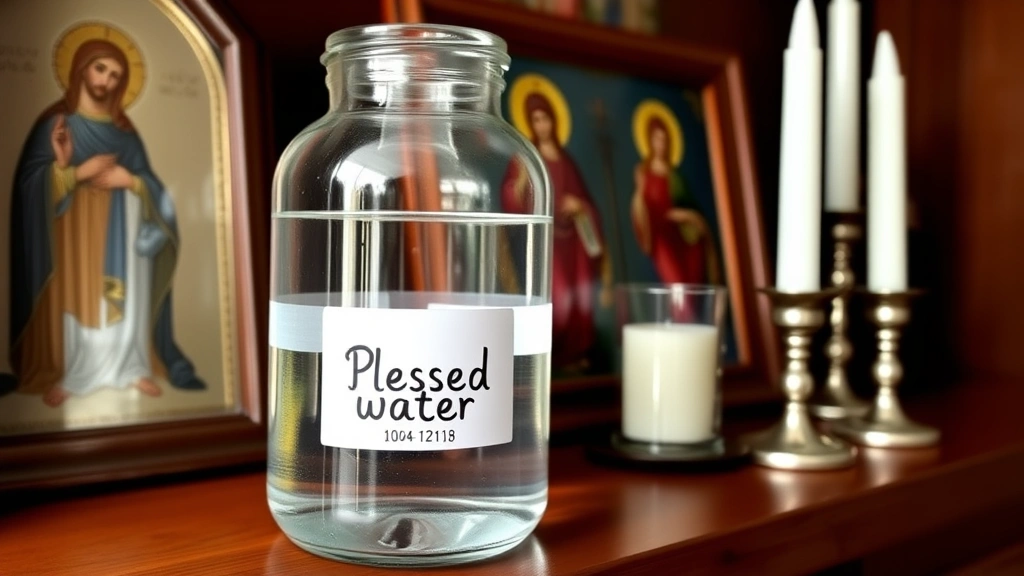
- Label and Date: Mark your container clearly as “Holy Water” and include the date of blessing. This practice helps maintain the water’s identity and ensures you use it appropriately.
For those desiring priest-blessed holy water, contact your local parish or religious institution. Most churches maintain supplies of blessed water available to parishioners, eliminating the need for home preparation while ensuring proper ecclesiastical blessing.
Storage and Preservation
Proper storage maintains holy water’s integrity and ensures its continued use over time. Store blessed water in clean, sealed glass containers away from direct sunlight and extreme temperature fluctuations. Many recommend keeping holy water in cool, dark locations similar to how you’d store other precious liquids and substances.
Glass containers work best for long-term storage, as they don’t leach chemicals or affect the water’s properties. Ceramic vessels also serve well, while plastic containers are less ideal despite their convenience. Ensure containers have tight-fitting lids to prevent contamination and evaporation.
Most religious traditions recommend replacing blessed water periodically—typically monthly or seasonally—to maintain freshness and ensure spiritual vitality. Some believers prefer changing water more frequently, particularly if they notice cloudiness, discoloration, or contamination. Regular replacement reflects respect for the water’s sacred status.
Store holy water in accessible locations where you can easily use it for blessings, anointing, or spiritual protection. Many households maintain small containers in bedrooms, living areas, or prayer spaces. Some keep blessed water near doors and windows, using it to bless entrances and create spiritual protection for the home.
If blessed water becomes contaminated—through dust, debris, or accidental spillage—respectfully dispose of it by pouring it onto soil or into a garden rather than down a drain. Many believe this practice honors the water’s sacred nature while returning it to the natural world. Replace contaminated water with freshly blessed water prepared using the methods outlined above.
Common Questions About Making Holy Water
Many people wonder whether holy water can expire or lose its blessing. While water itself doesn’t expire chemically, religious traditions suggest that blessed water maintains its spiritual significance for extended periods when properly stored. Regular replacement ensures freshness and demonstrates ongoing spiritual commitment.
Another common question concerns whether non-clergy can bless water. Catholic teaching permits lay persons to bless water in emergency situations, though formal blessing typically requires priestly authority. Other traditions have varying guidelines—some permit any faithful believer to bless water, while others reserve this function for authorized religious leaders.
People often ask about the appropriate uses for holy water. Traditionally, blessed water serves for blessings (making the sign of the cross on foreheads), anointing the sick, spiritual protection, home blessings, and as reminders of baptismal commitment. Uses vary across traditions, so consulting your specific faith’s teachings provides guidance.
Some wonder if blessed water requires special handling or precautions. While holy water shouldn’t be consumed casually or wasted disrespectfully, it’s not dangerous or toxic in any physical sense. Respectful handling reflects spiritual reverence rather than physical necessity—treat blessed water with the same care you’d offer any sacred object in your tradition.
Questions arise about whether holy water works scientifically. Blessed water’s effects are understood as spiritual rather than chemical or physical. Scientific analysis would show blessed water and regular water are chemically identical, which doesn’t diminish its spiritual significance or effectiveness within faith frameworks. This distinction between physical and spiritual dimensions is essential to understanding holy water’s role in religious practice.
Many ask if they can make holy water at home without clergy involvement. Yes—most traditions permit home blessing of water, particularly for personal spiritual use. However, many believers prefer obtaining blessed water from authorized religious sources, believing this ensures proper ecclesiastical blessing and spiritual validity.
FAQ
Can I make holy water at home?
Yes, you can prepare blessed water at home following your faith tradition’s guidelines. While many prefer obtaining blessed water from clergy or religious institutions, personal preparation with sincere spiritual intention is acceptable in most Christian traditions. Follow the step-by-step instructions provided above, focusing on clear intention and appropriate prayers for your faith.
What type of water should I use?
Any clean water serves acceptable purposes—tap water, spring water, or distilled water all work. Many prefer spring or natural water, believing it better represents purity, though this is largely a matter of personal preference and spiritual tradition. Ensure your chosen water source is clean and free from obvious contamination.
Does holy water expire?
Blessed water doesn’t expire chemically, but religious traditions recommend periodic replacement to maintain freshness and demonstrate ongoing spiritual commitment. Many believers refresh their blessed water monthly or seasonally. If water becomes cloudy, discolored, or contaminated, replace it promptly with freshly blessed water.
Can I use blessed water for healing?
Holy water is understood to support spiritual healing and protection rather than replace medical treatment. Some traditions use blessed water for anointing the sick as part of spiritual care. Always consult medical professionals for health concerns while incorporating blessed water into your spiritual practice alongside conventional medical care.
What prayers should I use when blessing water?
Use prayers specific to your faith tradition. Catholic tradition employs prayers from the Roman Ritual, while Orthodox Christianity uses liturgical prayers invoking the Holy Spirit. If you’re unsure of specific prayers, contact your local religious institution for guidance, or simply invoke the Trinity with sincere intention and request divine blessing.
Where should I store blessed water?
Store blessed water in clean glass containers with tight-fitting lids, kept in cool, dark locations away from direct sunlight and extreme temperatures. Many households maintain blessed water in bedrooms, prayer spaces, or near home entrances. Avoid plastic containers when possible, as glass better preserves the water’s sacred status.
Is blessed water safe to drink?
Blessed water is safe to drink if prepared from clean water sources. However, many traditions reserve blessed water for external blessings and anointing rather than consumption. If you choose to drink blessed water, ensure it comes from safe, clean water sources and hasn’t been contaminated during storage or blessing.
Can I make holy water without religious training?
Yes, most traditions permit faithful believers to prepare blessed water without formal religious training. Sincere spiritual intention, appropriate prayers, and respectful practice constitute the essential elements. However, many prefer obtaining blessed water from clergy or established religious sources for formal ecclesiastical blessing and spiritual authority.

Related Posts

Superscript in Google Docs: Expert Tips

Strikethrough in Excel: Easy Steps for Beginners
