
Perfect Hamburger Patties? Chef Tips Inside!
How to Make Perfect Hamburger Patties: Chef Tips Inside!
Making delicious hamburger patties at home is easier than you might think, but the difference between a mediocre burger and an exceptional one comes down to technique, ingredient quality, and attention to detail. Whether you’re grilling for a backyard barbecue, hosting a family dinner, or simply craving a restaurant-quality burger, mastering the art of patty formation will elevate your cooking game significantly. This comprehensive guide walks you through every step of the process, from selecting the right meat to achieving that perfect sear and juicy interior.
The secret to perfect hamburger patties isn’t complicated—it involves understanding how to handle meat properly, maintaining the right temperature, and avoiding common mistakes that most home cooks make. Professional chefs know that rushing the process or overworking the meat leads to tough, dense patties that lose their moisture during cooking. By following the expert tips in this guide, you’ll create hamburger patties that rival those from your favorite burger joint, impressing family and friends with your newfound culinary skills.
Choosing the Right Meat
The foundation of a perfect hamburger patty starts with selecting quality ground beef. The fat-to-lean ratio is absolutely critical—most chefs recommend using ground beef with an 80/20 or 75/25 ratio (80% lean to 20% fat, or 75% lean to 25% fat). This balance provides enough fat to keep the patties moist and flavorful while preventing them from becoming greasy. Ground chuck is an excellent choice because it naturally contains this ideal ratio and offers rich beef flavor that pure lean ground beef cannot match.
When purchasing ground beef, look for meat that’s bright red in color, which indicates freshness. Avoid meat that appears brown or gray, as this suggests oxidation and age. If possible, ask your butcher to grind the meat fresh for you—this ensures optimal texture and flavor compared to pre-packaged options that may have been sitting in the case for days. For the best results, purchase your meat the day you plan to make your patties, keeping it refrigerated until you’re ready to work with it.
Consider grinding your own beef at home if you have a food processor or meat grinder. Using quality cuts of beef that you grind yourself gives you complete control over the fat content and texture. Chuck roast is perfect for this purpose, offering the ideal combination of meat and marbling for exceptional patties. The effort of grinding your own meat pays dividends in flavor and quality that store-bought ground beef simply cannot match.
Essential Equipment and Ingredients
Before you begin forming patties, gather all necessary equipment to streamline your process. You’ll need a large mixing bowl, a food scale for accurate portioning, and either your hands or a burger press for shaping. Many chefs prefer using their hands because it gives better control and prevents overworking the meat, but a burger press can help create uniform patties quickly. A meat thermometer is essential for monitoring internal temperature during cooking, ensuring you achieve the perfect doneness level.
Beyond equipment, keep these ingredients on hand: ground beef (obviously), salt, freshly ground black pepper, and optionally, Worcestershire sauce or other flavor enhancers. Some chefs add a small amount of cold water or ice to the meat mixture to maintain moisture, though this is debatable among professionals. Butter for basting during cooking and high-heat cooking oil are also important. For toppings and accompaniments, have fresh lettuce, tomatoes, onions, pickles, cheese, and your favorite condiments ready.
Temperature control is crucial when making hamburger patties. Ensure your ground beef is cold—ideally at 32-35°F—before you begin forming patties. Cold meat is easier to work with and holds together better. Many professional chefs even chill their mixing bowl and utensils beforehand. If your kitchen is warm, work quickly and consider placing your formed patties on a cold plate before cooking. Having everything prepared and organized before you start working with the meat prevents unnecessary handling and keeps the meat at optimal temperature.
Step-by-Step Patty Formation
Now that you have your ingredients and equipment ready, it’s time to form perfect patties. Start by dividing your ground beef into equal portions. For standard burgers, aim for 5-6 ounces per patty, which creates a quarter-pound burger. Weigh each portion on your food scale rather than guessing—this ensures consistency across all patties and helps predict cooking time accurately.
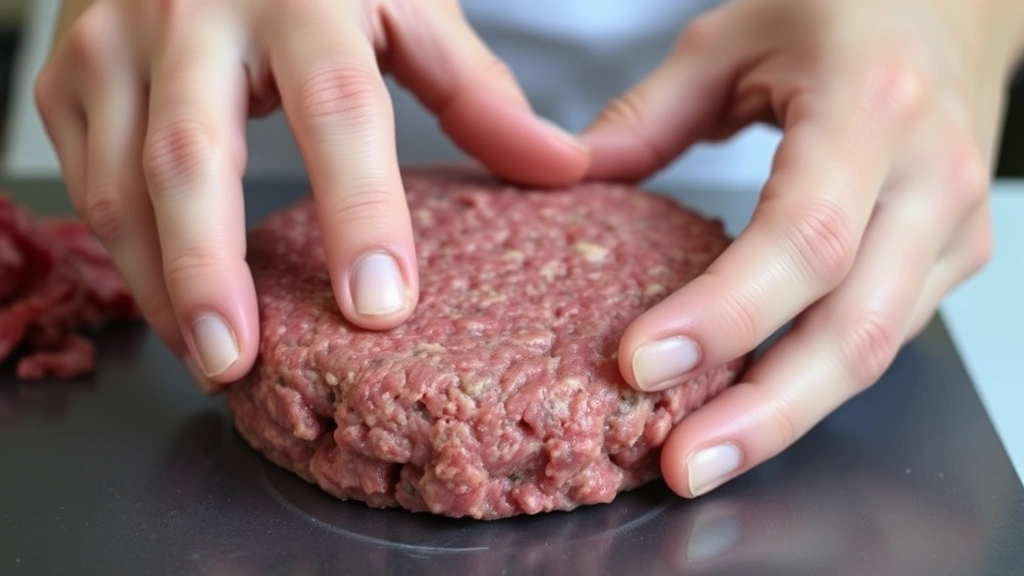
Gently form each portion into a ball, handling the meat as little as possible. This is where patience becomes your greatest asset. Overworking the meat creates a dense, tough texture because you’re breaking down the protein structure and compacting the meat. Use the lightest touch possible, letting gravity and minimal pressure do the work. Once you have a ball, gently flatten it into a patty shape about three-quarters of an inch thick.
Create a slight depression in the center of each patty using your thumb. This indentation prevents the burger from puffing up during cooking, which happens because the meat shrinks from the edges inward. The depression helps the patty cook evenly and maintains a more uniform thickness. Make this indent about half an inch deep and slightly larger than your thumb, as it will fill in somewhat during cooking.
For extra-special patties, consider making smashed burgers. This technique involves placing a thin portion of meat (about 2 ounces) on a hot griddle and immediately pressing it flat with a spatula. This creates maximum surface area for browning and develops incredible crust and flavor. Smashed burgers cook faster and develop a unique texture that many burger enthusiasts prefer. Experiment with both styles to discover your preference.
Seasoning Techniques
Seasoning is where many home cooks go wrong, either underseasoning their patties or adding seasonings too early. The best approach is to season your patties immediately before cooking. Salt and fresh cracked black pepper are all you need for a classic burger. Add these seasonings generously just before the patties hit the heat—this prevents the salt from drawing out moisture prematurely and breaking down the meat structure.
Some chefs prefer seasoning their ground beef mixture before forming patties. If you choose this method, mix the meat very gently after adding salt and pepper, being careful not to overwork it. Mix just until the seasonings are evenly distributed. This approach can create more uniform flavor throughout the patty, though it requires even more careful handling to avoid compacting the meat.
For enhanced flavor, consider adding Worcestershire sauce to your meat mixture—about half a teaspoon per pound of beef. You can also incorporate minced garlic, onion powder, or smoked paprika for additional depth. However, less is more when adding flavor enhancers. These additions should complement the beef flavor, not overpower it. Always taste a small sample cooked in a skillet before committing all your patties to the grill, ensuring you like the flavor profile.
Cooking Methods and Temperature Control
Hamburger patties can be cooked using several methods: grilling, pan-searing, or broiling. Each technique produces slightly different results. Grilling over high heat creates beautiful grill marks and a smoky flavor, while pan-searing in a cast-iron skillet develops an excellent crust through the Maillard reaction. Broiling is a quicker method but provides less crust development than other techniques.
Regardless of your cooking method, maintain a high temperature—around 400-450°F for grilling or a hot cast-iron skillet for pan-searing. Preheat your cooking surface thoroughly before placing patties on it. This high heat creates a flavorful crust while the interior remains juicy. Place your cold patties directly on the hot surface without moving them for about 3-4 minutes. This undisturbed cooking time allows the Maillard reaction to occur, creating that desirable crust and flavor.
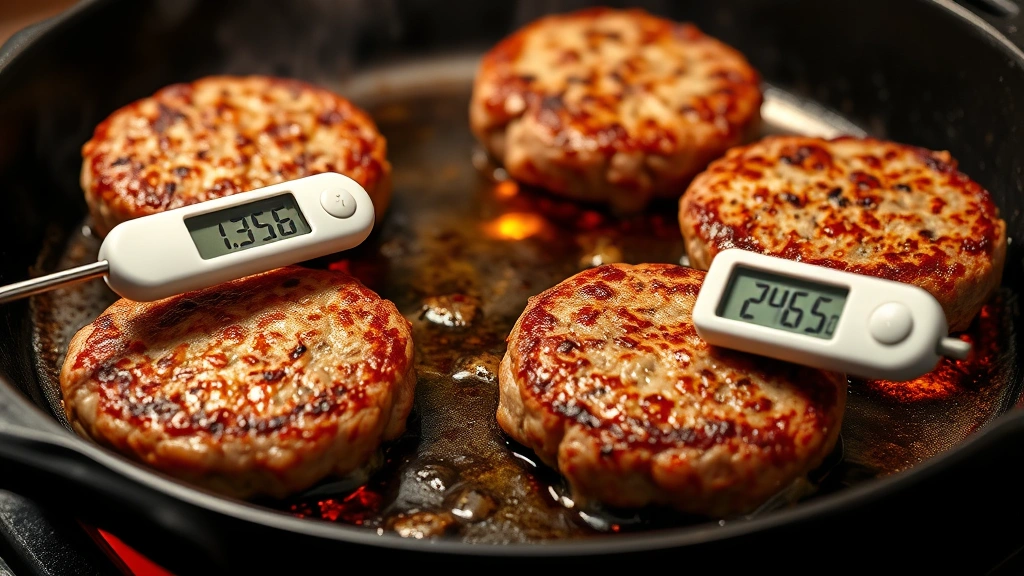
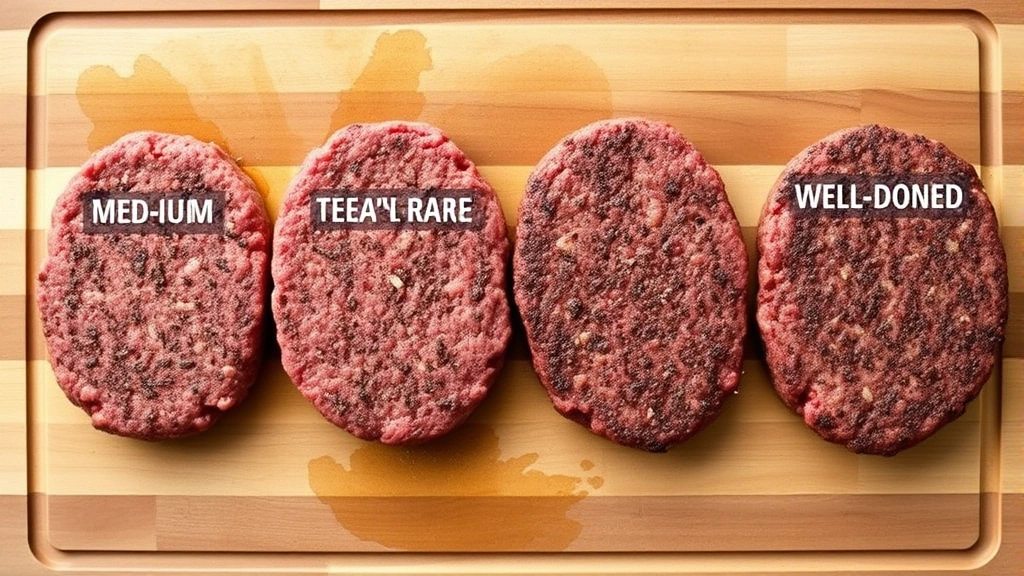
Flip your patties only once during cooking. Resist the urge to press down on them with your spatula—this squeezes out precious juices and creates dry patties. After flipping, cook for another 3-4 minutes for medium doneness. Use your meat thermometer to verify doneness: 160°F for well-done, 155°F for medium, and 145°F for medium-rare. Remember that carryover cooking will raise the temperature another 3-5 degrees after you remove the patties from heat.
For cheese burgers, add your cheese slice during the final minute of cooking on the heat, allowing residual warmth to melt it slightly. Alternatively, tent your cooked patties with foil and place them in a warm oven for 1-2 minutes to melt the cheese. This gentle method prevents overcooking the meat while achieving perfect cheese melting.
Common Mistakes to Avoid
Understanding what NOT to do is just as important as knowing the right techniques. The most common mistake is overworking the meat when forming patties. Mixing too much, handling excessively, or pressing too hard creates dense, tough burgers that lack the desirable texture. Remember: less handling equals better results. Treat your meat gently and form patties quickly.
Another frequent error involves seasoning too early. Salt draws moisture from the meat when added more than a few minutes before cooking. While some moisture loss is natural during cooking, premature salting accelerates this process. Season immediately before cooking for optimal juiciness. Similarly, don’t add binding ingredients like breadcrumbs or eggs—these are unnecessary when you’re using quality ground beef with appropriate fat content.
Cooking at insufficient temperature is a critical mistake. Low or medium heat prevents proper crust formation and often results in gray, boiled-looking meat. High heat creates the flavorful crust that distinguishes excellent burgers from mediocre ones. Ensure your cooking surface is thoroughly preheated before patties touch it.
Pressing down on patties during cooking squeezes out moisture and creates dry results. Your spatula is for flipping only, not for pressing. Some cooks also make the mistake of cooking patties from frozen without thawing them first. Frozen patties cook unevenly—the exterior may be overcooked while the interior remains cold. Always thaw patties in the refrigerator before cooking for best results.
Finally, avoid cooking past medium doneness unless you have a specific reason. Ground beef loses moisture rapidly as it cooks beyond medium, resulting in dry patties. If you prefer well-done burgers, add a small amount of fat to your meat mixture (ask your butcher for an 85/15 ratio) to compensate for moisture loss during thorough cooking.
Advanced Tips from Professional Chefs
Professional burger chefs employ several advanced techniques that elevate their patties to restaurant quality. One popular method involves adding a small amount of beurre manié (butter mixed with flour) to the meat mixture. This addition keeps patties exceptionally moist during cooking. Use about one tablespoon of this mixture per pound of beef, incorporating it very gently to avoid overworking the meat.
Another professional technique involves creating a butter pocket inside each patty. Form a small indent in the center of a patty, place a small square of cold butter inside, then top with more meat and seal it. As the patty cooks, the butter melts internally, keeping the meat incredibly juicy and adding richness. This technique requires practice but produces spectacular results that impress guests.
Some chefs prefer using a food processor to grind their beef to a specific texture. Pulsing the meat briefly creates a different texture than grinding alone, allowing you to customize the final result. Experiment with pulse duration to find your preferred texture—a few short pulses create a coarser grind, while longer processing creates a finer texture that holds together better.
Professional burger shops often use aged beef or beef that’s been hanging for several days. This process, called dry-aging, concentrates flavors and improves texture. While impractical for most home cooks, you can achieve similar results by purchasing beef from specialty butchers who dry-age their stock. Ask your butcher about aged beef options available for grinding.
Temperature precision is another hallmark of professional burger making. Use an instant-read meat thermometer to achieve exact doneness levels consistently. This tool removes guesswork and ensures every patty reaches the desired temperature. Record your cook times at your preferred temperature and cooking method, creating a personal guide for future burger sessions.
Consider investing in a quality burger press if you frequently make patties. Brands like Family Handyman recommend several high-quality options that create uniform patties quickly. A good burger press saves time while ensuring consistency, which is especially valuable when cooking for large groups.
Don’t overlook the importance of quality toppings and condiments. Fresh vegetables, quality cheeses, and house-made condiments elevate your burger experience significantly. Just as you’re careful with your patties, apply the same attention to every component of your finished burger. Fresh, quality ingredients throughout create a cohesive dining experience.
Frequently Asked Questions
Can I make hamburger patties ahead of time?
Yes, you can form patties up to 24 hours in advance. Place them on a plate, cover with plastic wrap, and refrigerate. The cold storage allows flavors to meld and keeps the meat at optimal temperature for cooking. Alternatively, freeze formed patties on a baking sheet for 2-3 hours, then transfer to freezer bags for longer storage. Thaw frozen patties in the refrigerator before cooking.
What’s the best way to make uniform patties?
Use a food scale to portion equal amounts of meat—this is the most accurate method. A burger press also helps create uniformly sized and shaped patties quickly. If using your hands, practice forming patties of consistent size and thickness until you develop a feel for the right amount of meat.
Should I oil the grill or pan before cooking patties?
If using a well-seasoned cast-iron skillet, minimal oil is needed. For grills, lightly oil the grates to prevent sticking. High-quality ground beef with adequate fat content shouldn’t require additional oil, though a light coating prevents sticking without adding excess grease.
How do I know when patties are done cooking?
Use a meat thermometer for accuracy: 145°F for medium-rare, 160°F for well-done. You can also use the touch method—a patty cooked to medium-rare feels similar to the fleshy area at the base of your thumb when your fingers are relaxed. With practice, you’ll develop intuition for doneness levels.
Can I add fillings inside my patties?
Absolutely! Cheese, bacon, mushrooms, or caramelized onions can be placed inside patties before cooking. Form a thin bottom patty, add your filling, top with another thin patty, and seal the edges carefully. These stuffed patties create surprising flavor combinations that delight burger enthusiasts.
What’s the difference between smashed and hand-formed patties?
Smashed burgers are thin and cooked quickly on a hot griddle, developing maximum crust and flavor. Hand-formed patties are thicker and cook slower, retaining more internal moisture. Both styles have merit—smashed burgers offer superior crust, while thicker patties provide juicier interiors.
Is it okay to use lean ground beef?
While possible, lean beef creates drier patties because it lacks sufficient fat for moisture retention. If using lean beef (90/10 ratio), add moisture by incorporating a small amount of cold water, broth, or the beurre manié technique mentioned earlier. Standard 80/20 ground beef remains the best choice for most home cooks.
Making perfect hamburger patties combines proper technique, quality ingredients, and attention to detail. By following these professional tips and avoiding common mistakes, you’ll create burgers that satisfy even the most discerning palates. Whether you’re grilling on a high-quality grill or pan-searing in your kitchen, these principles apply universally. Start practicing these methods today, and soon you’ll develop the intuition and skill that separates average burgers from exceptional ones. Your family and friends will appreciate the difference that proper technique makes, and you’ll enjoy the satisfaction of creating restaurant-quality meals at home.

Related Posts

Superscript in Google Docs: Expert Tips

Strikethrough in Excel: Easy Steps for Beginners
