
Find Clay in Stardew Valley: Beginner’s Tips
How to Get Clay in Stardew Valley: Beginner’s Tips
Clay is one of the most essential crafting materials in Stardew Valley, yet many new players struggle to find it efficiently. Whether you’re building farm structures, crafting bundles for the community center, or working on home decorations, understanding where and how to collect clay will accelerate your farm’s development significantly. This guide walks you through every method to obtain clay, from simple digging techniques to optimized farming strategies that experienced players use.
Getting clay early in your Stardew Valley journey can feel like a treasure hunt, but once you know the mechanics, you’ll never run short of this valuable resource. Unlike some materials that require specific tools or conditions, clay is relatively accessible—you just need to know where to look and what to do when you find it. We’ll explore all the viable methods, their pros and cons, and how to maximize your clay collection to support your farm goals.
Understanding Clay and Its Uses
Before diving into collection methods, it’s important to understand why clay matters and how it fits into your overall farm strategy. Clay serves multiple purposes in Stardew Valley, making it a versatile resource that you’ll need consistently throughout your gameplay. Similar to how you’d organize and maintain valuable items, managing your clay inventory requires foresight and planning.
Clay is primarily used for crafting silos, which are essential structures for storing hay from your grass. Without silos, all your harvested grass disappears at the end of each season—a devastating loss for players raising animals. Additionally, clay is required for various other crafting recipes that unlock as you progress through the game. The community center bundles also require clay in specific quantities, making early collection particularly important for players pursuing the community center completion route.
You’ll typically need clay for:
- Silo construction (requires 10 clay per silo)
- Community center bundles (various quantities depending on bundle type)
- Crafting recipes that unlock throughout your farm progression
- Decorative items for farm customization

Primary Method: Digging in Mud
The most straightforward and reliable way to obtain clay is by digging in muddy tiles throughout Stardew Valley. This method doesn’t require any special tools beyond your basic hoe or pickaxe, and it’s available from the very beginning of the game. Understanding the mechanics of mud digging will significantly increase your clay collection efficiency.
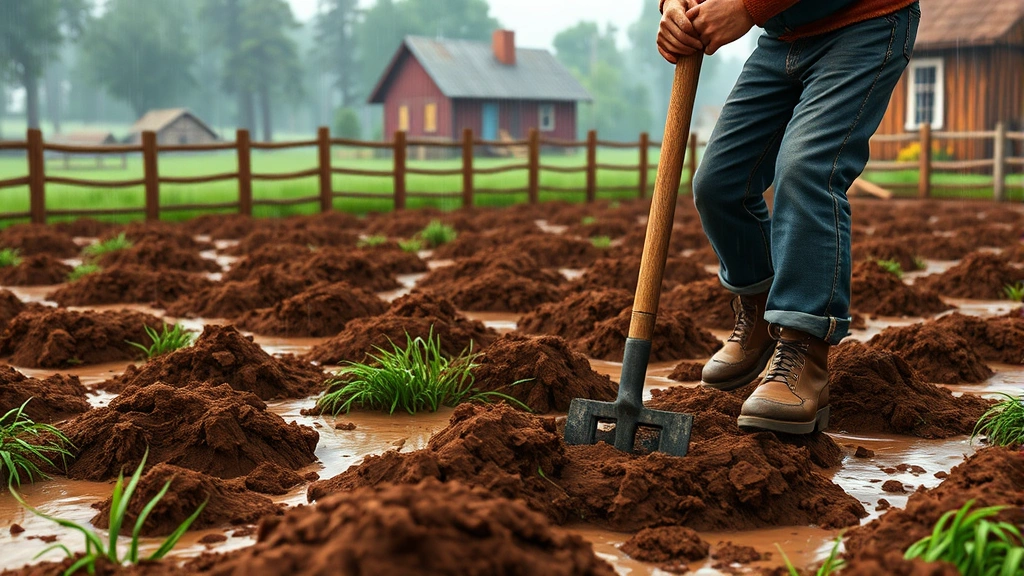
Muddy tiles appear in specific locations and under particular conditions. After it rains or you use a sprinkler system, certain ground tiles become muddy—these are your prime targets for clay collection. The mud appears as a darker, wetter-looking patch on the ground, distinctly different from regular tilled soil. When you see these muddy spots, you can use your hoe to dig them up and collect clay along with other items like stone and ore.
The best locations for mud digging include:
- Your own farm after rainfall
- The beach area, which frequently has mud patches
- The forest areas surrounding your farm
- The mountain region, particularly in spring and fall
Each muddy tile you dig has a chance to drop clay, usually alongside other common materials. The quantity varies—you might get 1-3 clay per successful dig. This means spending an afternoon systematically checking mud patches can yield substantial clay amounts. Many experienced players dedicate specific days to clay collection runs, especially early in the game when clay is most critical.
To maximize mud digging efficiency, focus your efforts after rainy days when mud is most abundant. Mark mental notes of areas that frequently become muddy and check them regularly. The beach, in particular, is a reliable source since it often has moisture-related mechanics that create mud patches even without direct rainfall.
Mining and Quarry Locations
Beyond surface-level mud digging, clay can also be obtained through mining activities in Stardew Valley. The mines and quarry present alternative collection methods that complement your regular farming activities. If you’re already heading into the mines for other resources, you might as well collect clay while you’re there.
The quarry is particularly useful because it’s unlocked relatively early in the game. Once you repair the bridge in the mountains (which requires 300 wood), you gain access to the quarry. This area is rich with resources, including clay that can be collected from breaking rocks and digging muddy patches. The quarry respawns resources daily, making it an excellent daily stop for clay and other materials.
The mines themselves contain clay, though it’s less common than in surface locations. As you descend deeper into the mines, you’ll occasionally find clay among other ore drops. The primary advantage of mining for clay is that you’re accomplishing multiple goals simultaneously—gathering ore, gems, and clay all in one trip. This efficiency is valuable when you’re managing multiple farm projects.
Mining strategy for clay collection involves:
- Prioritizing the quarry daily for consistent clay yields
- Breaking all rocks in mining areas, not just those you expect to contain ore
- Checking muddy patches in the mines when they appear
- Combining clay collection with your regular mining schedule
Beach and Water Areas
The beach is one of the most underrated clay collection locations in Stardew Valley. Many players overlook this area, but it contains numerous muddy patches and provides a relaxing alternative to repeated mining trips. The beach’s unique characteristics make it particularly suitable for clay farming during specific seasons.
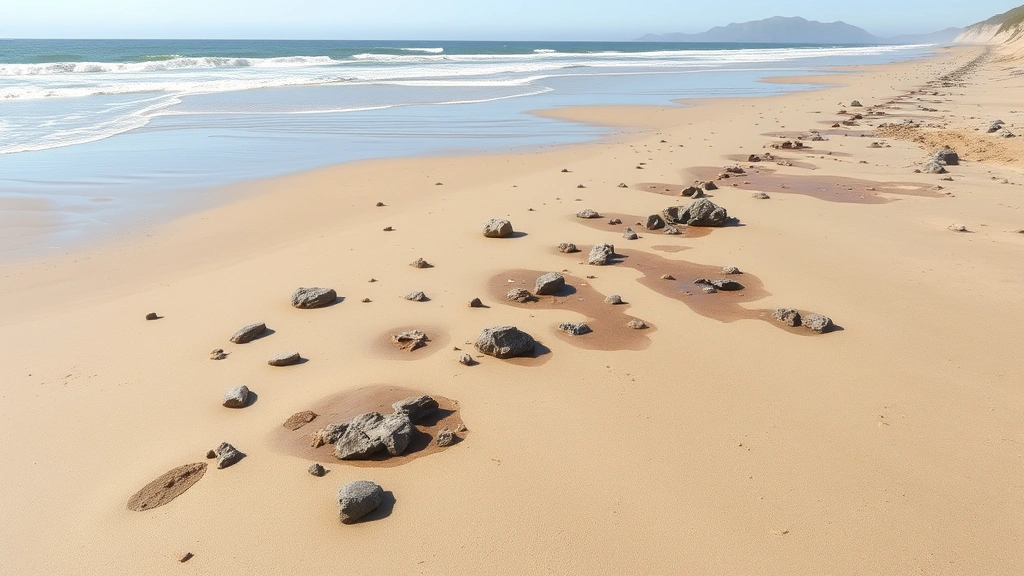
Beach mud appears more frequently than in other locations, especially after rainfall or due to tidal mechanics. The exposed beach area near the water often contains multiple muddy tiles that refresh regularly. Spending time at the beach for clay collection can also provide opportunities to collect other beach-exclusive items and resources, making it an efficient use of your in-game time.
The beach advantages include:
- Higher concentration of muddy tiles compared to other areas
- Beautiful scenery that makes farming feel less repetitive
- Access to beach-exclusive items while collecting clay
- Consistent availability throughout most seasons
- Less competition from other activities compared to mountain areas
Some players establish a routine of visiting the beach daily during their first season specifically to stockpile clay. This early investment in clay collection pays dividends later when you need to construct multiple silos or complete community center bundles. The beach is particularly productive in spring when rainfall is frequent and mud patches are abundant.
Optimizing Your Clay Collection
Efficient clay collection requires strategic planning and understanding game mechanics. Rather than randomly searching for clay when you need it, successful players develop systematic collection routines that ensure steady supplies. This proactive approach prevents frustration when you suddenly need clay for an urgent project.
Creating a daily collection routine involves designating specific times and locations for clay farming. Many experienced players dedicate two to three days per week to focused clay collection, particularly early in the game. This schedule ensures you accumulate sufficient reserves without spending excessive time on repetitive tasks. Just as you’d develop systematic approaches to household tasks, establishing farming routines increases productivity.
Optimization strategies include:
- Daily quarry visits – Make this a habit to collect fresh clay from respawned rocks
- Post-rain expeditions – Plan major collection runs immediately after rainfall when mud is abundant
- Seasonal planning – Identify which seasons have the most mud and prioritize collection then
- Tool upgrades – Invest in better hoes to dig faster and cover more ground daily
- Inventory management – Keep chest space available for clay to avoid missing collection opportunities
Understanding the game’s respawn mechanics is crucial for optimization. Many mud patches and rock locations respawn daily or weekly, creating predictable collection cycles. By mapping these locations and scheduling regular visits, you transform clay collection from a frustrating search into a manageable farming task.
Advanced Techniques and Tips
Once you’ve mastered basic clay collection, several advanced techniques can further optimize your farming efficiency. These methods require more game knowledge but yield significantly better results for dedicated players.
The first advanced technique involves understanding seasonal mud patterns. Different seasons produce mud at different rates and in different locations. Spring tends to have the most frequent rainfall and muddy patches, making it ideal for major clay collection pushes. Fall also produces substantial mud, while summer is relatively dry. Planning your clay collection around these patterns ensures you’re always working with peak availability.
Another advanced strategy involves combining clay collection with other farm activities. Rather than dedicating entire days solely to clay farming, integrate collection into your regular routine. While you’re collecting crops, tending animals, or completing other tasks, keep an eye out for muddy patches. This passive collection, when done consistently, accumulates surprising quantities without feeling like dedicated grinding.
Tool progression significantly impacts collection speed. Upgrading your hoe at the blacksmith increases your digging speed and effectiveness. Similarly, better pickaxes make mining for clay more efficient. Investing in these upgrades early—particularly the hoe—pays dividends throughout your entire game.
For players pursuing specific goals like maximizing farm productivity through organized planning, clay management becomes part of the larger farm strategy. Consider your total clay needs for the season and work backward to determine collection targets. If you need 50 clay for silos and community center bundles, establish daily collection goals that ensure you reach this total comfortably.
Advanced tips for experienced players:
- Map locations – Create mental or physical maps of reliable mud patch locations
- Track respawns – Note which areas respawn clay-producing rocks daily
- Optimize routes – Plan efficient paths through collection areas to minimize travel time
- Combine activities – Integrate clay collection with fishing, foraging, or other tasks
- Plan seasonally – Front-load clay collection during high-mud seasons
FAQ
Where is the easiest place to find clay in Stardew Valley?
The beach is generally considered the easiest location for clay collection. Muddy patches appear frequently near the water, and the area respawns resources consistently. The quarry is also excellent once you unlock it, as it has dedicated mud patches and respawning rocks daily.
Can you buy clay from NPCs?
Clay cannot be purchased directly from any NPC in Stardew Valley. You must collect it through digging, mining, or breaking rocks. This makes knowing collection locations essential for planning your farm development.
How much clay do I need for a silo?
Each silo requires 10 clay to construct. If you plan to build multiple silos for your growing animal operation, you’ll need to collect clay systematically. Most players aim to build at least two silos early in the game.
Does clay respawn after you collect it?
Clay doesn’t respawn from the same tile. However, new muddy tiles appear daily after rainfall or in specific locations like the quarry. The quarry is the most reliable source for daily clay respawns.
What’s the fastest way to collect clay early game?
During your first spring, dedicate time to beach collection immediately after rainy days. The beach has abundant mud patches and is accessible without unlocking other areas. Combine this with daily quarry visits once you unlock it for consistent early-game clay supplies.
Is there a farming method to generate clay?
Unlike some crops that can be farmed, clay cannot be generated through farming. You must collect it from natural sources. However, establishing systematic collection routines makes it feel like a renewable resource through regular daily gathering.
Can you use sprinklers to create muddy tiles?
Sprinklers water crops but don’t create muddy tiles in the way rainfall does. For optimal mud generation, rely on natural rainfall patterns. However, areas with consistent moisture (like near water) naturally produce more mud patches.

Related Posts

Superscript in Google Docs: Expert Tips

Strikethrough in Excel: Easy Steps for Beginners
