
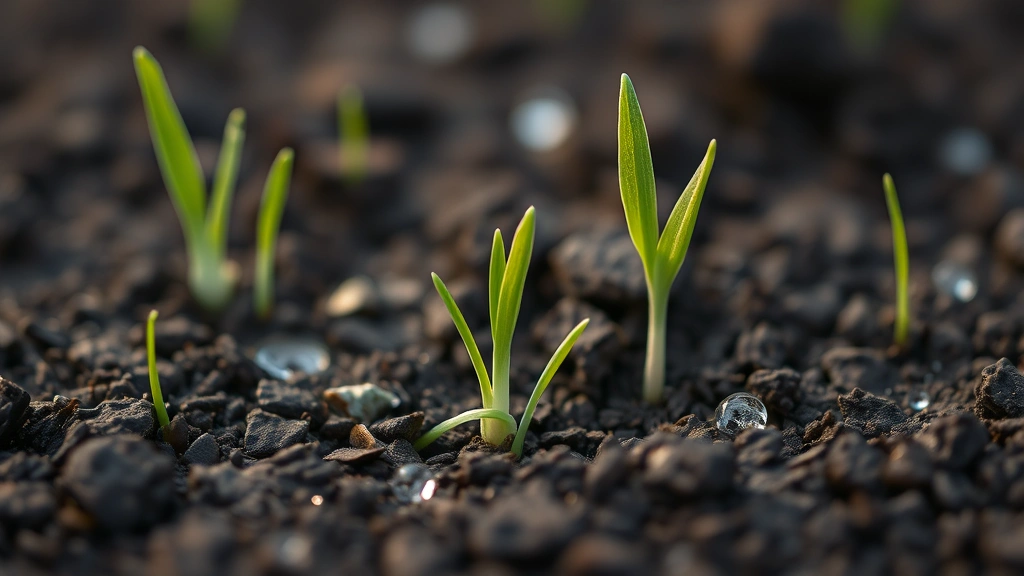
How Long Does Grass Seed Take to Grow? Expert Insights
How Long Does Grass Seed Take to Grow? Expert Insights
There’s something deeply satisfying about transforming a bare patch of soil into a lush, verdant lawn. But if you’ve recently scattered grass seed across your yard, you’re probably wondering: when will I actually see results? The answer isn’t as straightforward as you might hope, but understanding the timeline helps set realistic expectations and keeps you from obsessively checking your lawn every single day.
Grass seed germination is a fascinating biological process that doesn’t follow a one-size-fits-all schedule. The time it takes for your grass to grow depends on several interconnected factors—the grass species you’ve chosen, your climate, soil conditions, and how well you maintain moisture levels during those critical early weeks. Some homeowners see green shoots within 7-10 days, while others might wait three weeks or longer. The difference often comes down to preparation and patience.
In this guide, we’ll walk you through exactly what to expect at each stage of grass seed growth, the variables that influence timing, and practical strategies to optimize your results. Whether you’re repairing a damaged lawn or starting completely from scratch, this comprehensive breakdown will help you understand the journey from bare soil to a thriving turf.
Grass Seed Germination Timeline: What to Expect Week by Week
Let’s break down the typical progression you’ll observe as your grass seed transforms into an established lawn. Understanding this timeline helps you avoid the common mistake of assuming failure when you’re simply in the early stages.
Days 1-7: The Silent Phase
During the first week, nothing visible happens above ground—but plenty is occurring below the soil surface. The seed is absorbing moisture, and the embryonic root is developing. You won’t see any green shoots yet, and that’s completely normal. This is when consistent moisture becomes critical. The seed coat is softening, and the germination process is underway, even though it’s invisible to the naked eye.
Days 7-14: First Signs of Life
Around the one-week mark, you might notice tiny green shoots beginning to emerge. These delicate sprouts are vulnerable and still establishing their root systems. Some grass varieties germinate faster than others—cool-season grasses often show up within this timeframe, while warm-season varieties might take longer. Maintain consistent moisture without creating waterlogged conditions. Think of it like a newborn: it needs gentle care and regular feeding (water).
Days 14-21: Visible Growth
By the second and third weeks, you should see more substantial green coverage. The grass is developing its leaf structure and root system simultaneously. The lawn still looks thin and delicate at this point, but you’re definitely seeing progress. Some areas might germinate faster than others, creating an uneven appearance—this is normal and will even out over time.
Weeks 3-6: Establishment Phase
Your grass is now entering the critical establishment phase. The seedlings are developing stronger root systems that will determine long-term success. The lawn begins to look more uniform, though it’s still fragile. Avoid heavy foot traffic and continue maintaining proper moisture levels. This is when proper grass seed planting techniques really start paying dividends.
Weeks 6-12: Maturation
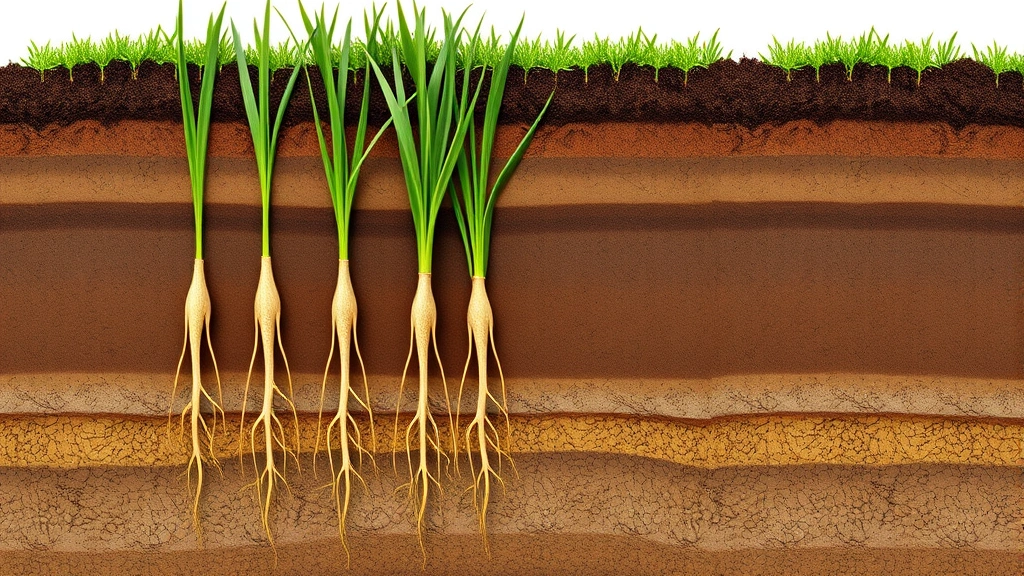
After about six weeks, your grass should be strong enough to handle normal use. It’s developing a deeper root system and thickening up nicely. By the three-month mark, your lawn should be looking respectable—though it might not reach its full density and color until the following growing season. Patience truly is a virtue in lawn care.
Factors That Affect Grass Seed Growth Speed
If your neighbor’s lawn turned green in two weeks while yours is still patchy after three, don’t despair. Multiple variables influence germination speed, and understanding them helps you optimize your conditions.
Soil Temperature
This is the heavyweight champion of germination factors. Grass seeds have specific temperature requirements for optimal germination. Cool-season grasses germinate best between 60-75°F, while warm-season varieties prefer 70-85°F temperatures. If your soil is too cold or too hot, germination slows dramatically or stops entirely. Using a simple soil thermometer takes the guesswork out of timing—you want to seed when soil temperatures align with your grass type’s preferences.
Moisture Levels
Consistent moisture is non-negotiable. Seeds need constant access to water to germinate, but they also need oxygen—so waterlogged soil is just as problematic as dry soil. The ideal scenario is moist soil, similar to a wrung-out sponge. You might need to water 2-3 times daily during hot, dry periods to maintain this balance. Inconsistent watering is one of the primary reasons seeds fail to germinate properly.
Soil Quality and pH
Seeds germinate better in well-prepared, loose soil with good organic matter content. Compacted, hard-packed soil restricts root development and moisture penetration. Soil pH also matters—most grasses prefer slightly acidic to neutral soil (6.0-7.0 pH range). If your soil is significantly outside this range, germination rates suffer. Before planting grass seed, consider getting a soil test to understand your starting point.
Sunlight Exposure
While seeds don’t need light to germinate (they actually germinate better in darkness), established seedlings need adequate sunlight to develop properly. Shaded areas germinate at similar rates but grow more slowly overall. If you’re seeding a shade area, choose shade-tolerant grass varieties and be prepared for slower establishment.
Seed Quality and Age
Fresh, high-quality seed germinates faster than old or low-quality seed. Check your seed’s germination rate on the package—this percentage indicates how many seeds should successfully germinate. Seeds stored improperly or past their prime germinate slower or not at all. Always purchase seed from reputable sources and check the packaging date.
Grass Species Selection
Different grass varieties have dramatically different germination timelines. This is such an important factor that it deserves its own section.
Different Grass Types and Their Growth Rates
Choosing the right grass variety for your climate and lawn conditions directly impacts how quickly you’ll see results.
Cool-Season Grasses
Cool-season varieties like Kentucky bluegrass, perennial ryegrass, and tall fescue germinate quickly—often within 7-14 days under ideal conditions. These grasses thrive in northern climates and germinate best during spring and fall when soil temperatures are moderate. They’re the go-to choice for northern lawns and typically show visible progress faster than warm-season alternatives. If you’re in a northern climate and want fast results, cool-season grasses are your answer.
Warm-Season Grasses
Bermuda grass, zoysia, and St. Augustine grass are warm-season varieties that germinate slower—typically 14-21 days or longer. They need warmer soil temperatures and thrive in southern climates. While they take longer to germinate, they excel in heat and drought conditions once established. Patience is especially important with warm-season grasses, as rushing the process or seeding at the wrong time wastes seed and effort.
Blend Advantages
Many homeowners benefit from using seed blends that combine multiple grass species. Blends often germinate at varying rates, creating a more uniform appearance over time and providing better resilience to different conditions. A quality blend gives you the best of both worlds—faster overall establishment and better long-term performance.
Why Proper Preparation Matters More Than You Think
Here’s a truth that separates successful lawn projects from frustrating failures: preparation quality dramatically impacts germination speed and overall success. Rushing this step almost always results in slower germination and weaker establishment.
Soil Preparation Steps
Start by removing debris, rocks, and dead vegetation. For new lawns, remove existing sod or vegetation. Till the soil 2-3 inches deep to break up compaction and improve water penetration. Add 1-2 inches of quality topsoil or compost to improve soil structure and nutrient content. Grade the area so water flows appropriately—you don’t want puddles or dry spots. This preparation work takes time, but it’s the foundation for rapid, even germination.
Soil Testing
A simple soil test reveals pH, nutrient levels, and soil composition. Based on results, you might add lime to raise pH or sulfur to lower it. You might also add fertilizer to ensure adequate nitrogen, phosphorus, and potassium. This targeted approach beats generic fertilizer application and sets your seeds up for optimal germination conditions.
Timing Your Seeding
Seeding at the right time for your grass type is crucial. Cool-season grasses should be seeded in early spring or fall when soil temperatures are ideal. Warm-season grasses need late spring or early summer planting when soil has warmed sufficiently. Seeding outside these windows means slower germination and potentially failed establishment. Check local planting guides and soil temperature charts before spreading seed.
Caring for Your Seedlings During Growth: The Critical Window
The first 4-6 weeks after seeding determine whether your lawn thrives or struggles. This period requires consistent attention and proper technique.
Watering Strategy
Water lightly and frequently during the germination phase—typically 2-3 times daily for 10-15 minutes each in hot weather. Once seedlings emerge and establish roots (around week 3-4), gradually reduce frequency but increase duration. This encourages deeper root development. After 6 weeks, transition to standard lawn watering—deep watering 2-3 times weekly. The goal is consistent moisture without waterlogging.
Fertilization Timing
Most seeds include starter fertilizer or you’ve amended soil during preparation. Avoid heavy fertilization during germination—it can damage delicate seedlings. Once seedlings are 2-3 inches tall and established (typically 4-6 weeks), apply a balanced fertilizer to support continued growth. Always follow package directions and avoid over-fertilizing, which creates excessive leaf growth at the expense of root development.
Foot Traffic and Maintenance
Keep everyone off the seeded area for at least 3-4 weeks. Once grass reaches 2-3 inches tall, you can begin light foot traffic. Don’t mow until grass is at least 3-4 inches tall, and even then, use a high mower setting. Frequent mowing with low settings stresses young grass and slows establishment. Patience with foot traffic and mowing decisions pays huge dividends in lawn quality.
Weed Management
Weeds compete aggressively with young grass seedlings. Rather than using herbicides on delicate seedlings, hand-pull visible weeds and ensure your grass is thick enough to naturally compete with weeds. Once grass is well-established (8+ weeks), you can safely apply selective herbicides if needed. Prevention through proper seeding density and care beats fighting weeds later.
Troubleshooting Slow Growth: When Something’s Not Right
If your grass isn’t germinating on schedule, investigate these common culprits before assuming failure.
Inadequate Moisture
The most common germination failure cause is inconsistent watering. Seeds need constant moisture—not waterlogged, but never dry. If you’re relying on rainfall, you might not have enough. Install a simple rain gauge to track water application. Aim for 1-2 inches per week during germination. If your lawn is drying out between waterings, increase frequency.
Soil Temperature Issues
Seeding too early (when soil is still cold) or too late (when soil is too hot) dramatically slows germination. Use a soil thermometer to verify conditions match your grass type’s requirements. If you’ve seeded at the wrong time, you might need to wait for better conditions or overseed in the optimal season.
Poor Soil Conditions
Compacted, nutrient-poor, or heavily clay-based soil restricts germination and root development. If you skipped soil preparation, this might be your issue. For established lawns, you can still improve conditions by aerating and adding compost top-dressing. For new projects, take time to properly prepare soil before seeding again.
Seed Quality Problems
Old seed, improperly stored seed, or low-quality seed germinates poorly. Always check germination rates on packaging and purchase from reputable sources. If you’ve used questionable seed, you might need to reseed with fresh, quality seed in the optimal season.
Disease or Pest Issues
Damping-off disease (fungal) can kill seedlings shortly after germination. Improve air circulation, reduce watering frequency slightly (while maintaining moisture), and ensure proper drainage. For pest issues, identify the specific problem before treating—many common lawn pests don’t significantly impact young seedlings. Understanding plant establishment principles helps you diagnose problems across different plant types.
Frequently Asked Questions
How long does it take for grass seed to germinate?
Most grass seeds germinate within 7-14 days under ideal conditions (proper moisture, appropriate soil temperature, quality seed). Cool-season grasses typically germinate faster than warm-season varieties. Some seeds might take 3 weeks or longer, particularly if conditions aren’t optimal. Patience during the first two weeks is essential—seeds are germinating even if you can’t see visible growth.
Can I walk on grass seed right after planting?
Avoid walking on seeded areas for at least 3-4 weeks. Young seedlings have minimal root systems and are easily damaged by foot traffic. Once grass reaches 2-3 inches tall and has developed established roots, light foot traffic is acceptable. Even then, heavy use should be avoided until grass is well-established at 6+ weeks.
What’s the difference between seed germination and grass being ready to mow?
Germination (visible green shoots) typically occurs within 7-14 days. However, grass isn’t ready to mow until it reaches 3-4 inches tall and has developed a strong root system, usually 4-6 weeks after planting. Allow additional time for roots to establish before subjecting grass to mowing stress.
Does grass seed need sunlight to germinate?
Grass seeds actually germinate better in darkness—sunlight isn’t required for germination. However, once seedlings emerge, they absolutely need sunlight to develop properly. Seedlings in shaded areas germinate at similar rates but grow more slowly overall. Choose shade-tolerant grass varieties for heavily shaded areas.
Why is my grass seed not growing after 3 weeks?
Check moisture levels first—this is the most common cause of failed germination. Verify soil temperature matches your grass type’s requirements. Examine soil quality and consider whether you prepared adequately. Check seed quality and germination rate. If all these factors check out, disease, pests, or environmental stress might be responsible. Consider having soil tested and consulting local extension services if problems persist.
How often should I water grass seed?
During germination (weeks 1-3), water 2-3 times daily for 10-15 minutes in hot weather, keeping soil consistently moist. Once seedlings emerge and establish roots (weeks 3-6), gradually reduce frequency to once daily, then every other day. After 6 weeks, transition to standard lawn watering—deep watering 2-3 times weekly. Adjust based on rainfall and weather conditions.
Can I overseed an existing lawn?
Yes, overseeding existing lawns improves density and fills thin areas. Prepare the area by raking to expose soil, then seed and maintain moisture as you would for new seeding. Overseeding works best during optimal seasons for your grass type and when existing grass isn’t aggressively competing. It typically takes 4-6 weeks for overseeded areas to establish.
What temperature is too cold for grass seed germination?
Cool-season grasses need soil temperatures above 50°F but germinate best between 60-75°F. Warm-season grasses require soil above 60°F but prefer 70-85°F. Below these ranges, germination slows dramatically or stops. Soil temperature matters more than air temperature—use a soil thermometer for accurate readings.

Related Posts

How Long to Boil Lobster Tails: Cooking Guide

How Long to Fly from New York to London? Travel Times
