
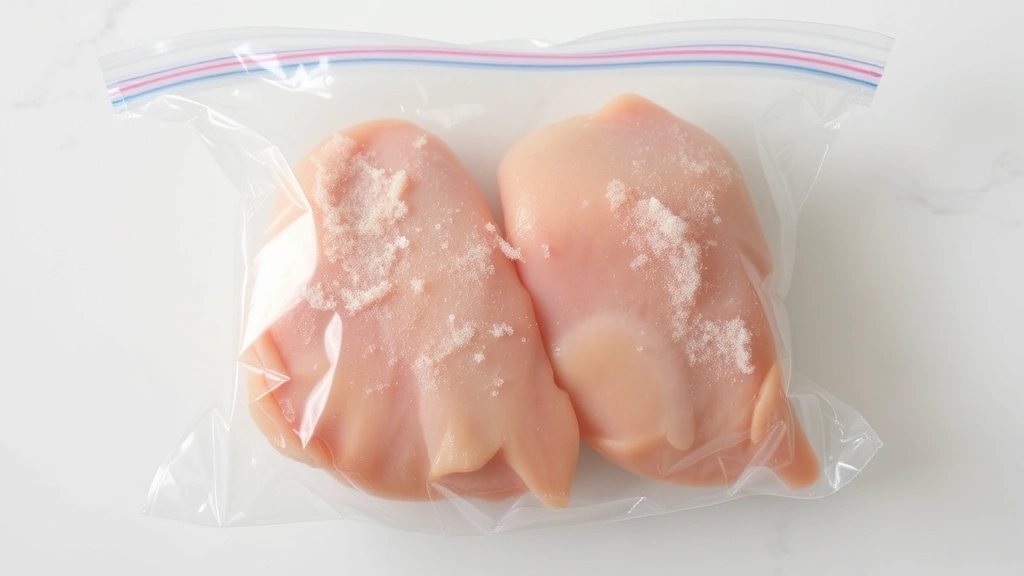
How Long Does Chicken Take to Thaw? Expert Guide
How Long Does Chicken Take to Thaw? Expert Guide
There’s nothing quite like planning dinner only to realize your chicken is still frozen solid in the freezer. Whether you’re meal prepping for the week or dealing with an unexpected dinner guest, understanding thawing timelines can be a game-changer. The answer isn’t one-size-fits-all—it depends on your method, the cut of chicken, and how much time you actually have.
Thawing chicken properly isn’t just about convenience; it’s about food safety. Improper thawing can invite bacteria like salmonella to the party, and nobody wants that dinner guest. The good news? There are multiple methods to safely thaw chicken, each with its own timeline and best-use scenarios. Let’s break down exactly what you need to know to go from freezer to table without the stress.
Refrigerator Method: The Patient Approach
If you’re the organized type who plans ahead, the refrigerator method is your golden ticket. This approach is the safest way to thaw chicken, and it keeps bacteria growth to an absolute minimum. The downside? It requires patience—lots of it.
For a standard chicken breast weighing around half a pound, expect about 5 to 8 hours of thawing time in the refrigerator. A whole chicken weighing 3 to 4 pounds? Plan for 24 hours, sometimes even stretching to 48 hours depending on your fridge temperature and the chicken’s initial temperature. Chicken thighs and drumsticks fall somewhere in between, typically needing 12 to 24 hours.
The beauty of this method lies in its simplicity and safety profile. Simply place your frozen chicken on a plate or in a container to catch any drips (you don’t want raw chicken juice contaminating your fridge), and let it sit on the bottom shelf. The consistent, cool temperature prevents the outer layers from reaching the danger zone while the inside thaws. Once thawed, you have up to two days to cook it before bacteria starts making moves.
Pro tip: Use this method when you’re planning meals for the week. Thaw your chicken overnight on Sunday, and you’ve got flexibility throughout the week. This approach pairs beautifully with how to cook chicken guides since you’ll have the time to follow more elaborate recipes.
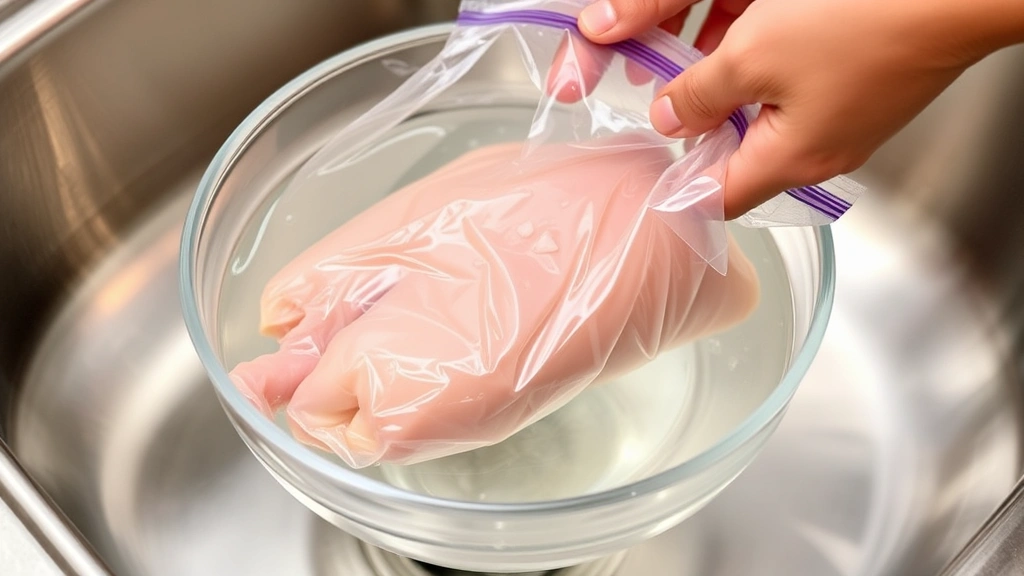
Cold Water Method: The Middle Ground
When you’re caught between the rock of frozen chicken and the hard place of a dinner deadline, the cold water method offers a reasonable compromise. This technique cuts thawing time significantly while still maintaining food safety standards.
Here’s the process: seal your frozen chicken in a leak-proof bag (this is crucial—you want to prevent any cross-contamination), then submerge it in a bowl or sink filled with cold water. Change the water every 30 minutes to maintain a consistently cold temperature. A chicken breast thaws in about 1 to 2 hours using this method, while a whole chicken might need 2 to 3 hours depending on size.
The cold water method works because moving water conducts heat more efficiently than stagnant air in your refrigerator. However, there’s a catch: you need to stay engaged with the process. Those 30-minute water changes aren’t optional—they’re essential for keeping the temperature low enough to prevent bacterial growth. Once thawed, cook the chicken immediately; don’t let it sit around waiting for inspiration to strike.
This method is particularly useful when you’re trying to thaw chicken fast but still want to maintain food safety standards. It’s faster than the refrigerator method but requires more active participation than simply leaving things to their own devices.
Hot Water Method: The Controversial Route
You’ve probably heard conflicting advice about using hot water to thaw chicken. Here’s the truth: while hot water does technically thaw chicken faster, the USDA and food safety experts generally advise against it. The reason? Hot water risks pushing the outer portions of the chicken into the temperature danger zone (40°F to 140°F) where bacteria thrives, even while the inside remains frozen.
If you absolutely must use hot water—and we mean absolutely—keep the temperature around 100°F (not boiling), and keep the chicken sealed in a bag. Even then, this isn’t recommended as a primary thawing method. The risks outweigh the convenience factor, and you’ve got better options available.
For a genuinely quick thaw that doesn’t compromise safety, explore how to defrost chicken fast using approved methods instead of rolling the dice with food safety.
Microwave Defrosting: The Emergency Option
Sometimes life happens, and you need dinner on the table in 30 minutes. The microwave defrost function exists precisely for these moments. It’s the last resort, the emergency flare gun of thawing methods, and it works—with caveats.
Microwave thawing is fast, typically taking 5 to 10 minutes for a chicken breast, but it’s also unpredictable. Microwaves heat unevenly, meaning some parts might start cooking while others remain frozen. You’ll need to rotate and flip the chicken frequently, checking progress every minute or two. The moment you see any cooked spots appearing, stop and cook the chicken immediately.
The USDA permits microwave thawing, but they insist on immediate cooking afterward. You can’t thaw chicken in the microwave and then let it sit for later—that’s when bacteria decides to throw a party. Additionally, microwaves can create hot spots where bacteria actually thrives during the thawing process, so this method requires vigilance.
If you’re using the microwave, make sure your chicken is in a microwave-safe container and check the manufacturer’s guidelines for defrost settings. Many microwaves have a poultry setting that handles the power levels better than manual defrosting.
Factors Affecting Thawing Time
The timeline for thawing chicken isn’t set in stone. Several variables influence exactly how long your chicken needs to transform from frozen to ready-to-cook.
Cut and Size: Boneless, skinless chicken breasts thaw faster than bone-in pieces. A single breast might thaw in hours while a whole chicken needs a full day or more. Chicken thighs and drumsticks fall in between, typically requiring 12 to 24 hours in the refrigerator. Thickness matters too—a thick-cut breast takes longer than a thin one.
Initial Temperature: Chicken that’s been frozen solid for weeks thaws slower than chicken that was recently frozen. The difference might only be a few hours, but it’s worth considering if you’re working against a deadline.
Refrigerator Temperature: Not all refrigerators maintain identical temperatures. A fridge set to 35°F thaws chicken faster than one running at 40°F. Check your fridge’s temperature dial and adjust if needed for more predictable thawing times.
Water Temperature: If you’re using the cold water method, the starting water temperature affects speed. Water at 50°F thaws chicken faster than water at 40°F, though both are safe. Warmer water accelerates thawing but increases bacterial risk, so stay in the cold water range.
Packaging: Individually wrapped chicken pieces thaw faster than a large, tightly packaged bundle. Consider how you’ll freeze chicken in the future—vacuum-sealed single portions thaw more efficiently than bulk packaging.
Food Safety Guidelines
Understanding thawing times means nothing if you’re not following proper safety protocols. Foodborne illness isn’t a culinary badge of honor; it’s genuinely dangerous and entirely preventable.
Never Thaw at Room Temperature: This is the cardinal sin of chicken thawing. Room temperature allows bacteria to multiply rapidly. Even two hours at room temperature can create unsafe conditions. This applies to your countertop, your windowsill, or anywhere else that isn’t cold and controlled.
Prevent Cross-Contamination: Raw chicken juice is a bacterial express train. Always use a dedicated container or plate to catch drips. Never let raw chicken juice contact other foods, especially ready-to-eat items. Wash your hands, utensils, and surfaces thoroughly after handling raw chicken.
Cook Immediately After Thawing: If you’ve thawed chicken using the cold water or microwave method, cook it right away. These methods don’t give you the luxury of waiting. Refrigerator-thawed chicken can wait up to two days before cooking, but why test your luck?
Don’t Refreeze Without Cooking: Once chicken is thawed, you can’t just pop it back in the freezer if plans change. Refreezing raw chicken after thawing creates bacterial safety issues. However, you can cook the thawed chicken and then freeze the cooked product.
For more detailed safety information, check out FDA food safety guidelines and FoodSafety.gov’s four steps to food safety.
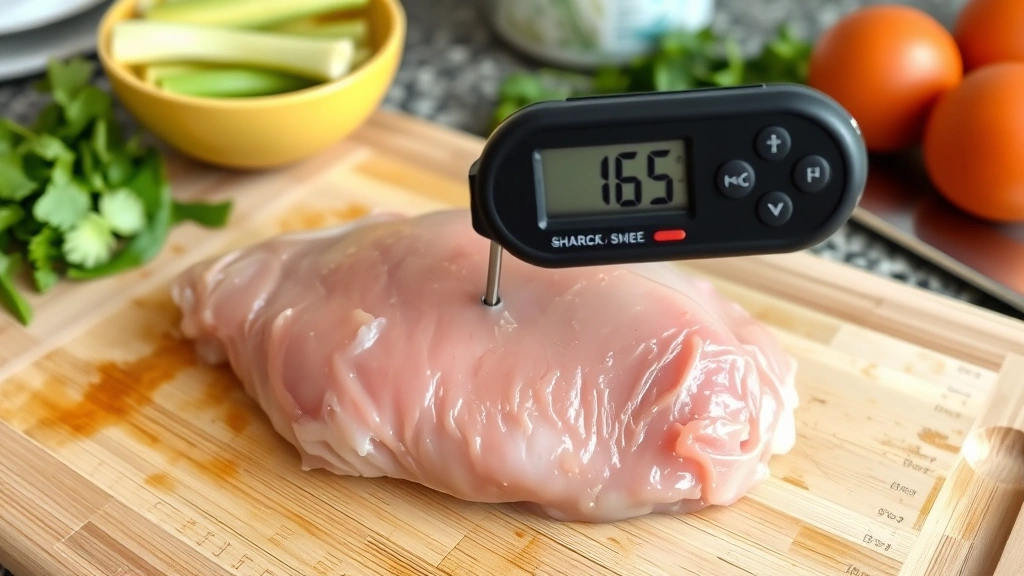
When you’re ready to cook, understanding how long to boil chicken ensures you reach safe internal temperatures. A meat thermometer reading 165°F in the thickest part confirms your chicken is safe to eat, regardless of thawing method used.
Frequently Asked Questions
Can I thaw chicken in hot water?
While hot water does thaw chicken faster, the USDA doesn’t recommend it as a primary method. Hot water risks pushing outer portions into the bacterial danger zone. If you must use hot water, keep it around 100°F and immediately cook the chicken afterward. Better alternatives like the cold water method provide faster thawing without the safety concerns.
How long does chicken take to thaw in the refrigerator?
Boneless, skinless chicken breasts typically thaw in 5 to 8 hours. A whole chicken weighing 3 to 4 pounds needs 24 to 48 hours. Chicken thighs and drumsticks usually require 12 to 24 hours. Thawing time depends on the chicken’s size, your refrigerator temperature, and initial freezing conditions.
Is it safe to thaw chicken on the counter?
No. Counter thawing allows bacteria to multiply rapidly in the danger zone between 40°F and 140°F. Even two hours at room temperature creates unsafe conditions. Always use the refrigerator, cold water, or microwave methods for safe thawing.
Can I cook chicken while it’s still partially frozen?
Yes, but with adjustments. Partially frozen chicken takes longer to cook, and you must ensure the thickest parts reach 165°F internally. Add 50% more cooking time compared to fully thawed chicken. A meat thermometer is essential to confirm doneness. This method works better for boiling chicken breast or baking than for other cooking methods.
How long can I keep thawed chicken in the refrigerator?
Refrigerator-thawed chicken stays safe for up to two days before cooking. Cold water-thawed or microwave-thawed chicken should be cooked immediately. Don’t extend these timelines hoping for flexibility—bacteria doesn’t respect your schedule.
What’s the fastest safe way to thaw chicken?
The cold water method is your fastest safe option, typically thawing chicken in 1 to 3 hours depending on size. Seal the chicken in a leak-proof bag and submerge it in cold water, changing the water every 30 minutes. Microwave defrosting is faster but requires immediate cooking and careful monitoring to prevent partial cooking.
Can I thaw chicken and then refreeze it?
Not without cooking it first. Raw chicken that’s been thawed can’t go back in the freezer safely. However, if you cook the thawed chicken, you can freeze the cooked product for later use. This flexibility is why cooking thawed chicken immediately is often your best strategy.
How do I know if thawed chicken is still safe to eat?
Safe thawed chicken should have no off odors, slimy texture, or gray discoloration. If anything seems off, don’t risk it—throw it out. Trust your senses, but remember that bacteria doesn’t always announce itself with obvious signs. Following proper thawing methods and timelines is your best insurance policy.
For additional expert guidance on how to defrost chicken, check out reliable resources like This Old House’s kitchen guides and Family Handyman’s cooking resources.

Related Posts

How Long to Boil Lobster Tails: Cooking Guide

How Long to Fly from New York to London? Travel Times
