
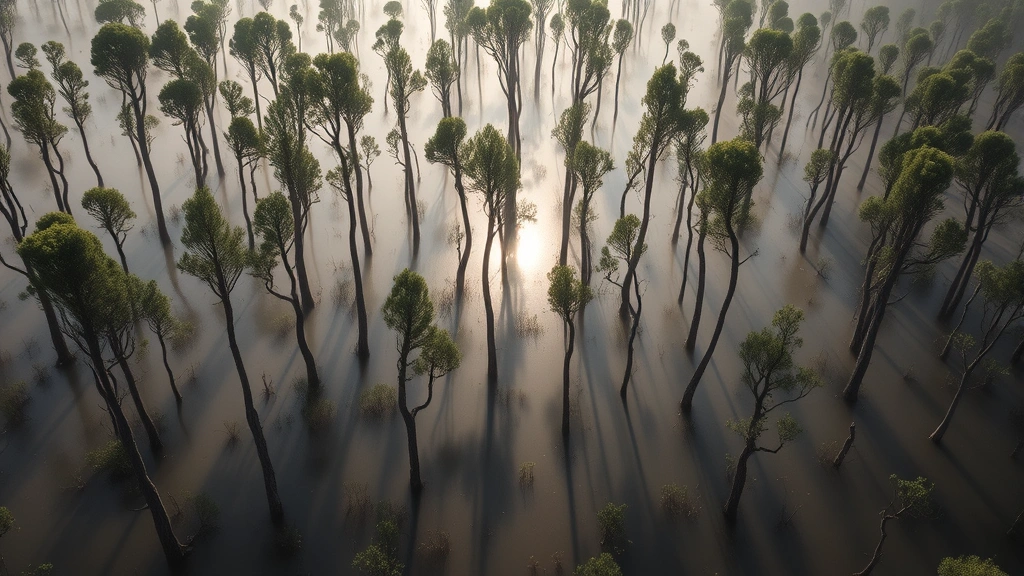
How Many Swamps Are in Georgia? A Detailed Look
How Many Swamps Are in Georgia? A Detailed Look at the State’s Wetland Ecosystems
Georgia’s landscape is far more diverse than most people realize. While many think of the state as rolling hills and bustling cities, the reality is that Georgia is home to a remarkable variety of ecosystems—and swamps are a significant part of that story. The question of exactly how many swamps exist in Georgia isn’t as straightforward as you might think, but understanding Georgia’s wetlands reveals fascinating insights into the state’s natural heritage and the challenges landowners face when managing these unique environments.
The Peach State contains numerous swamps, marshes, and wetlands that play crucial roles in water filtration, wildlife habitat, and flood prevention. These aren’t just random patches of muddy ground—they’re complex ecosystems that deserve attention and respect. Whether you’re a property owner dealing with wetland management, an outdoor enthusiast curious about Georgia’s natural areas, or someone interested in environmental conservation, understanding Georgia’s swamp landscape provides valuable context for both ecological and practical considerations.
Let’s dive into what makes Georgia’s swamps significant, where they’re located, and what property owners should know about living near or managing these wetland areas.
Understanding Georgia’s Wetland Classification
Before we can accurately answer how many swamps Georgia has, we need to understand what actually qualifies as a swamp. The term “swamp” is often used loosely to describe any wet, marshy area, but ecologists and environmental scientists use more precise definitions. A swamp, technically speaking, is a wetland dominated by trees and woody vegetation. This distinguishes it from marshes, which are herbaceous wetlands, and from bogs, which have different water chemistry and vegetation patterns.
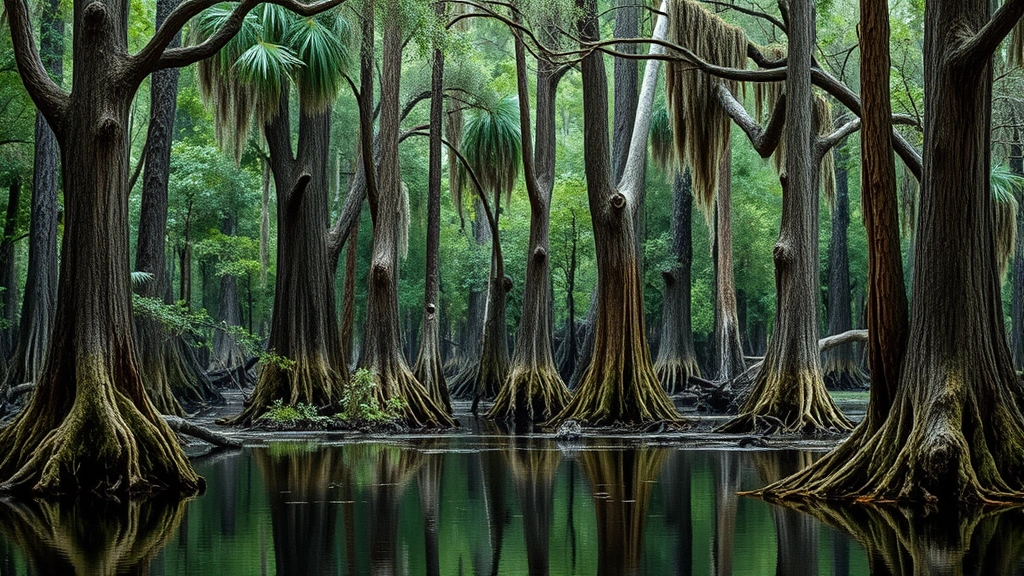
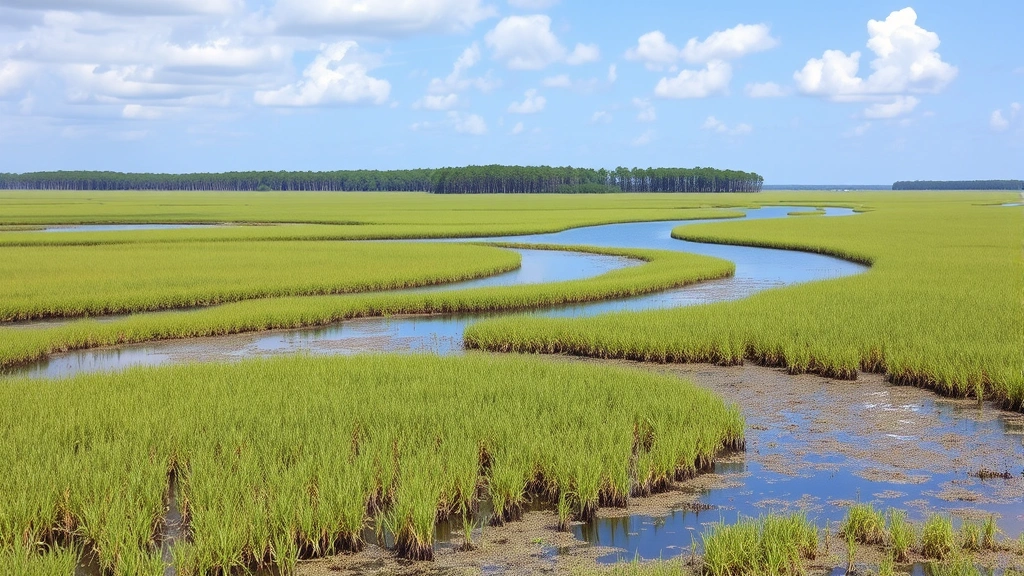
Georgia’s wetlands include several types: cypress swamps with their distinctive knobby trees, bottomland hardwood forests that flood seasonally, pocosins (evergreen shrub thickets), and tidal marshes along the coast. The state’s wetlands comprise approximately 4.7 million acres, making them a substantial portion of Georgia’s total land area. However, not all of these are technically “swamps” in the strictest sense—many are marshes, pocosins, or other wetland types.
When environmental agencies count wetlands, they use the U.S. Fish and Wildlife Service’s classification system, which categorizes palustrine (inland), estuarine (coastal), and marine wetlands. This scientific approach helps scientists and policymakers understand ecosystem health and make informed decisions about land use and conservation.
How Many Swamps Are Actually in Georgia?
The straightforward answer is: Georgia doesn’t have a specific numbered count of individual “swamps” in the way you might count lakes or rivers. Instead, the state is characterized by vast wetland systems and complexes. If we’re talking about true swamps—forested wetlands—Georgia contains thousands of acres distributed across the state, but these exist as interconnected systems rather than discrete, countable units.
The Georgia Department of Natural Resources and the U.S. Environmental Protection Agency work together to map and monitor wetlands using the National Wetlands Inventory. According to their data, Georgia has approximately 4.7 million acres of wetlands total. Of these, a significant portion consists of swamps and forested wetlands, particularly in the southern and coastal regions of the state.
If you’re asking about major swamp complexes that function as distinct ecological units, Georgia has roughly a dozen significant swamp systems, with the Okefenokee Swamp being by far the largest and most well-known. Other notable systems include the Altamaha Swamp, the Savannah River Swamp, and various cypress swamps throughout the coastal plain.
The confusion around “how many” swamps Georgia has stems from the fact that wetlands are dynamic, interconnected systems rather than isolated features. During wet seasons, swamps expand; during droughts, they contract. Some areas that are swampland in winter might be drier in summer. This fluidity makes exact counts challenging but also demonstrates why these ecosystems are so important for water management and climate resilience.
Major Swamp Systems and Regions
Georgia’s swamps aren’t randomly distributed—they follow natural patterns based on geology, elevation, and water flow. The state’s wetlands are concentrated in three main regions: the coastal plain, the piedmont, and scattered throughout the state’s river systems.
Coastal Plain Swamps: The southeastern portion of Georgia, particularly in the coastal plain, contains the highest concentration of swamp ecosystems. This region’s low elevation and sandy, poorly-drained soils create ideal conditions for swamp formation. Cypress swamps are especially prevalent here.
River System Swamps: Major rivers like the Savannah, Altamaha, and Flint create extensive bottomland swamps along their courses. These seasonal swamps flood during high water periods and provide critical habitat for fish and wildlife.
Pocosins and Bay Swamps: Throughout the coastal region, you’ll find pocosins—evergreen shrub-dominated wetlands—and bay swamps, which are evergreen forest wetlands with acidic water.
Understanding these regional variations helps property owners and land managers recognize what type of wetland they’re dealing with and what management approaches might be appropriate. If you’re concerned about wetland issues on your property, knowing whether you’re dealing with a cypress swamp or a pocosín matters significantly for any intervention strategies.
The Okefenokee: Georgia’s Crown Jewel
When discussing Georgia’s swamps, the Okefenokee Swamp inevitably takes center stage. This massive wetland complex spans approximately 438,000 acres, with about 60% located in Georgia and the remainder in Florida. It’s one of the largest intact freshwater swamps in the United States and represents an ecological treasure of international significance.
The Okefenokee is dominated by cypress and gum trees, with extensive areas of marsh and open water. The name “Okefenokee” comes from the Seminole word meaning “land of the trembling earth,” which perfectly describes the experience of walking on the swamp’s peat-based ground. The vegetation literally floats and moves slightly with each step, an unsettling but fascinating characteristic of this ecosystem.
The swamp supports an incredible diversity of wildlife, including alligators, black bears, otters, and numerous bird species. It’s also home to several plant species found nowhere else in the world. The Okefenokee is protected as a National Wildlife Refuge and is designated as a Ramsar Wetland of International Importance.
For most Georgians, the Okefenokee represents the quintessential swamp experience—vast, wild, and largely untouched by development. However, it also faces modern challenges from climate change, water management issues, and proposed mining operations that have sparked significant conservation debates.
Other Notable Swamp Areas
Beyond the Okefenokee, Georgia contains several other significant swamp systems worth understanding:
Altamaha Swamp: Located in southeastern Georgia, the Altamaha represents one of the state’s largest intact bottomland hardwood swamps. This system is critical for maintaining water quality and supporting fish populations that depend on swamp habitats for spawning.
Savannah River Swamps: Along Georgia’s border with South Carolina, the Savannah River creates extensive swamp habitats, particularly in the lower reaches near the coast. These swamps are increasingly recognized for their role in carbon sequestration and water filtration.
Cypress Swamps of Southeast Georgia: Throughout counties like Camden, Glynn, and Wayne, you’ll find numerous smaller but ecologically important cypress swamps. These areas are particularly valuable for timber production, wildlife habitat, and water resource management.
If you own property near any of these swamp systems, understanding their ecological importance can help you make informed decisions about land management. Many of these areas have specific regulations governing land use, and working with environmental consultants familiar with local swamp ecosystems is often necessary before undertaking any development or major alterations.
Wildlife and Ecology of Georgia Swamps
Georgia’s swamps aren’t just wet patches of ground—they’re incredibly biodiverse ecosystems supporting thousands of species. Understanding this ecology is crucial for anyone living near or managing swampland.
The most iconic swamp inhabitant is undoubtedly the American alligator. Georgia’s swamps provide critical habitat for these reptiles, which play an important role in maintaining ecosystem balance. If you’re exploring swamp areas or live nearby, knowing how to identify a water moccasin and other dangerous wildlife is essential for safety.
Beyond alligators and water moccasins, Georgia swamps support:
- Black bears: Particularly in the Okefenokee and northern swamp areas, black bears use swamps as foraging grounds and travel corridors
- Otters and beavers: These mammals engineer swamp habitats, creating dams and channels that alter water flow and create additional habitat diversity
- Migratory birds: Thousands of waterfowl and wading birds depend on Georgia swamps as wintering grounds and migration stopover sites
- Fish species: Swamps serve as nurseries for commercially important fish species like largemouth bass and catfish
- Amphibians: Frogs, salamanders, and other amphibians depend entirely on swamp habitats for breeding
The vegetation in Georgia swamps is equally diverse. Bald cypress trees, with their distinctive cone-shaped forms and “knees” (root projections), dominate many swamps. Tupelo gum, sweetbay magnolia, and various oak species create a complex canopy structure. The understory includes ferns, shrubs, and specialized wetland plants adapted to waterlogged conditions.
This ecological complexity means that swamps aren’t just wildlife reserves—they’re functioning systems that filter water, store carbon, moderate flood impacts, and provide resources for human communities. When considering any land management near swamps, these ecological functions should factor into decision-making.
Property Management Near Swamps
For property owners living near Georgia’s swamps, understanding how to manage land while respecting these ecosystems is essential. Whether you’re dealing with how to get rid of swamps on your property or simply want to coexist with nearby wetlands, several considerations apply.
Regulatory Considerations: The Clean Water Act protects most swamps and wetlands at the federal level. The Army Corps of Engineers and EPA regulate activities in wetlands, requiring permits for most alterations. Georgia also has state-level protections through the Georgia Wetlands Protection Law. Before undertaking any significant land alterations, consult with environmental professionals to understand what permits you might need.
Drainage and Water Management: Many property owners want to reduce standing water or improve drainage. While this is sometimes possible, it requires careful planning and regulatory compliance. Improper drainage can harm neighboring properties and violate environmental laws. Working with drainage specialists familiar with Georgia’s regulations is crucial.
Vegetation Management: If you have swampy areas on your property, managing vegetation strategically can improve conditions without destroying the ecosystem. Removing invasive species, selectively thinning trees, and encouraging native vegetation can enhance both the ecological value and the usability of the land.
Recreational Use: Many property owners want to use swampy areas for hunting, fishing, or wildlife observation. This is often possible with minimal impact through boardwalks, raised platforms, and designated trails that prevent soil compaction and vegetation damage.
If you’re considering landscaping alternatives for wetter areas of your property, you might explore how to plant grass seed in drier zones or consider native wetland plants that thrive in moist conditions. For other areas of your property, how to propagate succulents offers opportunities to create drought-resistant gardens, while how to grow ginger can work in protected garden spaces with proper drainage.
Conservation Efforts and Future Outlook
Georgia’s swamps face increasing pressure from development, climate change, and water management challenges. Several organizations and agencies are working to protect and restore these critical ecosystems.
The Georgia Conservancy, The Nature Conservancy, and various state agencies work on wetland restoration projects, particularly in areas where swamps have been degraded or lost. These efforts often involve reestablishing hydrology (water flow patterns), replanting native species, and removing invasive plants that have colonized disturbed areas.
Climate change presents new challenges for Georgia’s swamps. Rising sea levels threaten coastal swamps, while changing precipitation patterns affect inland swamp water levels. Some swamps are becoming saltier as saltwater intrusion moves inland, fundamentally altering the species composition and ecological character of these systems.
Conservation easements represent another important tool for protecting swamps. Property owners can work with conservation organizations to place their land under easements that restrict future development while allowing sustainable uses like timber management or wildlife observation. These easements often provide tax benefits and ensure long-term protection.
The future of Georgia’s swamps depends on continued scientific understanding, regulatory protection, and public support for conservation. As more people understand the challenges of managing swamps and their ecological importance, support for protection efforts grows.
For property owners, staying informed about wetland science and regulations helps ensure that personal land management decisions align with broader conservation goals. Consulting with environmental professionals before making major land alterations is always advisable.
Frequently Asked Questions
What is the exact number of swamps in Georgia?
Georgia doesn’t have a specific count of individual swamps. Instead, the state contains approximately 4.7 million acres of wetlands, including swamps, marshes, and other wetland types. Major swamp complexes number roughly a dozen, with the Okefenokee being the largest at 438,000 acres (60% in Georgia, 40% in Florida).
Is the Okefenokee Swamp entirely in Georgia?
No. While the Okefenokee is often associated with Georgia, approximately 60% of its 438,000 acres are located in Georgia, with the remaining 40% in Florida. Both states share management responsibilities for this protected wetland.
Can I drain a swamp on my property?
Draining swamps is heavily regulated under federal and state law. You’ll typically need permits from the Army Corps of Engineers and Georgia’s Department of Natural Resources. Many swamps are protected wetlands where drainage is prohibited or severely restricted. Always consult with environmental professionals before attempting any drainage work.
What wildlife should I be concerned about in Georgia swamps?
The most notable wildlife to be aware of includes alligators, water moccasins, black bears, and venomous spiders. Most wildlife avoids humans, but respecting their space is important. Learning to identify a water moccasin is particularly valuable for safety in swamp environments.
Why are swamps important?
Swamps provide critical ecosystem services including water filtration and purification, flood control, carbon storage, wildlife habitat, and fish nurseries. They also support recreation and timber production. Protecting swamps helps maintain water quality, reduce flooding, and preserve biodiversity.
How much of Georgia is covered by swamps and wetlands?
Approximately 4.7 million acres of Georgia—roughly 13-14% of the state’s total land area—consists of wetlands including swamps, marshes, pocosins, and other wet habitats. The highest concentration is in the coastal plain and along major river systems.
Are Georgia’s swamps shrinking?
Historically, Georgia lost significant wetland acreage due to drainage for agriculture and development. Currently, wetland loss has slowed due to federal and state protections, but swamps still face threats from development pressure, climate change, and water management practices. Some swamps are actually expanding due to restoration efforts.
Can I visit Georgia’s swamps?
Yes. The Okefenokee National Wildlife Refuge offers visitor centers, boat tours, and hiking trails. Many other swamps have public access points for hunting, fishing, and wildlife observation. Always check with local authorities about access rules and seasonal restrictions before visiting.

Related Posts

How Long to Boil Lobster Tails: Cooking Guide

How Long to Fly from New York to London? Travel Times
