
How to Get Rid of Mice in Your House: Expert Tips
How to Get Rid of Mice in Your House: Expert Tips
There’s nothing quite like the sinking feeling of discovering mouse droppings in your kitchen cabinet or hearing tiny feet scurrying behind your walls at night. Mice aren’t just a nuisance—they’re a legitimate home problem that demands attention. These uninvited guests contaminate food, damage insulation, chew through electrical wiring, and can introduce diseases into your living space. The good news? You don’t need to panic or call an exterminator immediately. With the right strategies and a bit of persistence, you can reclaim your home from these tiny invaders.
Getting rid of mice requires a multi-faceted approach that combines prevention, trapping, and exclusion techniques. Whether you’re dealing with a single mouse or a full-blown infestation, this guide will walk you through proven methods that actually work. We’ll cover everything from identifying entry points to selecting the right traps and maintaining a mouse-free environment long-term. Think of it as creating an unwelcoming environment so thorough that mice will choose literally anywhere else to nest.
Signs You Have a Mouse Infestation
Before you can tackle the problem, you need to confirm you actually have mice. Some homeowners mistake other pest issues for rodent problems. Look for these telltale signs that mice are living in your home.
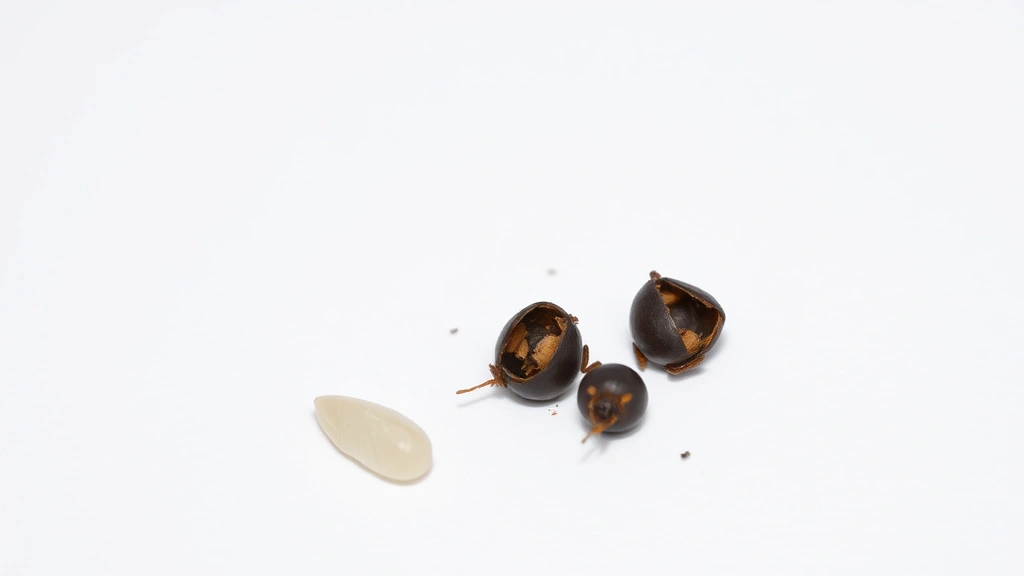
Droppings are the most obvious indicator. Fresh mouse feces are dark, pellet-shaped, and about the size of a grain of rice. You’ll typically find them near food sources, in cabinets, or along walls where mice travel. Old droppings turn gray and crumbly over time.
Gnaw marks appear on food packaging, wood, drywall, and electrical wires. Mice have continuously growing teeth, so they gnaw constantly to keep them filed down. If you notice shredded paper, cardboard, or fabric, that’s likely nesting material being prepared.
Strange odors can indicate a mouse problem, particularly a musty, ammonia-like smell in enclosed spaces. This comes from their urine and feces accumulating in areas they frequent regularly.
Noise is another giveaway. Late at night, you might hear scratching, squeaking, or scurrying sounds behind walls or in the attic. Mice are most active during dawn and dusk, though they can be active any time.
Greasy rub marks along walls and baseboards show where mice regularly travel. Their fur picks up oils and dust, leaving visible trails on surfaces they brush against repeatedly.
If you’re also dealing with other pest issues beyond rodents, you might want to explore how to tackle eliminate ant colonies or remove spiders from your home as part of a comprehensive pest management strategy.
Finding and Sealing Entry Points
Here’s the hard truth: if you don’t seal entry points, you’re fighting a losing battle. New mice will keep entering your home, making your trapping efforts feel like an endless cycle. Mice can squeeze through openings as small as a dime—roughly a quarter-inch gap. This means you need to be thorough and meticulous.
Conduct a thorough inspection of your home’s exterior and interior. Start outside by walking around the foundation, looking for cracks, gaps, or holes. Pay special attention to where utility lines, pipes, and cables enter the home. Check around windows, doors, and vents. Don’t forget the roof line, soffits, and fascia—mice can climb surprisingly well.
Inside, inspect basement walls, crawl spaces, and the area where utilities enter. Look behind appliances and under sinks. Mice often travel along pipes and wires, so trace these pathways and seal any gaps you find.
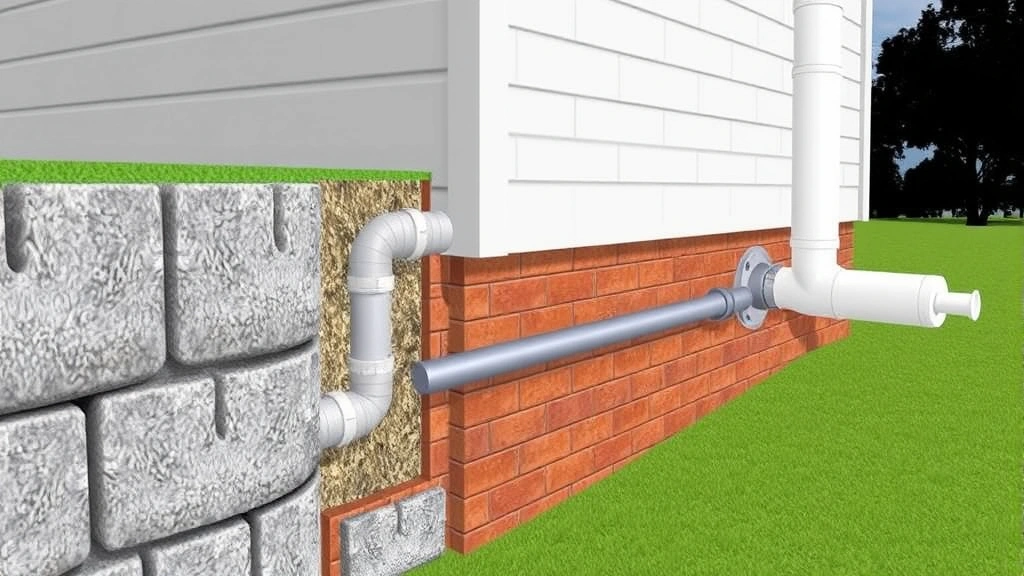
Use appropriate sealants based on the location and gap size. For small cracks and gaps up to a quarter-inch, use quality caulk or silicone sealant. For larger openings, use steel wool, expandable foam, or hardware cloth. Steel wool is particularly effective because mice can’t chew through it. You can also combine steel wool with caulk for added security.
For gaps around pipes and cables, use pipe collars or seal with hardware cloth and caulk. Ensure all vents have proper screening. Foundation vents should have metal mesh or screening that’s securely fastened.
Don’t overlook common entry points like damaged door sweeps, gaps under garage doors, or spaces between siding and foundation. These are prime real estate for mice seeking entry.
Effective Trapping Methods
Once you’ve sealed entry points, it’s time to eliminate the mice already inside. There are several trapping options, each with pros and cons. The most effective approach often combines multiple methods.
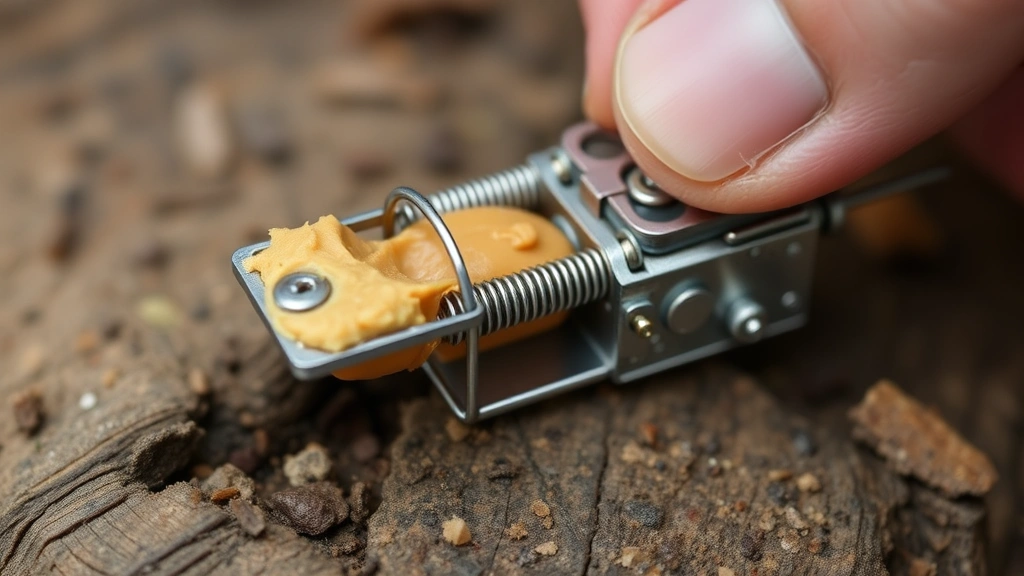
Snap traps are the gold standard for mouse control. They’re fast, effective, and inexpensive. These traditional spring-loaded traps kill mice instantly when triggered. Place them perpendicular to walls where you’ve seen activity, as mice naturally run along walls. Bait them with peanut butter, chocolate, or nesting material. Set multiple traps—one trap catches mice, but several traps catch infestations. Check traps daily and dispose of dead mice promptly using gloves and a sealed bag.
Electronic traps deliver a high-voltage shock that kills mice instantly. They’re more humane than some alternatives and eliminate the squeamishness factor some people have about traditional snap traps. The downside? They’re more expensive and require batteries. They work well when you know exactly where mice are traveling.
Glue traps are controversial but effective. A mouse steps on the sticky surface and becomes trapped. However, many consider them inhumane because the mouse dies slowly. If you use glue traps, check them frequently and dispatch trapped mice humanely.
Live traps allow you to capture and release mice. This appeals to people who don’t want to kill them. However, releasing mice far from your home just makes them someone else’s problem—they often don’t survive relocation anyway. If you use live traps, release mice at least two miles away in a suitable habitat.
For comprehensive guidance on trap selection and placement, Family Handyman offers detailed trap recommendations.
Poison and rodenticides are another option, though they come with significant drawbacks. Poisoned mice may die in hard-to-reach places like walls, creating horrible odor problems. They’re also dangerous around pets and children. If you choose this route, use tamper-resistant bait stations and follow all label instructions carefully.
Prevention Strategies That Work
Prevention is genuinely your best defense. Once you’ve eliminated the current infestation, maintaining a mouse-free home requires consistent effort and attention.
Eliminate water sources that attract mice. Fix leaky pipes and ensure proper drainage around your home. Mice need water daily, so removing this necessity makes your home less appealing. This is particularly important in basements, crawl spaces, and under sinks where moisture accumulates.
Remove clutter and hiding spots from your home. Mice love places to hide—stacked boxes, piles of paper, cluttered closets, and dense storage areas. Store items in clear plastic containers with tight-fitting lids rather than cardboard boxes. Keep basements, attics, and crawl spaces organized and uncluttered.
Trim vegetation and remove debris outside your home. Overgrown bushes and trees provide shelter and highways for mice traveling to your house. Remove fallen branches, leaf piles, and dead vegetation. Keep mulch at least a foot away from your foundation.
Store firewood properly if you have a wood-burning fireplace or stove. Stack it at least 20 feet away from your home and elevate it off the ground. Mice love nesting in firewood piles.
Use chimney caps and vent covers to prevent entry from above. These are inexpensive and incredibly effective at stopping mice from accessing your home through the roof.
Sanitation and Food Storage
Mice are attracted to homes that offer easy food access. Your kitchen is ground zero for mouse problems if food isn’t properly stored and areas aren’t kept clean.
Store all dry goods in airtight containers. Mice can easily chew through paper and cardboard packaging. Transfer flour, cereal, rice, pasta, and other dry foods into glass or heavy plastic containers with tight lids. This eliminates food sources and makes it harder for mice to locate meals.
Clean up spills immediately and don’t leave dirty dishes in the sink overnight. Crumbs on counters and floors are invitations to mice. Sweep and vacuum regularly, paying special attention to areas under appliances where crumbs accumulate.
Secure garbage and compost. Use trash cans with tight-fitting lids and take garbage out regularly. If you compost, use a secure bin with a lid and avoid composting meat, dairy, or oils that particularly attract rodents.
Remove pet food before bedtime. Don’t leave pet bowls out overnight—mice will feast on kibble. Feed your pets during the day and store excess pet food in airtight containers.
Related to overall home maintenance, you might also benefit from learning about maintaining a clean washing machine, as neglected appliances can harbor pests in dark, moist areas.
When to Call the Professionals
Sometimes, despite your best efforts, a mouse infestation requires professional intervention. Recognize when it’s time to bring in an exterminator.
Call professionals if you have a severe infestation with multiple mice visible or numerous droppings throughout your home. If you’ve tried trapping for two weeks without success, professional help is warranted. If mice have accessed your attic or walls extensively, professionals have better tools and techniques for thorough elimination. If you’re uncomfortable handling traps or disposing of dead mice, exterminators can manage this for you.
What to expect from professional pest control includes an initial inspection, identification of entry points, strategic trap placement, and follow-up visits. Most reputable companies offer guarantees on their work and will return if mice reappear within a specified period.
For comprehensive professional guidance, Home Depot’s pest control resources can connect you with local professionals and provide additional information.
Frequently Asked Questions
How long does it take to get rid of mice?
The timeline depends on infestation severity. A single mouse might be trapped within days. A moderate infestation typically takes 1-2 weeks of consistent trapping. Severe infestations may require 3-4 weeks or professional intervention. After eliminating visible mice, continue monitoring for 2-3 weeks to ensure they’re truly gone.
Can mice return after I’ve eliminated them?
Yes, if entry points aren’t sealed, new mice will find their way in. This is why sealing gaps and cracks is absolutely critical. After eliminating an infestation, maintain vigilance by sealing any new gaps that appear and keeping food properly stored. Many people find that mice return seasonally in fall and winter when outdoor temperatures drop.
What’s the best bait for mouse traps?
Peanut butter is highly effective and appeals to most mice. Other good options include chocolate, nesting material like cotton balls, or a combination of peanut butter and oats. Use small amounts of bait—you want the mouse to trigger the trap while reaching for food, not be able to grab bait and escape.
Are ultrasonic repellents effective?
Ultrasonic devices claim to repel mice with high-frequency sounds, but scientific evidence doesn’t support their effectiveness. Mice quickly become accustomed to the noise, and it doesn’t deter them if food and shelter are available. Save your money and invest in proven methods like trapping and sealing entry points.
How do I safely handle dead mice?
Always wear disposable gloves when handling dead mice. Place the mouse in a sealed plastic bag and dispose of it in your trash. Wash your hands thoroughly afterward. If you’re concerned about disease transmission, spray the area with a disinfectant before cleaning. Hantavirus is rare but possible in some regions, so research whether it’s a concern in your area.
Can I use poison if I have pets or children?
This is risky. Pets and children can accidentally ingest poison or eat poisoned mice. If you must use rodenticide, use tamper-resistant bait stations placed in areas where pets and children can’t access them. Snap traps and electronic traps are safer alternatives for households with pets or children.
What if mice are in my walls?
Mice in walls are particularly challenging. Use traps placed in areas where you hear activity. Drill small holes in drywall near the sounds and place traps inside if possible. For severe wall infestations, professional pest control becomes more practical. They can identify entry points and use techniques like one-way doors to exclude mice from walls.
How can I prevent mice from returning in winter?
Winter is prime time for mice seeking warmth. Before cold weather arrives, seal all exterior gaps and cracks, trim vegetation, remove debris piles, and eliminate clutter inside. Store firewood away from the house. Inspect your home monthly for new gaps. Keep food properly stored and maintain cleanliness year-round. These steps create an unwelcoming environment even when outdoor temperatures plummet.
Should I be concerned about diseases from mice?
Yes, mice can carry hantavirus, leptospirosis, and salmonella. However, transmission is relatively rare if you take precautions. Always wear gloves when handling dead mice or droppings. Avoid sweeping dried droppings, which can aerosolize the virus—instead, spray with disinfectant first. Wash hands thoroughly after any contact. If you’re in an area with known hantavirus cases, consult your local health department for specific guidance.

Related Posts

How Long to Boil Lobster Tails: Cooking Guide

How Long to Fly from New York to London? Travel Times
