
How to Get Nail Polish Out of Clothes: Expert Tips
How to Get Nail Polish Out of Clothes: Expert Tips
We’ve all been there—you’re painting your nails, feeling fabulous, and then it happens. A sudden movement, a sneeze, or just plain clumsiness sends that bottle flying straight onto your favorite shirt. The panic sets in. That vibrant red, deep burgundy, or trendy holographic shade is now decorating your garment instead of your fingertips, and you’re wondering if it’s ruined forever.
Here’s the good news: nail polish doesn’t have to be a permanent fashion statement on your clothes. With the right approach and a bit of patience, you can tackle this sticky situation and restore your garment to its former glory. The key is acting quickly and understanding that different fabrics and polish types require slightly different strategies.
Whether you’re dealing with fresh wet polish or a stubborn dried stain that’s been sitting for days, this guide will walk you through proven methods that actually work. We’ll cover everything from common household solutions to specialized treatments, plus insider tips that professionals use to handle these mishaps.
Act Fast: The First 60 Seconds
The moment nail polish touches your clothing, you’re in a race against time. Fresh polish is significantly easier to remove than dried polish because the solvents haven’t fully evaporated yet. Your immediate actions will determine whether this becomes a minor inconvenience or a major wardrobe disaster.
First, don’t panic and don’t rub the stain. Rubbing will only push the polish deeper into the fabric fibers, making removal exponentially harder. Instead, grab a clean white cloth or paper towel and gently blot the excess polish from the surface. Work from the outside edges of the stain toward the center to prevent spreading.
Next, assess what you’re dealing with. Is it still wet and glossy? Can you see shine on the surface? If so, you’re in the optimal window for removal. Move the garment to a well-ventilated area—nail polish fumes aren’t pleasant, and ventilation helps the solvent work more effectively. If possible, lay the stained area flat on a clean white cloth to absorb the polish as it lifts.
Now here’s a critical tip: check the garment’s care label immediately. Some delicate fabrics simply cannot handle aggressive solvent treatments. If your piece is silk, cashmere, or has a special finish, you may want to consult professional dry cleaners rather than risk damage. However, most cotton blends, polyester, and standard fabrics can handle the treatments we’ll discuss.
Removing Wet Nail Polish
When you catch the stain while it’s still wet, you have several effective options at your disposal. The most accessible solution is right in your medicine cabinet or under your bathroom sink.
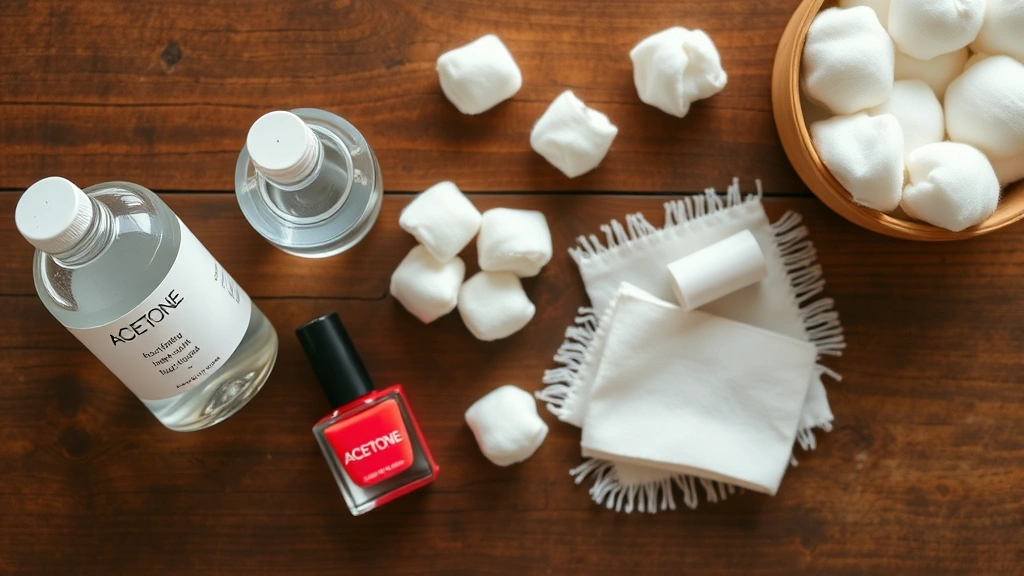
Acetone Method (Most Effective): Acetone is the primary ingredient in most nail polish removers, and it’s incredibly effective at dissolving wet polish. However, pure acetone can damage certain fabrics and dyes, so test it on an inconspicuous area first. Saturate a cotton ball or small cloth with acetone-based nail polish remover and dab it onto the wet stain. You’ll notice the polish beginning to dissolve almost immediately. Continue dabbing and blotting until the stain lifts. Once the bulk of the polish is removed, rinse the area with cool water and treat it like a normal laundry stain.
Pro tip: If you’re using acetone on a delicate or colored fabric, dilute it slightly with water to reduce its intensity. This slows the process but minimizes fabric damage risk.
Rubbing Alcohol Alternative: If you don’t have acetone or prefer a gentler approach, isopropyl rubbing alcohol works surprisingly well on wet polish. It won’t dissolve the polish as quickly as acetone, but it’s safer for most fabrics. Apply it the same way—dab and blot repeatedly until the stain transfers to your cloth.
The beauty of catching wet polish is that you’re essentially transferring it from fabric to cloth rather than trying to chemically break down a hardened stain. Keep switching to clean sections of your cloth as the polish transfers, and you’ll see visible progress with each dab.
Tackling Dried Polish Stains
Dried nail polish presents a different challenge entirely. Once polish has cured, the solvents have evaporated, and the remaining lacquer has hardened into a plastic-like coating on your fabric. This requires more aggressive tactics and patience.
The Freezing Method: Place the garment in your freezer for 2-3 hours. The cold makes the hardened polish brittle. Remove the garment and gently scrape the polish with a butter knife or plastic scraper. Work carefully to avoid damaging the fabric. You’ll hear a slight cracking sound as the polish breaks apart. Collect the flakes as they come loose. This method works best on sturdy fabrics like denim or cotton.
Heat and Scrape Technique: Alternatively, some people swear by applying heat. Use a hair dryer on medium heat to warm the dried polish for 30-60 seconds. The warmth can soften the lacquer slightly, making it more pliable. Immediately follow with gentle scraping. Be cautious with this method on synthetic fabrics, as excessive heat can damage them.
Once you’ve removed the bulk of the dried polish through scraping, you’ll likely have a stain or residue remaining. This is where solvent treatments come in. Apply acetone or rubbing alcohol and let it sit for 5-10 minutes, allowing the solvent to penetrate the remaining polish residue. Then gently scrub with a soft-bristled brush or old toothbrush. The combination of mechanical removal (scraping) and chemical dissolution (solvent) is far more effective than either method alone.
Fabric-Specific Strategies
Different fabrics require different approaches. Understanding your garment’s composition helps you choose the safest and most effective method.
Cotton and Cotton Blends: These durable fabrics are forgiving and can handle most treatments. Acetone-based nail polish remover works well on cotton. After treating with solvent, rinse thoroughly with cool water, then wash with regular detergent using the warmest water the garment can tolerate.
Delicate Fabrics (Silk, Satin, Chiffon): These require a gentler touch. Avoid pure acetone entirely. Instead, use diluted rubbing alcohol or consider professional dry cleaning. If you must treat it yourself, test any solution on a hidden seam first. Work slowly and avoid aggressive scrubbing.
Synthetic Fabrics (Polyester, Nylon, Acrylic): These can be tricky because some solvents may damage or discolor them. Test acetone on a hidden area first. If it’s safe, proceed carefully. Many synthetics respond well to rubbing alcohol as a gentler alternative.
For removing similar stubborn stains, you might find our guide on how to get Sharpie out of clothes helpful, as the principles of treating permanent stains overlap. Additionally, if you’ve dealt with how to get grease out of clothes, you understand that different stain types require different chemical approaches.
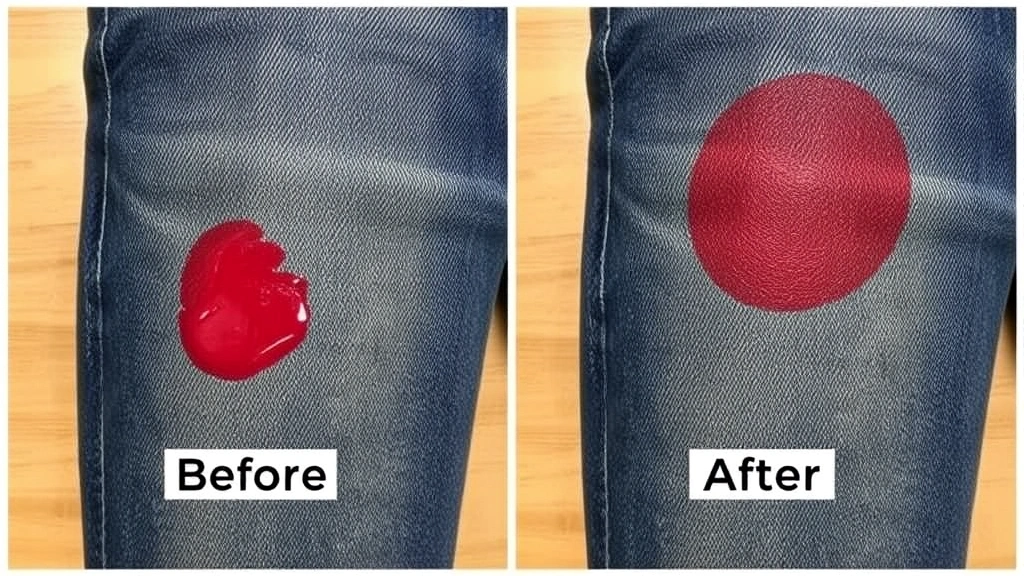
Denim and Heavy Cotton: These workhorses can handle aggressive treatment. Acetone works beautifully on denim. Don’t be afraid to scrub firmly with a brush after applying solvent. The thick fibers won’t be damaged by vigorous cleaning.
Household Solutions That Work
Not everyone has acetone on hand, and some prefer natural or gentler alternatives. Several common household items can effectively remove nail polish from clothing.
Hairspray: Surprisingly effective, hairspray contains solvents that can dissolve polish. Spray the stain generously and let it sit for a minute. Blot with a clean cloth and repeat as needed. This works best on wet or fresh polish.
Hand Sanitizer: The alcohol content in hand sanitizer makes it useful for polish removal. Apply it to the stain, let it sit briefly, and blot. It’s gentler than pure acetone, making it suitable for more delicate fabrics.
Vinegar and Baking Soda: For a natural approach, make a paste with white vinegar and baking soda. Apply it to the dried polish stain and let it sit for 15-20 minutes. The mild abrasive action combined with vinegar’s slight acidity can help loosen the polish. Gently scrub with an old toothbrush, then rinse thoroughly.
Lemon Juice: The citric acid in lemon juice has mild solvent properties. Soak the stained area in lemon juice for 10-15 minutes, then gently scrub and rinse. This works better on lighter stains and is quite gentle on fabrics.
Rubbing Alcohol (Isopropyl Alcohol): This is probably the most reliable household alternative to acetone. Most homes have it for first aid purposes. It works on both wet and dried polish, though it’s slower than acetone. Apply liberally, let it sit for a few minutes, and blot repeatedly.
Professional and Commercial Methods
Sometimes, calling in the professionals or using specialized products is the smartest choice, especially for valuable or delicate garments.
Professional Dry Cleaning: This is your safest bet for expensive clothing, delicate fabrics, or if home treatments haven’t worked. Professional cleaners have access to specialized solvents and equipment designed to remove stubborn stains without damaging fabric. They also have experience with various fabric types and can assess whether a stain is removable before proceeding.
Specialized Stain Removers: Products like Fels-Naptha, Zout, or OxiClean are designed for tough stains. Follow package directions carefully. Some work best on wet stains, while others are formulated for dried stains. These commercial products are often more powerful than household solutions.
Enzyme-Based Cleaners: These break down organic compounds and can be surprisingly effective on polish residue. Apply according to package directions and allow adequate processing time before washing.
For those dealing with other stubborn stains, similar professional approaches work well. If you’re curious about other challenging cleaning situations, our article on how to remove static from clothes covers fabric care comprehensively, and understanding how to properly care for your garments prevents many cleaning issues from becoming permanent problems.
Prevention Tips for Future Spills
While knowing how to remove nail polish is valuable, prevention is always better than cure. A few simple precautions can save you from future staining headaches.
Create a Dedicated Nail Station: Designate a specific area for nail painting—ideally a bathroom or laundry room with easy-to-clean surfaces. Keep your clothes out of this zone entirely. Use old towels or newspaper to protect surfaces beneath your work area.
Wear Protective Clothing: When painting your nails, wear an old shirt or apron you don’t mind potentially staining. This simple step eliminates the risk to your favorite clothes. Many people keep a designated “nail painting shirt” specifically for this purpose.
Use a Nail Polish Holder or Caddy: Specialized nail polish organizers keep bottles upright and stable, reducing the chance of spills. These are inexpensive and widely available at beauty supply stores or online retailers.
Apply Slowly and Carefully: Rushing through nail application increases accident risk. Take your time, steady your hand against a table, and work deliberately. The few extra minutes spent on careful application can save hours of stain removal work.
Keep Remover Handy: Always have acetone-based nail polish remover in your home. In a pinch, rubbing alcohol works too. Quick action immediately after a spill dramatically improves removal success rates.
Seal Your Workspace: If you have children or pets, consider painting nails in a closed room to prevent accidental contact with your clothes. A closed door provides an extra barrier against mishaps.
Frequently Asked Questions
Will nail polish permanently stain my clothes?
Not necessarily. Most nail polish stains can be removed with prompt action and the right treatment method. Fresh, wet polish is almost always removable. Even dried stains can often be eliminated with patience and the proper technique. The key is acting quickly and choosing the appropriate removal method for your fabric type.
Can I use regular nail polish remover on all fabrics?
No. While regular (acetone-based) nail polish remover works on many fabrics, it can damage delicate materials like silk, satin, and some synthetics. Always test on a hidden area first. For delicate fabrics, use diluted rubbing alcohol or consult a professional dry cleaner.
What’s the difference between acetone and non-acetone nail polish removers?
Acetone is a powerful solvent that dissolves polish quickly but can be harsh on fabrics and skin. Non-acetone removers use alternative solvents like ethyl acetate and are gentler but work more slowly. For clothing stains, acetone-based removers are more effective, but non-acetone options are safer for delicate fabrics.
How long should I wait before washing the garment after treatment?
After removing the polish and rinsing with water, wash the garment with regular detergent as soon as possible. Don’t let the treated area dry completely before washing, as this can set any remaining stain. Use warm water and your normal wash cycle unless the garment label specifies otherwise.
What if the stain remains after treatment?
If home treatments don’t fully remove the stain, professional dry cleaning is your next step. Don’t put the garment in the dryer, as heat can set remaining stain residue permanently. Keep it damp and take it to a professional who can apply specialized treatments.
Can I use nail polish remover on white clothes?
Yes, acetone-based removers are actually ideal for white fabrics since they won’t cause discoloration. However, always test on a hidden area first to ensure the fabric can handle the solvent. Colored fabrics are more at risk of discoloration from acetone.
Is there a difference in removing gel polish versus regular polish from clothes?
Yes. Gel polish is more durable and requires harsher solvents. If you’re wondering about the removal process, our guide on how to remove gel nail polish explains the differences. For clothes, gel polish stains may require professional treatment or stronger solvents than regular polish.
Should I use hot or cold water when rinsing?
Use cool to warm water, not hot. Hot water can set stains and may damage certain fabrics. Cool water is safest for rinsing after solvent treatment. Once you’ve rinsed thoroughly, you can use your normal wash temperature based on the garment’s care label.
Can I prevent nail polish stains by wearing nail polish protector products?
Some nail care products claim to make polish easier to remove, but they won’t prevent spills from happening. Your best prevention strategy remains careful application, protective clothing, and a dedicated nail painting workspace.
What should I do if the polish has been on the garment for weeks?
Older stains are more stubborn but often still removable. Start with the freezing method to make the polish brittle, scrape away what you can, then apply solvent and let it sit longer—20-30 minutes instead of 5-10. You may need multiple treatment rounds. If home methods fail, professional dry cleaning is your best option.
For additional stain-fighting wisdom and fabric care tips, consider exploring our comprehensive guides on related topics. Understanding fabric care principles helps you maintain your wardrobe and tackle unexpected accidents with confidence.
The bottom line: nail polish on your clothes isn’t a fashion emergency. With quick action, the right solvent, and proper technique for your specific fabric, you can restore your garment to its pristine condition. Keep this guide handy for future reference, and remember that prevention through careful nail painting practices is always your first line of defense.

Related Posts

How Long to Boil Lobster Tails: Cooking Guide

How Long to Fly from New York to London? Travel Times
