
How to Clean Jewelry: Expert Tips and Techniques
How to Clean Jewelry: Expert Tips and Techniques
Your jewelry tells a story. That heirloom necklace passed down through generations, the engagement ring that marks a life milestone, the delicate bracelet you treat yourself to on special occasions—these pieces deserve more than just a quick rinse under the tap. Yet most of us are stumbling around in the dark when it comes to proper jewelry care, unsure whether we’re helping or harming our treasured accessories.
The truth is, cleaning jewelry doesn’t require fancy equipment or expensive professional services every single time. With the right knowledge and a few household staples, you can restore your pieces to their original sparkle and brilliance. This guide walks you through everything you need to know about keeping your jewelry looking pristine, from delicate pearls to bold gold statement pieces.
Whether you’re dealing with everyday wear that’s accumulated grime or pieces that haven’t seen the light of day in months, you’ll find practical, actionable solutions here. Let’s dive into the art and science of jewelry maintenance.
Understanding Your Jewelry Materials
Before you start scrubbing, it’s crucial to understand what you’re working with. Different metals and gemstones require different approaches, and using the wrong method can actually damage your precious items. The materials in your jewelry determine everything from water temperature to cleaning solution strength.
Common jewelry metals include gold (yellow, white, and rose), silver, platinum, and various alloys. Each has unique properties and vulnerabilities. Gold is relatively soft and durable, while silver tarnishes easily when exposed to air and sulfur compounds. If you’re unsure about your metal composition, check any stamps inside the piece—these indicate purity levels and help guide your cleaning approach.
Gemstones present their own considerations. Some stones are incredibly durable and can withstand vigorous cleaning, while others are fragile and require gentle handling. Understanding the Mohs hardness scale helps here: diamonds score 10 (the hardest), while pearls score only 2.5 to 4.5 (quite soft). This fundamental difference explains why you wouldn’t clean a pearl the same way you’d clean a diamond.
Basic Cleaning Methods
Let’s start with the fundamentals. Most jewelry responds beautifully to gentle, consistent care using simple methods you probably have at home right now.
The Gentle Soak and Brush Method
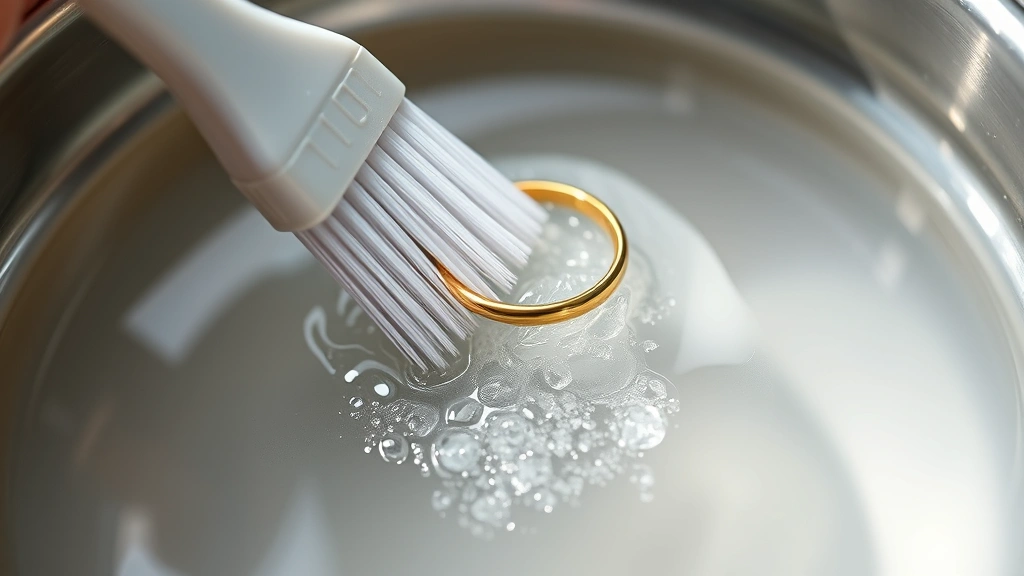
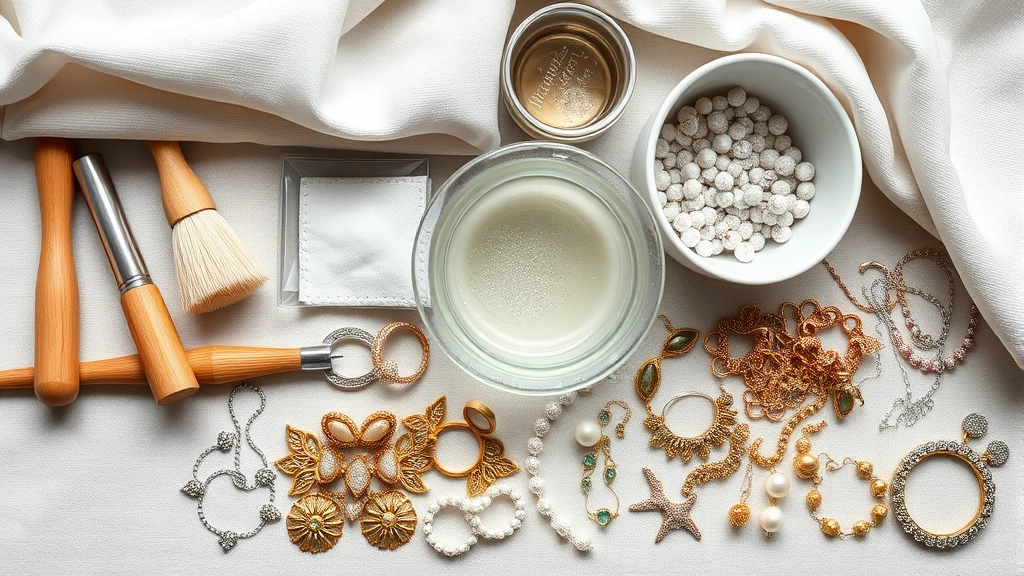
This is your go-to technique for most pieces. Fill a small bowl with lukewarm water and add a few drops of mild dish soap—nothing harsh or abrasive. Let your jewelry soak for 10 to 15 minutes to loosen dirt and oils. Use a soft-bristled brush (an old toothbrush works perfectly) to gently scrub around settings and crevices where grime accumulates. Pay special attention to the back of stones where buildup hides easily.
Rinse thoroughly under running water and pat dry immediately with a soft, lint-free cloth. This prevents water spots and mineral deposits from drying on the surface. Never let jewelry air dry, as this can leave residue that dulls the finish.
The Baking Soda Paste
For tarnished or heavily soiled pieces, baking soda works wonders. Mix three parts baking soda with one part water to create a thick paste. Apply it to your jewelry using a soft cloth, working in gentle circular motions. This mild abrasive removes tarnish and buildup without being too harsh. Rinse well and dry immediately.
This method is particularly effective for cleaning sterling silver pieces that have developed a dark patina. However, avoid this technique on delicate gemstones or pieces with adhesive-set stones, as the slight abrasiveness could cause damage.
Metal-Specific Cleaning Techniques
Different metals require tailored approaches for optimal results. Understanding these nuances ensures your jewelry maintains its beauty and value.
Gold Jewelry
Gold is wonderfully low-maintenance. The gentle soak method works beautifully for most gold pieces. For yellow and rose gold, this simple approach is usually all you need. White gold can be trickier since it’s often rhodium-plated, and excessive scrubbing can wear through this protective coating.
If your gold jewelry has lost its luster, a professional jeweler can re-plate white gold pieces. For routine maintenance, stick with the gentle soak and soft brush approach. Avoid harsh chemicals and abrasive cleaners that can scratch the surface.
Silver Jewelry
Silver requires more attention due to its tendency to tarnish. The good news is that techniques similar to cleaning brass can be adapted for silver care. For heavily tarnished pieces, try the aluminum foil method: line a bowl with aluminum foil, add your silver jewelry, pour boiling water over it, and add a tablespoon of baking soda. The chemical reaction transfers the tarnish to the foil. Let it sit for 10 minutes, then rinse and dry.
For regular maintenance, the baking soda paste or a commercial silver cloth works well. Store silver in airtight containers to minimize tarnishing between cleanings.
Platinum Jewelry
Platinum is exceptionally durable and resistant to tarnishing. It responds well to the gentle soak method and can handle slightly more vigorous cleaning than other metals. Use warm water, mild soap, and a soft brush. Platinum doesn’t require special storage conditions and is relatively low-maintenance compared to other precious metals.
Gemstone Care and Cleaning
Gemstones demand respect and careful handling. The method you use depends entirely on the stone type and its durability.
Diamonds
Diamonds are incredibly hard but can be brittle at the edges. Before you assume your diamond is real, get proper verification. Once confirmed, diamonds handle vigorous cleaning well. The gentle soak method works perfectly, and you can use a slightly stiffer brush on the stone itself. For stubborn buildup on diamond engagement rings, a professional ultrasonic cleaning works beautifully—though this isn’t necessary for routine maintenance.
Pearls
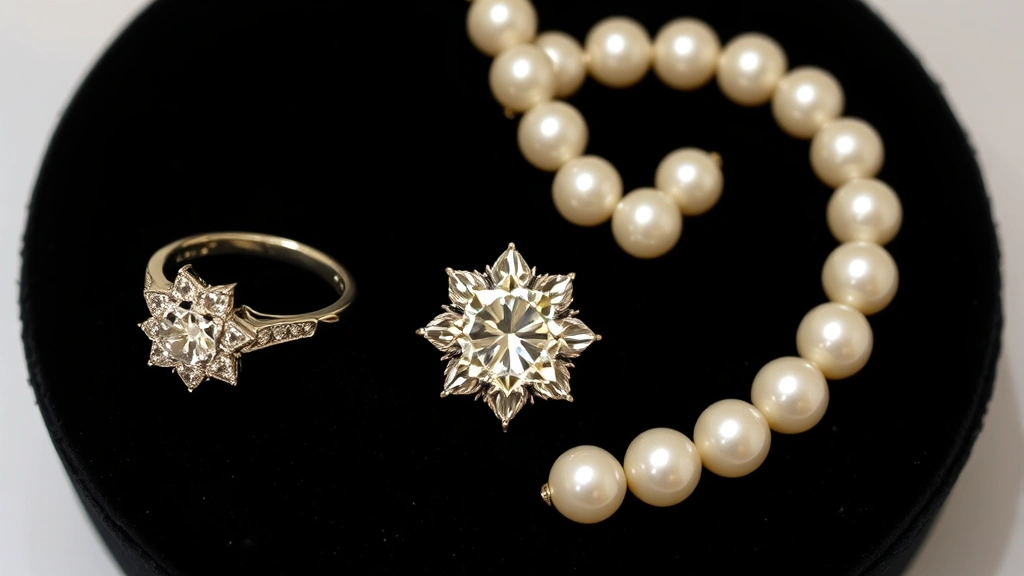
Pearls are delicate and require the gentlest touch. Never soak pearls in water, as moisture can seep into the nucleus and damage the piece. Instead, wipe them gently with a slightly damp soft cloth immediately after wearing. Store pearls in a separate compartment to prevent scratching from harder stones.
If you’re unsure whether your pearls are real or costume, treat them as authentic until proven otherwise. Real pearls are an investment worth protecting. Never use commercial jewelry cleaners on pearls, and avoid exposing them to perfume, hairspray, or cosmetics.
Colored Gemstones
Rubies and sapphires are quite durable (9 on the Mohs scale) and handle the gentle soak method well. Emeralds are more fragile due to natural inclusions and often have surface fractures. Treat emeralds with extra care—soak them briefly in lukewarm water with mild soap, but skip the brush and use only your fingers or a soft cloth.
Opals and turquoise are porous and sensitive to water and chemicals. Wipe these with a barely damp cloth and dry immediately. Avoid soaking them entirely. When in doubt about a gemstone’s durability, consult a jeweler before attempting cleaning.
Cleaning Special and Delicate Pieces
Certain jewelry items need customized approaches due to their construction or materials.
Vintage and Antique Jewelry
Older pieces often have delicate settings and may include glued-in stones that modern pieces don’t. Never soak vintage jewelry without knowing its construction. Instead, use the gentle wipe-down method with a barely damp cloth. If you’re unsure about authenticity or construction, consult a professional jeweler before attempting any cleaning.
Costume Jewelry
Costume pieces with plated finishes or glued elements require gentle care. Skip the soaking method entirely. Instead, wipe these pieces with a barely damp soft cloth and dry immediately. Avoid harsh chemicals that can strip plating or dissolve adhesives.
Jewelry with Multiple Materials
Pieces combining different metals and gemstones need a balanced approach. Clean the most delicate component first, using methods suitable for it. For example, if you have a gold ring with pearl accents, treat it as you would a pearl piece to protect the pearl, even though gold could handle more vigorous cleaning.
Jewelry with Enamel Work
Enameled pieces are beautiful but fragile. The enamel coating can chip or crack with improper handling. Wipe these gently with a barely damp cloth and avoid soaking. Never use abrasive cleaners or brushes on enamel work.
Prevention and Storage Tips
The best cleaning routine is one you don’t need because you’ve prevented damage in the first place.
Daily Habits
Remove jewelry before showering, swimming, or exercising. Chlorine in pools and hot water from showers can damage certain gemstones and weaken adhesive-set stones. Avoid wearing jewelry while doing dishes or cleaning—harsh soaps and hot water aren’t ideal for most pieces. Put jewelry on last when getting dressed and take it off first when undressing, after cosmetics, perfume, and hairspray have dried.
Storage Solutions
Store jewelry in a cool, dry place away from direct sunlight. Sunlight can fade certain gemstones over time. Use individual compartments or soft pouches to prevent pieces from scratching each other. Avoid storing jewelry in bathrooms where humidity fluctuates dramatically. For valuable pieces, consider a safe deposit box or home safe.
Pearls and opals particularly benefit from humidity-controlled storage. Store them in soft cloth pouches rather than rigid boxes. Silver should be stored in airtight containers or with tarnish-prevention strips to minimize oxidation.
Regular Maintenance
Clean your jewelry regularly rather than waiting until it’s heavily soiled. A quick wipe with a soft cloth after each wearing takes seconds and prevents buildup. Monthly deep cleaning keeps pieces looking their best. This preventative approach reduces the need for intensive cleaning that could potentially damage delicate pieces.
When to Seek Professional Help
Some situations definitely call for a jeweler’s expertise. If your jewelry has loose stones, broken prongs, or damaged settings, don’t attempt to clean it yourself. Professional jewelers can repair these issues while cleaning your piece properly.
Valuable heirloom pieces or items you’re uncertain about should be cleaned professionally. Jewelers have specialized equipment like ultrasonic cleaners and steamers that work beautifully for appropriate pieces. They also understand complex constructions and can clean without causing damage.
If you notice discoloration that doesn’t respond to gentle cleaning, or if a piece develops an unusual appearance, consult a professional. Sometimes what looks like damage is simply a protective coating that needs professional restoration.
Frequently Asked Questions
Can I use toothpaste to clean jewelry?
While toothpaste might seem logical, it’s actually too abrasive for most jewelry. Toothpaste contains fine particles designed to clean teeth, which can scratch softer metals and gemstones. Stick with baking soda paste or mild soap and water instead.
Is it safe to use vinegar on jewelry?
White vinegar can work on some metals like gold and silver, but it’s acidic and can damage certain gemstones and delicate settings. If you choose to use vinegar, dilute it heavily (one part vinegar to three parts water) and use it only on sturdy pieces without delicate stones. Most other methods are safer and equally effective.
How often should I clean my jewelry?
Daily-wear pieces benefit from a quick wipe with a soft cloth after wearing. Monthly deep cleaning keeps most jewelry looking pristine. Pieces worn less frequently can be cleaned quarterly. Heavily soiled or tarnished pieces may need more frequent attention.
Can I clean jewelry in the dishwasher?
Absolutely not. Dishwashers use high temperatures, harsh detergents, and intense water pressure that can loosen stones, strip plating, and damage delicate pieces. Hand cleaning is always the safer choice.
What’s the best way to remove stuck-on dirt?
Soak the piece longer (20-30 minutes) in warm soapy water to soften buildup. Use a soft brush or even an old toothbrush to gently dislodge particles. For stubborn buildup in crevices, a soft cloth wrapped around a toothpick can help without causing damage. Never use sharp objects directly on the jewelry.
Should I clean jewelry before storing it?
Yes. Clean pieces before storage to prevent dirt and oils from hardening onto the surface. This also prevents tarnish from forming on stored silver. A quick wipe with a soft cloth is sufficient if you’ve cleaned the piece recently.
Can I use commercial jewelry cleaners?
Commercial cleaners vary widely in strength and suitability. Some are excellent for specific metals or stones, while others are too harsh. Always read labels carefully and test on less valuable pieces first. For most routine cleaning, simple soap and water works just as well without the risk.
How do I know if a piece needs professional cleaning?
If you notice loose stones, damaged settings, unusual discoloration, or if your piece hasn’t been professionally cleaned in several years, it’s time to visit a jeweler. Professional cleaning combined with inspection can catch problems before they become serious.
Is ultrasonic cleaning safe for all jewelry?
No. Ultrasonic cleaners can damage pearls, opals, emeralds, and other delicate or porous stones. They can also loosen stones in older pieces with weaker settings. Only use ultrasonic cleaning on robust pieces with secure settings, or let a professional jeweler decide if it’s appropriate.
What about removing rust from jewelry?
Rust on jewelry usually indicates the piece contains iron or is stored in very humid conditions. Remove the piece from the humid environment immediately. For light rust, try the baking soda paste method. Significant rust may require professional restoration to prevent further damage.

Related Posts

How Long to Boil Lobster Tails: Cooking Guide

How Long to Fly from New York to London? Travel Times
