

How to Apply Cologne: Expert Tips
How to Apply Cologne: Expert Tips for Maximum Impact and Longevity
There’s an art to applying cologne that goes far beyond simply spraying it on and hoping for the best. Whether you’re preparing for a casual day at the office or a special evening out, understanding the nuances of cologne application can transform how your fragrance performs and how others perceive you. Most people don’t realize that the way you apply cologne directly affects its longevity, projection, and overall effectiveness.
Cologne is more than just a grooming product—it’s a form of self-expression. The right application technique ensures that your chosen scent complements your natural chemistry rather than overwhelming it or fading within an hour. This guide walks you through everything you need to know about applying cologne like a true connoisseur, from understanding fragrance concentration to mastering the pulse point technique.
Think of cologne application as a skill similar to other personal grooming practices. Just as you’d take time to sharpen a knife properly or fold a pocket square with precision, applying cologne deserves your attention and intention. The difference between amateur and expert application often comes down to a few key principles that we’ll explore in detail.
Understanding Cologne Concentration and Types
Before you even think about application, it’s crucial to understand what you’re working with. Cologne isn’t a one-size-fits-all category—fragrance products vary significantly in their concentration levels, which directly impacts how you should apply them.
Eau de Cologne (EDC) contains approximately 2-4% fragrance oils, making it the lightest option. It’s refreshing and subtle, perfect for daytime wear or those who prefer minimal scent projection. Because of its low concentration, you can be more generous with application without overwhelming others.
Eau de Toilette (EDT) sits in the middle with 5-8% fragrance concentration. This is the most common type you’ll encounter and offers a nice balance between longevity and subtlety. It’s versatile enough for both professional and casual settings.
Eau de Parfum (EDP) contains 15-20% fragrance oils, making it significantly more potent. A little goes a long way with EDP, and you should apply it more sparingly than EDT or EDC. This concentration is ideal for evening wear or when you want your fragrance to make a statement.
Parfum (Pure Fragrance) is the most concentrated at 20-30% fragrance oils. It’s luxurious, long-lasting, and demands minimal application. If you’re wearing pure fragrance, restraint becomes your best friend.
Understanding your specific product’s concentration helps you calibrate the right amount to apply. A quick glance at the bottle’s label or a conversation with a fragrance specialist will tell you exactly what you’re working with.
Preparing Your Skin for Application
The canvas matters as much as the paint. Your skin’s condition directly influences how cologne develops and performs throughout the day. Proper preparation ensures maximum longevity and optimal scent projection.
Start with clean skin. Apply cologne after showering when your skin is clean but still slightly damp. This moisture helps the fragrance molecules disperse more evenly and can actually extend its longevity. The hydrated skin acts as a better base for fragrance absorption.
Moisturize strategically. Dry skin causes fragrance to dissipate faster because there’s less moisture to hold the scent molecules. Apply an unscented or lightly scented moisturizer to your pulse points before applying cologne. This creates an ideal environment for fragrance longevity. Some people even use fragrance-free body oils for this purpose.
Avoid competing fragrances. Don’t layer your cologne with heavily scented body washes, deodorants, or aftershaves unless they’re specifically designed to complement each other. Conflicting scents create an unpleasant olfactory experience. If you’re particular about your fragrance wardrobe, consider using unscented or lightly scented body care products.
Just as you’d carefully measure hips for proper fit, taking time to prepare your skin properly sets the foundation for cologne application success. This foundational step shouldn’t be rushed.

The Pulse Point Method: Where and How to Apply
The pulse point technique is the gold standard in fragrance application. Pulse points are areas where your body naturally generates heat, which amplifies fragrance and helps it project naturally throughout the day.
The neck and jawline. These are perhaps the most popular application points. The heat generated in your neck area helps the fragrance develop and project upward toward your face and those around you. Apply cologne to the side of your neck, just below your ear, or along your jawline. One to two spritzes per side is typically sufficient.
Inside the wrists. Many people apply cologne here, and for good reason. Your wrists generate significant heat and the fragrance develops beautifully on this pulse point. However, avoid rubbing your wrists together after application—this breaks down fragrance molecules and actually diminishes longevity. Simply let it air dry.
Behind the ears. This often-overlooked pulse point is excellent for subtle fragrance projection. It’s particularly useful if you want your cologne noticed mainly by people close to you rather than broadcasting it to an entire room.
The chest and upper torso. Spraying cologne on your chest creates a subtle fragrance cloud around your core. This technique works especially well if you’re wearing a shirt or jacket that will warm the fragrance throughout the day. One or two spritzes to the upper chest is plenty.
Inside the elbows. Though less commonly used, the inside of your elbows are legitimate pulse points that can extend fragrance longevity. This works particularly well if you’re wearing short sleeves.
The key principle behind all pulse point application is this: heat activates fragrance. By applying cologne to naturally warm areas of your body, you’re allowing the scent to develop and project optimally.
Expert Application Techniques
Now that you understand where to apply cologne, let’s discuss the actual techniques that separate amateurs from experts.
The spray method. Hold the bottle 3-6 inches away from your skin and spray once or twice per pulse point location. The distance matters because spraying too close concentrates the fragrance too heavily in one spot, while spraying too far results in excessive misting and waste. One full spray (not two quick half-sprays) is often ideal for most fragrances.
The dab method. Some prefer dabbing cologne onto their skin using the bottle’s atomizer or a cotton ball. This gives you precise control and prevents over-application. It’s particularly useful for high-concentration fragrances like eau de parfum or pure fragrance where a little truly goes a long way.
The body spray technique. If you’re using a body spray or atomizer with a wider dispersal pattern, you can spray once across your chest and neck area, allowing the fragrance to settle naturally. This creates a more subtle overall effect rather than concentrated pulse point application.
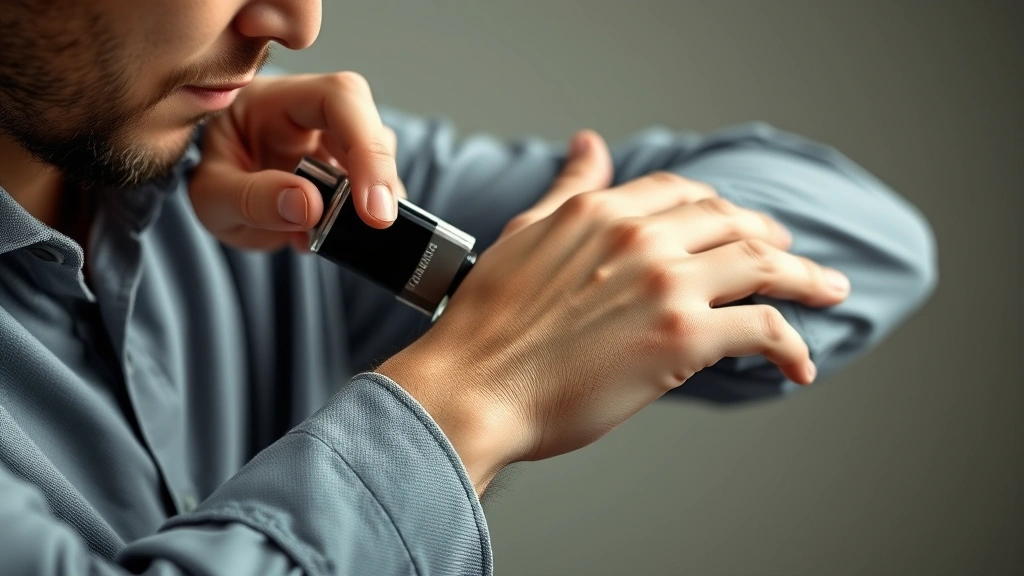
The technique you choose depends on your fragrance concentration, personal preference, and the occasion. A light eau de cologne might benefit from the spray method applied generously to multiple pulse points, while a concentrated eau de parfum works better with the precise dab method applied to just one or two locations.
Consider how you approach other personal grooming tasks. If you’re someone who appreciates precision, like when you style curtain bangs or tell if pearls are real, you’ll probably prefer the dab method. If you prefer simplicity and consistency, the spray method might be your go-to.
Timing and Duration Strategies
When you apply cologne matters just as much as how you apply it. Strategic timing ensures your fragrance is at its best when you need it most.
Apply before getting dressed. The best practice is to apply cologne immediately after showering, while your skin is clean and slightly damp, but before putting on clothes. This allows the fragrance to settle and develop properly. Applying cologne after dressing can result in scent transferring to your clothes rather than your skin, which affects how it develops.
Allow drying time. Wait 5-10 minutes after application before leaving the house. This allows the top notes to settle and the fragrance to develop properly. Rushing out immediately after application means you might catch the harshest, most volatile components of the scent before it has time to balance out.
Reapplication strategy. Most fragrances last 4-8 hours depending on concentration and skin chemistry. Rather than reapplying the same amount you used in the morning, use less for touch-ups. A single spray to one pulse point is often sufficient to refresh your fragrance during the day. Reapplying too heavily can result in fragrance fatigue—where you and others around you become nose-blind to the scent.
Occasion-based timing. For evening events, apply cologne 30 minutes to an hour before you leave home. This gives the fragrance time to develop and settle, ensuring you arrive smelling your best rather than smelling like you just applied cologne. For important meetings or dates, apply cologne in the morning so it has time to meld with your skin chemistry by the time you meet the other person.
Understanding fragrance longevity also helps with timing. According to Fragrantica, a leading fragrance database, most fragrances follow a predictable timeline: top notes (most volatile) last 5-15 minutes, heart notes develop over the next 15-60 minutes and last several hours, and base notes emerge gradually and provide longevity lasting many hours.
Common Mistakes to Avoid
Even with good intentions, people frequently make application mistakes that diminish their fragrance’s effectiveness or create unpleasant experiences for others.
Over-application. This is the most common mistake. More cologne doesn’t equal better fragrance—it just means you’re overwhelming everyone nearby. If you can smell your fragrance strongly when you’re just sitting still, you’ve applied too much. A good rule of thumb: if you can’t smell it yourself, others probably can. You should be able to detect your fragrance only when you move or when someone gets close to you.
Spraying directly on clothes. Cologne applied to fabric rather than skin develops differently and can stain lighter-colored clothing. More importantly, it doesn’t interact with your body heat, so it won’t develop properly. Always apply to skin, preferably at pulse points.
Rubbing wrists together. As mentioned earlier, this breaks down fragrance molecules and actually reduces longevity. Apply cologne to your wrists and let it air dry naturally.
Applying to dry skin. Fragrance lasts significantly longer on hydrated skin. If your skin is dry, apply an unscented moisturizer first. This is particularly important during winter months or in dry climates.
Mixing fragrances inconsistently. If you’re going to layer fragrances (wearing cologne over a scented body wash or aftershave), make sure they complement each other or are specifically designed to work together. Random fragrance combinations create olfactory chaos.
Ignoring your skin chemistry. The same cologne smells different on different people because of individual skin chemistry, diet, hormones, and other factors. What smells amazing on your friend might not work as well on you. Always test a fragrance on your own skin before committing to a full bottle.
Proper Storage and Maintenance
How you store your cologne directly impacts its longevity and performance over time. Fragrance is surprisingly sensitive to environmental factors.
Keep it cool and dark. Heat and light degrade fragrance molecules. Store your cologne in a cool, dark place—not in your bathroom where humidity and temperature fluctuate constantly. A bedroom drawer, closet, or even a wine refrigerator works well. Never leave cologne in direct sunlight or on a hot windowsill.
Maintain the seal. Always cap your cologne bottle immediately after use. Exposure to air causes fragrance to oxidize and deteriorate. A properly sealed bottle can maintain its integrity for years.
Avoid temperature extremes. Rapid temperature changes can affect fragrance composition. If you travel with cologne, try to keep it in a stable temperature environment. Don’t leave it in a hot car or expose it to freezing temperatures.
Original packaging matters. The dark glass bottles fragrances come in aren’t just aesthetic—they’re functional. They protect the fragrance from light damage. If you transfer cologne to another container, you’re compromising its stability.
For comprehensive guidance on fragrance care, Fragrantica offers detailed fragrance storage recommendations that can extend your cologne’s lifespan significantly.
Think of cologne storage like caring for other luxury items. Just as you’d be intentional about maintaining quality grooming tools and accessories, treating your fragrance with respect ensures it performs optimally for as long as possible.
Frequently Asked Questions
How much cologne should I apply?
The amount depends on your fragrance’s concentration. For eau de cologne, 3-4 spritzes across multiple pulse points is appropriate. For eau de toilette, 2-3 spritzes work well. For eau de parfum, 1-2 spritzes is usually sufficient. For pure fragrance, just one careful spray or dab is typically enough. When in doubt, start with less—you can always add more, but you can’t take it off.
Can I apply cologne to my clothes instead of skin?
While it’s possible, it’s not ideal. Cologne applied to clothes doesn’t interact with your body heat, so it won’t develop properly. Additionally, some fragrances can stain lighter fabrics. Always apply directly to skin, preferably at pulse points, for optimal results and fragrance development.
Should I apply cologne before or after deodorant?
Apply deodorant first if you’re using one. Deodorant helps absorb moisture and creates a slightly tacky base that can help cologne last longer. However, make sure your deodorant is unscented or lightly scented to avoid fragrance conflicts. Allow your deodorant to dry completely before applying cologne.
How long does cologne last after application?
This varies significantly based on fragrance concentration, your skin chemistry, and environmental factors. Eau de cologne typically lasts 2-4 hours. Eau de toilette usually lasts 4-8 hours. Eau de parfum can last 6-12 hours or longer. Pure fragrance might last 8 hours or more. Skin type also matters—fragrance lasts longer on oily skin and shorter on dry skin.
Is it better to spray cologne on pulse points or spray in the air and walk through it?
Both methods work, but they serve different purposes. Spraying directly on pulse points gives you more control and ensures the fragrance develops properly with your body heat. Spraying in the air and walking through it creates a lighter, more diffused application. For maximum longevity and development, pulse point application is superior. For a subtle, fresh effect, the air spray method works well.
Can women wear men’s cologne and vice versa?
Absolutely. Fragrance is personal, and gender marketing is largely a retail convention. If you love the way a fragrance smells, wear it regardless of how it’s marketed. The only consideration is that some fragrances are formulated with different concentrations or ingredients based on traditional gender categories, but that doesn’t make them off-limits.
Why does my cologne smell different on me than in the store?
Skin chemistry plays a massive role. Your body’s natural oils, pH level, diet, hormones, and even medications affect how fragrance develops on your skin. The same cologne will smell subtly different on every person. This is why it’s important to test fragrances on your own skin before purchasing, and why you should always let a fragrance develop for 15-30 minutes before deciding if you like it.
Should I reapply cologne throughout the day?
Light reapplication is fine, but avoid over-reapplying. If your fragrance has faded significantly after 6-8 hours, a single light spray to one pulse point can refresh it. However, heavy reapplication throughout the day can lead to fragrance fatigue and annoy those around you. Consider your fragrance’s longevity and reapply only when necessary.

Related Posts

How Long to Boil Lobster Tails: Cooking Guide

How Long to Fly from New York to London? Travel Times
