
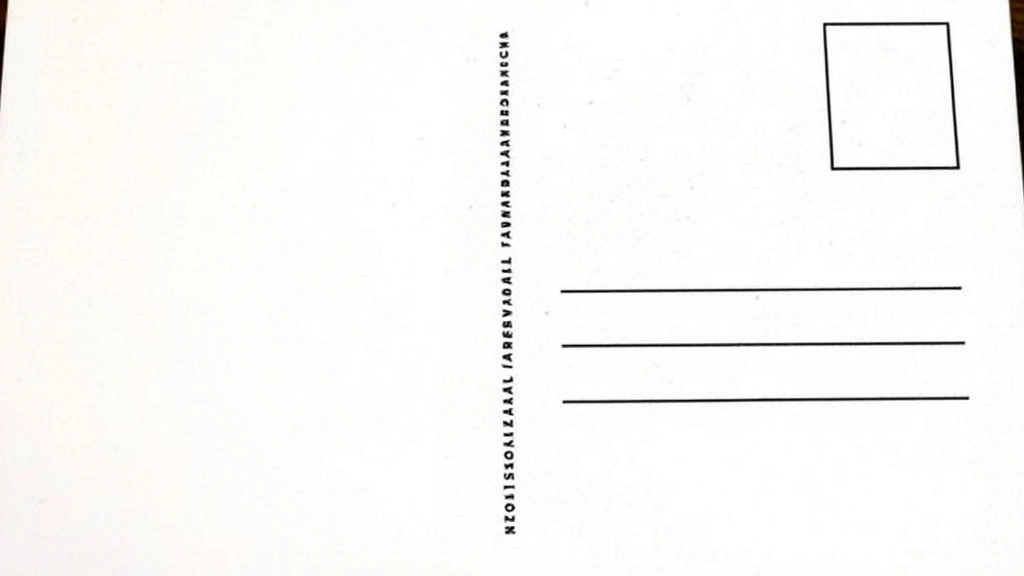
How to Address a Postcard: Expert Guide
How to Address a Postcard: Expert Guide
There’s something wonderfully nostalgic about sending a postcard. Whether you’re vacationing in a coastal town, visiting a friend across the country, or simply wanting to brighten someone’s day with a handwritten note, postcards offer a personal touch that digital messages can’t replicate. But here’s the thing: if your postcard doesn’t have the address formatted correctly, it might never reach its destination. The good news? Addressing a postcard is straightforward once you understand the proper format and placement rules.
This guide walks you through everything you need to know about addressing a postcard like a pro. From understanding USPS regulations to avoiding common mistakes, you’ll learn the nuances that ensure your message arrives safely in your recipient’s mailbox. We’ll also explore the practical side of postcard sending, including how it differs from other mailing methods and what you should keep in mind when preparing your cards for the postal service.
Think of this as your complete roadmap to postcard success. No guesswork, no wasted stamps, just clear, actionable steps that work every single time.
Understanding Postcard Basics
Before diving into the specifics of addressing, let’s establish what makes a postcard a postcard in the eyes of the United States Postal Service. According to USPS regulations, a postcard must meet specific dimensions and weight requirements to qualify for postcard rates. Standard postcards measure 3.5 by 5 inches (or up to 4.25 by 6 inches for oversized versions), and they must be made of rigid material that can withstand the sorting and handling processes at postal facilities.
The beauty of postcards lies in their simplicity. Unlike letters that require envelopes, postcards have one side dedicated to your message and the other to the address and stamp. This dual-purpose design means you’re working with limited space, which actually encourages concise, thoughtful communication. When you’re crafting your postcard, remember that postal workers handle thousands of pieces daily, so clarity and proper formatting aren’t just nice touches—they’re essential for successful delivery.
If you’re interested in exploring other mailing formats, you might want to learn about how to make an envelope for those times when you need more space for your message. However, for quick notes and casual correspondence, postcards remain unbeatable in terms of charm and efficiency.
The Correct Addressing Format
The USPS has specific guidelines for addressing postcards, and following them precisely ensures faster processing and reliable delivery. Here’s the format you need to use:
- Recipient’s Name: Start with the recipient’s full name on the first line. Use their preferred title (Mr., Ms., Dr., etc.) if appropriate.
- Street Address: The second line contains the street address. Include the house number and street name. If the address includes an apartment or unit number, place it on this same line after the street address, or on a separate line if space allows.
- City, State, ZIP: The final line must include the city name, followed by the state abbreviation (using the two-letter postal code), and then the five-digit ZIP code. For ZIP+4 addresses, include all nine digits.
Let’s look at a practical example:
- Sarah Mitchell
- 1247 Oakwood Avenue, Apt 3B
- Portland, OR 97214-2156
Notice how each element flows logically from top to bottom. The recipient’s name is prominent, followed by increasingly specific location information. This hierarchy helps postal sorting machines read the address efficiently.
Formatting specifics matter more than you might think. Use capital letters for the address lines (this is actually preferred by USPS for machine readability, though lowercase is acceptable). Avoid using punctuation marks like periods and commas in the address itself. If you’re handwriting the address, use a pen with dark ink—blue or black—that provides clear contrast against the postcard background.
The font size should be legible without being enormous. Aim for a size that’s easy to read from about arm’s length away. If you’re printing addresses, 10-12 point font typically works well. Handwritten addresses should be similarly sized—not tiny, not gigantic, just comfortably readable.
Where to Place the Address
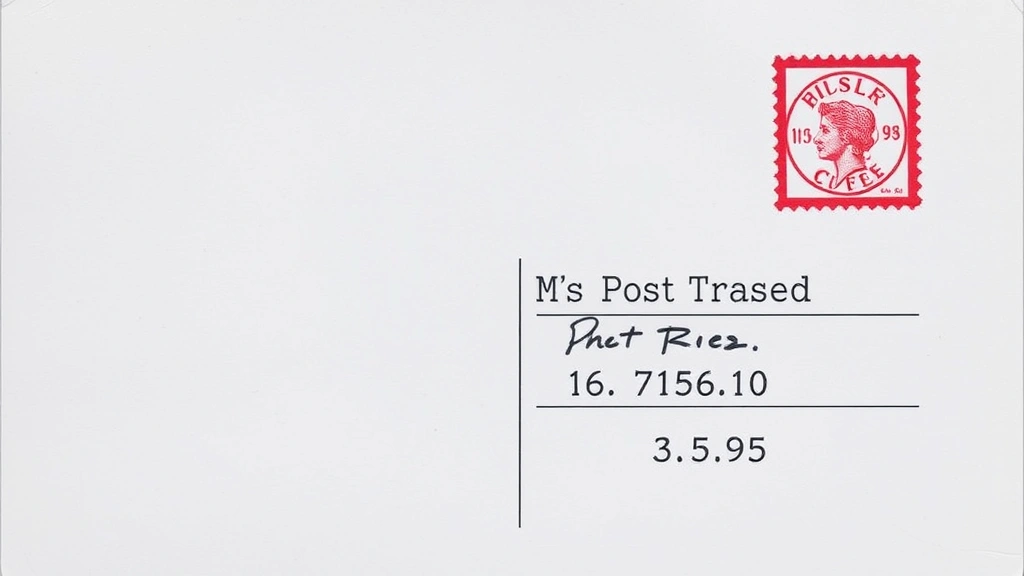
Now that you know what to write, let’s talk about where to write it. The address goes on the right half of the postcard’s back side. Imagine drawing an invisible vertical line down the middle of the postcard’s back—the left side is for your message, and the right side is for the address and postage.
Here’s the specific placement breakdown:
- Top-right corner: Leave about half an inch of space from the top edge. This margin prevents the address from being obscured by postal processing equipment.
- Right side: Position the address so it occupies the right half of the postcard. The address should start approximately 1 inch from the right edge.
- Stamp placement: The postage stamp goes in the top-right corner, above the address. Leave about a quarter-inch of space between the stamp and the top edge.
- Bottom consideration: Ensure the address doesn’t extend below the bottom two-thirds of the postcard. Postal equipment reads addresses from the bottom up, so keeping your address in the upper-right quadrant ensures optimal scanning.
When you’re addressing a postcard, think about the postal worker’s perspective. They’re processing hundreds of cards daily, and they rely on consistent placement to move mail efficiently. If your address is scattered across the card or positioned oddly, it slows down the sorting process and increases the risk of misdelivery.
If you’re sending certified mail, you’ll follow different procedures, but for standard postcards, this placement rule is absolute.
Addressing International Postcards
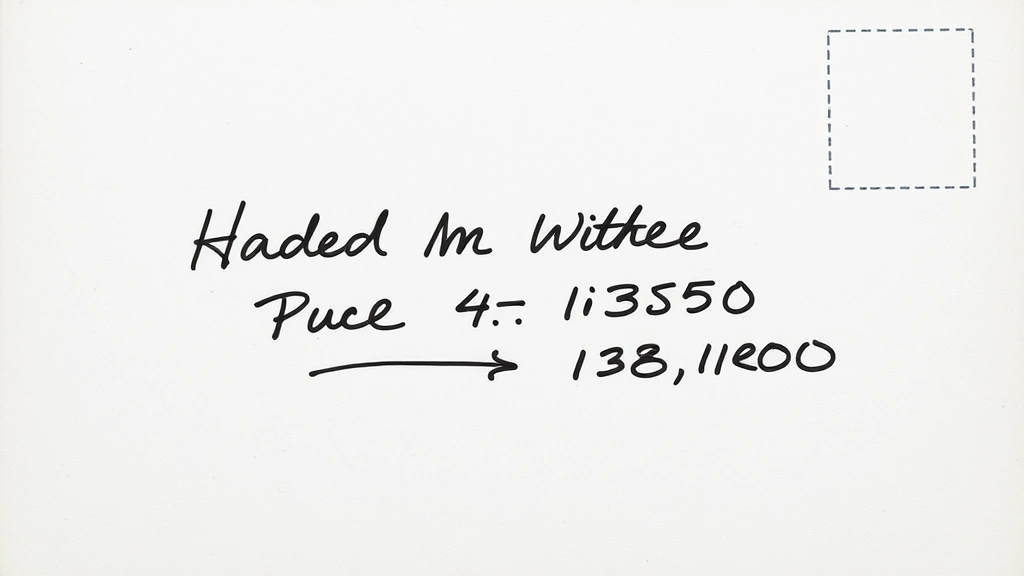
Sending postcards internationally adds a layer of complexity, but it’s entirely manageable with the right approach. International postcards follow similar principles to domestic ones, but with important modifications for international postal systems.
Format for international addresses:
- Start with the recipient’s name
- Include the street address
- Add the city and postal code (using the recipient country’s postal code system)
- End with the country name in capital letters on a separate line
Here’s an example of an international address:
- Jean Dupont
- 42 Rue de la Paix
- 75000 Paris
- FRANCE
Notice that the country name appears in all capitals on its own line. This is crucial for international mail because it helps postal workers in transit countries quickly identify the final destination. Some postal systems may also accept country codes (like FR for France), but spelling out the country name is more universally recognized.
Important considerations for international postcards:
- Postage rates: International postcard rates differ from domestic rates and vary by destination. Check current USPS rates before sending.
- Delivery time: International postcards typically take 1-3 weeks to arrive, depending on the destination country and current mail volumes.
- Language: While addressing in the recipient’s language is traditional, the address itself should use Latin characters that postal systems can process.
- Customs considerations: Some countries have specific requirements for postcards entering their mail system. Research your destination country’s postal regulations if you’re unsure.
The USPS website provides detailed information about international postcard rates and requirements, which is worth reviewing before your next international mailing.
Common Mistakes to Avoid
Even with clear guidelines, people make addressing mistakes that delay or prevent postcard delivery. Here are the most common pitfalls and how to avoid them:
Incomplete or incorrect ZIP codes: This is the number-one reason postcards get delayed. Always double-check the recipient’s ZIP code before addressing the card. A missing digit or transposed number can route your card to the wrong location. Use the USPS ZIP code lookup tool online if you’re unsure.
Illegible handwriting: If postal workers can’t read your address, they can’t deliver it. If your handwriting is naturally small or unclear, consider printing addresses instead. There’s no shame in using a printer—legibility trumps personal touch when it comes to delivery reliability.
Using abbreviations inconsistently: Stick with official USPS state abbreviations (two letters). Don’t mix full state names with abbreviations or use non-standard abbreviations.
Placing the address on the wrong side: This might seem obvious, but it happens. The address always goes on the back of the postcard, never on the front where your message and image are.
Overcrowding the address: Leave adequate white space around your address. Cramming it into a tiny corner or making it too small reduces readability and can cause scanning errors.
Adding unnecessary punctuation: Commas, periods, and apostrophes in addresses can confuse sorting machines. Skip them entirely in the address portion.
Forgetting to include a name: Always include the recipient’s name. A postcard addressed only to a street address might not reach the intended recipient if multiple people live at that location.
Writing Tips for Postcard Messages
While addressing is crucial, the message itself deserves attention too. Postcards have limited space, so your words should count.
Keep it concise: You have roughly 4-6 lines of writing space on most postcards. Make every word matter. Skip lengthy explanations and focus on your main message.
Use clear, dark ink: Just as with the address, your message should be written in dark blue or black ink that contrasts well with the postcard background. This ensures readability and helps prevent fading.
Maintain consistency: If you’re handwriting both the message and address, use the same pen and similar sizing throughout. This creates a cohesive, professional appearance.
Leave the address space clear: Don’t write your message in the address section or vice versa. Respect the designated areas on each side of the postcard.
Consider your audience: Tailor your message to your recipient. A postcard to a friend might be casual and playful, while one to a business contact should be more formal.
If you’re working on written communication more broadly, you might find our guide on how to write an obituary helpful for understanding how to craft meaningful written tributes, though that’s quite different from postcard messaging.
Mailing Requirements and Postage
Before dropping your postcard in the mailbox, ensure you’ve met all USPS requirements.
Postage requirements: As of 2024, a standard domestic postcard requires one first-class postcard stamp. Check the current USPS rates, as they adjust periodically. You can purchase postcard stamps at any post office, online through USPS, or at many retail locations.
Stamp placement: The stamp goes in the top-right corner of the postcard’s back side, above the address. Leave a quarter-inch margin from the top and right edges. The stamp should be affixed securely—use a small amount of adhesive if the stamp’s built-in adhesive isn’t strong enough.
Material requirements: Your postcard must be made of rigid material (typically cardstock) and meet minimum thickness standards. Flimsy postcards might not process correctly through postal sorting machines.
Size specifications: Standard postcards are 3.5 by 5 inches. Oversized postcards can be up to 4.25 by 6 inches but require additional postage. If your card exceeds these dimensions, the postage rate increases.
For more information about proper mailing procedures, USPS’s official mailing resources provide comprehensive details about current rates and regulations.
If you’re curious about other mailing-related topics, you might also want to explore how to endorse a check or how to void a check for other important mailing and documentation procedures.
Delivery confirmation: While postcards don’t offer the tracking options available with certified mail services, you can request delivery confirmation through USPS if you need proof that your postcard arrived.
Frequently Asked Questions
Can I address a postcard in cursive?
While cursive writing is beautiful, it can be difficult for postal sorting machines to read. Print addresses are strongly preferred by USPS. If you must use cursive, ensure it’s large, clear, and highly legible. Print addresses are your safest bet for reliable delivery.
What if I make a mistake addressing a postcard?
If you’ve written the wrong address or made a significant error, don’t send the postcard. Start over with a new card. Attempting to correct addresses by crossing out or using white-out creates confusion and may prevent delivery. It’s worth the cost of a new postcard to ensure accurate delivery.
Can I use a label for the address instead of writing directly on the postcard?
Yes, you can use a label, but ensure it’s affixed securely and positioned in the correct location (top-right area). The label should be smooth and flat without wrinkles or bubbles that might catch on sorting equipment. Print addresses on labels are actually quite common and efficient.
How long does a postcard take to arrive domestically?
Domestic postcards typically arrive within 1-3 business days if mailed from a post office, though delivery times can vary based on distance and current mail volumes. Postcards mailed during peak seasons (holidays, major events) may take slightly longer.
Do I need a return address on a postcard?
A return address isn’t required, but it’s recommended. If your postcard can’t be delivered for any reason, a return address ensures it comes back to you rather than being discarded. Place a small return address in the top-left corner of the address side.
Can I send a postcard without a message?
Yes, absolutely. Some people send postcards purely for the scenic image or artistic value. However, most postcards benefit from at least a brief note—it adds a personal touch and makes the recipient feel special.
What’s the difference between a postcard and a letter in terms of addressing?
The addressing format is identical—both use the same recipient name, street address, city, state, and ZIP code format. The main difference is placement: postcards have a designated address section on the back, while letters go on an envelope. Postcards are also more vulnerable to damage during transit since they’re not enclosed, so legibility is especially important.
Can I address multiple postcards at once using mail merge?
Absolutely. If you’re sending multiple postcards, using a mail merge program with your printer is efficient and ensures consistency. This method works particularly well for bulk mailings or announcements.

Related Posts

How Long to Boil Lobster Tails: Cooking Guide

How Long to Fly from New York to London? Travel Times
