
How to Pronounce Pneumonoultramicroscopicsilicovolcanoconiosis
How to Pronounce Pneumonoultramicroscopicsilicovolcanoconiosis: A Complete Guide
If you’ve ever encountered the word pneumonoultramicroscopicsilicovolcanoconiosis in a crossword puzzle, trivia night, or random internet rabbit hole, you’ve probably wondered: how on earth do you actually say this thing? With 45 letters and a medical backstory, this isn’t your average vocabulary word. It’s the kind of word that makes people pause mid-sentence, squint at the spelling, and wonder if they’re looking at an actual English word or an elaborate prank.
Here’s the good news: while it looks intimidating, breaking it down into manageable chunks makes pronunciation entirely doable. Whether you’re preparing for a spelling bee, impressing friends at trivia, or simply satisfying your curiosity, this guide will walk you through the exact phonetic breakdown, the word’s fascinating history, and practical tips for nailing the pronunciation every single time.
Much like learning to pronounce Qatar or mastering how to pronounce gyro, tackling this linguistic behemoth requires breaking it into digestible pieces. Let’s get started.
The Phonetic Breakdown
Let’s start with the most important part: how to actually pronounce this word. The accepted pronunciation is:
noo-moh-noh-ul-truh-my-kruh-skop-ik-sil-i-koh-vol-kay-noh-koh-nee-oh-sis
Breaking this into digestible pieces makes it far less terrifying. The word contains several distinct phonetic sections, and once you understand how each section sounds, you can string them together smoothly. Think of it like assembling a piece of furniture—tackle one section at a time, and suddenly you have a complete product.
The primary stress falls on the syllable “my” (as in “my friend”), which roughly corresponds to the “micro” portion of the word. This is where your voice naturally rises slightly, giving the word its rhythmic structure. The secondary stress lands on “vol” in the “volcano” section, creating a natural cadence that prevents the entire word from sounding like one monotonous drone.

Breaking It Down by Syllable
The most effective way to master this pronunciation is to break the word into its component syllables. Let’s go through each one:
- Pneumono- (noo-moh-noh): This prefix relates to the lungs or air. The “pn” at the beginning is silent—a quirk of Greek-derived English words. Think of it as “new-muh-noh.”
- -ultramicroscopic- (ul-truh-my-kruh-skop-ik): This section means “extremely small and able to be seen under a microscope.” Pronounce it as “ul-truh-my-kruh-skop-ik,” with emphasis on the “my” syllable.
- -silico- (sil-i-koh): This refers to silicon or silica compounds. Say it as “sil-i-koh” with equal stress on each syllable.
- -volcano- (vol-kay-noh): This is the easiest part since it’s a familiar word. Pronounce it naturally as “vol-kay-noh.”
- -coniosis (koh-nee-oh-sis): This suffix indicates a lung disease. Say it as “koh-nee-oh-sis.”
Once you can pronounce each section independently, string them together slowly, then gradually increase your speed. It’s similar to learning any complex skill—mastery comes through repetition and patience, not rushing through it.
Practical Practice Methods
Knowing the pronunciation theoretically and actually saying it smoothly are two different things. Here are proven methods to get comfortable with this word:
The Slow-Motion Technique: Start by saying the entire word very slowly, emphasizing each syllable clearly. Imagine you’re speaking to someone learning English—exaggerate every sound. Once you can do this without stumbling, gradually increase your pace. This builds muscle memory in your vocal cords and trains your brain to remember the sequence.
Recording Yourself: Use your phone’s voice recorder to capture your attempts. Listening back reveals which syllables trip you up and where your pronunciation breaks down. Compare your recording to online pronunciation guides—resources like Merriam-Webster’s audio pronunciation provide professional reference points.
The Repetition Method: Say the word out loud ten times in a row, each time a bit faster than the last. This rapid-fire approach builds confidence and helps the word feel natural on your tongue. Many people find that after fifteen to twenty repetitions, the word suddenly clicks and flows effortlessly.
Chunk Practice: Practice just the first half (pneumonoultramicroscopic) until it’s smooth, then tackle the second half (silicovolcanoconiosis) separately. Once both halves are solid, combine them. This divide-and-conquer approach prevents overwhelm.

Understanding the Word’s Origin
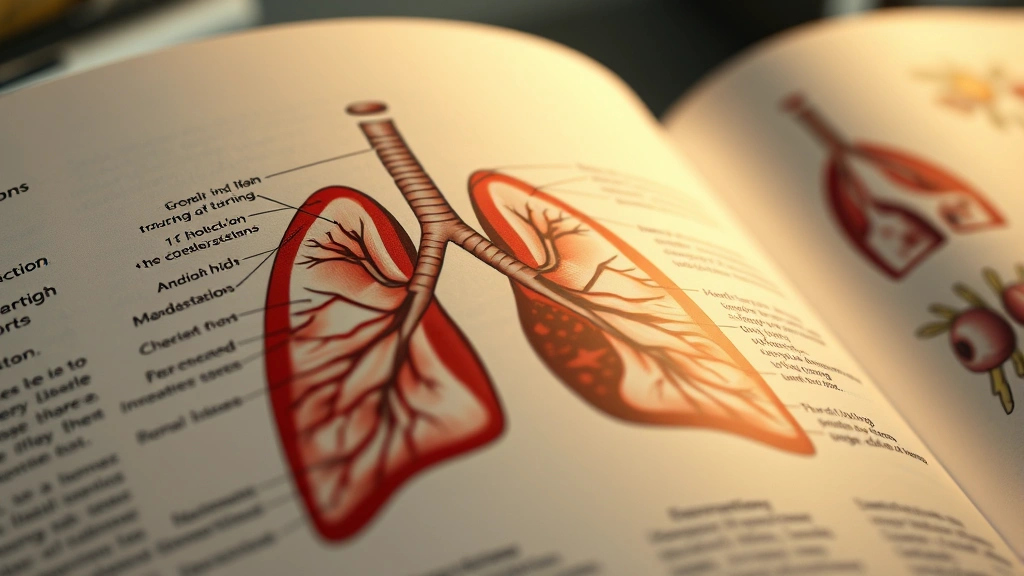
Context is a powerful learning tool. Understanding where this word comes from makes it easier to remember and pronounce correctly. Pneumonoultramicroscopicsilicovolcanoconiosis is a medical term describing a specific lung disease caused by inhaling fine silica dust, particularly from volcanic ash.
The word is constructed from Greek and Latin roots, each component carrying specific meaning. “Pneumono” references the lungs (from Greek “pneuma,” meaning air). “Ultra” means extremely. “Microscopic” refers to things visible only under magnification. “Silico” relates to silica or silicon compounds. “Volcano” is self-explanatory, and “coniosis” is a medical suffix indicating a lung condition caused by inhaling particles.
The word gained prominence in the mid-20th century, though it was rarely used in actual medical practice. Instead, doctors typically used simpler terms like “silicosis.” The word’s notoriety grew when it appeared in various “longest word” lists and trivia competitions, transforming it from a legitimate medical term into a cultural curiosity.
Learning these etymological roots helps you understand why certain syllables are emphasized and how the word logically flows. You’re not just memorizing sounds—you’re learning a coherent structure with meaning behind every component.
Common Pronunciation Mistakes
When people attempt this word, certain errors appear consistently. Being aware of these pitfalls helps you avoid them:
- Pronouncing the “pn” at the beginning: Many people try to sound out the “p,” but it’s silent. This common mistake immediately marks you as someone unfamiliar with the word’s proper pronunciation.
- Stressing the wrong syllable: Some people emphasize “vol” too heavily or stress the final syllable. The primary stress should be on the “my” syllable in the “microscopic” section.
- Rushing through syllables: Trying to say the entire word quickly without practicing slowly first leads to slurred speech and mispronounced sections. Slow and steady wins this race.
- Mispronouncing “coniosis” as “con-ee-oh-sis”: It’s actually “koh-nee-oh-sis” with the stress on the middle syllable.
- Adding extra syllables: Some people unconsciously add syllables or change vowel sounds. Stick closely to the established phonetic guide.
If you’re learning how to read the Bible or studying any complex text, you’ve likely encountered pronunciation challenges. The same principles apply here: identify your specific weak points and target them with focused practice.
Medical Context and Usage
While pneumonoultramicroscopicsilicovolcanoconiosis sounds impressive, it’s worth noting that actual medical professionals rarely use this term. Instead, they typically say “silicosis” or “volcanic silicosis.” The longer term exists primarily in medical literature and dictionaries rather than in clinical practice.
The condition itself is a form of pneumoconiosis—a general category of lung diseases caused by inhaling mineral dust. Workers in mining, quarrying, sandblasting, and foundry work face elevated risks. The silica dust particles accumulate in lung tissue, causing inflammation and scarring over time.
Understanding this medical context helps you remember the word’s components. Each part of the word describes something about the condition: it’s about the lungs (pneumono), it involves particles so small they require microscopes to see (ultramicroscopic), the particles are silica-based (silico), they come from volcanic sources (volcano), and the resulting condition is a disease (coniosis).
Learning specialized terminology, whether medical or otherwise, often requires understanding the subject matter. It’s similar to how learning to say thank you in Japanese becomes easier when you understand the cultural context—context creates meaning, and meaning creates memory.
For more detailed medical information, OSHA’s occupational health resources provide comprehensive details about silica exposure and related lung diseases. Additionally, the American Lung Association offers excellent educational materials about various pneumoconiosis conditions.
Frequently Asked Questions
Is pneumonoultramicroscopicsilicovolcanoconiosis actually used in medicine?
Rarely in practice. While it’s a legitimate medical term found in medical dictionaries and literature, practicing physicians typically use simpler terminology like “silicosis” or “volcanic silicosis.” The longer term is more commonly encountered in word lists, trivia competitions, and educational contexts.
How many letters does pneumonoultramicroscopicsilicovolcanoconiosis have?
Exactly 45 letters. This makes it one of the longest words in English dictionaries, though it’s not the absolute longest. Words like “supercalifragilisticexpialidocious” (from the Mary Poppins film) and “floccinaucinihilipilification” (meaning to estimate something as worthless) also compete for length records.
What’s the fastest anyone has ever said this word?
While no official record exists, people have recorded themselves saying it in under three seconds. However, speed isn’t the goal—clear, accurate pronunciation matters far more than velocity. Most people comfortably pronounce it in four to six seconds.
Can I just use a shorter word instead?
Absolutely. In any practical context, “silicosis” works perfectly well. Use pneumonoultramicroscopicsilicovolcanoconiosis when you want to impress people at trivia nights, win word game competitions, or satisfy intellectual curiosity. For everyday communication, the shorter term is perfectly acceptable.
Are there any songs or mnemonics to help remember the pronunciation?
Some people create personal mnemonics or set the pronunciation to familiar song melodies. While no universally recognized mnemonic exists, creating your own personal memory aid based on something you find memorable can be highly effective. The key is finding what works for your learning style.
Why is learning this word useful?
Beyond winning trivia competitions, learning this word teaches you how to approach complex, unfamiliar words generally. The strategies—breaking things into components, understanding etymology, practicing systematically—apply to any challenging pronunciation. You’re building skills that transfer across contexts.
How does this compare to other difficult English words?
English contains many challenging words. Like learning to read guitar tabs, which requires understanding a specific notation system, tackling pneumonoultramicroscopicsilicovolcanoconiosis requires breaking down a complex structure into understandable pieces. The methodology is universal—identify components, understand how they fit together, and practice systematically.
For additional linguistic resources, Dictionary.com’s pronunciation guides offer professional audio references for thousands of challenging words. Additionally, Etymology Online provides fascinating historical context for word origins and development.

Related Posts

How Long to Boil Lobster Tails: Cooking Guide

How Long to Fly from New York to London? Travel Times
