
How to Eat Pomegranate: Expert Guide
How to Eat Pomegranate: Expert Guide
Pomegranates have this mystique about them, don’t they? That jewel-toned exterior promises something extraordinary inside, yet many people stare at one in the produce section and wonder what on earth to do with it. The truth is, eating a pomegranate isn’t rocket science—it just requires a bit of knowledge and the right technique. Once you crack the code, you’ll find yourself reaching for these antioxidant-packed fruits regularly, armed with methods that keep your kitchen (and your hands) relatively juice-free.
Unlike biting into an apple or peeling a banana, pomegranates demand a more intentional approach. But here’s the thing: that extra effort pays dividends. Inside that leathery skin lies a treasure trove of arils—those delicious, jewel-like seeds suspended in tart-sweet juice. Whether you’re adding them to salads, enjoying them straight from the fruit, or using them as a sophisticated garnish, knowing how to extract them properly transforms the entire experience.
This guide walks you through everything from selecting the perfect pomegranate to mastering multiple extraction methods. We’ll cover techniques that range from quick and messy to surgical precision, so you can choose what works best for your lifestyle and kitchen setup.
Selecting and Preparing Your Pomegranate
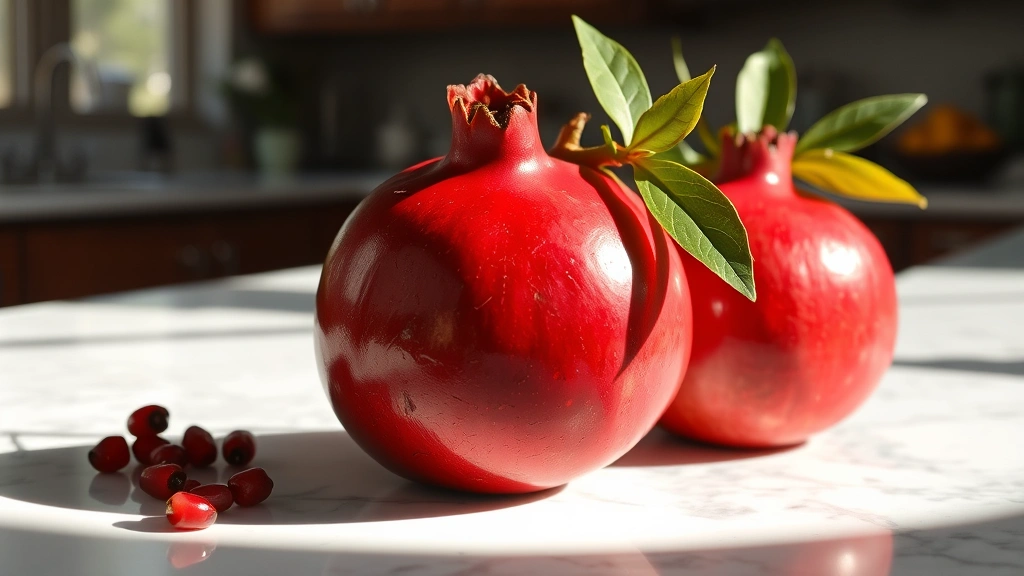
Before you even think about eating a pomegranate, you need to choose one that’s actually worth your time. A ripe pomegranate should feel heavy for its size—that weight indicates juice-filled arils rather than dried seeds. Look for deep red, burgundy, or even brownish-red skin with a slight give when you apply gentle pressure. The skin shouldn’t be hard as a rock or mushy; you’re aiming for that sweet spot in between.
The crown at the top of the fruit should be relatively flat or slightly indented. If it’s bulging outward dramatically, the fruit might be overripe. On the flip side, if the skin looks pale or greenish, it needs more time to ripen. A good rule of thumb: the deeper and more saturated the color, the sweeter and juicier the pomegranate tends to be.
Before you start extracting arils, wash your pomegranate under cool running water and pat it dry. This removes any surface dirt and makes handling easier. Also—and this is important—wear clothes you don’t mind getting stained. Pomegranate juice is notoriously stubborn on fabric, so maybe skip the white linen shirt for this particular kitchen task.
The Water Submersion Method
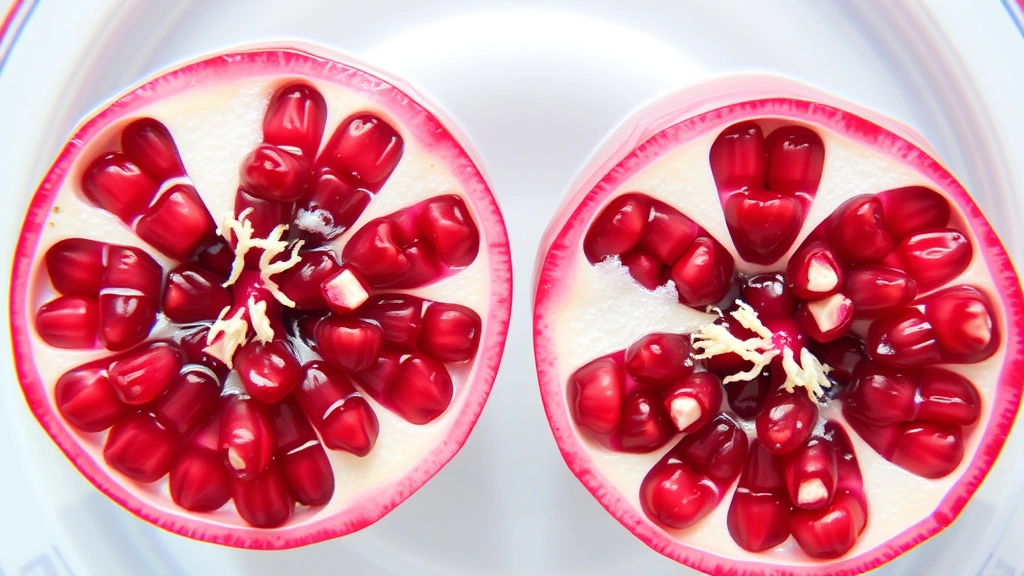
This is arguably the cleanest method for extracting pomegranate arils, and it’s become increasingly popular for good reason. Fill a large bowl with cool water—you’ll want enough to submerge the pomegranate completely. Cut your pomegranate in half, then cut each half into quarters or smaller sections. The pieces should be manageable enough to work with but not so small that you lose control.
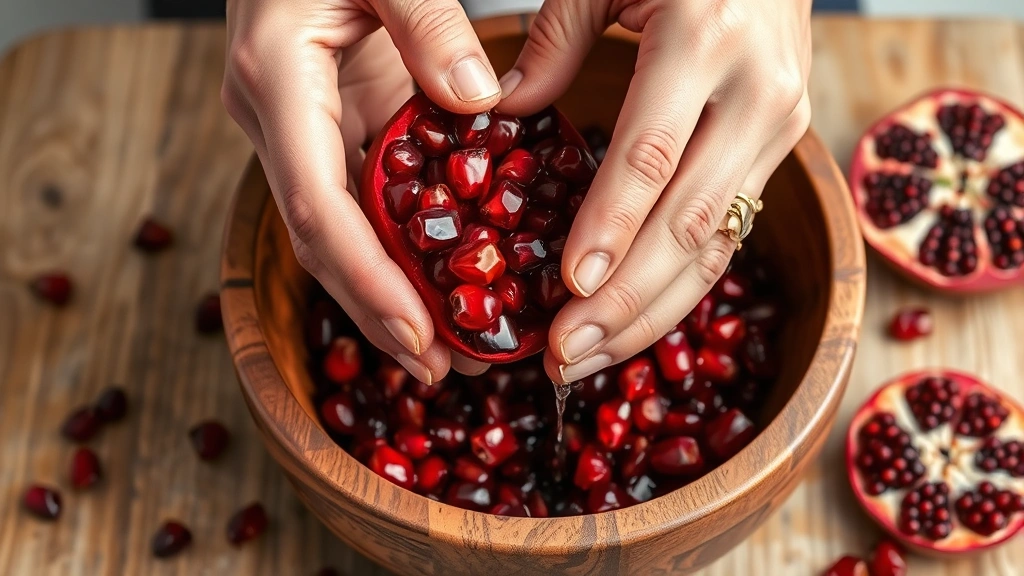
Submerge these sections in the water. This is where the magic happens: underwater, you can gently separate the arils from the white pith without splattering juice everywhere. Use your fingers to work the seeds loose, letting them sink to the bottom of the bowl. The white pith floats, which makes separation remarkably easy.
Work methodically through each section, taking your time to extract every last aril. Once you’ve finished, skim the floating pith from the surface and drain the water through a fine-mesh strainer. The arils will remain in the strainer, ready to be rinsed one final time and patted dry.
The beauty of this method? Your hands stay relatively clean, your clothes remain juice-free, and you end up with perfectly intact arils that haven’t been bruised by aggressive squeezing. It takes maybe ten minutes total, and the cleanup is minimal since most of the mess stays contained in the water.
The Cutting and Extraction Method
If you prefer a more direct approach and don’t mind a bit of juice exposure, the cutting method works beautifully. Start by cutting your pomegranate in half from top to bottom. You now have two halves, each with a flat surface. This is actually helpful because you can place them flat-side-down on your cutting board for stability.
Using your fingers or a small wooden spoon, gently tap the back of the pomegranate skin. Hold it over a bowl, and as you tap, the arils will naturally dislodge and fall into the bowl below. This method relies on the natural separation that occurs when you apply pressure from the outside. It’s almost meditative—tap, tap, tap, and watch the jewels drop.
You might need to work the skin a bit with your fingers to loosen stubborn arils, but resist the urge to squeeze hard. Gentle pressure and patience yield better results than aggressive squeezing, which can burst the arils and waste precious juice. Some people prefer using a wooden spoon to tap, while others find their fingers provide better control and feedback.
This method takes about five to eight minutes and produces minimal mess compared to aggressive squeezing. You’ll likely have some white pith mixed in with your arils, but a quick sort through the bowl separates them easily.
The Rolling and Juice Method
This technique is perfect if you’re after pomegranate juice rather than whole arils. It’s also the fastest method if speed is your priority. Take your whole pomegranate and roll it firmly on your countertop, applying steady pressure. You’re essentially breaking down the internal structure and rupturing the juice sacs without breaking through the skin.
Roll for about a minute, rotating the fruit as you go. You’ll feel it becoming slightly softer and hear the juice sloshing inside. Once you’ve thoroughly softened the interior, use a small knife to cut a hole in the top or side of the fruit. Hold it over a bowl or glass and squeeze—the juice will flow out readily.
If you want the arils along with the juice, make your hole larger and use a spoon to scrape out the seeds directly. This method is messier than the water submersion technique, but it’s unbeatable if you’re making pomegranate juice for cocktails, smoothies, or drizzling over desserts.
This approach also works well if you want to preserve the juice for later. Strain it through a fine-mesh strainer or cheesecloth to remove any pulp, then store it in the refrigerator for up to three days or freeze it for longer storage.
Storage and Preservation Tips
Whole pomegranates last remarkably long when stored properly. Keep them in a cool, dark place—your pantry or a kitchen cupboard works fine—and they’ll stay fresh for several weeks. If you want to extend their life even further, store them in the refrigerator crisper drawer, where they can last up to two months. The cold slows down the ripening process and keeps the fruit firm.
Once you’ve extracted the arils, they’ll keep in an airtight container in the refrigerator for up to five days. For longer storage, freeze them on a baking sheet before transferring to a freezer-safe container. Frozen arils maintain their integrity surprisingly well and work beautifully in smoothies, oatmeal, or as a garnish for yogurt.
Pomegranate juice requires slightly different handling. Fresh juice keeps in the refrigerator for up to three days in a sealed container. For extended storage, freeze it in ice cube trays, then pop the cubes into freezer bags. This way, you have pomegranate juice ready whenever you need it, portioned perfectly for individual drinks or recipes.
If you’re interested in preserving other fruits with similar longevity concerns, our guide on how to store strawberries offers complementary techniques for maximum freshness. Similarly, understanding how to tell if a watermelon is ripe helps you select peak-season produce, and knowing how to tell if a mango is ripe ensures you’re always working with fruit at its best.
Creative Ways to Use Your Arils
Once you’ve mastered the extraction, the real fun begins. Pomegranate arils add sophistication to both sweet and savory dishes. Scatter them over a winter salad with arugula, goat cheese, and walnuts for a burst of color and tartness. Toss them into grain bowls with quinoa, roasted vegetables, and tahini dressing for textural contrast and nutritional boost.
In the kitchen, these jewels shine in both obvious and unexpected places. Mix them into Greek yogurt with honey for an elegant breakfast, crown your favorite desserts with them for visual impact, or muddle them into cocktails for a sophisticated twist. They pair beautifully with duck, pork, and lamb, adding brightness to rich meat dishes.
For something different, try making pomegranate molasses by reducing the juice on the stovetop—it’s a Middle Eastern staple that adds depth to dressings and marinades. Or simply enjoy the arils straight from the fruit as a refreshing snack. You might also explore how to clean strawberries for insights on preparing other delicate fruits with similar care requirements.
Pomegranate arils also work wonderfully in smoothie bowls, granola parfaits, and as a topping for avocado toast. They add visual appeal to charcuterie boards and cheese platters, and their tartness complements rich, creamy cheeses beautifully. The possibilities extend far beyond what most people initially imagine.
For more detailed guidance on the fundamental technique, our comprehensive how to eat a pomegranate resource covers additional methods and troubleshooting tips you might find valuable.
Frequently Asked Questions
What’s the easiest way to eat a pomegranate?
The water submersion method is typically the easiest and cleanest approach. It minimizes mess, prevents juice from splattering, and yields perfectly intact arils. Simply cut the pomegranate into sections, submerge them in water, and gently separate the arils from the pith. The white pith floats, making separation straightforward.
Can you eat pomegranate seeds whole?
Yes, absolutely. The entire aril—including the seed inside—is edible. The seed provides a pleasant crunch and contains beneficial compounds. Some people prefer to chew through the seed for maximum nutrition and texture, while others spit it out if they prefer a purely juicy experience. There’s no wrong answer; it’s entirely a matter of personal preference.
How do you know when a pomegranate is ripe?
A ripe pomegranate feels heavy for its size, indicating juice-filled arils. The skin should be deep red, burgundy, or brownish-red with a slight give when you apply gentle pressure. The crown at the top should be relatively flat. If it feels hard as a rock, it needs more time; if it’s mushy, it’s overripe.
Does pomegranate juice stain?
Yes, pomegranate juice stains notoriously well and can be difficult to remove from fabric. Wear clothes you don’t mind getting stained when working with pomegranates. If you do get juice on clothing, rinse it immediately with cold water and avoid putting it in the dryer until the stain is completely gone, as heat can set the stain permanently.
How long do pomegranate arils last in the fridge?
Extracted arils keep in an airtight container in the refrigerator for up to five days. For longer storage, freeze them on a baking sheet before transferring to a freezer-safe container—they’ll last several months in the freezer and work beautifully in smoothies and as garnishes.
What’s the difference between pomegranate juice and pomegranate molasses?
Pomegranate juice is the fresh liquid extracted from the arils, while pomegranate molasses is juice that’s been reduced on the stovetop until it becomes thick and syrupy. Molasses has a more concentrated, deeper flavor and works better in dressings, marinades, and cooking applications where you want intense pomegranate flavor without excess liquid.
Can you eat pomegranate skin?
The thick, leathery skin isn’t typically eaten whole, though it contains beneficial compounds. Some people brew pomegranate skin tea for its health properties, but the skin itself is quite bitter and tough. Focus on the arils for the best eating experience, or use the skin for tea or other preparations if you’re interested in extracting its nutritional benefits.

Related Posts

How Long to Boil Lobster Tails: Cooking Guide

How Long to Fly from New York to London? Travel Times
