
How to Clean Sterling Silver: Expert Guide
How to Clean Sterling Silver: Expert Guide to Restoring Your Treasured Pieces
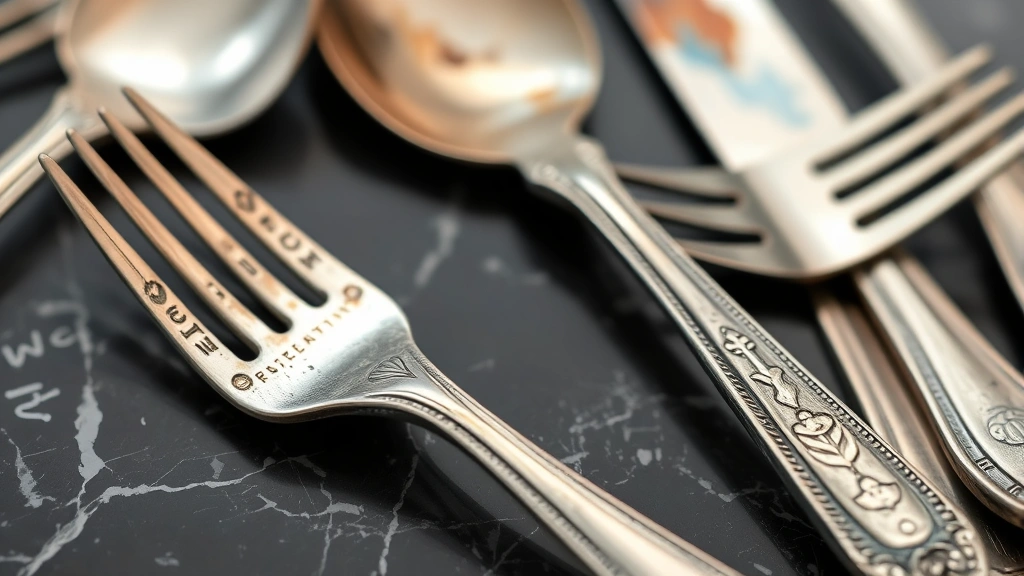
Sterling silver has graced tables, wrists, and display cabinets for centuries, embodying timeless elegance and sophistication. Yet this precious metal demands respect and proper care to maintain its lustrous beauty. Tarnish, that dull grayish-black coating, inevitably develops over time as sterling silver reacts with sulfur compounds in the air. The good news? Cleaning sterling silver doesn’t require expensive professional services or harsh chemicals that might damage your cherished pieces.
Whether you’re dealing with heirloom silverware, delicate jewelry, or decorative pieces, understanding the right techniques separates casual cleaners from true silver stewards. This comprehensive guide walks you through proven methods, from simple maintenance routines to intensive restoration treatments. You’ll discover why certain methods work better than others, when to call in professionals, and how to prevent tarnish from returning as quickly.
The journey to brilliantly clean sterling silver begins with knowledge and the right approach. Let’s dive into the methods that actually work.
Understanding Sterling Silver Tarnish
Before tackling the cleaning process, it’s worth understanding what you’re actually fighting against. Sterling silver is an alloy containing 92.5% pure silver and 7.5% other metals, typically copper. This copper component is what causes tarnish. When exposed to air and sulfur compounds, a chemical reaction occurs that creates silver sulfide—that stubborn dark coating you see on neglected pieces.
Tarnish isn’t permanent damage; it’s a surface layer that can be removed without harming the underlying silver. This fundamental truth should comfort you: your grandmother’s silver service isn’t ruined, just sleeping beneath a thin veil of oxidation. The speed at which tarnish develops depends on your local environment, humidity levels, and how frequently the silver is used. Items stored in humid conditions tarnish faster, while pieces displayed in dry environments may maintain their shine for months.
Understanding this chemistry helps you choose appropriate cleaning methods. Gentle approaches work fine for light tarnish, but heavily oxidized pieces require more aggressive treatment. The key is matching your method to the severity of the situation.
Basic Cleaning Methods for Daily Maintenance
For pieces with minimal tarnish or regular upkeep, simple solutions often prove most effective. These methods require minimal supplies and won’t risk damaging your silver’s finish.
The Soap and Water Method
Start with the gentlest approach. Warm water, mild dish soap, and a soft cloth handle light tarnish beautifully. Fill a bowl with warm (not hot) water, add a few drops of mild dish soap, and gently submerge your silver piece. Use a soft microfiber cloth or cotton cloth to gently rub away tarnish, paying special attention to crevices and detailed areas. Rinse thoroughly under clean running water and dry immediately with a soft cloth. This method works particularly well for pieces you use regularly, like dinner forks or serving spoons.
The Baking Soda Paste Method
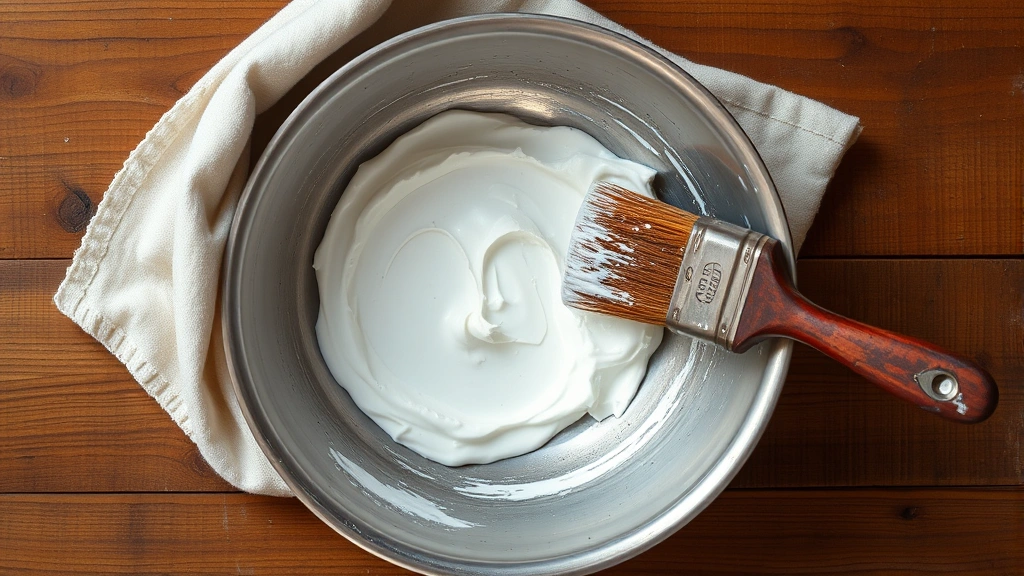
Baking soda offers remarkable cleaning power without aggression. Mix three parts baking soda with one part water to create a paste. Apply this mixture directly to tarnished areas using a soft cloth, working gently in circular motions. For intricate designs, use an old toothbrush with soft bristles to reach tight spots. Rinse thoroughly and dry immediately. This method handles moderate tarnish effectively without scratching the silver’s surface. Many professionals recommend this as a first-line defense against stubborn oxidation.
The Vinegar Solution
White vinegar combined with baking soda creates a fizzing reaction that lifts tarnish. Soak your silver in white vinegar for 30 minutes, then create a paste with baking soda and water. Apply the paste gently, rinse thoroughly, and dry completely. This combination works particularly well for pieces with detailed patterns where tarnish tends to accumulate.
Advanced Cleaning Techniques for Heavy Tarnish
When light methods don’t cut through years of neglect, more intensive techniques become necessary. These approaches require more caution but deliver impressive results on heavily tarnished pieces.
The Aluminum Foil Method
This technique leverages a chemical principle: aluminum oxidizes more readily than silver, effectively transferring tarnish from your silver to the foil. Line a bowl with aluminum foil (shiny side up), add your tarnished silver, and cover with warm water mixed with a tablespoon of baking soda. The chemical reaction between the foil, water, and baking soda removes tarnish without scrubbing. Leave pieces submerged for 15-30 minutes depending on tarnish severity. Remove carefully, rinse thoroughly, and dry immediately. This method works brilliantly on flatware, jewelry, and decorative items but isn’t suitable for pieces with gemstones, as the harsh environment might damage certain stones.
Silver Polishing Cloths
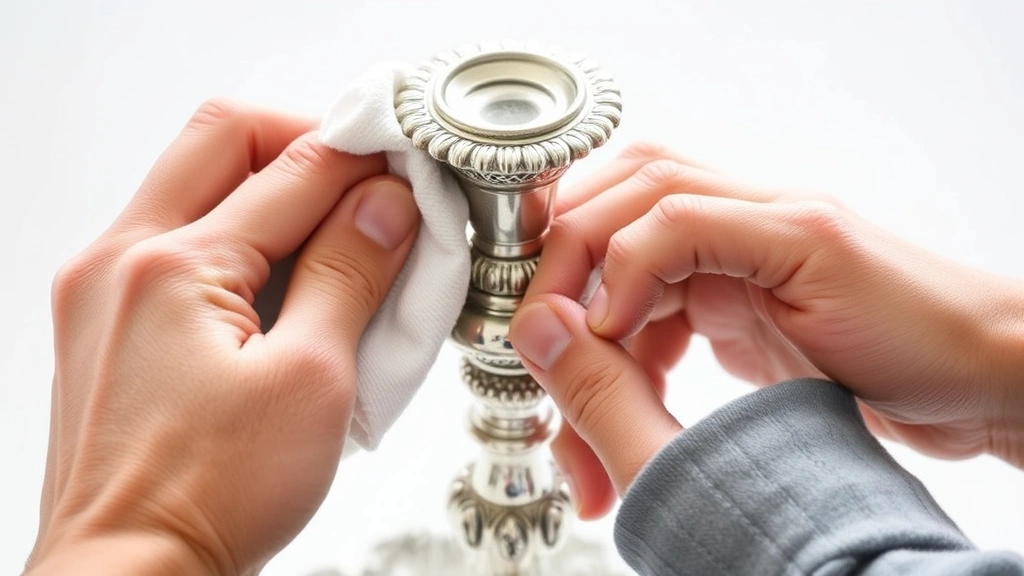
Specialized silver polishing cloths, pre-treated with cleaning agents, offer convenience and effectiveness. These cloths contain compounds that remove tarnish with gentle rubbing. They’re perfect for regular maintenance and work well on jewelry. When using polishing cloths, rub gently in one direction rather than circular motions to minimize scratching. Once a cloth becomes heavily soiled, discard it rather than reusing repeatedly.
Commercial Silver Cleaners
Products specifically formulated for sterling silver can handle significant tarnish. Popular options include silver dip cleaners and cream polishes. Always follow manufacturer instructions carefully. Dip cleaners work quickly but require careful handling, while cream polishes offer more control. Test any commercial product on an inconspicuous area first, especially on valuable pieces. When selecting a cleaner, look for products designed specifically for sterling silver rather than generic metal cleaners.
The Cream of Tartar Method
For jewelry and smaller items, combine cream of tartar with lemon juice to create a paste. Apply to tarnished areas and let sit for 10 minutes. Gently rub with a soft cloth, rinse thoroughly, and dry immediately. This natural approach handles moderate to heavy tarnish while remaining gentler than some commercial options.
Cleaning Specialized Silver Items
Different silver items require tailored approaches. Understanding these distinctions prevents damage to your most precious pieces.
Sterling Silver Jewelry
Delicate chains, gemstone-set rings, and intricate bracelets demand extra caution. The soap and water method or silver polishing cloths work best for regular maintenance. For pieces with gemstones, avoid submerging in chemical solutions, as certain stones (opals, pearls, turquoise) can be damaged. When wondering how to tell if a diamond is real, you’re likely considering the value of your piece, which makes careful cleaning even more important. If you’ve recently measured your ring size for a new sterling silver band, use gentle methods to maintain its finish.
Silver Flatware and Serving Pieces
These items can generally handle more aggressive cleaning since they lack gemstones. The aluminum foil method works exceptionally well for heavily tarnished flatware. For regular maintenance, the baking soda paste method keeps serving spoons and forks gleaming. After cleaning, hand wash these pieces rather than placing them in the dishwasher, which accelerates tarnishing and can damage delicate patterns.
Silver Hollowware and Decorative Items
Bowls, trays, candlesticks, and other decorative pieces benefit from the baking soda paste method for regular maintenance. For antique or valuable pieces, consider professional cleaning to avoid damaging patina or intricate detailing. When cleaning items that mix sterling silver with brass components, research specific methods for each metal, as they respond differently to various cleaners. Similarly, if your home features both silver and stainless steel cookware, understanding different metal care prevents cross-contamination of cleaning methods.
Silver-Plated Items
These pieces require gentler handling than solid sterling silver. The thin silver layer can be damaged by aggressive scrubbing or harsh chemicals. Stick to soap and water, soft cloths, and commercial silver cleaners specifically marked safe for plated items. Avoid the aluminum foil method and intensive scrubbing, which can wear through the plating to reveal base metals underneath.
Prevention and Proper Storage
The best cleaning is the cleaning you never need to do. Strategic storage and preventive measures dramatically slow tarnish development.
Storage Solutions
Store sterling silver in airtight containers away from moisture and sulfur sources. Tarnish-preventive bags, available at jewelry and home goods stores, work remarkably well. These bags contain materials that absorb sulfur compounds before they can damage silver. For flatware, consider storing pieces in individual cloth pouches or in a lined silverware chest. Never store silver in plastic wrap, which traps moisture and accelerates tarnishing.
Environmental Control
Keep silver in cool, dry environments. High humidity encourages tarnish formation, so consider using silica gel packets in storage areas. Avoid storing silver in basements or attics where temperature and humidity fluctuate dramatically. If you live in a humid climate, check stored items periodically and consider using dehumidifiers in storage areas.
Regular Use
Paradoxically, using your silver regularly helps prevent tarnish. The friction from handling and the contact with food and beverages slows oxidation. Heirloom pieces locked away in cabinets tarnish faster than those used weekly. Use your good silver—it’s meant to be enjoyed, not preserved in perpetuity.
Protective Coatings
Commercial lacquers and protective coatings can be applied to sterling silver to create a barrier against tarnish. These products work well for decorative pieces but aren’t suitable for flatware or items that experience frequent contact. Professional jewelers can apply these coatings if you’re concerned about a particularly valuable piece.
When to Seek Professional Restoration
While DIY cleaning handles most situations, certain circumstances warrant professional attention. Antique pieces with significant historical value, heavily damaged silver, and items with complex gemstone settings benefit from professional expertise. Certified silver restorers possess specialized equipment and knowledge that prevents damage to irreplaceable pieces.
Professional cleaners also handle situations where DIY methods have caused problems. If aggressive scrubbing has scratched a cherished piece, professionals can restore the finish through polishing techniques unavailable to home users. For family heirlooms or valuable collections, the investment in professional restoration provides peace of mind and superior results.
When selecting a professional, look for certified restorers with proven experience in silver care. Check references, ask about their methods, and ensure they use appropriate techniques for your specific items. Reputable professionals won’t subject valuable pieces to harsh chemical dips or aggressive mechanical polishing.
Frequently Asked Questions
Can I use toothpaste to clean sterling silver?
Avoid toothpaste for sterling silver. While some sources recommend it, most toothpastes contain abrasive particles designed to remove plaque from teeth, which scratch and damage silver’s delicate surface. The mild cleaners in toothpaste aren’t strong enough to remove significant tarnish anyway, making it an ineffective option. Stick with methods specifically designed for silver.
Is it safe to use the aluminum foil method on all silver items?
The aluminum foil method works well for most sterling silver but isn’t suitable for pieces with gemstones, especially soft stones like opals, pearls, and turquoise. The chemical reaction and warm water can damage these stones. For jewelry with gemstones, use gentler methods like soap and water or silver polishing cloths. When in doubt, err on the side of caution with valuable pieces.
How often should I clean my sterling silver?
Frequency depends on usage and storage. Items used regularly may need cleaning every few months, while stored pieces might require annual attention. Environmental factors matter significantly—humid climates necessitate more frequent cleaning than dry regions. Rather than following a rigid schedule, clean silver when you notice tarnish developing. Regular light cleaning prevents the need for intensive restoration later.
Will cleaning sterling silver remove its value?
Proper cleaning doesn’t diminish value; it enhances it. Tarnished silver appears less valuable and appealing than properly maintained pieces. Using appropriate methods that don’t scratch or damage the surface preserves value while restoring beauty. Professional restoration of valuable pieces actually increases value by restoring original appearance and condition.
Can I put sterling silver in the dishwasher?
Dishwashers accelerate tarnishing through exposure to high heat, moisture, and aggressive chemicals. The tumbling action can also damage delicate pieces or dislodge gemstones in jewelry. Hand wash sterling silver with mild soap and warm water, then dry immediately. This gentle approach preserves both the silver’s appearance and any set stones.
What causes silver to tarnish faster in some environments?
Sulfur compounds in the air cause tarnish, and their concentration varies by location. Industrial areas, areas near hot springs or volcanic activity, and locations with high humidity experience faster tarnishing. Certain materials also accelerate tarnish—rubber, felt, and some papers contain sulfur compounds. Store silver away from these materials and in acid-free, sulfur-free containers.
Is sterling silver worth cleaning, or should I replace tarnished pieces?
Sterling silver is absolutely worth cleaning. The metal beneath tarnish remains pristine and valuable. Cleaning restores both appearance and function without replacing anything. For heirloom pieces, proper cleaning maintains family history and sentimental value. Even tarnished sterling silver contains significant precious metal value, making restoration economically sensible alongside emotional considerations.
Can I clean antique sterling silver the same way as modern pieces?
Antique silver often has patina—intentional darkening and aging—that differs from tarnish. Aggressive cleaning can remove desirable patina, diminishing both aesthetic and historical value. Use gentler methods on antiques, and consider consulting with a professional restorer before cleaning valuable pieces. They can distinguish between damaging tarnish and valuable patina.

Related Posts

How Long to Boil Lobster Tails: Cooking Guide

How Long to Fly from New York to London? Travel Times
