
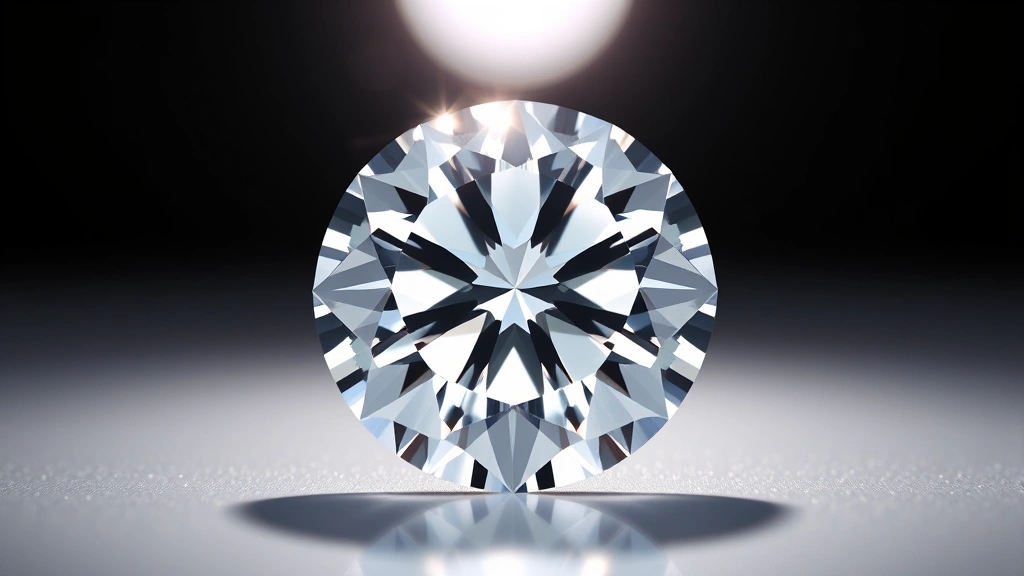
How to Tell if a Diamond Is Real: Expert Guide
How to Tell if a Diamond Is Real: Expert Guide
You’ve got a stunning diamond, but there’s that nagging question in the back of your mind: is it genuine? Whether you’ve inherited a family heirloom, received an engagement ring, or picked up what you thought was a bargain at an estate sale, knowing how to authenticate a diamond is essential. The good news? You don’t need to be a gemologist to spot the real deal from a clever impostor.
Diamond authentication has evolved beyond simple folklore tests. While the old breath-fogging trick might seem charming, it’s about as reliable as a chocolate teapot. Modern gemology combines scientific methods with practical at-home checks that can give you genuine confidence in your stone’s authenticity. We’ll walk you through the most effective techniques, from visual inspections to thermal conductivity tests, so you can separate fact from fiction.
Before we dive into the nitty-gritty, it’s worth noting that if you’re shopping for diamond jewelry, proper sizing matters just as much as authenticity. If you’re unsure about your ring size, you might want to measure your ring size at home before making any purchases. Now, let’s explore how to verify whether your diamond is the real McCoy.
Visual Inspection Under Magnification
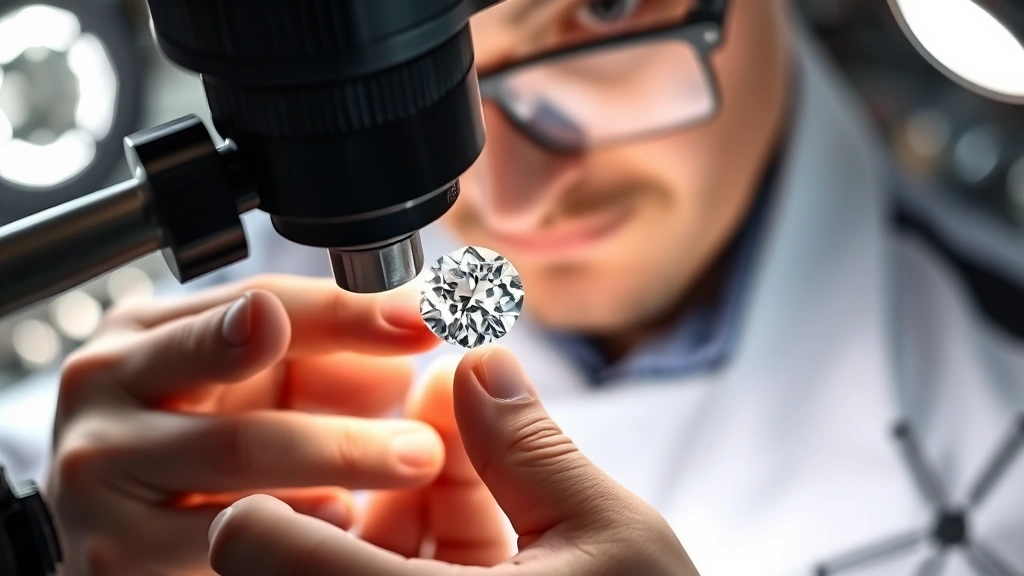
The foundation of diamond authentication starts with careful visual examination. Real diamonds have distinctive characteristics that separates them from synthetic alternatives and simulants. When you examine a diamond under 10x magnification—the standard jeweler’s loupe—you’re looking for specific internal and external features.
Genuine diamonds typically contain inclusions, those tiny imperfections that are essentially the stone’s fingerprint. These aren’t flaws to be ashamed of; they’re proof of authenticity. Lab-created diamonds and simulants either have no inclusions or feature patterns that don’t match natural diamond formation. Look for feather-like patterns, clouds, or needle-like structures within the stone. These natural characteristics tell a story billions of years in the making.
The facet edges on a real diamond should be sharp and well-defined. Cubic zirconia, one of the most popular diamond simulants, tends to have slightly rounded facet edges due to its softer nature. Diamond’s exceptional hardness means facets maintain their pristine geometry over decades. Additionally, real diamonds often show a subtle haziness or cloudiness in certain areas—a phenomenon called “graining”—which is virtually impossible to replicate artificially.
Pay attention to surface scratches and wear patterns. A genuine diamond engagement ring worn for years will show specific patterns of wear that differ from a simulant. The settings and metalwork around the stone can also provide clues. If you notice the setting is tarnished or needs cleaning, proper maintenance is crucial. Similar to how you’d clean brass components in jewelry, metal settings require appropriate care to maintain their beauty.
The Light Refraction Test
One of the most elegant tests involves understanding how diamonds handle light. Real diamonds have a specific refractive index—the way they bend and redirect light—that’s distinctly different from simulants. This is where the diamond’s legendary sparkle truly shines.
The “sparkle test” requires a keen eye and proper lighting. Hold the diamond under natural daylight or a bright artificial light source. Genuine diamonds produce a specific pattern of light and dark areas called “scintillation.” This isn’t just random sparkle; it’s a sophisticated dance of light refraction. When you tilt and rotate a real diamond, you’ll see distinct flashes of color and brightness that change in predictable patterns.
Cubic zirconia, by contrast, produces excessive rainbow fire—those colorful flashes you see. While this might seem beautiful, it’s actually a dead giveaway of inauthenticity. Real diamonds show more subdued, white-light sparkle with occasional rainbow flashes, particularly near the edges. The difference becomes obvious once you’ve seen both side by side.
Here’s a practical test you can perform at home: place the diamond on a piece of newspaper and try to read the text through the stone. A genuine diamond’s refractive properties make this nearly impossible due to the light distortion. Most simulants, particularly cubic zirconia, allow you to see the newspaper print relatively clearly. This simple test has helped countless people quickly identify imposters.
Thermal Conductivity Testing
Diamonds conduct heat at an exceptional rate—one of their most scientifically distinctive properties. This is where thermal conductivity testers come into play, and they’re surprisingly affordable for the home investigator.
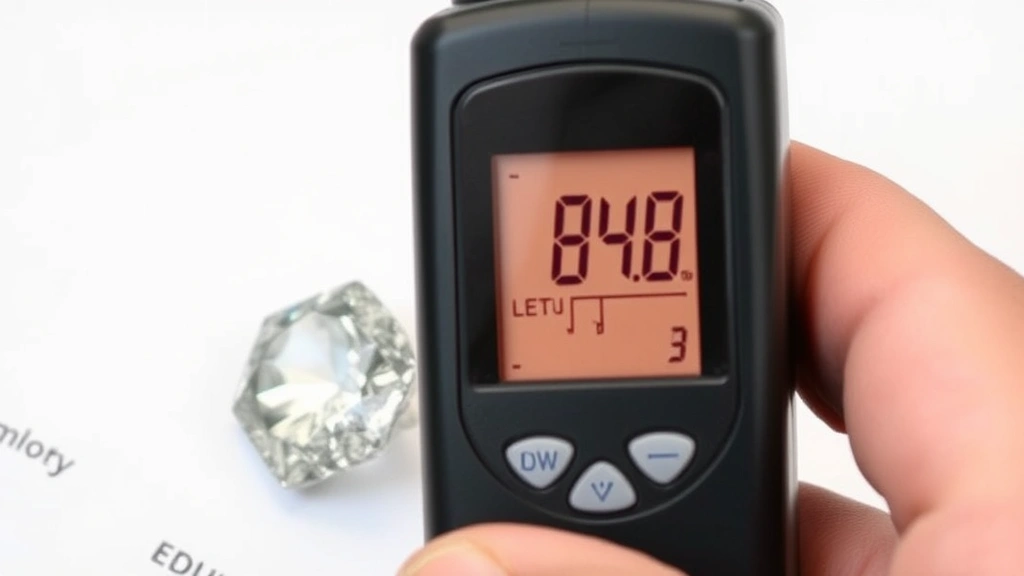
A diamond thermal conductivity tester works by measuring how quickly heat transfers through the stone. Real diamonds conduct heat so efficiently that the device registers this almost instantaneously. The tester has a heating element and a temperature sensor; when you place a genuine diamond against it, the heat dissipates rapidly, triggering the device’s indicator or digital readout.
The beauty of this test is its reliability. Cubic zirconia, moissanite, and other simulants conduct heat much more slowly. While some high-quality moissanite can occasionally pass this test (which is why it’s important to use multiple authentication methods), most common imitations fail dramatically. You can purchase a thermal conductivity tester for $15 to $50, making it one of the most cost-effective verification tools available.
Important caveat: these testers work best on loose diamonds or stones in open settings where the tester can make direct contact with the diamond itself. If your diamond is set in an intricate vintage setting, the metal surrounding the stone might interfere with accurate readings. In such cases, you might want to consult a professional jeweler or consider having the stone temporarily removed for testing.
Density and Weight Analysis
Density is another scientifically precise way to authenticate diamonds. Real diamonds have a specific gravity of 3.52, meaning they’re substantially denser than most simulants. This is why two stones of identical size can have noticeably different weights.
To conduct a density test, you’ll need a precision scale accurate to at least 0.01 carats and access to a liquid of known density—typically a heavy liquid solution used in gemological labs. The stone is weighed in air, then weighed while suspended in the liquid. The difference between these measurements reveals the stone’s specific gravity. Genuine diamonds will consistently measure around 3.52, while cubic zirconia registers around 5.9 to 6.2—significantly denser.
For most home investigators, this test is less practical than others due to equipment requirements, but it’s worth understanding the science. If you’re serious about authentication and plan to verify multiple stones, many jewelry schools and gemological institutes offer density testing services at reasonable rates. Alternatively, if you’ve already found your ring size and you’re considering a significant diamond purchase, this professional verification step is absolutely worth the investment.
The weight-to-size ratio can also be informative. If a stone appears to be a certain carat weight based on its dimensions but weighs significantly more or less, that’s a red flag. Experienced jewelers can estimate carat weight quite accurately based on visual size, so dramatic discrepancies warrant professional examination.
Ultraviolet Light Response
Diamonds exhibit fascinating behavior under ultraviolet light, and this characteristic can aid in authentication. While not foolproof on its own, UV response testing is a valuable component of comprehensive diamond verification.
When exposed to longwave ultraviolet light, many natural diamonds fluoresce—meaning they emit visible light. The color and intensity of this fluorescence varies widely among genuine diamonds. Some show strong blue fluorescence, others show weak or no fluorescence at all. This variation is actually natural and expected; it’s part of what makes each diamond unique.
Cubic zirconia typically shows inert behavior under UV light, producing little to no fluorescence. Moissanite, however, can fluoresce under UV light, sometimes quite intensely, which can help distinguish it from diamonds. Lab-created diamonds may show different fluorescence patterns than natural diamonds, though this isn’t a definitive test.
You can purchase a UV light (specifically one that emits around 365 nanometers) for $20 to $50. In a darkened room, observe the diamond’s response. Compare it with known reference stones if possible. While a single negative result doesn’t prove inauthenticity, combined with other tests, UV response provides additional confirmation of your diamond’s authenticity.
Professional Certification and Grading
When significant value is at stake, professional certification is the gold standard of authentication. The Gemological Institute of America (GIA), American Gem Society (AGS), and International Gemological Institute (IGI) are the most respected independent grading laboratories worldwide.
A professional diamond grading report includes detailed specifications: carat weight, color, clarity, cut quality, and importantly, whether the diamond is natural or lab-created. These reports include high-resolution microscopic photography of the stone’s internal characteristics, thermal conductivity test results, and spectroscopic analysis. This comprehensive documentation provides irrefutable proof of authenticity.
For diamonds valued above $1,000, professional certification is highly recommended. The cost—typically $50 to $150 for the grading service—is minimal compared to the protection it provides. If you’re purchasing a diamond without certification, insist that the seller provide one before finalizing the transaction. If that’s not possible, consider it a significant red flag regarding authenticity.
When you receive a grading report, verify its authenticity by contacting the issuing laboratory directly. Counterfeit reports do exist, particularly for high-value stones. The legitimate report will include a unique report number that you can cross-reference with the laboratory’s database. Think of it like verifying the authenticity of any significant acquisition—due diligence protects your investment.
Common Diamond Imitations to Watch For
Understanding the competition helps you spot fakes more effectively. Several materials are commonly marketed as diamond alternatives, each with distinct characteristics:
- Cubic Zirconia (CZ): The most popular and affordable diamond simulant. It’s visually similar but much softer, causing facets to become cloudy over time. It’s also significantly denser than diamond and produces excessive rainbow fire under light. Most fail the thermal conductivity test.
- Moissanite: Lab-created silicon carbide that’s nearly as hard as diamond. It’s more durable than cubic zirconia but shows distinctive rainbow fire that’s more pronounced than genuine diamonds. Some moissanite can pass thermal conductivity tests, making it trickier to identify.
- White Sapphire: Natural corundum that’s colorless. While hard and durable, it has different light refraction properties than diamond, making it appear less sparkly. It’s denser than diamond, registering around 4.0 on the specific gravity scale.
- Glass and Crystal: Occasionally used in costume jewelry, these are easily identified by their lack of hardness and their tendency to scratch and cloud quickly.
- Lab-Created Diamonds: Chemically identical to natural diamonds but created in a laboratory. They require specialized testing to distinguish from natural diamonds, typically involving nitrogen content analysis and fluorescence patterns. They’re not “fake” per se, but they’re distinctly different from natural stones and should be disclosed as such.
If you’re shopping for diamond jewelry and want assurance of authenticity, always ask the seller whether the stone is natural or lab-created. Reputable jewelers will provide this information transparently. If you’re considering a significant jewelry purchase, understanding how to measure your ring size ensures you’re getting exactly what you need in the perfect fit.
Frequently Asked Questions
Can I tell if a diamond is real just by looking at it?
Visual inspection alone isn’t reliable enough for definitive authentication. While experienced gemologists can spot obvious fakes through careful examination under magnification, combining multiple tests—thermal conductivity, light refraction, UV response, and density analysis—provides much stronger verification. For significant purchases, professional certification remains the most trustworthy approach.
Does the breath-fogging test actually work?
The popular “fog test” suggests that a real diamond won’t fog up when you breathe on it, while simulants will. This test is unreliable and outdated. Both genuine diamonds and many simulants can fog up or resist fogging depending on humidity, surface texture, and other factors. Skip this test and use scientifically sound methods instead.
What’s the difference between a natural diamond and a lab-created diamond?
Chemically and physically, lab-created and natural diamonds are identical. The difference lies in origin: natural diamonds formed over billions of years deep within the Earth, while lab-created diamonds are produced in controlled laboratory environments over weeks or months. Lab-created diamonds are legitimate and often more affordable, but they should always be clearly disclosed as such. They’re not “fake”—they’re simply different in origin.
How much does professional diamond certification cost?
Most reputable gemological laboratories charge $50 to $150 for standard grading reports, depending on the stone’s size and complexity. For very large or unusual stones, costs may be higher. This investment is worthwhile for diamonds valued above $1,000, as it provides irrefutable documentation of authenticity and specifications that affects resale value.
Can cubic zirconia pass the thermal conductivity test?
No, genuine cubic zirconia consistently fails thermal conductivity tests. Its heat conduction properties are dramatically different from diamond’s, making it easily distinguishable with a thermal conductivity tester. This is one of the most reliable at-home tests for identifying the most common diamond simulant.
What should I do if I suspect my diamond is fake?
Start by conducting the multiple at-home tests we’ve discussed: visual inspection under magnification, light refraction observation, and thermal conductivity testing if you have access to a tester. If results are inconclusive or concerning, consult a professional gemologist or jeweler. For significant stones, obtain professional certification from a reputable laboratory like GIA or AGS. If you purchased the diamond from a retailer and authentication reveals it’s not genuine, contact the seller immediately and explore your consumer protection options.
Are all diamonds graded the same way?
Reputable grading laboratories follow standardized criteria, but different laboratories may occasionally have slight variations in their assessments. The GIA and AGS are generally considered the most rigorous and consistent. If you’re comparing diamonds with grading reports from different laboratories, the standards are similar enough that comparison is meaningful, though GIA reports are most widely recognized and trusted in the diamond market.

Related Posts

How Long to Boil Lobster Tails: Cooking Guide

How Long to Fly from New York to London? Travel Times
