
How to Store Strawberries: Expert Tips
How to Store Strawberries: Expert Tips for Maximum Freshness
There’s something deeply satisfying about biting into a perfectly fresh strawberry at the peak of ripeness. That burst of natural sweetness, the firm yet yielding texture—it’s what makes strawberry season so eagerly anticipated. Yet somehow, those beautiful berries seem to deteriorate faster than we can enjoy them, transforming from vibrant red gems into soft, moldy disappointments within days.
The truth is, strawberry storage isn’t complicated, but it does require understanding a few key principles. Unlike many fruits that benefit from room temperature ripening, strawberries are delicate creatures that demand specific conditions to maintain their integrity. Whether you’ve just picked them from a local farm or grabbed a container from your grocery store, knowing how to store strawberries properly can extend their lifespan from a few days to over a week—and that’s a game-changer for your kitchen budget and meal planning.
This guide walks you through everything you need to know about strawberry storage, from the moment you bring them home to the moment you enjoy them. We’ll cover preparation techniques, optimal storage methods, and clever tricks that professional chefs and home cooks alike use to keep their strawberries in peak condition.
Understanding Why Strawberries Spoil Quickly
Before diving into storage solutions, it’s worth understanding the enemy we’re fighting. Strawberries are among the most perishable fruits you’ll find at the market, and there are legitimate biological reasons for this fragility. Unlike apples or citrus fruits with protective skins, strawberries have a delicate exterior dotted with tiny seeds. This surface area makes them vulnerable to physical damage, bacterial growth, and mold development.
Strawberries also produce ethylene gas as they ripen, which accelerates their own deterioration. Additionally, they have high water content—around 91%—which means they’re prone to dehydration and moisture-related decay. The combination of these factors means that without proper storage, even the most picture-perfect berries can start deteriorating within 24-48 hours of purchase.
Understanding these vulnerabilities helps explain why certain storage methods work better than others. The goal is to minimize physical damage, control moisture, manage ethylene gas exposure, and maintain a cool temperature that slows bacterial growth without freezing the fruit.
Preparation: The First Critical Step
The moment you bring strawberries home, resist the urge to immediately wash them. This is the most common mistake people make, and it’s worth understanding why. When you wash strawberries before storage, you introduce excess moisture that accelerates mold growth. Water sits in the crevices and on the surface, creating an ideal environment for fungal spores to flourish.
Instead, focus on inspection and selective removal. Go through your container and remove any berries that show signs of mold, bruising, or mushiness. These compromised fruits will release ethylene gas and spread decay to neighboring berries. Think of it like removing one bad apple from the bunch—it genuinely prevents a cascade of spoilage.
When you’re ready to clean strawberries before eating them, do so within an hour of consumption. A gentle rinse under cool water, followed by patting dry with a paper towel, removes surface dirt without introducing prolonged moisture exposure.
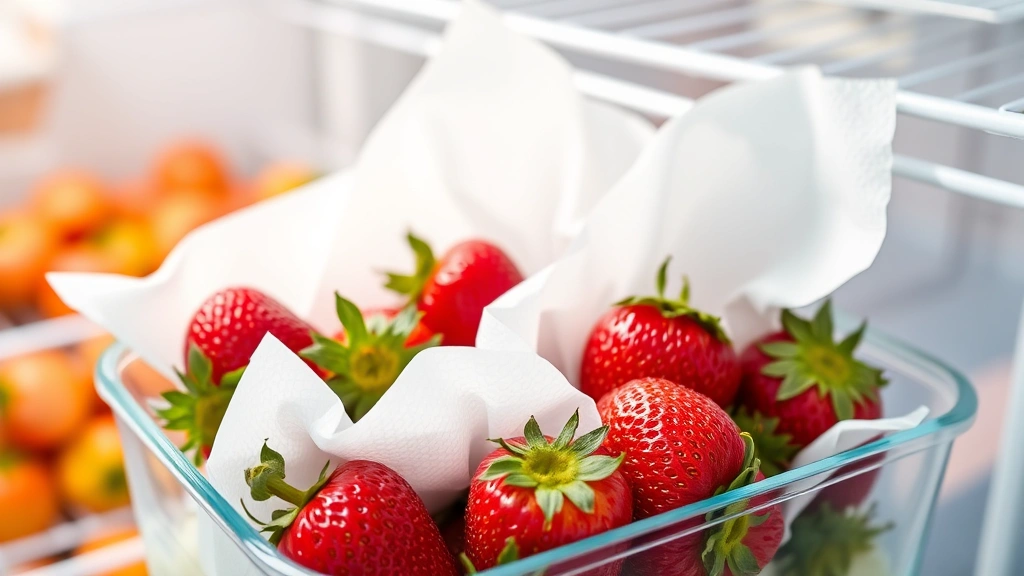
For optimal results, store strawberries in their original container if possible. Those plastic clamshells with ventilation holes are specifically designed for this purpose. If your berries came in a cardboard container, transfer them to a breathable container or line a regular container with paper towels to absorb excess moisture.
Refrigerator Storage Methods
The refrigerator is your primary tool for strawberry preservation, but not all refrigerator storage is created equal. Temperature and humidity control are crucial variables.
The Paper Towel Method
This is the gold standard for most home cooks. Line a container with paper towels on the bottom and sides. Arrange strawberries in a single layer, stem-side down, making sure they don’t touch each other. Cover with another layer of paper towels and seal loosely with a lid. The paper towels absorb excess moisture while allowing air circulation. Store in the coldest part of your refrigerator—typically the back of a shelf or in the vegetable crisper drawer—at temperatures between 32-35°F (0-2°C).
This method typically extends strawberry freshness to 5-7 days, sometimes longer if the berries were exceptionally fresh when purchased.
The Vinegar Solution Method
For an extra layer of protection against mold, prepare a solution of one part white vinegar to three parts water. Submerge strawberries briefly in this solution—just 10-15 seconds—then pat completely dry and store using the paper towel method described above. The acidity inhibits mold growth without affecting taste. This technique can extend freshness to 7-10 days.
The Sealed Container Method
If you have a vacuum-seal container or a container with a tight-fitting lid, you can create a controlled environment. Place paper towels in the bottom, arrange strawberries in a single layer, and seal. The reduced oxygen environment slows decay. This works well for 5-7 days of storage.
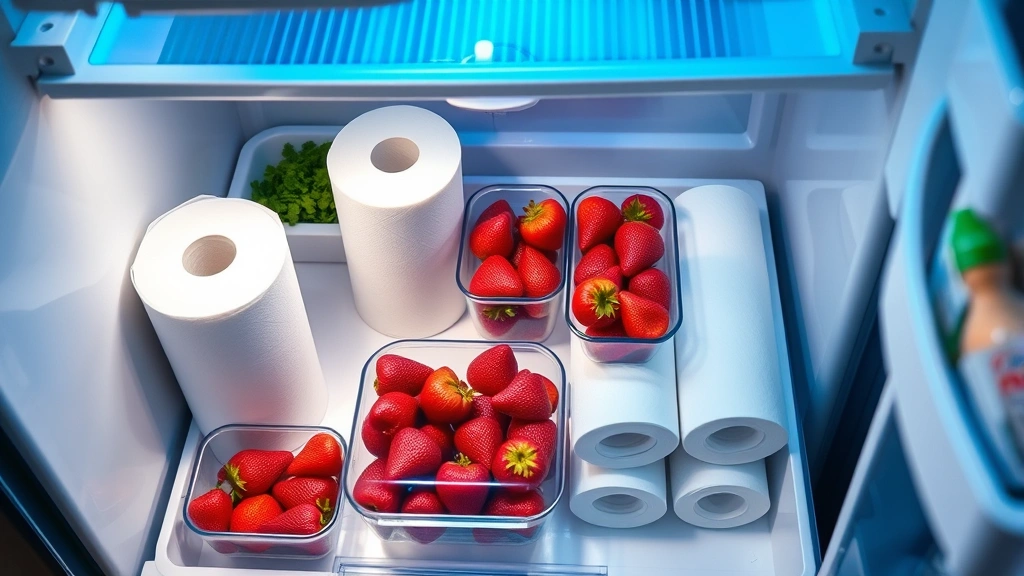
Avoid storing strawberries near ethylene-producing fruits like bananas, apples, or avocados. If you’re curious about optimal storage for other produce items, learning how to ripen bananas fast or understanding how to keep apples from turning brown reveals that different fruits have completely different requirements. Keep strawberries in their own section of the refrigerator whenever possible.
Advanced Storage Techniques
The Humidity Drawer Strategy
Most modern refrigerators include vegetable crisper drawers with humidity controls. For strawberries, set the humidity to high (this is often labeled as a vegetable setting rather than a fruit setting). The enclosed environment with controlled humidity can extend freshness significantly. Combine this with the paper towel method for best results.
The Glass Container Method
Glass containers offer superior moisture management compared to plastic. The non-porous surface resists odor absorption, and you can easily monitor berry condition without opening the container repeatedly. Arrange berries as described earlier with paper towel layers, and store in the coldest section of your refrigerator.
The Selective Refrigeration Approach
If you have a large quantity of strawberries, refrigerate only what you plan to eat within 3-4 days. Keep the remainder at cool room temperature (around 60-65°F), away from direct sunlight. This two-tier approach maintains freshness in your eating berries while preserving options for later use. Transfer additional berries to the refrigerator as needed.
Storage Alongside Complementary Produce
Just as you might store how to store ginger in specific conditions, understanding which produce pairs well with strawberries matters. Berries store well alongside leafy greens and other low-ethylene vegetables. They should be separated from high-ethylene fruits and vegetables.
Freezing Strawberries for Long-Term Use
When fresh storage reaches its limits, freezing extends the life of strawberries by several months. Frozen strawberries work beautifully in smoothies, baked goods, jams, and sauces, though they won’t maintain the firm texture ideal for fresh eating.
Flash Freezing Method
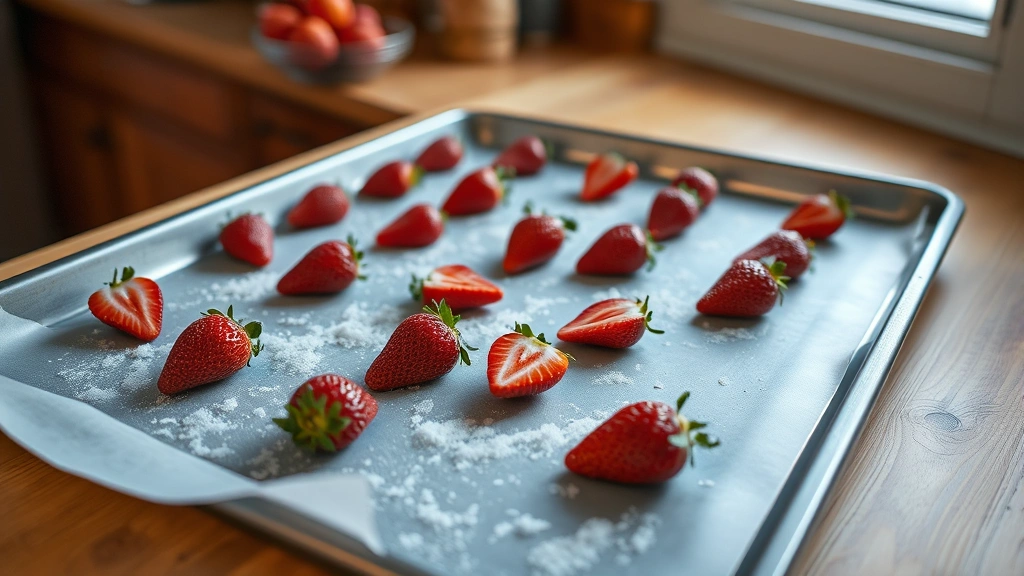
Wash and hull strawberries, then pat completely dry. Arrange them on a baking sheet in a single layer, making sure they don’t touch. Place in the freezer for 2-3 hours until solid. Transfer frozen berries to freezer bags, removing as much air as possible before sealing. This method prevents clumping and allows you to use individual berries as needed. Properly frozen strawberries maintain quality for 8-12 months.
Syrup Freezing Method
Prepare a light syrup by dissolving one cup of sugar in four cups of water. Hull strawberries, halve them if desired, and pack into freezer containers. Pour syrup over berries until covered, leaving half an inch of headspace. This method is ideal for later use in desserts and maintains better color and flavor profile. These berries store well for up to a year.
Sugar Freezing Method
Hull and halve strawberries, then layer them with sugar (approximately one part sugar to four parts berries) in freezer containers. The sugar draws out juices, creating a natural syrup. This is perfect for future jam-making or use in baking. Store for up to a year.
For guidance on other produce preservation techniques, check out resources like Family Handyman’s vegetable preservation guide for comprehensive food storage strategies.
Signs of Spoilage and When to Discard
Even with perfect storage, some strawberries will eventually deteriorate. Knowing the difference between ripe and spoiled helps prevent foodborne illness and waste.
Safe to Eat (But Getting Close)
Soft berries with slight color darkening are still safe to eat if they don’t show mold. These are ideal for processing into jams, smoothies, or baked goods. The slightly softer texture and concentrated flavor actually work better in these applications than fresh eating.
Signs of Spoilage to Watch For
- Mold: Any visible white, gray, or fuzzy growth means discard immediately. Mold can spread to neighboring berries through spores.
- Liquid Leakage: If berries are releasing dark liquid, they’re fermenting and should be discarded.
- Strong Sour Smell: A vinegary or fermented odor indicates bacterial overgrowth.
- Extreme Softness: Berries that collapse when gently squeezed are likely compromised internally.
- Dark Sunken Spots: These indicate internal decay and should be removed.
When in doubt, err on the side of caution. A single moldy berry can quickly contaminate others, so remove any questionable fruit immediately. This is especially important when storing berries long-term in sealed containers where mold can spread rapidly.
For additional food safety information, the USDA’s food safety guidance provides comprehensive recommendations for produce storage and handling.
Frequently Asked Questions
Can I wash strawberries immediately after purchase?
It’s best to avoid washing strawberries immediately after purchase. The excess moisture promotes mold growth. Instead, wash them within an hour of eating. If you must wash them early, pat them completely dry and store them with paper towels to absorb residual moisture.
How long do strawberries last in the refrigerator?
With proper storage using the paper towel method, most strawberries last 5-7 days in the refrigerator. The vinegar solution method can extend this to 7-10 days. Freshness depends on the initial quality of the berries and your refrigerator’s temperature consistency.
Should strawberries be stored in the coldest part of the refrigerator?
Yes, absolutely. Store strawberries in the coldest section of your refrigerator, typically the back of a shelf or in a vegetable crisper drawer set to high humidity. Temperatures between 32-35°F (0-2°C) are ideal. Avoid storing them on the door, where temperature fluctuates.
Can I store strawberries at room temperature?
Strawberries can be stored at cool room temperature (60-65°F) for 1-2 days, but they deteriorate much faster than refrigerated berries. Refrigeration is strongly recommended for any storage beyond a few hours.
What’s the best way to freeze strawberries?
Flash freezing on a baking sheet before transferring to freezer bags is the best method for individual berry storage. Syrup freezing works well if you want to preserve flavor and color for desserts. Both methods keep strawberries fresh for 8-12 months.
Can I store strawberries in a glass container?
Yes, glass containers are excellent for strawberry storage. They offer superior moisture management compared to plastic and allow you to monitor berry condition easily. Combine glass storage with the paper towel method for best results.
Why do strawberries get moldy so quickly?
Strawberries are highly susceptible to mold because of their delicate exterior, high water content, and the ethylene gas they produce as they ripen. Excess moisture, improper temperature, and proximity to ethylene-producing fruits all accelerate mold development.
Is it safe to eat strawberries with small soft spots?
Soft spots without mold are safe to eat, though they indicate ripeness. These berries are ideal for processing into jams, smoothies, or baked goods rather than fresh eating. Discard any berries showing mold or extreme deterioration.
How do I prevent strawberries from sticking together when frozen?
Use the flash freezing method: arrange whole strawberries on a baking sheet in a single layer and freeze for 2-3 hours before transferring to freezer bags. This prevents clumping and allows you to use individual berries as needed.
Can I store strawberries next to bananas or apples?
No, avoid storing strawberries near high-ethylene fruits like bananas, apples, and avocados. These fruits release ethylene gas that accelerates strawberry ripening and decay. Keep strawberries in a separate section of your refrigerator.

Related Posts

How Long to Boil Lobster Tails: Cooking Guide

How Long to Fly from New York to London? Travel Times
