

How to Smoke a Cigar: Expert Guide
How to Smoke a Cigar: Expert Guide to the Perfect Experience
There’s something undeniably sophisticated about the ritual of smoking a cigar. It’s not just about the smoke—it’s about slowing down, appreciating craftsmanship, and savoring a moment of genuine relaxation. Whether you’re a complete beginner or someone who’s picked up a cigar once or twice, mastering the art of smoking a cigar properly can transform the entire experience from awkward to genuinely enjoyable.
The difference between someone who knows what they’re doing and someone who’s just going through the motions is striking. Proper technique enhances flavor, prevents unpleasant bitterness, and extends your enjoyment. This isn’t pretentious gatekeeping—it’s simply understanding the mechanics of what makes a cigar work the way it’s intended.
Let’s dive into everything you need to know about smoking a cigar like someone who actually understands the craft.
Choosing Your First Cigar
Before you even think about lighting anything, you need the right cigar in your hand. This is where most beginners stumble. Walking into a shop and grabbing the biggest, darkest, most expensive-looking stick is a recipe for a disappointing experience.
Start with mild to medium-bodied cigars. These are forgiving, flavorful, and won’t overwhelm your palate. Look for Connecticut shade or Dominican cigars—they’re consistently well-made and accessible. Brands like Padron, Davidoff, and Oliva offer excellent entry-level options that won’t break the bank.
Size matters more than you’d think. A Corona or Robusto (roughly 5-6 inches) is ideal for learning. Larger cigars like Churchills can be intimidating, and smaller ones like Panetelas burn too quickly to really understand what’s happening. You want enough time to develop a feel for the rhythm and pacing.
Avoid anything labeled “strong” or “full-bodied” until you’ve smoked at least a dozen cigars. Your first experience shouldn’t feel like a flavor assault. Think of it like trying wine—you wouldn’t start with a 90-proof whiskey.
Essential Tools and Setup
You don’t need much, but what you do need should be decent quality. Cheap tools ruin the experience faster than anything else.
The Cutter: A guillotine cutter is the most practical option for beginners. It makes a clean, straight cut across the cap. Avoid those plastic punch cutters you find at gas stations—they’re frustratingly inconsistent. A quality cutter runs $15-30 and will last years.
If you’re curious about the broader world of preparation techniques, you might find it interesting to explore how people approach different smoking methods—for instance, some folks enjoy smoking a turkey or other foods using similar patience and precision.
The Lighter: Use a torch lighter, not a Bic. Torch lighters burn hot and even, preventing the uneven burn that ruins a cigar. Butane lighters also won’t impart any flavor to your smoke. Keep it filled and ready—running out mid-smoke is genuinely frustrating.
The Ashtray: Get a proper cigar ashtray with a deep bowl. Regular ashtrays don’t accommodate the length, and you’ll end up with ash everywhere. This is a small investment that matters.
The Humidor: If you’re buying more than one cigar, you need humidity control. Cigars dry out without it, and a dried-out cigar tastes terrible. A small desktop humidor works fine for beginners. Aim for 65-70% humidity.
Preparing Your Cigar
The preparation phase sets the tone for everything that follows. Rushing this step is a false economy.
Inspect Before You Cut: Hold the cigar up to light and look for any obvious soft spots, cracks, or imperfections. A quality cigar should feel evenly firm along its length. If it feels spongy, it’s either damaged or improperly stored.
The Cut: This is where precision matters. The cap of the cigar—that rounded top—needs to be removed to open the smoking end. Place the cigar in your cutter about 1/16 inch below the cap line. Make one smooth, confident cut. Don’t saw back and forth; one motion is all you need. You’re aiming for a clean cut that removes just enough to expose the tobacco without destroying the structural integrity of the head.
If you mess this up and cut too much, you’ve essentially ruined the cigar. It’ll unravel as you smoke. Take your time here.
The Purge (Optional but Recommended): Some experienced smokers purge the cigar before smoking—basically blowing gently through the unlit cigar to clear out any loose tobacco or debris that might have accumulated during storage. This isn’t essential, but it can improve the draw.
The Art of Lighting
The lighting process is where patience becomes essential. This isn’t like lighting a cigarette.
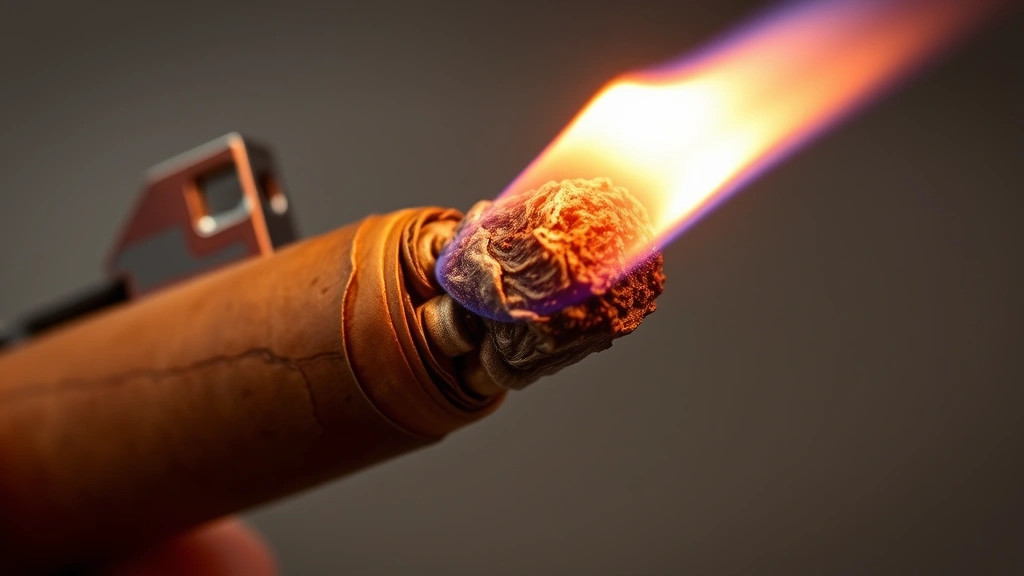
Hold the cigar at a slight angle, about 45 degrees, and bring the torch lighter’s flame near the foot (the end you’ll be smoking from). Don’t touch the flame to the cigar yet—let the heat toast the tobacco first. You’re creating an even burn, not instantly igniting it.
Rotate the cigar slowly as you’re toasting. You want the entire foot to be evenly heated and glowing. This typically takes 15-20 seconds. Once the whole foot is glowing orange, bring the flame closer and take a few gentle draws to fully light it.
The goal is an even light across the entire foot. If one side is burning faster than the other, you’ll get an uneven burn that’s nearly impossible to correct. If this happens, you can try to relight the slower-burning side, but it’s generally better to start over.
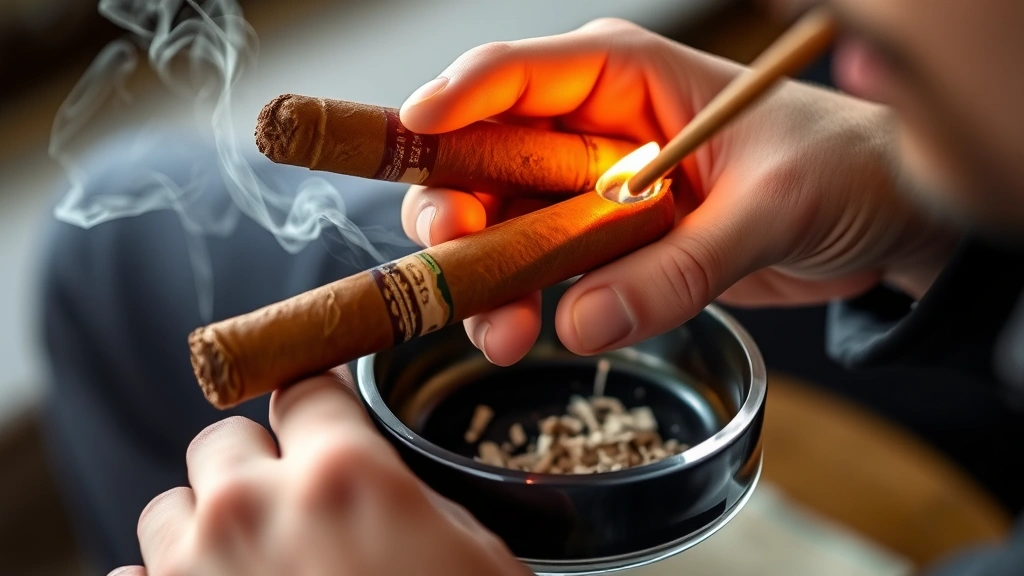
Some people use cedar spills (thin pieces of cedar wood) instead of lighters. This adds a subtle cedar flavor and is more traditional, but it’s also less practical for beginners. Master the torch lighter first.
Drawing and Pacing
Now that your cigar is lit, the real experience begins. This is where most beginners go wrong by smoking too fast.
The Draw: A proper draw is gentle and deliberate. You’re not trying to get massive plumes of smoke like you’re showing off. A slow, steady draw of about 2-3 seconds is ideal. The smoke should come easily—if you’re working hard to get smoke, either the cigar is plugged or your cut was too small. If it’s plugged, gently relight the foot to help clear it.
Pacing: Take a draw roughly every 30-60 seconds. This isn’t a race. A typical Corona will last 30-40 minutes if you pace yourself properly. Rush it, and you’ll finish in 15 minutes with a harsh, unpleasant experience. The slower burn also allows the tobacco to cool slightly, which improves flavor and reduces bitterness.
Between draws, let the cigar rest in your ashtray. You don’t need to constantly hold it. This is actually important for temperature control and even burning.
Ash Management: Let the ash build up to about half an inch to an inch. Contrary to what you might think, this actually helps insulate the cigar and keeps it burning evenly. Tap it gently into your ashtray when it gets longer. Don’t blow on it—tapping is more controlled and prevents scattered ash everywhere.
Flavor Development and Appreciation
The real joy of smoking a cigar comes from actually tasting it. This requires intentionality.
The first third of a cigar typically has stronger, more robust flavors. The middle third often introduces complexity and subtlety. The final third can shift again, sometimes becoming spicy or developing new notes. This progression is part of the appeal—you’re experiencing an evolution, not just a static flavor.
Pay attention to what you’re tasting. Are there notes of wood, leather, pepper, chocolate, nuts, or earth? Developing your palate takes time, but it makes the experience infinitely more rewarding. You’re not just smoking; you’re experiencing craftsmanship.
The temperature of the smoke matters too. If it’s too hot, you’ll miss subtle flavors and experience harshness. Slower, cooler draws reveal more complexity. This is another reason pacing is crucial.
If you’re interested in other slow-burn experiences that require patience and technique, you might appreciate learning about how long to smoke a brisket or the precision involved in smoking ribs—both require similar dedication to timing and temperature control.
Common Mistakes to Avoid
Inhaling Into Your Lungs: This is the biggest mistake beginners make. You’re not smoking a cigarette. Draw the smoke into your mouth, let it linger for a moment to taste it, then exhale. Some of it will naturally go into your lungs, but you’re not trying to achieve that. The goal is mouth smoking, not deep inhalation.
Smoking Too Quickly: We’ve touched on this, but it bears repeating. Fast smoking creates hot smoke, which tastes bitter and harsh. Slow down. If you can only smoke for 20 minutes, smoke less of the cigar and save the rest for later.
Cutting Too Much Off the Cap: Removing more than 1/16 inch of the cap destabilizes the structure. You’ll have tobacco unraveling as you smoke, which is genuinely unpleasant and wastes the cigar.
Using a Lighter That Imparts Flavor: Zippos, regular lighters, and matches can all add unwanted flavors. Torch lighters are specifically designed for cigars because they don’t. Invest in a decent one.
Smoking in Windy Conditions: Wind causes uneven burning and makes maintaining your draw difficult. Find a sheltered spot, especially outdoors.
Not Rotating the Cigar: If you hold it the same way the entire time, one side will burn faster than the other. Rotate it occasionally to maintain an even burn.
Storage and Maintenance
If you’re buying cigars regularly, storage becomes important. A poorly stored cigar deteriorates rapidly.
The Humidor: Invest in a quality humidor. They range from $30 desktop models to thousands for large cabinets. For beginners, a small desktop humidor is perfect. It keeps your cigars at the ideal humidity level (65-70%) and temperature (around 70°F).
Humidification: Use either a gel-based humidifier or a traditional sponge-based one. These maintain humidity without adding too much moisture. Check your hygrometer regularly to ensure it’s in the right range.
Rotation: If you’re storing multiple cigars, rotate them occasionally. This ensures even humidity distribution.
Avoid Extreme Conditions: Don’t store cigars in direct sunlight, near heat sources, or in extremely cold conditions. Consistency is key. Think of it like maintaining the conditions you’d need for rolling a joint—environmental control matters for preserving the product’s integrity.
If you only have one or two cigars and don’t plan to buy more immediately, a simple cedar-lined storage box works fine for a few weeks. Just keep it in a cool, relatively humid place.
Frequently Asked Questions
How long does it take to smoke a cigar?
A Corona-sized cigar typically takes 30-40 minutes if you’re pacing yourself properly. Larger cigars can take 45 minutes to over an hour. The key is not rushing—if you’re finishing in 15-20 minutes, you’re smoking too fast and missing the experience.
Can beginners smoke strong cigars?
Technically yes, but it’s not recommended. Strong cigars can cause dizziness, nausea, and an unpleasant experience. Your palate needs time to develop. Start with mild to medium-bodied cigars and work your way up after you’ve smoked 10-20 cigars.
Do I need to inhale the smoke into my lungs?
No. Cigar smoking is about mouth smoking—drawing the smoke into your mouth to taste it, then exhaling. Some smoke naturally reaches your lungs, but deep inhalation isn’t the goal and can make you feel sick.
What’s the difference between a cigar and a cigarette?
Cigars are made from whole tobacco leaves and are typically much larger. They burn slower and are meant to be savored over time. Cigarettes are made from shredded tobacco and are designed for quick consumption. The smoking experience is fundamentally different.
Why is my cigar burning unevenly?
Uneven burns usually result from improper lighting, inconsistent pacing, or holding the cigar the same way throughout smoking. Ensure you light the entire foot evenly, rotate the cigar occasionally, and maintain a steady pace. If one side is burning faster, you can relight the slower side gently.
How do I know if a cigar is too dry?
A dry cigar feels hard and brittle. When you cut it, the tobacco might be crumbly. Dry cigars burn too fast, taste harsh, and are generally unpleasant. Always store cigars in a humidor to prevent this. If you have a dry cigar, you can try placing it in a humidor for a few days, but it may not fully recover.
What’s the best time to smoke a cigar?
Any time you have 30-40 minutes of genuine relaxation. After a meal is traditional. Some people enjoy them in the evening. The key is having time to properly pace yourself and actually enjoy the experience rather than rushing through it.
Should I use a cigar holder?
A cigar holder is optional but can be practical, especially if you want to use both hands for something else. Just make sure it doesn’t squeeze the cigar too tightly, which can restrict airflow and affect the draw.
Can I relight a cigar if it goes out?
Yes. If your cigar goes out, you can relight it. Simply hold the foot near a torch lighter and gently draw until it’s glowing again. However, relighting can sometimes affect flavor slightly. It’s better to maintain a steady pace so the cigar stays lit throughout.
What should I pair with a cigar?
This is personal preference, but traditional pairings include whiskey, cognac, coffee, or tea. Some people enjoy them after a meal. The pairing should complement but not overwhelm the cigar’s flavors. For something completely different, you might appreciate how to open a bottle without a bottle opener if you find yourself in a pinch with a beverage pairing.

Related Posts

How Long to Boil Lobster Tails: Cooking Guide

How Long to Fly from New York to London? Travel Times
