
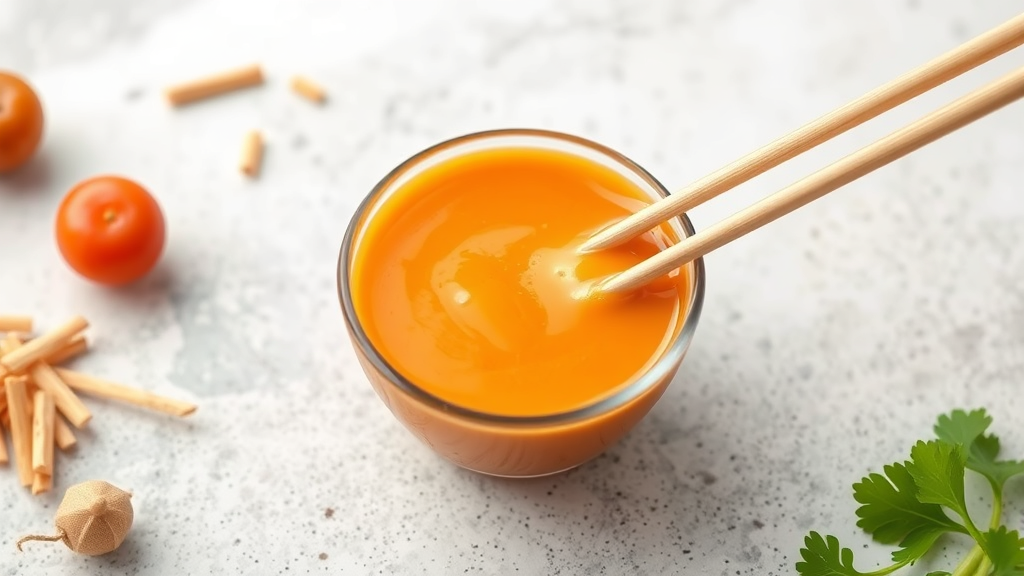
Master the Secret to Perfect Yum Yum Sauce at Home
Yum Yum sauce, also known as Japanese steakhouse sauce or shrimp sauce, has captivated taste buds across America with its creamy, tangy, and slightly sweet flavor profile. This iconic condiment, synonymous with hibachi-style dining, transforms ordinary meals into restaurant-quality experiences. Whether you’re preparing homemade fried rice, grilled vegetables, or seafood, mastering the art of making authentic Yum Yum sauce at home will elevate your culinary repertoire and save you money on frequent restaurant visits.
The beauty of Yum Yum sauce lies in its simplicity and versatility. Despite its complex flavor that seems impossible to replicate, this beloved sauce requires only a handful of common ingredients that you likely already have in your pantry. Understanding the precise ratios and techniques behind this creamy masterpiece will unlock the secret to achieving that perfect balance of tanginess, sweetness, and umami that makes this sauce so irresistible.
Essential Ingredients for Authentic Yum Yum Sauce
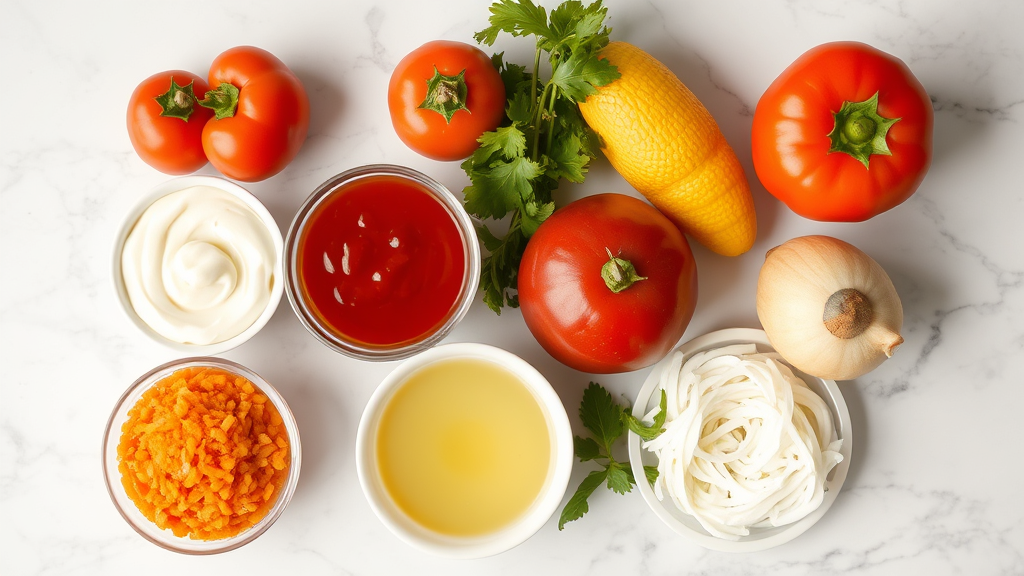
The foundation of perfect Yum Yum sauce relies on six core ingredients that work harmoniously to create its signature taste. Mayonnaise serves as the creamy base, providing the rich texture that coats food beautifully. Choose a high-quality mayonnaise for the best results, as it forms approximately 80% of your sauce. Ketchup adds the essential sweetness and slight acidity that balances the richness of the mayo, while rice vinegar contributes the tangy brightness that makes this sauce so addictive.
Garlic powder delivers the savory depth without the harshness of fresh garlic, ensuring smooth consistency throughout. Paprika provides both color and a subtle smoky undertone, giving the sauce its characteristic peachy-orange hue. Finally, sugar rounds out the flavor profile by enhancing the natural sweetness and balancing any residual acidity from the vinegar and ketchup.
Optional ingredients can enhance your sauce further. A dash of onion powder adds complexity, while a few drops of sriracha or hot sauce can introduce gentle heat. Some recipes benefit from a small amount of sour cream to add tanginess, or you might experiment with different types of vinegar for unique flavor profiles.
Step-by-Step Preparation Method
Begin by gathering your ingredients and ensuring all components are at room temperature for optimal blending. In a medium mixing bowl, combine one cup of mayonnaise with three tablespoons of ketchup, whisking gently until the mixture achieves a uniform pale orange color. The key to professional-quality sauce lies in gradual incorporation rather than aggressive mixing, which can break the emulsion and create an undesirable texture.
Add two tablespoons of rice vinegar slowly while whisking continuously. This prevents the acid from shocking the mayonnaise and maintains the smooth consistency. Next, incorporate one teaspoon of garlic powder, one teaspoon of paprika, and two teaspoons of granulated sugar. Whisk these dry ingredients thoroughly to eliminate any lumps and ensure even distribution throughout the sauce.
The mixing process requires patience and attention to detail. Continue whisking for 2-3 minutes until the sauce achieves a silky, uniform consistency. Taste and adjust seasonings as needed – you may want slightly more sweetness, tanginess, or garlic flavor depending on your preferences. Remember that flavors will meld and intensify during the resting period, so avoid over-seasoning initially.
Allow the sauce to rest in the refrigerator for at least 30 minutes before serving. This resting period is crucial as it allows the flavors to marry and develop the complex taste profile that characterizes authentic Yum Yum sauce. During this time, the sauce will also thicken slightly, achieving the perfect consistency for drizzling or dipping.
Flavor Variations and Customization Tips
Creating personalized versions of Yum Yum sauce allows you to cater to different taste preferences and dietary requirements. For a spicier variation, incorporate wasabi paste or sriracha sauce gradually, starting with small amounts and tasting frequently. The heat should complement rather than overpower the creamy base, maintaining the sauce’s characteristic balance.
A garlic lover’s version can include fresh minced garlic or roasted garlic paste for deeper flavor complexity. When using fresh garlic, ensure it’s finely minced to prevent texture issues. You might also experiment with garlic butter techniques to create compound variations that pair exceptionally well with seafood and grilled vegetables.
For those seeking lighter alternatives, substitute Greek yogurt for half the mayonnaise content. This modification reduces calories while adding protein and maintaining the creamy texture. Similarly, using heavy cream in small quantities can create an ultra-rich version perfect for special occasions.
Herb enthusiasts can incorporate finely chopped chives, dill, or cilantro for fresh, bright notes that complement seafood dishes beautifully. These additions should be made just before serving to maintain their vibrant color and fresh flavor. Consider creating seasonal variations by adding ingredients like lime zest for summer freshness or smoked paprika for autumn warmth.
Storage and Shelf Life Guidelines
Proper storage ensures your homemade Yum Yum sauce maintains its quality and safety for extended periods. Transfer the completed sauce to an airtight container, preferably glass, and refrigerate immediately. The sauce will maintain peak quality for up to two weeks when stored at consistent refrigeration temperatures between 35-40°F (1.7-4.4°C).
Before each use, examine the sauce for any signs of separation, off odors, or color changes that might indicate spoilage. A slight thickening is normal and expected, but any unusual texture changes warrant disposal. Stir gently before serving, as natural separation may occur during storage.
Freezing Yum Yum sauce is not recommended due to mayonnaise’s tendency to separate when frozen and thawed. However, you can prepare larger batches and divide them into smaller containers for convenient portioning. This approach allows you to have fresh sauce available while minimizing waste.
For food safety, never leave the sauce at room temperature for more than two hours, and always use clean utensils when portioning to prevent contamination. Label containers with preparation dates to track freshness and ensure optimal quality.
Creative Serving Suggestions
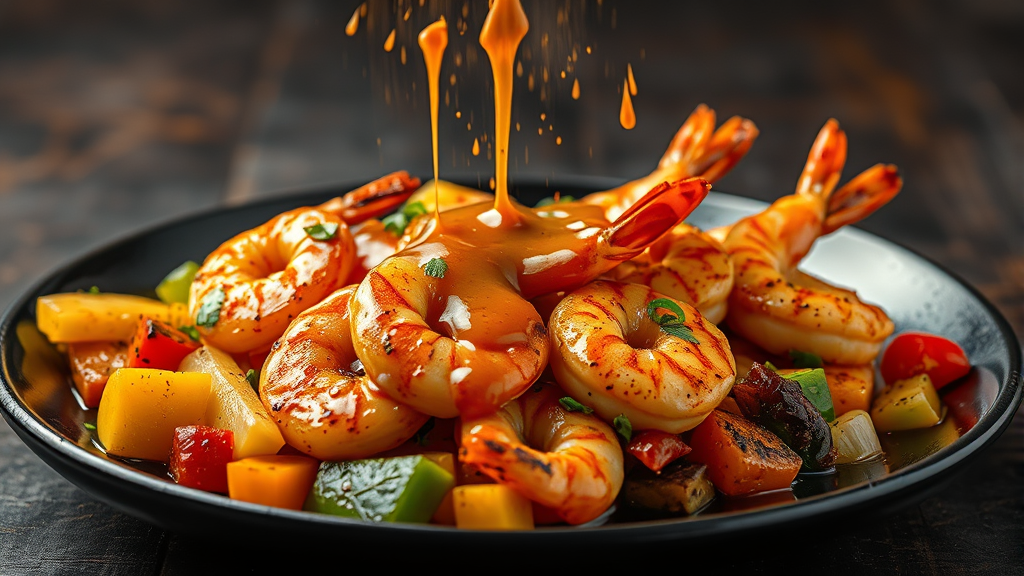
Yum Yum sauce’s versatility extends far beyond traditional hibachi applications. As a dipping sauce, it pairs excellently with tempura vegetables, fried calamari, and grilled shrimp. The creamy texture and balanced flavor profile complement both delicate seafood and robust grilled meats, making it an ideal accompaniment for backyard barbecues and casual dining.
Transform ordinary salads by using Yum Yum sauce as a creamy dressing alternative. Its tangy sweetness works particularly well with Asian-inspired salads containing cabbage, carrots, and cucumber. You can also use it as a sandwich spread, burger sauce, or wrap filling to add restaurant-quality flavor to everyday meals.
Creative cooks incorporate Yum Yum sauce into pasta salads, potato salads, and grain bowls for unexpected flavor enhancement. The sauce’s ability to bind ingredients while adding complexity makes it valuable for meal preparation and batch cooking. Consider pairing it with dishes that benefit from creamy, tangy elements, similar to how you might use brown gravy for comfort foods.
For entertaining, present the sauce in small ramekins alongside vegetable platters, grilled protein selections, or Asian-inspired appetizers. Its appealing color and familiar flavor profile make it a crowd-pleasing addition to any gathering, from casual family dinners to sophisticated dinner parties.
Troubleshooting Common Issues
Several common problems can occur when making Yum Yum sauce, but most are easily correctable with proper techniques. If your sauce appears too thin, refrigerate for additional time to allow natural thickening, or gradually whisk in small amounts of mayonnaise until desired consistency is achieved. Conversely, overly thick sauce can be thinned with rice vinegar or water, added drop by drop while whisking.
Separation issues typically result from temperature differences between ingredients or overly aggressive mixing. To remedy separated sauce, start with a fresh base of room-temperature mayonnaise and gradually whisk in the separated mixture until emulsification is restored. Prevention involves ensuring all ingredients are at similar temperatures before combining.
Flavor imbalances require careful adjustment through small incremental additions. Too much sweetness can be corrected with additional rice vinegar or a pinch of salt. Excessive tanginess benefits from more sugar or ketchup, while insufficient flavor depth might require additional garlic powder or paprika.
Color issues often stem from ingredient quality or proportions. Using fresh, high-quality paprika ensures proper color development, while adjusting ketchup quantities can modify the final hue. Remember that the sauce will develop deeper color during the resting period, so avoid making dramatic adjustments immediately after preparation.
Frequently Asked Questions
What makes Yum Yum sauce different from other creamy sauces?
Yum Yum sauce distinguishes itself through its unique combination of mayonnaise, ketchup, and rice vinegar, creating a perfect balance of creamy, sweet, and tangy flavors. Unlike other creamy sauces that may rely heavily on dairy or herbs, Yum Yum sauce achieves its characteristic taste through the interplay of these simple ingredients, enhanced by garlic powder and paprika for depth and color.
Can I make Yum Yum sauce without mayonnaise?
While mayonnaise is the traditional base for authentic Yum Yum sauce, you can create variations using Greek yogurt, sour cream, or a combination of both for lighter alternatives. However, these substitutions will alter the flavor profile and texture significantly. For best results, use high-quality mayonnaise or experiment with half mayonnaise, half Greek yogurt for a compromise between authenticity and health consciousness.
How long does homemade Yum Yum sauce last in the refrigerator?
Properly stored homemade Yum Yum sauce maintains optimal quality for up to two weeks in the refrigerator when kept in an airtight container at consistent temperatures between 35-40°F. Always check for signs of spoilage before use, including off odors, unusual color changes, or separation that doesn’t resolve with gentle stirring. For food safety, discard the sauce if it has been left at room temperature for more than two hours.
Why is my Yum Yum sauce too thick or too thin?
Consistency issues often result from ingredient ratios or temperature variations. If your sauce is too thick, gradually add rice vinegar or water while whisking until desired consistency is achieved. For thin sauce, refrigerate for additional thickening time or gradually incorporate more mayonnaise. Using ingredients at room temperature and following precise measurements helps achieve the perfect consistency from the start.
Can I freeze Yum Yum sauce for later use?
Freezing Yum Yum sauce is not recommended due to mayonnaise’s tendency to separate and become grainy when frozen and thawed. The emulsion breaks down during the freezing process, resulting in an unappetizing texture that cannot be restored. Instead, prepare smaller batches more frequently or store in the refrigerator for up to two weeks for optimal quality and food safety.
What are the best foods to pair with Yum Yum sauce?
Yum Yum sauce pairs excellently with grilled seafood, tempura vegetables, fried rice, chicken teriyaki, and fresh salads. Its versatility extends to use as a burger sauce, sandwich spread, or dip for raw vegetables. The sauce complements both Asian-inspired dishes and American comfort foods, making it valuable for diverse culinary applications. Consider serving it alongside grilled proteins, roasted vegetables, or as part of appetizer platters.
How can I adjust the spice level in my Yum Yum sauce?
To increase heat levels, gradually add sriracha, wasabi paste, or hot sauce in small increments, tasting frequently to avoid over-spicing. Start with just a few drops and build up to your preferred heat level. For milder versions, reduce or eliminate any spicy ingredients and focus on the sweet and tangy elements. Remember that flavors intensify during refrigeration, so allow time for the heat level to develop before making additional adjustments.

Related Posts

How Long to Boil Lobster Tails: Cooking Guide

How Long to Fly from New York to London? Travel Times
