
How to Wash Shoes in a Washing Machine: Expert Tips
How to Wash Shoes in a Washing Machine: Expert Tips
Your favorite sneakers have seen better days. They’re caked with mud, the canvas is dingy, and that fresh-out-of-the-box feeling is long gone. Before you toss them in the trash, consider this: most shoes can actually survive a spin in your washing machine—if you know what you’re doing. The trick isn’t just throwing them in with your regular laundry and hoping for the best. There’s a method to this madness, and when executed properly, machine washing can breathe new life into your footwear without causing permanent damage.
The question of whether it’s safe to wash shoes in a washing machine has sparked countless debates among cleaning enthusiasts and footwear manufacturers alike. The reality? It depends entirely on your shoe type, the machine settings you choose, and the preparation steps you take beforehand. Some shoes emerge from the wash looking factory-fresh, while others might end up warped or discolored if you’re not careful. This guide walks you through everything you need to know to make an informed decision and execute the process like a pro.
Whether you’re dealing with canvas sneakers, athletic trainers, or even delicate suede, we’ve got the insider knowledge that’ll help you determine if machine washing is the right move for your specific shoes. Ready to transform your tired kicks into something worth wearing again? Let’s dive in.
Which Shoes Can Go in the Washing Machine
Not all shoes are created equal when it comes to machine washing. Canvas sneakers, athletic shoes, and most casual trainers are generally safe bets. These shoes feature durable construction that can withstand the agitation and moisture of a washing cycle. Look for shoes with reinforced stitching and synthetic or natural fiber uppers—these materials tend to hold up well to the washing machine’s vigorous tumbling.
On the flip side, certain shoes absolutely should never see the inside of your washing machine. Delicate dress shoes, expensive leather loafers, and anything with glued-on soles belong in the hand-washing category. The intense water pressure and spinning can compromise adhesives and damage fine materials. Similarly, shoes with electronic components, like those with LED lights or smart features, should never be machine washed.
Athletic shoes made from mesh and synthetic materials are prime candidates for machine washing. Running shoes, basketball sneakers, and gym trainers typically feature construction methods designed to withstand moisture exposure. However, always check the manufacturer’s care instructions first—some brands explicitly warn against machine washing even when the shoe type would normally support it.
One special consideration involves how to clean Uggs and other luxury footwear. These premium shoes often require specialized cleaning methods that differ significantly from standard machine washing protocols. Before attempting to clean any high-end or specialty shoe, research the specific brand’s recommendations or consult a professional cleaner.
Preparation Steps Before Washing
The preparation phase is where most people stumble. Jumping straight into the wash without proper prep can result in damaged shoes, a dirty washing machine, and wasted detergent. Start by removing excess dirt and debris. Use a soft brush or old toothbrush to gently scrub away dried mud, dust, and surface grime. Pay special attention to the soles and crevices where dirt accumulates. This step prevents your washing machine from becoming clogged with debris.
Next, remove the insoles if possible. Most shoe insoles are glued or placed loosely inside the shoe. If they come out easily, take them out and wash them separately by hand or in a mesh laundry bag. Insoles often harbor odor-causing bacteria and benefit from individual attention. If your insoles are permanently attached, leave them in place.
Check all pockets and compartments. Yes, shoes have pockets sometimes. If your sneakers feature side pockets or hidden compartments, empty them completely. A forgotten wrapper or small object can cause problems during the wash cycle.
Unlace your shoes fully and remove the laces. Shoelaces should be washed separately, either by hand or in a dedicated mesh bag. This prevents them from tangling around the drum or other shoes during the cycle. If your laces are particularly dirty, soak them in warm water with a bit of detergent for 15 minutes before washing.
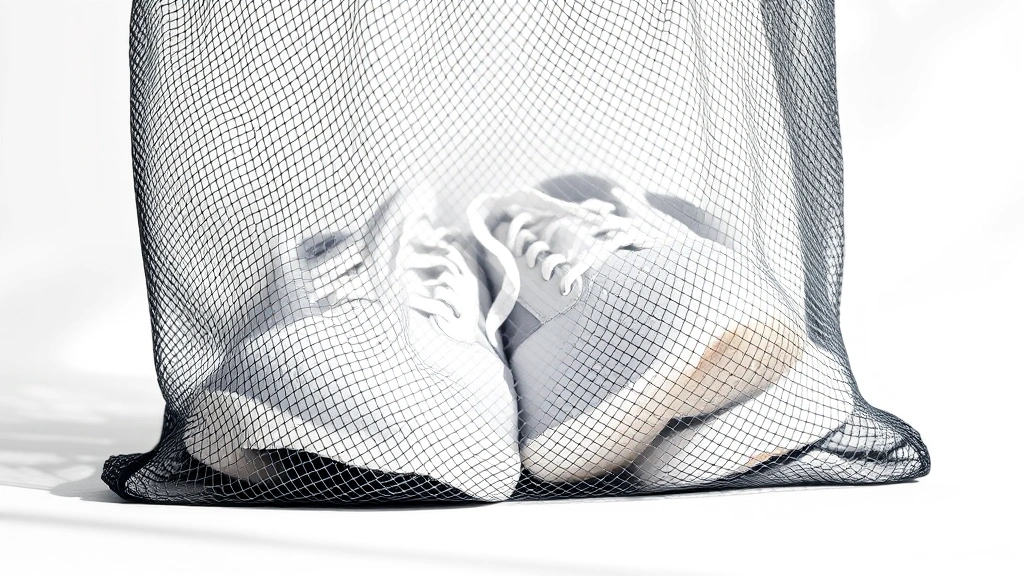
Place your shoes inside a mesh laundry bag or pillowcase. This protective barrier is absolutely crucial—it cushions your shoes during the wash and prevents them from bashing against the drum repeatedly. A mesh bag allows water and detergent to circulate while containing your shoes safely. If you’re washing multiple pairs, use separate bags to prevent them from banging into each other.
Choosing the Right Machine Settings
Machine settings matter more than most people realize. Using the wrong cycle can shrink, warp, or damage your shoes irreparably. Always opt for a gentle or delicate cycle—never use heavy-duty or normal wash cycles for shoes. The gentle cycle features slower spinning speeds and shorter agitation periods, which are far gentler on footwear.
Water temperature should be cool to lukewarm, ideally between 68-77°F (20-25°C). Hot water can break down adhesives used in shoe construction and cause colors to fade or bleed. Cold water works perfectly fine for most cleaning jobs and poses less risk to your shoes.
Use a small amount of mild detergent. Most people use far too much soap when washing shoes, which can leave residue and damage fabric. A quarter to half cup of detergent is typically sufficient for a full load, or even less if you’re only washing one or two pairs. Consider using a specialized laundry detergent designed for delicate items or athletic wear.
Skip the fabric softener and bleach entirely. Fabric softener can leave a coating on shoes that affects breathability and comfort. Bleach, even diluted, can damage colors and weaken fabric fibers. If you’re dealing with stubborn stains or odors, let the gentle cycle with mild detergent do the work—it’s usually sufficient.
Before starting the cycle, make sure your washing machine is clean and free of debris. You might want to clean your washing machine if you haven’t done so recently, especially if you’re washing shoes that were very dirty. A clean machine ensures your shoes emerge fresh and prevents any transfer of old dirt or residue.
The Washing Process Explained
Once you’ve prepared your shoes and selected the appropriate settings, the actual washing process is straightforward. Place your mesh bag containing the shoes into the drum, along with your detergent. Add any other items you’re washing—like the shoelaces in their own mesh bag—but avoid mixing shoes with regular laundry. Shoes require dedicated attention and shouldn’t share a cycle with clothes, towels, or other items.
Start the gentle cycle and let the machine do its work. The entire process typically takes 30-45 minutes. Resist the urge to check on your shoes mid-cycle by opening the machine repeatedly. Each interruption can affect the wash quality and introduce unnecessary water loss.
When the cycle completes, remove your shoes immediately. Leaving them sitting in the damp machine can promote mold growth and cause odors to develop. Even in a mesh bag, prolonged moisture exposure isn’t ideal.
If your shoes still have visible dirt or stains after the first wash, you have options. You can run a second gentle cycle, or you can spot-clean the remaining stains by hand using a soft brush and mild soapy water. For stubborn stains like grease stains, pre-treating before the wash cycle often yields better results than attempting to remove them after washing.
For athletic shoes that develop odors, you might add half a cup of white vinegar to the rinse cycle. Vinegar naturally eliminates odor-causing bacteria without damaging fabrics. However, skip this step if your shoes feature delicate colors, as vinegar can affect some dyes.
Proper Drying Techniques
Drying is arguably more critical than the washing process itself. Improper drying can ruin shoes that survived the wash perfectly. Never, under any circumstances, put shoes in the dryer. The heat will shrink materials, damage adhesives, and potentially cause the soles to separate from the upper. This mistake has ended many perfectly good pairs of shoes.
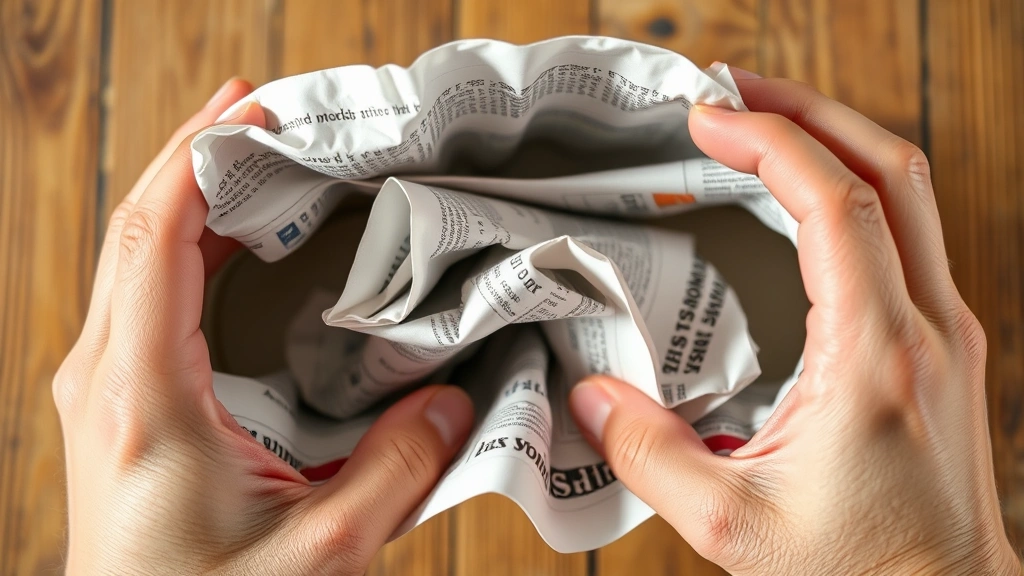
Instead, remove your shoes from the mesh bag and stuff them with newspaper. Use multiple sheets, replacing them every hour or so as they absorb moisture. The newspaper helps maintain the shoe’s shape while drawing moisture away from the interior. Some people use paper towels instead of newspaper—both work well.
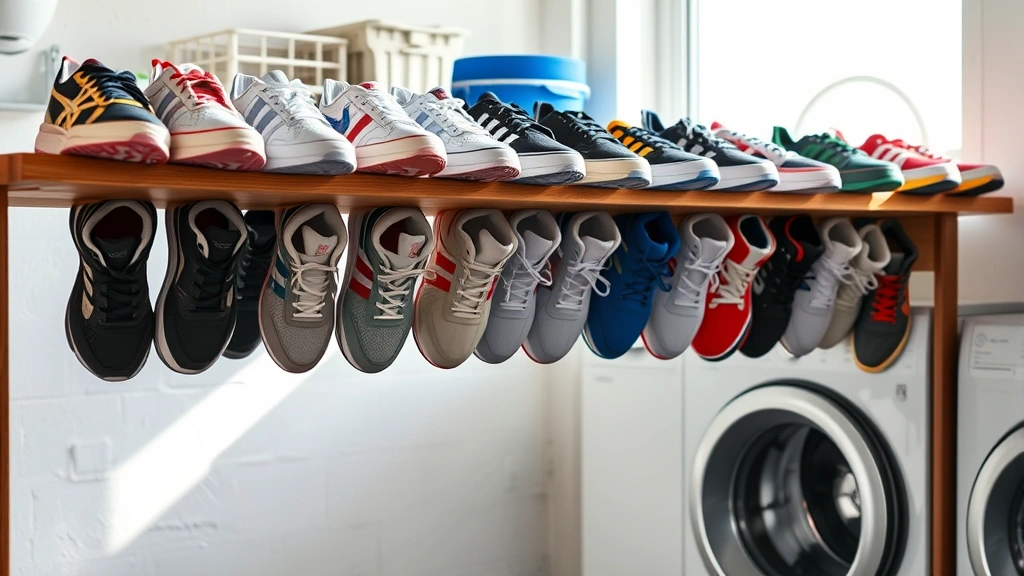
Place your shoes in a well-ventilated area away from direct sunlight or heat sources. A laundry room, basement, or garage works perfectly. Avoid placing them near radiators, vents, or windows with intense direct sun, as heat accelerates drying and can cause warping.
Drying typically takes 24-48 hours depending on humidity levels and shoe thickness. Athletic shoes with mesh usually dry faster than heavy canvas or leather styles. You’ll know they’re completely dry when they feel light and the interior is no longer damp to the touch.
Once dry, replace your insoles if you removed them, and rethread your shoelaces. Your shoes should now look refreshed and smell clean. If any odor remains, sprinkle a small amount of baking soda inside and let it sit overnight to absorb any lingering smells.
Special Cases: Uggs, Leather, and More
Certain shoe types require modified approaches or shouldn’t be machine washed at all. Cleaning Uggs demands a completely different strategy than canvas sneakers. Uggs feature delicate suede construction that can be permanently damaged by machine washing. Suede requires gentle hand-cleaning with specialized suede brushes and cleaners designed specifically for this material.
Leather shoes, whether high-end dress shoes or leather sneakers, generally shouldn’t go in the washing machine. Leather can absorb too much water, leading to stretching, warping, and potential mold growth. If your leather shoes need cleaning, use a damp cloth with mild soap and hand-clean them gently. For stubborn stains, consult a professional leather cleaner.
Shoes with delicate embellishments like sequins, beads, or embroidery should never be machine washed. The agitation will loosen or remove these decorations. Hand-washing with a soft cloth is your only safe option.
Waterproof or water-resistant shoes with specialized coatings can usually be machine washed, but use the gentlest cycle available and cold water only. The protective coating can be compromised by heat or excessive agitation.
Vintage or collectible shoes deserve professional cleaning services rather than home machine washing. The risk of damage far outweighs any cost savings from DIY cleaning.
Maintaining Your Washing Machine
Washing shoes occasionally won’t damage your machine, but regular shoe washing might. Keeping your washing machine clean becomes increasingly important if you wash shoes frequently. Dirt and debris from shoes can accumulate in the drain filter and tub, potentially causing clogs or odors.
After washing shoes, run a cleaning cycle with an empty drum using hot water and a commercial washing machine cleaner. Alternatively, run a hot water cycle with two cups of white vinegar to naturally sanitize the machine. This removes any residual dirt or detergent buildup.
Check the drain filter monthly if you wash shoes regularly. Many machines have a small access panel at the bottom front where you can open the filter and remove accumulated debris. This simple maintenance task prevents drainage problems and keeps your machine running smoothly.
If you notice any moldy smells or visible mold growth inside your machine after washing shoes, this indicates moisture is being trapped. Ensure you’re using the gentle cycle with adequate spin speed, and always leave the machine door open between uses to allow air circulation.
Consider using a washing machine net or bag designed to catch small items. Even with these precautions, loose dirt from shoes occasionally escapes mesh bags. A secondary catch-all prevents this debris from reaching your machine’s internal components.
Frequently Asked Questions
Can I wash all types of athletic shoes in the washing machine?
Most athletic shoes can be machine washed, but always check the manufacturer’s care label first. Running shoes, cross-trainers, and gym shoes are generally safe, but some brands recommend against machine washing even for durable athletic footwear. When in doubt, consult the shoe brand’s website or contact their customer service.
How often can I safely wash shoes in the washing machine?
There’s no strict limit to how often you can machine wash shoes, as long as you follow proper procedures. However, frequent machine washing will eventually wear out materials faster than occasional hand-cleaning would. For everyday shoes, machine washing every 2-3 months is reasonable. For special occasion or dress shoes, hand-cleaning between wears is preferable.
What should I do if my shoes smell bad after machine washing?
Odors that persist after washing usually indicate bacteria or mold growth inside the shoe. Ensure shoes are completely dry before storing them—any remaining moisture encourages odor-causing organisms. Place baking soda inside overnight to absorb smells. If odors return quickly, your shoes may have developed a mold issue that requires professional treatment or replacement.
Can I wash shoes with other laundry items?
It’s not recommended. Shoes should have their own dedicated wash cycle. Washing shoes with clothes, towels, or bedding can transfer dirt to these items and may cause color bleeding or staining. Additionally, shoes require different cycle settings than most household laundry, making a shared wash less effective for both the shoes and other items.
Is it safe to wash white canvas shoes with colored shoes together?
Yes, as long as you use cold water and mild detergent. Modern shoes are typically colorfast, meaning the dyes won’t bleed significantly in cold water. However, if you’re concerned about color transfer, wash white and colored shoes separately. This is a precaution rather than a necessity for most quality shoes.
What if my shoes have a strong odor that won’t go away?
Persistent odors might indicate that the smell has penetrated the shoe’s interior materials rather than just being surface-level dirt. After machine washing, try these additional steps: sprinkle baking soda inside and let sit for 24 hours, place crumpled newspaper or activated charcoal inside the shoe to absorb odors, or use specialized shoe deodorant sprays. If these methods don’t work, the shoes might need professional odor treatment or replacement.
How do I prevent my shoes from shrinking in the wash?
Shrinking typically results from heat exposure rather than water itself. Use cold or cool water, never hot water. Avoid the dryer entirely—air-drying is essential. Stuff shoes with newspaper while drying to help maintain their shape. If you’re concerned about fit changes, test-wash one pair before washing your entire shoe collection.
Can I use bleach on white shoes?
Avoid bleach entirely, even on white shoes. Bleach can weaken fabric fibers, cause yellowing, and damage the shoe’s construction. For white shoes that need brightening, use oxygen-based stain removers or specialized white shoe cleaning products instead. These are gentler while still providing effective cleaning.

Related Posts

How Long to Boil Lobster Tails: Cooking Guide

How Long to Fly from New York to London? Travel Times
