

How to Wash a Weighted Blanket: Expert Guide
How to Wash a Weighted Blanket: Expert Guide
Weighted blankets have become a staple in many households, offering comfort and anxiety relief that regular bedding simply can’t match. But here’s the thing—these cozy companions require a bit more TLC than your average duvet. The combination of heavy filling materials and delicate fabrics means you need to know exactly what you’re doing before tossing yours into the washing machine.
Whether you’re dealing with glass beads, plastic pellets, or sand filling, washing a weighted blanket doesn’t have to be intimidating. With the right approach, you can keep your blanket fresh, clean, and functional for years to come. Let’s break down everything you need to know to maintain this investment properly.
The key to success lies in understanding your specific blanket’s construction and following manufacturer guidelines. Most weighted blankets are designed with removable covers, which makes the process significantly easier. However, even if yours isn’t, we’ve got solutions for that too.
Check the Care Label First
Before you do anything else, locate that care label. It’s your roadmap to blanket-washing success. The manufacturer has already done the heavy lifting by testing what works best for your specific blanket’s materials and construction. You’ll find important information about water temperature, detergent type, and whether machine washing is even recommended.
Most quality weighted blankets come with detailed care instructions, but if yours didn’t include a physical tag, check the product documentation or the manufacturer’s website. Some blankets are explicitly designed for machine washing, while others require gentler hand-washing methods. Ignoring these instructions could void your warranty or damage your blanket beyond repair.
Pay special attention to any warnings about bleach, fabric softeners, or specific water temperatures. These details matter more than you might think, especially when dealing with specialized fabrics designed to work with weighted filling materials.
Washing Removable Covers
If your weighted blanket has a removable cover—and most quality ones do—you’re in luck. This is genuinely the easiest part of the cleaning process. Simply unzip or unsnap the cover from the inner blanket and wash it separately using standard laundry practices.
Here’s your step-by-step approach for removable covers:
- Check the fabric type: Cotton, polyester, and microfiber covers have different washing requirements. Read the label to determine the appropriate water temperature.
- Use cold or warm water: Most covers do well in cold water with a gentle cycle, which helps preserve color and fabric integrity.
- Choose appropriate detergent: Use a mild, high-quality detergent. Avoid bleach unless the label specifically permits it, as this can fade colors or damage the fabric.
- Wash with similar items: Group covers with like colors and fabrics to prevent color bleeding or snags.
- Air dry when possible: Line drying extends the cover’s lifespan. If you must use a dryer, select a low heat setting.

One pro tip: wash your cover more frequently than the inner blanket itself. Since the cover receives most of the direct contact with your body, washing it every two weeks during regular use keeps the entire blanket fresher longer. The inner blanket can typically go several months between cleanings if the cover is being maintained regularly.
Cleaning the Inner Blanket
The inner blanket is where things get tricky. This is the component that actually contains your weighted filling, whether that’s glass beads, plastic pellets, or another material. The fabric used for the inner layer is often more delicate than the outer cover, and you need to be extremely careful not to compromise the stitching or puncture the material.
Before attempting any cleaning method, inspect the inner blanket carefully for any holes, tears, or loose seams. If you spot damage, repair it before washing. Even a tiny hole can lead to filling material escaping into your washing machine, creating a mess and potentially damaging the machine itself. This is why understanding how to clean a washing machine becomes relevant if something goes wrong.
Most manufacturers recommend against machine washing the inner blanket, even on gentle cycles. The tumbling action combined with the weight of the filling can stress the seams and potentially damage the blanket. Instead, focus on spot cleaning and hand washing methods for the inner layer.
Hand Washing Method
Hand washing is the safest approach for your weighted blanket’s inner layer. Yes, it requires more effort than tossing everything in the machine, but it’s worth the investment to protect your blanket.
What you’ll need:
- A bathtub or large basin
- Mild detergent specifically designed for delicate fabrics
- Lukewarm water
- Soft-bristled brush (optional)
- Clean towels
The hand-washing process:
- Fill your tub: Add lukewarm water and a small amount of mild detergent. You want enough water to fully submerge the blanket comfortably.
- Submerge the blanket: Gently place the blanket in the water, allowing it to soak for 15-20 minutes. This gives the detergent time to work without aggressive agitation.
- Gentle agitation: After soaking, gently squeeze the soapy water through the blanket. Don’t twist, wring, or rub vigorously. Think of it like you’re giving the blanket a gentle massage rather than a workout.
- Address stains: For stubborn spots, use a soft-bristled brush with a small amount of concentrated detergent. Work gently in circular motions.
- Rinse thoroughly: Drain the soapy water and refill the tub with clean water. Repeat this rinsing process 2-3 times until all soap residue is gone.
- Remove excess water: Don’t squeeze or wring. Instead, press the blanket gently against the tub sides to release excess water, or carefully lift it and let water drain naturally.
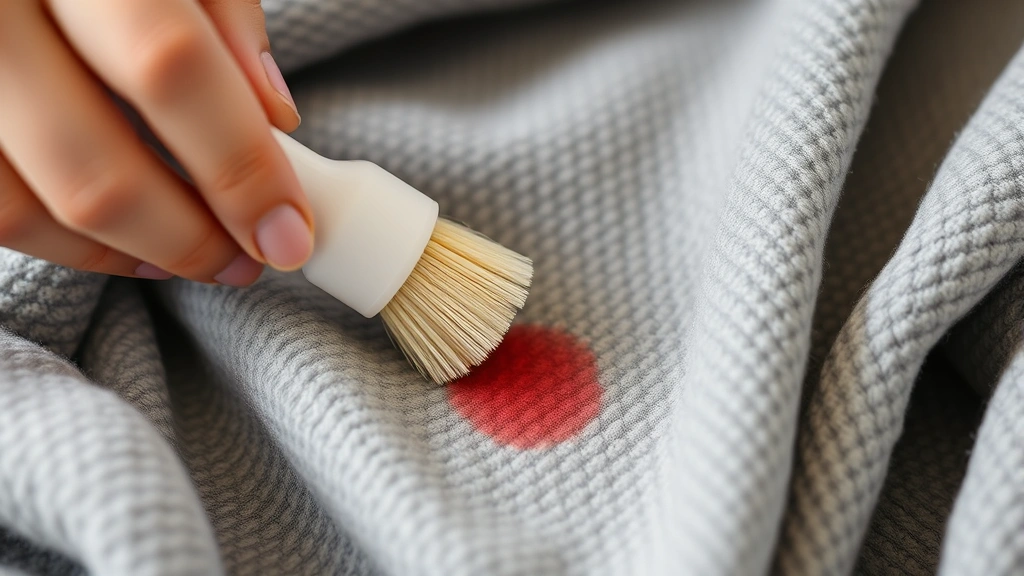
Hand washing takes patience, but it’s genuinely the gold standard for weighted blanket care. You’re minimizing stress on the seams and filling while still achieving effective cleaning results.
Drying Your Weighted Blanket
Drying is just as important as washing, and it requires a different approach than your typical bedding. Weighted blankets are heavy when wet, and improper drying can lead to mildew, odors, or uneven drying that damages the filling distribution.
Air drying is your best option: Lay your blanket flat on a clean surface like a bed, large table, or outdoor deck. If you have outdoor space and sunny weather, even better—sunlight provides natural disinfection. Flip the blanket halfway through the drying process to ensure even moisture evaporation.
This process takes time, typically 24-48 hours depending on humidity and air circulation. Yes, it’s slower than machine drying, but it’s infinitely better for your blanket’s longevity.
Machine drying considerations: If you absolutely must use a dryer, use the lowest heat setting available and add dryer balls to help distribute weight evenly. Check the blanket every 15-20 minutes and remove it while still slightly damp. Never dry a weighted blanket on high heat, as this can damage the fabric and potentially affect the filling materials.
Never, under any circumstances, hang a wet weighted blanket from a clothesline or hook. The weight of the water-saturated filling will stress the seams and potentially cause tears or permanent sagging.
Spot Cleaning and Stain Removal
Between full washes, spot cleaning keeps your blanket fresh and prevents stains from setting permanently. Quick action is crucial—the faster you address a spill or stain, the easier it is to remove.
For liquid spills: Blot immediately with a clean, dry cloth. Don’t rub, as this pushes the liquid deeper into the fabric. Once you’ve absorbed excess liquid, apply a small amount of mild detergent diluted in water to the affected area. Gently work it in with your fingers or a soft cloth, then blot with a damp cloth to rinse.
For solid stains: Remove any solid material first, then treat the stain. For protein-based stains like blood or food, cold water is your friend. For grease or oil stains, a tiny drop of dish soap works wonders before switching to your regular mild detergent.
If you’re dealing with particularly stubborn stains, consider consulting resources about how to get slime out of clothes for similar stain-removal principles that apply to delicate fabrics.
Always test any cleaning solution on an inconspicuous area first. This prevents accidental damage to visible portions of your blanket and helps you gauge how the fabric responds to the treatment.
Regular Maintenance Tips
Keeping your weighted blanket clean doesn’t require constant deep cleaning. Smart maintenance habits prevent the need for frequent washing and extend your blanket’s lifespan significantly.
Establish a routine: Wash the removable cover every 2-3 weeks during regular use. This is the most effective way to keep your blanket fresh without over-cleaning the delicate inner layer. Deep clean the entire blanket every 3-6 months, depending on usage and personal preference.
Use a duvet cover: Consider placing your weighted blanket inside a duvet cover. This adds an extra protective layer, keeps your blanket cleaner longer, and gives you a machine-washable barrier between your body and the blanket itself. You can find quality duvet covers specifically designed for weighted blankets.
Store properly: When not in use, store your blanket in a breathable cotton storage bag rather than plastic. This prevents moisture accumulation and mildew growth. Avoid storing in damp basements or humid closets.
Inspect regularly: Check for small tears, loose seams, or filling material clumping every few months. Addressing minor issues immediately prevents them from becoming major problems. Just like you’d want to understand how to clean your washing machine to keep it functioning properly, maintaining your blanket prevents future headaches.
Avoid common mistakes: Never dry clean a weighted blanket unless specifically instructed. The chemicals used in dry cleaning can damage both the fabric and filling materials. Similarly, avoid bleach, fabric softeners, and dryer sheets, which can leave residue and potentially affect the blanket’s functionality.
If your blanket experiences weight distribution issues—like filling settling to one side—this sometimes indicates a need for gentle agitation during cleaning. Consult the manufacturer for guidance on addressing this specific problem.
Frequently Asked Questions
Can I machine wash my weighted blanket?
Most manufacturers recommend against machine washing the inner blanket due to stress on seams and the weight of wet filling. However, removable covers are typically machine washable. Always check your specific blanket’s care label, as some newer designs are engineered to handle gentle machine washing cycles. If machine washing is permitted, use cold water, a gentle cycle, and avoid bleach or fabric softeners.
How often should I wash my weighted blanket?
Wash the removable cover every 2-3 weeks during regular use. Deep clean the entire inner blanket every 3-6 months, depending on usage patterns. If you use the blanket daily, aim for more frequent cleaning. If it’s occasional use, less frequent cleaning is fine. Using a duvet cover significantly reduces how often you need to wash the blanket itself.
What if my weighted blanket doesn’t have a removable cover?
Hand wash the entire blanket using the method described in our hand-washing section. This requires more effort but is necessary for blankets without removable covers. Consider adding a duvet cover in the future to make maintenance easier.
Can I dry clean a weighted blanket?
No, dry cleaning is not recommended for weighted blankets. The harsh chemicals used in dry cleaning can damage both the fabric and the filling materials. Stick to hand washing or gentle machine washing (if permitted) followed by air drying.
What should I do if my blanket smells musty?
Musty odors typically indicate moisture issues. Ensure your blanket is completely dry after washing—any remaining moisture can lead to mildew. Air it out in sunlight if possible, as UV rays naturally eliminate odors. Store in a breathable bag in a dry location. If the smell persists after thorough drying, you may need to deep clean more frequently or consider upgrading your storage situation.
Is it normal for some filling to shift around?
Minor shifting is normal, especially after washing. However, significant clumping or settling to one side indicates potential issues with stitching or filling distribution. If this occurs, contact the manufacturer. Some blankets have internal baffles that prevent this; others don’t, so this is something to research before purchasing.
Can I use fabric softener on my weighted blanket?
No, avoid fabric softeners entirely. They can leave residue that interferes with the blanket’s weight distribution and therapeutic effectiveness. Mild detergent alone is sufficient for cleaning without compromising the blanket’s functionality.
How do I remove wrinkles from my weighted blanket?
Air drying usually prevents wrinkles from forming in the first place. If wrinkles do develop, lay the blanket flat on a bed and smooth them out by hand. Avoid ironing, as high heat can damage the fabric and potentially affect filling materials. Never use a steamer on a weighted blanket, as moisture and heat combined can cause damage.

Related Posts

How Long to Boil Lobster Tails: Cooking Guide

How Long to Fly from New York to London? Travel Times
