
How to Vape Safely? Expert Tips Inside
How to Vape Safely: Expert Tips and Best Practices
Vaping has become increasingly popular as an alternative to traditional smoking, but like any activity, it requires proper knowledge and precautions to do it safely. Whether you’re new to vaping or have been doing it for years, understanding the fundamentals of safe vaping practices is essential for protecting your health and getting the best experience from your device. This comprehensive guide covers everything you need to know about vaping safely, from choosing the right equipment to maintaining proper technique and device care.
The vaping landscape continues to evolve with new devices, e-liquids, and technologies entering the market regularly. Understanding how these components work together and what safety measures you should implement will help you make informed decisions about your vaping habits. We’ll explore battery safety, proper inhalation techniques, liquid selection, device maintenance, and much more to ensure you can vape responsibly and comfortably.
Understanding Your Vaping Device
Before you can vape safely, you need to understand the components and mechanics of your device. Modern vaping devices come in various forms, from simple pen-style vaporizers to complex box mods with adjustable settings. Each type has different safety considerations and operational requirements. The basic anatomy of a vape device includes a battery, atomizer, tank or cartridge, and mouthpiece. Familiarizing yourself with each component helps you identify potential issues before they become problems.
The atomizer is the heating element that vaporizes your e-liquid. Understanding wattage and resistance ratings is crucial for safe operation. Most devices display these measurements, and staying within the recommended range prevents overheating and battery drain. If you’re using a device with adjustable settings, start at the lowest recommended wattage and gradually increase until you find your preferred experience. This approach protects both your device and your lungs from unnecessary strain.
Tank capacity and design also matter for safety. Larger tanks hold more liquid but can be heavier and more prone to leaks if not properly assembled. Always ensure your tank is screwed on securely but not over-tightened, as this can damage the threading. Regularly inspect your tank for cracks or damage, especially if you’ve dropped it. A damaged tank can leak e-liquid onto your battery, creating a serious safety hazard.
Battery Safety and Management
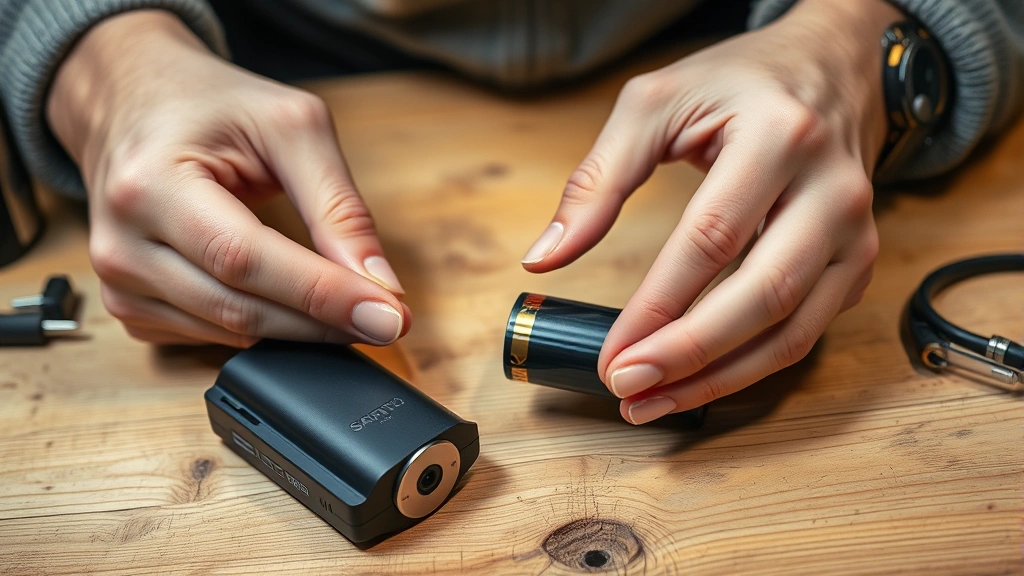
Battery safety is perhaps the most critical aspect of vaping safely. Lithium-ion batteries, which power most vaping devices, require careful handling and maintenance. Always use the charger that came with your device or a reputable replacement designed for your specific battery type. Using incompatible chargers can overcharge batteries, leading to reduced lifespan or dangerous failures. Never leave batteries charging unattended, and remove them from the charger once fully charged.
Inspect your batteries regularly for physical damage such as dents, tears in the wrapper, or discoloration. A damaged battery should be disposed of properly at a recycling center rather than thrown in regular trash. Store batteries in a cool, dry place away from metal objects that could cause short circuits. When traveling, use a dedicated battery case to prevent accidental contact with other metal items in your bag. Most battery cases are inexpensive and provide essential protection.
Understanding battery ratings is essential for safe vaping. Each battery has a continuous discharge rate, often abbreviated as CDR, which indicates how much current it can safely deliver. Using a battery with an insufficient CDR for your device’s resistance can cause the battery to overheat. Research your specific battery model and match it with an appropriate atomizer resistance. If you’re unsure about compatibility, consult the manufacturer’s specifications or ask at a reputable vape shop.
For those interested in other safety maintenance topics around the home, understanding proper how to use a plunger and how to unclog a toilet are equally important household skills that protect your living space.
Choosing Quality E-Liquids
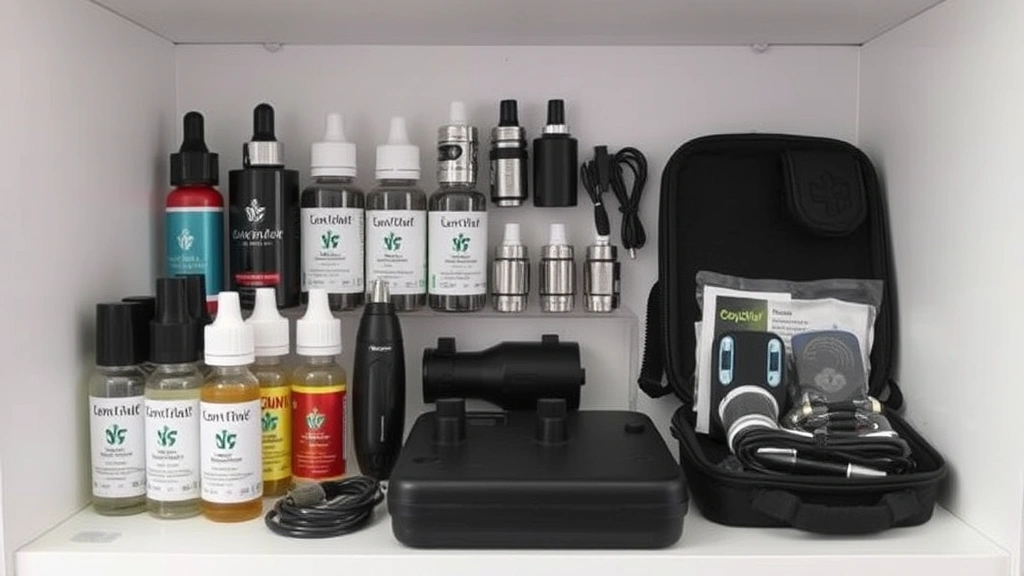
The quality of your e-liquid directly impacts your safety and vaping experience. Reputable manufacturers clearly list all ingredients and provide third-party testing results. The basic components of e-liquid are vegetable glycerin (VG), propylene glycol (PG), nicotine, and flavorings. Understanding the VG/PG ratio helps you choose liquids suited to your device and preferences. Higher VG ratios produce more vapor but may require higher wattages, while higher PG ratios provide more throat hit and flavor intensity.
Always purchase e-liquids from established vendors who maintain quality standards. Avoid suspiciously cheap liquids from unknown sources, as they may contain harmful additives or improperly measured nicotine levels. Check that the liquid is properly labeled with nicotine strength, ingredients, and manufacturing date. Legitimate manufacturers provide batch numbers for traceability and recall purposes if necessary. Store e-liquids in dark bottles away from direct sunlight and heat, as UV exposure and high temperatures can degrade the liquid and affect nicotine stability.
Nicotine strength selection is personal but important for safety. Higher nicotine concentrations can cause dizziness, nausea, or nicotine poisoning if you’re not accustomed to them. If you’re transitioning from smoking, start with a nicotine strength equivalent to your previous cigarette consumption, then adjust based on your experience. Keep e-liquids out of reach of children and pets, as even small amounts of concentrated nicotine liquid can be dangerous if ingested.
When exploring home improvement and maintenance topics on the FixWise Hub Blog, you’ll find similar emphasis on quality materials and proper selection, much like choosing safe vaping liquids.
Proper Inhalation Techniques
How you inhale vapor significantly affects your safety and satisfaction. There are two primary inhalation methods: mouth-to-lung (MTL) and direct-to-lung (DTL). Mouth-to-lung mimics traditional smoking, where you draw vapor into your mouth first, then inhale it into your lungs. This method works well with higher nicotine strengths and lower wattage devices. Direct-to-lung involves inhaling vapor directly into your lungs without pausing in your mouth, producing larger clouds and requiring lower nicotine concentrations.
Beginners should start with mouth-to-lung inhalation, as it’s easier to control and less likely to cause coughing or throat irritation. Take slow, steady draws lasting 2-3 seconds rather than rapid puffs. After inhaling, hold the vapor in your mouth briefly before slowly inhaling it into your lungs. This technique reduces the shock to your respiratory system and allows better flavor perception. If you experience persistent coughing, reduce your nicotine strength or wattage, as these are common irritants for new vapers.
Avoid chain-vaping, where you take multiple consecutive puffs without breaks. This practice heats the coil excessively, which can burn the e-liquid and create harsh, unpleasant vapor. It also depletes your battery rapidly and can cause nicotine overconsumption. Instead, take a few puffs, then wait 15-30 seconds before vaping again. This spacing allows the coil to cool slightly and the liquid to re-saturate the wick, ensuring a better experience and longer device lifespan.
Device Maintenance and Cleaning
Regular maintenance keeps your device safe and functioning optimally. The most critical maintenance task is replacing coils when they burn out. Most coils last between 1-4 weeks depending on usage and e-liquid composition. Signs of a burnt coil include harsh taste, reduced vapor production, and dark discoloration of the coil. Never attempt to clean and reuse a burnt coil, as it won’t restore functionality and may harbor bacteria. Always replace it with a new one rated for your device.
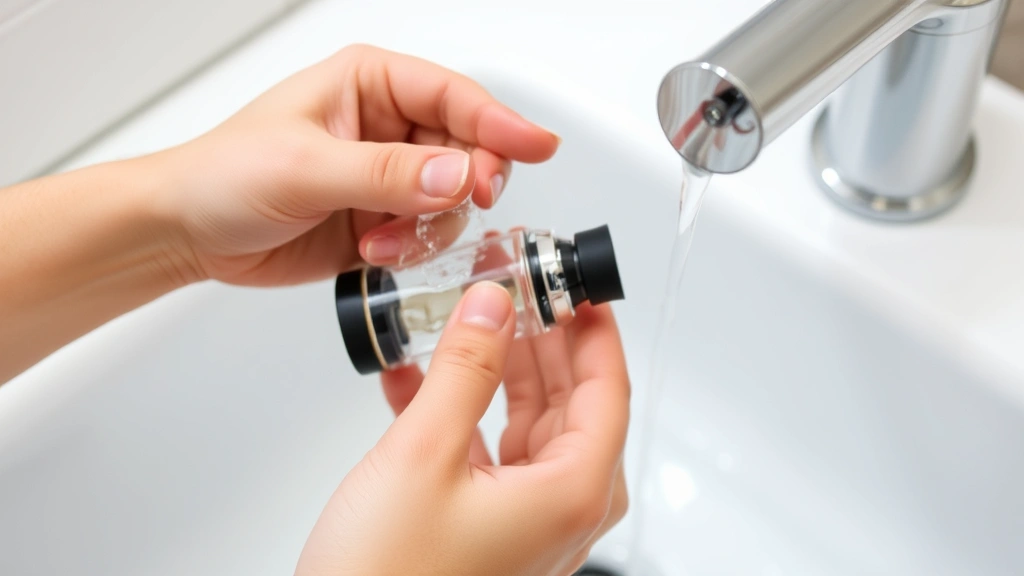
Clean your tank regularly to prevent flavor contamination and bacterial growth. Empty any remaining e-liquid, then rinse the tank with warm water. For stubborn residue, use a small brush or pipe cleaner to gently clean the interior surfaces. Dry thoroughly with a paper towel or cloth before refilling. The mouthpiece should be cleaned weekly by rinsing with water and drying completely. A clean mouthpiece reduces the risk of bacterial contamination and improves flavor quality.
Inspect your device’s connections regularly, particularly where the tank connects to the battery. Loose connections can cause poor performance and potential safety issues. If connections appear dirty, gently clean them with a dry cotton swab. Avoid using liquids or excessive force when cleaning connections, as this can damage the delicate threading. If connections are damaged or stripped, the device may need professional repair or replacement.
Just as how to clean a washing machine requires regular maintenance for optimal performance, your vaping device demands consistent care to operate safely.
Avoiding Common Mistakes
Understanding common vaping mistakes helps you avoid potential safety issues. One frequent error is overfilling your tank beyond the maximum line. Overfilled tanks can leak e-liquid into your battery connection, causing electrical hazards and device damage. Always fill to the recommended level, leaving adequate space for expansion. Another common mistake is using the wrong resistance coils for your device, which can cause overheating or insufficient vapor production.
Many new vapers make the mistake of vaping immediately after refilling their tank. When you install a new coil and fill the tank, allow 5-10 minutes for the e-liquid to saturate the wick. Vaping too soon causes dry hits, where you inhale from an inadequately saturated coil, creating a harsh, burnt taste and potentially damaging the coil. This brief wait ensures optimal flavor and coil longevity.
Avoid mixing different e-liquid brands or types in the same tank without thoroughly cleaning it first. Different liquids may have incompatible ingredients that create unpleasant flavors or chemical reactions. If you want to switch flavors, empty your tank completely and rinse it with water before filling with the new liquid. This prevents flavor ghosting, where remnants of the previous flavor linger in the new liquid.
Never attempt to modify your device beyond manufacturer recommendations. Modifying battery connections, removing safety features, or using non-standard components can create serious hazards including battery venting or device malfunction. Stick with manufacturer-approved upgrades and modifications only.
Storage and Handling
Proper storage extends your device’s lifespan and maintains safety. Store your vape in a cool, dry location away from direct sunlight, excessive heat, and moisture. High temperatures can damage batteries and degrade e-liquid, while moisture can cause internal corrosion. If you’re storing your device for extended periods, remove the tank and store it separately to prevent leakage onto the battery.
Keep your device away from extreme temperatures. Never leave it in a car on hot days, as heat can cause batteries to fail or e-liquid to degrade. Similarly, avoid freezing temperatures, which can damage battery chemistry and thicken e-liquid. Room temperature storage is ideal for both device longevity and e-liquid quality.
Transport your device carefully to prevent damage. Use a protective case when traveling, especially by air. Many airlines have specific regulations regarding vaping devices, so check airline policies before packing your vape in carry-on or checked luggage. Store batteries separately from metal objects during transport to prevent accidental short circuits. When not in use for extended periods, remove batteries from the device to prevent potential issues from prolonged contact.
Educate yourself on local regulations regarding vaping in your area. Some regions have age restrictions, flavor bans, or restrictions on nicotine strength. Understanding these regulations ensures you comply with local laws and purchase appropriate products. Visit FDA tobacco product regulations for comprehensive information on federal guidelines.
For comprehensive home safety tips and maintenance advice, explore the This Old House resource for additional household safety practices.
FAQ
What is the safest way to charge a vaping device?
Use the original charger provided with your device or a reputable replacement designed for your specific battery type. Charge in a well-ventilated area, never leave it unattended, and remove it immediately after reaching full charge. Avoid charging near flammable materials or on surfaces prone to heat accumulation.
How often should I replace my coils?
Coil replacement frequency depends on usage and e-liquid composition. Most coils last 1-4 weeks. Replace them when you notice burnt taste, reduced vapor production, or visible discoloration. Heavy vapers may need weekly replacements, while light users might stretch them to 3-4 weeks.
Is it safe to vape high nicotine concentrations?
High nicotine concentrations can cause dizziness, nausea, or nicotine poisoning, particularly for new users. Start with lower concentrations and adjust based on your experience. If you experience nicotine sickness symptoms, reduce your nicotine strength and consult a healthcare provider if symptoms persist.
Can I use tap water to clean my tank?
Tap water is acceptable for basic cleaning, though distilled water is preferable to avoid mineral deposits. After rinsing, dry your tank thoroughly with a lint-free cloth or paper towel. Never use hot water, as extreme temperature changes can damage tank materials.
What should I do if my device feels hot?
If your device feels excessively hot, stop vaping immediately and allow it to cool. Excessive heat indicates potential battery or coil issues. Check that your coil is properly installed and rated for your device. If heating persists, discontinue use and have the device inspected by a professional.
How do I know if my battery is damaged?
Inspect batteries for dents, tears in the wrapper, discoloration, or leaking. Damaged batteries should not be used and should be disposed of at a proper recycling facility. Never attempt to repair a damaged battery, as this creates serious safety risks.
Are there any health risks associated with vaping?
While vaping is generally considered less harmful than smoking, potential risks exist. Long-term health effects are still being studied. Avoid vaping if you have respiratory conditions, heart problems, or are pregnant. Consult healthcare providers for personalized advice, especially if you have underlying health conditions.
For additional safety information on various home and personal care topics, check Family Handyman for comprehensive guides and expert tips.
Learning about safe vaping practices protects your health and extends your device’s lifespan. Like maintaining any personal equipment, consistency and attention to detail matter significantly. Start with quality equipment, follow manufacturer guidelines, and educate yourself continuously about best practices. If you have specific health concerns, consult your healthcare provider. For device-specific questions, reach out to reputable vape retailers or manufacturer support teams. Whether you’re troubleshooting issues or optimizing your vaping experience, prioritizing safety ensures you can enjoy vaping responsibly for years to come.

Related Posts

Superscript in Google Docs: Expert Tips

Strikethrough in Excel: Easy Steps for Beginners
