
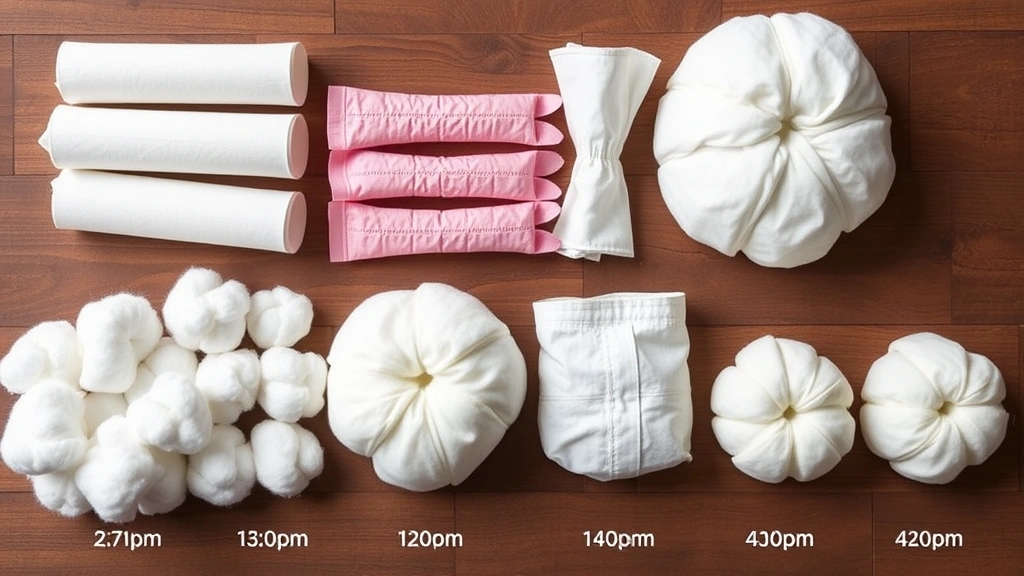
How to Use a Tampon: Expert Guide
How to Use a Tampon: Expert Guide for Comfort and Confidence
Using a tampon might seem straightforward, but if you’re new to menstrual products or just want to refine your technique, there’s definitely a learning curve worth exploring. The good news? Once you understand the basics and find what works for your body, tampons become second nature. This comprehensive guide walks you through everything you need to know, from selection to insertion to removal, with practical tips that actually make a difference.
Whether you’re a first-time user feeling a bit anxious or someone looking to troubleshoot common issues, you’ve come to the right place. We’ll cover the mechanics, address common concerns, and help you navigate this essential aspect of menstrual health with confidence and comfort.
Choosing the Right Tampon for You
The first step in successful tampon use is selecting the right product for your body and flow. Not all tampons are created equal, and what works for someone else might not work for you. When learning how to insert a tampon, you’ll quickly discover that comfort starts with the right choice before you even open the applicator.
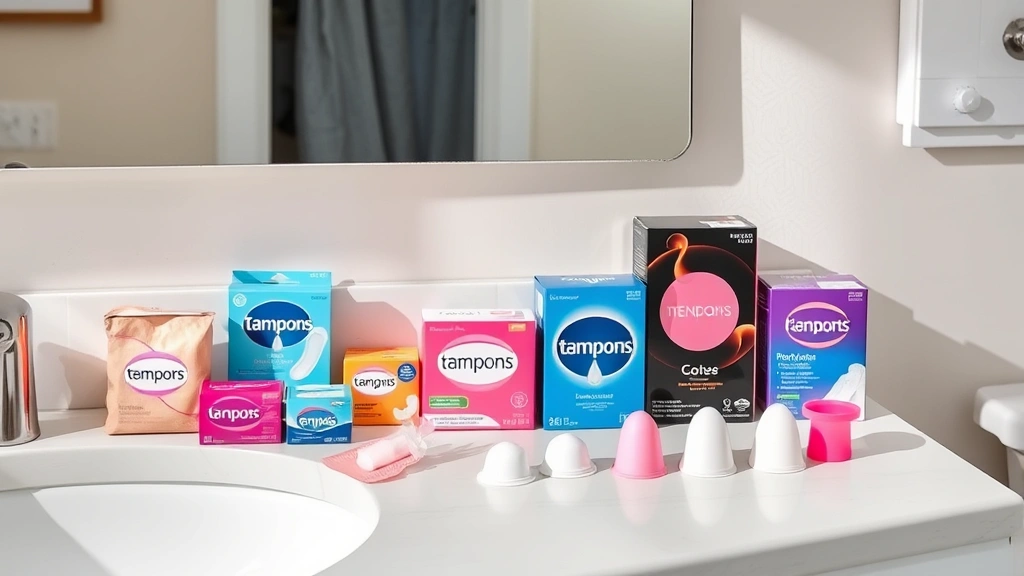
Consider these factors when shopping: applicator material (cardboard, plastic, or applicator-free), tampon size, and brand. Some people prefer plastic applicators because they’re smoother and easier to maneuver, while others like cardboard for environmental reasons. Applicator-free tampons require more direct insertion but appeal to those minimizing waste. Take time to experiment with different brands during your first few cycles—brands like Tampax, Kotex, Playtex, and Seventh Generation all have slightly different designs and materials.
Don’t feel pressured to stick with one brand forever. Your preferences might evolve, your flow might change with age or stress, and new products enter the market regularly. Giving yourself permission to try different options removes unnecessary frustration down the road.
Understanding Absorbency Levels
Tampons come in different absorbency levels, typically labeled as light, regular, super, and super-plus. Choosing the correct absorbency is crucial for both comfort and safety. Using a tampon that’s too absorbent for your flow can cause dryness and discomfort, while one that’s too light means frequent changes and potential leaks.
Here’s how absorbency works: light tampons hold about 6 grams of fluid, regular holds around 9-12 grams, super holds 12-15 grams, and super-plus holds over 15 grams. Match your absorbency to your actual flow, not what you assume it should be. If you’re changing every 2-3 hours, you’re using the right absorbency. If you’re changing every hour or leaving it in longer than 8 hours, you might need to adjust.
Many people use different absorbencies throughout their cycle—super or super-plus on heavy days and regular or light on lighter days. This approach not only maximizes comfort but also reduces your risk of toxic shock syndrome, as lighter absorbencies mean more frequent changes and less prolonged tampon use.

Insertion Basics: The Step-by-Step Process
Now let’s get into the actual mechanics. When you’re ready to put in a tampon, take a moment to relax. Tension makes insertion harder, so deep breathing helps tremendously. Here’s the process broken down:
- Wash your hands: Clean hands reduce infection risk and make handling easier.
- Get comfortable: Sit on the toilet, squat, or stand with one foot on the toilet seat. Find what feels natural for you—there’s no single correct position.
- Locate your vaginal opening: If you’re unfamiliar with your anatomy, take time to understand where things are. Your vaginal opening is below your urethra and above your anus.
- Unwrap the tampon: Remove it from the wrapper carefully. If using an applicator, hold the grip section (usually plastic or cardboard ridges) firmly.
- Position the applicator: Hold it at a slight angle, roughly 45 degrees, pointing toward your lower back rather than straight up.
- Insert gently: Slowly push the applicator into your vagina until your fingers meet your body. The angle is important—it follows your vagina’s natural curve.
- Deploy the tampon: Using your index or middle finger, push the inner tube forward to release the tampon into your vagina. You should feel it move into position.
- Remove the applicator: Gently withdraw the applicator. The string should hang outside your body for easy retrieval later.
- Check placement: You shouldn’t feel the tampon once it’s in correctly. If you do, it might be positioned too low and needs reinsertion.
The entire process takes about 30 seconds once you’re experienced. Don’t rush it, especially initially. Speed comes naturally as you become comfortable with the process.
Comfort Tips and Troubleshooting
If insertion feels uncomfortable or painful, several factors might be at play. First, check your absorbency level—using a tampon that’s too absorbent can feel dry and irritating. Second, ensure you’re relaxed; tension tightens your pelvic floor muscles, making insertion difficult. Third, verify you’re using the correct angle; many people initially insert straight up rather than toward their back, causing discomfort.
Some people find that relaxing their pelvic floor muscles (the same ones you’d use to stop urination midstream) makes insertion easier. Practice contracting and releasing these muscles when you’re not inserting a tampon to understand how to control them. When inserting, consciously relax them.
If you experience pain beyond mild discomfort, remove the tampon and try again with a fresh one. Pain might indicate you’re hitting the cervix, which happens when the angle is off. Adjust your body position or try a different angle on your next attempt.
For those with vaginismus or pelvic floor tension disorders, tampons might be challenging. Consider discussing this with a healthcare provider—physical therapy and pelvic floor exercises can help tremendously. There’s also no shame in choosing alternative menstrual products like pads or menstrual cups if tampons remain uncomfortable.
Safety Guidelines and TSS Prevention
Toxic shock syndrome (TSS) is rare but serious, and understanding prevention is essential for safe tampon use. TSS is caused by bacterial toxins, not the tampon itself, but certain practices increase risk. Here’s what you need to know:
- Change your tampon every 4-8 hours: Don’t leave tampons in longer than 8 hours maximum. Most people change every 4-6 hours during the day and use pads overnight.
- Use the lowest absorbency needed: Higher absorbency means longer wear time and higher TSS risk. Use regular or light absorbency when possible.
- Alternate with pads: Giving your vagina breaks from tampons, especially overnight, reduces TSS risk.
- Never use tampons between periods: Only use them during menstruation when your vaginal flora is already disrupted.
- Watch for TSS symptoms: Sudden high fever, vomiting, diarrhea, rash, dizziness, and muscle aches warrant immediate medical attention. Remove the tampon and seek emergency care if you experience these symptoms.
- Maintain good hygiene: Wash hands before and after insertion. Keep tampons in clean, dry conditions.
TSS risk is genuinely low when you follow these guidelines. Millions of people use tampons safely every day, and understanding these precautions empowers you to use them responsibly.
Removal Process Made Easy
Removing a tampon is simpler than insertion, but a few tips make it more comfortable. When you’re ready to remove it, sit on the toilet or squat, then gently pull the string downward and outward. The tampon should slide out easily; if you feel resistance, stop and try adjusting your position slightly.
Never flush tampons—always dispose of them in the trash. Wrap the used tampon in toilet paper before throwing it away to maintain privacy and hygiene. Flushing tampons contributes to plumbing issues and environmental problems, even if some packaging claims they’re flushable.
If the string breaks, don’t panic. The tampon is still retrievable. Sit on the toilet, relax your pelvic floor, and gently reach inside with clean fingers. You should be able to feel the tampon and remove it manually. If you genuinely cannot retrieve it, contact your healthcare provider—they deal with this situation regularly and have sterile instruments to help.
After removal, it’s a perfect time to assess your flow. If the tampon was soaked, you might need a higher absorbency next time. If it was barely used, try a lower absorbency. This feedback loop helps you dial in the perfect tampon for your needs.
Frequently Asked Questions
Can a tampon get stuck inside me?
No, a tampon cannot travel up into your uterus or get permanently stuck. Your cervix is too small for a tampon to pass through. The only issue that sometimes occurs is the string breaking, but the tampon itself remains easily retrievable with your fingers or a healthcare provider’s assistance.
Will using tampons affect my virginity?
No. Virginity is a social construct related to sexual activity, not tampon use. The hymen (a thin tissue around your vaginal opening) naturally has openings for menstrual flow and other bodily functions. Using tampons doesn’t change this. If your cultural or religious beliefs discourage tampon use, that’s valid—there are other menstrual products available.
What’s the difference between tampons and menstrual cups?
Tampons are absorbent and disposable, while menstrual cups are reusable silicone or rubber devices that collect fluid. Cups hold more fluid than tampons, require less frequent changes, and are more environmentally friendly. Many people prefer one over the other based on comfort, lifestyle, and environmental concerns. Some alternate between both depending on their activity level.
Can I use a tampon if I’m a virgin?
Yes, absolutely. Tampon use has no connection to virginity or sexual experience. Many young people use tampons as their first menstrual product. If insertion feels uncomfortable, it might be due to tension or unfamiliarity rather than anything medical.
How do I know if my tampon is in correctly?
You shouldn’t feel it. If you’re aware of the tampon throughout the day, it’s probably positioned too low. Remove it and insert a fresh one with a slightly different angle. Proper placement means the tampon sits in your vagina comfortably without causing pressure or discomfort.
Is it normal to have difficulty inserting a tampon?
Yes, especially initially. Many people struggle the first few times due to tension, unfamiliarity with their anatomy, or using the wrong absorbency. Give yourself grace and practice. If difficulty persists after several attempts, consider discussing it with a healthcare provider to rule out any underlying conditions.
Can I wear a tampon while swimming?
Yes. Tampons are designed to absorb menstrual fluid before it exits your body, so they work well in water. However, they won’t prevent water from entering your vagina—that’s normal and not harmful. Change to a fresh tampon after swimming to maintain comfort and hygiene.
What should I do if I forget to remove my tampon?
If you’ve left a tampon in longer than 8 hours but less than 24 hours, remove it, monitor yourself for any unusual symptoms, and return to normal use. Leaving a tampon in for days, however, increases TSS risk and can cause severe discomfort and infection. If you suspect you’ve left one in for an extended period and experience any TSS symptoms, seek medical attention immediately.
For additional guidance on menstrual health and product use, consult resources from the CDC on toxic shock syndrome, Planned Parenthood’s menstrual health information, and the American College of Obstetricians and Gynecologists. Your healthcare provider is always your best resource for personalized advice about menstrual product use and reproductive health.
Remember, getting comfortable with tampons is a personal journey. What works for someone else might not work for you, and that’s completely normal. Whether you ultimately choose tampons, pads, cups, or another option entirely, the goal is finding what makes you feel confident and comfortable during your period. Don’t hesitate to experiment, ask questions, and seek professional guidance if you need it. Your menstrual health matters, and you deserve to feel informed and empowered about your body.

Related Posts

How Long to Boil Lobster Tails: Cooking Guide

How Long to Fly from New York to London? Travel Times
