
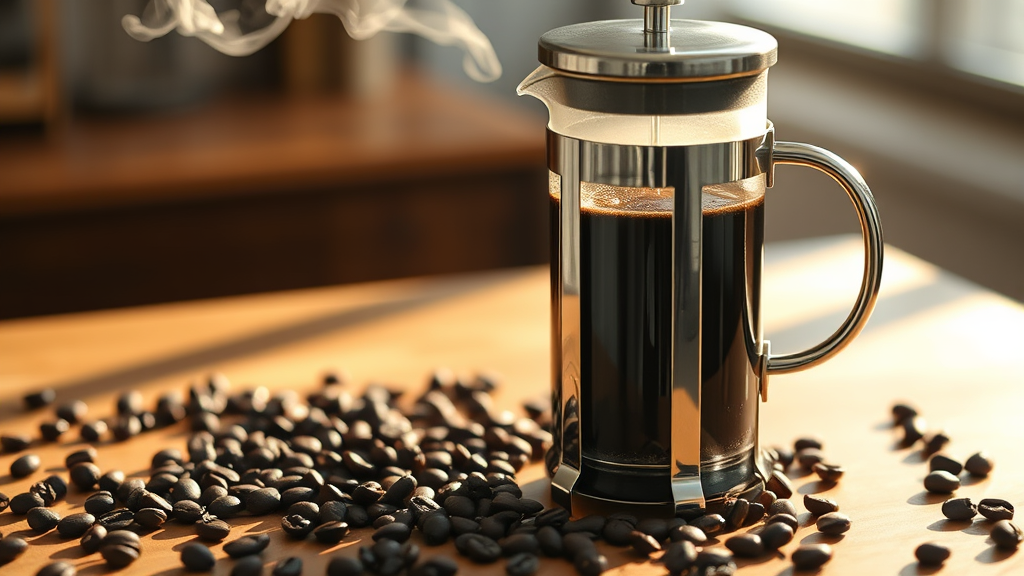
Master the French Press: Brew Perfect Coffee Every Time
The French press, also known as a press pot or plunger pot, represents one of the most beloved and time-tested methods for brewing exceptional coffee. This elegant brewing device has been captivating coffee enthusiasts for over a century with its ability to produce rich, full-bodied coffee that showcases the complete flavor profile of your favorite beans. Unlike other brewing methods that rely on paper filters or complex machinery, the French press embraces simplicity while delivering consistently outstanding results.
Learning how to use a French press properly transforms your daily coffee routine from mundane to extraordinary. The immersion brewing method allows coffee grounds to steep directly in hot water, extracting oils and fine particles that contribute to a more robust and nuanced flavor experience. Whether you’re a coffee novice seeking to elevate your morning ritual or an experienced barista looking to perfect your technique, mastering the French press opens doors to a world of coffee possibilities that will forever change how you appreciate this beloved beverage.
Understanding the French Press
The French press operates on a remarkably simple yet effective principle that has remained unchanged since its invention in the 1850s. This brewing method utilizes full immersion extraction, where coarsely ground coffee beans steep in hot water for an extended period before being separated by a metal mesh filter. The beauty of this system lies in its ability to extract both soluble compounds and coffee oils that paper filters typically remove, resulting in a fuller, more complex flavor profile.
The anatomy of a French press consists of several key components working in harmony. The cylindrical glass or stainless steel carafe holds the water and coffee grounds, while the plunger assembly features a metal mesh filter attached to a rod that extends through the lid. This design allows you to control the brewing time precisely and separate the grounds from the finished coffee with a simple downward motion. The mesh filter’s larger pores compared to paper filters permit oils and fine particles to pass through, contributing to the characteristic body and mouthfeel that French press coffee is renowned for.
Understanding the science behind French press brewing helps explain why this method produces such distinctive results. The extended contact time between water and coffee grounds, typically four to five minutes, allows for thorough extraction of both acidic and bitter compounds. The metal filter preserves the coffee’s natural oils, which carry flavor compounds and create the rich, velvety texture that distinguishes French press coffee from other brewing methods. This combination of factors results in a beverage that fully represents the coffee bean’s inherent characteristics.
Essential Equipment and Ingredients
Selecting the right equipment forms the foundation of exceptional French press coffee brewing. A quality French press should feature a sturdy construction with a well-fitting plunger mechanism and a fine mesh filter that effectively separates grounds from the finished coffee. Glass carafes offer visual appeal and easy monitoring of the brewing process, while stainless steel versions provide superior heat retention and durability for outdoor adventures or busy households.
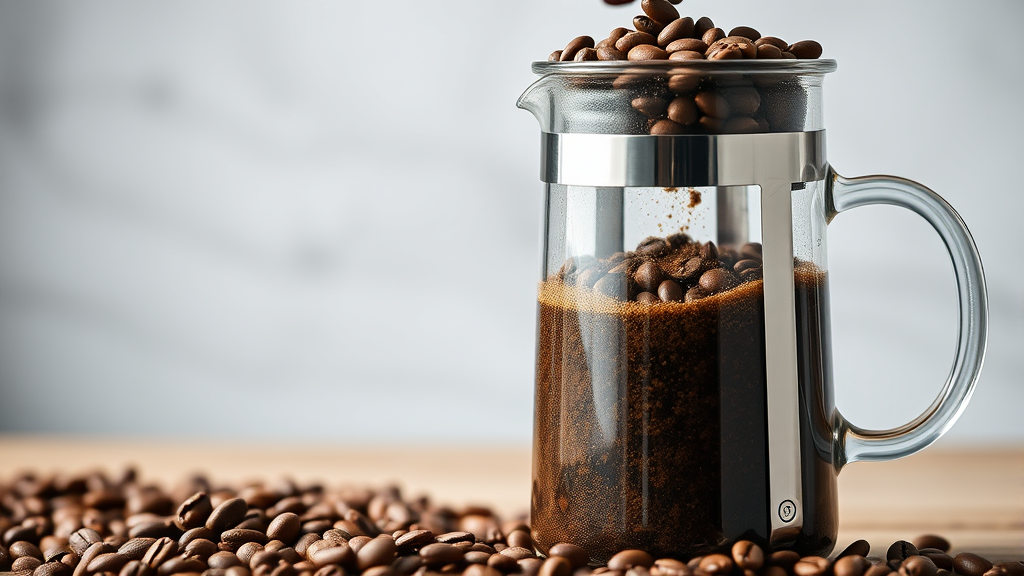
The coffee grinder represents perhaps the most critical tool in your French press arsenal. A burr grinder produces uniform, coarse grounds that extract evenly and minimize sediment in your final cup. Blade grinders, while more affordable, create inconsistent particle sizes that can lead to over-extraction of fine particles and under-extraction of larger pieces. Investing in a quality grinder dramatically improves your coffee’s flavor consistency and overall brewing success.
Fresh, high-quality coffee beans serve as the cornerstone of exceptional French press brewing. Single-origin coffees often showcase unique characteristics particularly well in French press preparation, while blends can provide complexity and balance. Purchase beans roasted within two weeks of brewing for optimal flavor, and store them in an airtight container away from light, heat, and moisture. The roast level significantly impacts your final cup, with medium to medium-dark roasts typically performing exceptionally well in French press applications.
Water quality often receives insufficient attention despite comprising over 98% of your finished coffee. Use filtered or spring water with a mineral content between 150-300 parts per million for optimal extraction. Distilled water lacks the minerals necessary for proper extraction, while heavily mineralized water can create off-flavors and interfere with the brewing process. The ideal water temperature ranges between 195-205°F (90-96°C), just below boiling point, to ensure proper extraction without scalding the coffee grounds.
Step-by-Step Brewing Guide
Mastering the French press brewing process requires attention to detail and consistent execution of each step. Begin by heating your water to the appropriate temperature while preparing your coffee grounds. Measure your coffee beans according to your desired strength ratio, then grind them to a coarse consistency resembling breadcrumbs or coarse sea salt. The grind size significantly impacts extraction rate and final flavor, so consistency in this step proves crucial for repeatable results.
Preheat your French press by rinsing it with hot water, then discard the water and add your freshly ground coffee. Start your timer and pour a small amount of hot water over the grounds, just enough to saturate them completely. This “bloom” phase allows carbon dioxide to escape from the coffee, promoting even extraction during the full brewing process. Allow the coffee to bloom for 30 seconds before proceeding to the next step.
Pour the remaining hot water in a slow, circular motion, ensuring all grounds become fully saturated. Fill the French press to about one inch below the rim to accommodate the plunger mechanism. Place the lid on the French press with the plunger pulled all the way up, and allow the coffee to steep for four minutes. This timing provides optimal extraction for most coffee varieties, though you may adjust based on personal preference and bean characteristics.
After the steeping time completes, slowly and steadily press the plunger down, applying gentle, consistent pressure. The descent should take approximately 20-30 seconds to avoid agitating the grounds and creating excessive sediment. If you encounter significant resistance, your grind may be too fine, while little resistance suggests the grind is too coarse. Immediately serve the coffee after pressing to prevent over-extraction from continued contact with the grounds.
Perfecting Your Coffee-to-Water Ratios
The coffee-to-water ratio serves as the fundamental building block for achieving your perfect French press brew. The standard starting point of 1:15 to 1:17 (coffee to water) provides a balanced foundation that you can adjust based on personal preference and bean characteristics. For a stronger cup, try a 1:12 ratio, while those preferring milder coffee might enjoy a 1:20 ratio. These measurements translate to approximately 30 grams of coffee for 450 grams of water for a standard French press serving.
Environmental factors and bean origin significantly influence the optimal ratio for your specific setup. High-altitude brewing may require slight adjustments due to lower atmospheric pressure affecting extraction rates. Similarly, different coffee origins exhibit varying density and extraction characteristics that may warrant ratio modifications. Keep detailed notes about your brewing experiments to identify patterns and preferences that lead to consistently satisfying results.
Understanding how ratio adjustments affect flavor helps you troubleshoot and refine your brewing technique. Increasing the coffee amount enhances body and intensity while potentially increasing bitterness if taken too far. Conversely, using less coffee creates a cleaner, more delicate cup that may lack the robust character French press brewing is known for. The key lies in finding the sweet spot that maximizes your preferred flavor characteristics while maintaining balance and avoiding unpleasant extraction issues.
Troubleshooting Common Issues
Even experienced French press brewers occasionally encounter challenges that affect their coffee’s quality. Excessive sediment in your cup typically indicates a grind that’s too fine or an old, worn filter. Address this by adjusting to a coarser grind size and inspecting your French press filter for damage or wear. Regular filter replacement ensures optimal performance and prevents fine particles from passing through into your finished coffee.
Weak or sour coffee often results from under-extraction caused by insufficient contact time, water temperature that’s too low, or a grind that’s too coarse. Extend your steeping time by 30-60 seconds, verify your water temperature reaches 195-205°F, and consider a slightly finer grind size. Conversely, bitter or harsh flavors indicate over-extraction from excessive steeping time, water that’s too hot, or grounds that are too fine.
Inconsistent results frequently stem from variables in your brewing routine. Maintain consistent ratios by weighing both coffee and water rather than using volume measurements. Establish a reliable timing routine and stick to it for each brew. Temperature consistency proves equally important, so consider using a thermometer until you develop an intuitive sense for proper water temperature. Just as you might follow precise steps when learning how to make white rice, consistency in your coffee routine yields predictable, excellent results.
Maintenance and Cleaning
Proper maintenance extends your French press’s lifespan while ensuring consistently clean-tasting coffee. After each use, disassemble the plunger mechanism and rinse all components with warm water to remove coffee residue and oils. Pay special attention to the mesh filter, which can accumulate fine particles and oils that affect future brews’ flavor. A soft brush helps dislodge stubborn particles without damaging the delicate mesh structure.
Weekly deep cleaning prevents the buildup of coffee oils that can turn rancid and impart off-flavors to your brew. Create a cleaning solution using warm water and a small amount of dish soap, then soak all components for 15-20 minutes before scrubbing gently. Avoid harsh detergents or abrasive materials that could damage the glass carafe or scratch the metal components. Rinse thoroughly with clean water to eliminate any soap residue that might affect coffee flavor.
Monthly maintenance should include a thorough inspection of the filter mechanism and plunger assembly for wear or damage. Replace worn filters promptly to maintain optimal brewing performance and prevent excessive sediment in your coffee. Store your French press in a dry location with all components properly assembled to prevent damage and ensure it’s ready for your next brewing session. Regular maintenance, much like learning how to clean washing machine properly, requires attention to detail but rewards you with consistently superior performance.
Advanced Brewing Techniques
Once you’ve mastered basic French press brewing, advanced techniques can elevate your coffee experience to new heights. The “double bloom” method involves two separate water additions during the initial saturation phase, allowing for more complete degassing and improved extraction uniformity. Pour just enough water to wet the grounds, wait 30 seconds, add slightly more water, wait another 30 seconds, then complete your pour. This technique particularly benefits freshly roasted beans with high CO2 content.
Temperature manipulation throughout the brewing process offers another avenue for flavor exploration. Start with slightly hotter water (205°F) for the initial bloom, then add the remaining water at a lower temperature (195°F) to balance extraction rates. This approach can help extract bright, acidic notes while preventing over-extraction of bitter compounds. Experiment with different temperature profiles to discover how they highlight various aspects of your favorite coffees.
The “agitation method” involves gently stirring the coffee grounds during brewing to promote even extraction. After adding all the water, wait two minutes, then gently stir the surface crust that forms, allowing the grounds to settle for the remaining two minutes before pressing. This technique requires careful execution to avoid over-agitation, which can lead to excessive sediment and bitter flavors. When perfected, agitation can significantly improve extraction uniformity and overall cup quality.
Cold brew French press preparation offers a completely different flavor profile perfect for hot weather or those sensitive to coffee’s acidity. Use a 1:8 coffee-to-water ratio with coarse grounds, steep for 12-24 hours at room temperature or in the refrigerator, then press and serve over ice. The extended steeping time at low temperature extracts different compounds than hot brewing, resulting in a smooth, less acidic beverage with natural sweetness. This method pairs excellently with additions like how to make heavy cream for indulgent iced coffee drinks.
Frequently Asked Questions
How long should I let my French press coffee steep?
The optimal steeping time for French press coffee is typically 4 minutes, which allows for proper extraction without over-brewing. However, you can adjust this timing based on your taste preferences and the specific coffee you’re using. Lighter roasts may benefit from an additional 30-60 seconds, while darker roasts might taste better with slightly less time. According to research published by the National Center for Biotechnology Information, extraction time significantly impacts the concentration of beneficial compounds in coffee.
What’s the best grind size for French press coffee?
French press coffee requires a coarse grind that resembles breadcrumbs or coarse sea salt. This grind size prevents over-extraction and minimizes sediment in your finished cup. If your grind is too fine, you’ll experience difficulty pressing the plunger and excessive sediment. Too coarse, and your coffee will taste weak and under-extracted. A consistent burr grinder produces the most uniform results for optimal extraction.
Can I reheat French press coffee?
While you can reheat French press coffee, it’s not recommended as reheating breaks down the coffee’s flavor compounds and can create bitter, unpleasant tastes. Instead, transfer your freshly brewed coffee to a thermal carafe to maintain temperature without continued extraction. If you must reheat, do so gently and avoid boiling the coffee. For best results, brew only what you plan to consume immediately.
Why does my French press coffee taste bitter?
Bitter French press coffee typically results from over-extraction caused by several factors: water temperature that’s too hot (above 205°F), steeping time that’s too long (over 5-6 minutes), or grounds that are too fine. Additionally, leaving coffee in contact with grounds after pressing continues extraction and increases bitterness. To fix this, lower your water temperature, reduce steeping time, use a coarser grind, and serve immediately after pressing.
How much coffee should I use in my French press?
A good starting ratio is 1:15 to 1:17 (coffee to water by weight), which translates to approximately 30 grams of coffee for 450-500 grams of water. This produces a balanced cup that you can adjust based on personal preference. For stronger coffee, use a 1:12 ratio, while those preferring milder coffee might enjoy a 1:20 ratio. Always measure by weight rather than volume for consistent results, and remember that precision in measurement is as important as when learning how to make powdered sugar from regular sugar.
Do I need to use filtered water for French press coffee?
Using filtered water significantly improves French press coffee quality, as water comprises over 98% of your finished beverage. Tap water often contains chlorine, minerals, and other compounds that can create off-flavors or interfere with proper extraction. The Environmental Protection Agency recommends water with 150-300 parts per million of dissolved minerals for optimal coffee brewing. Avoid distilled water, which lacks the minerals necessary for proper extraction.
Can I make French press coffee stronger without making it bitter?
Yes, you can increase strength without bitterness by using more coffee rather than extending brewing time. Increase your coffee-to-water ratio gradually until you achieve your desired strength. You can also try a slightly finer grind (still within the coarse range) to improve extraction efficiency. Another technique is the “bypass method” – brew a concentrate using a 1:10 ratio for 4 minutes, then dilute with hot water to your preferred strength. This approach, supported by research from MIT’s brewing studies, maximizes extraction of desirable compounds while minimizing bitter ones.

Related Posts

How Long to Boil Lobster Tails: Cooking Guide

How Long to Fly from New York to London? Travel Times
