
Unclog Your Toilet Fast Without a Plunger: A DIY Guide
Finding yourself with a clogged toilet and no plunger in sight can feel like a plumbing nightmare. Whether you’re at a friend’s house, in a public restroom, or your trusty plunger has mysteriously vanished from your bathroom, don’t panic. There are several effective methods to unclog a toilet without a plunger using common household items you likely already have on hand.
Before attempting any DIY unclogging method, it’s important to understand that most toilet clogs are caused by excessive toilet paper, foreign objects, or buildup in the pipes. The good news is that many of these blockages can be resolved with simple techniques that don’t require specialized plumbing tools. Learning how to unclog a toilet using alternative methods can save you time, money, and embarrassment.
Safety First: Preparing for the Job
Before attempting any toilet unclogging method, safety should be your top priority. Turn off the water supply to the toilet by locating the shut-off valve, typically found behind the toilet near the floor. This prevents additional water from entering the bowl and potentially causing an overflow. Remove any excess water from the toilet bowl using a cup or small container, leaving just enough water to cover the drain opening.
Wear rubber gloves to protect your hands from bacteria and germs. Have towels ready to clean up any spills, and ensure the bathroom is well-ventilated. If you’re dealing with sewage backup or the water level is rising dangerously high, it’s best to contact a professional plumber immediately rather than attempting DIY methods.
According to the Environmental Protection Agency, proper toilet maintenance and understanding basic troubleshooting can prevent many common plumbing issues. Taking these preliminary steps ensures you can work safely and effectively on resolving the clog.
The Hot Water and Dish Soap Method
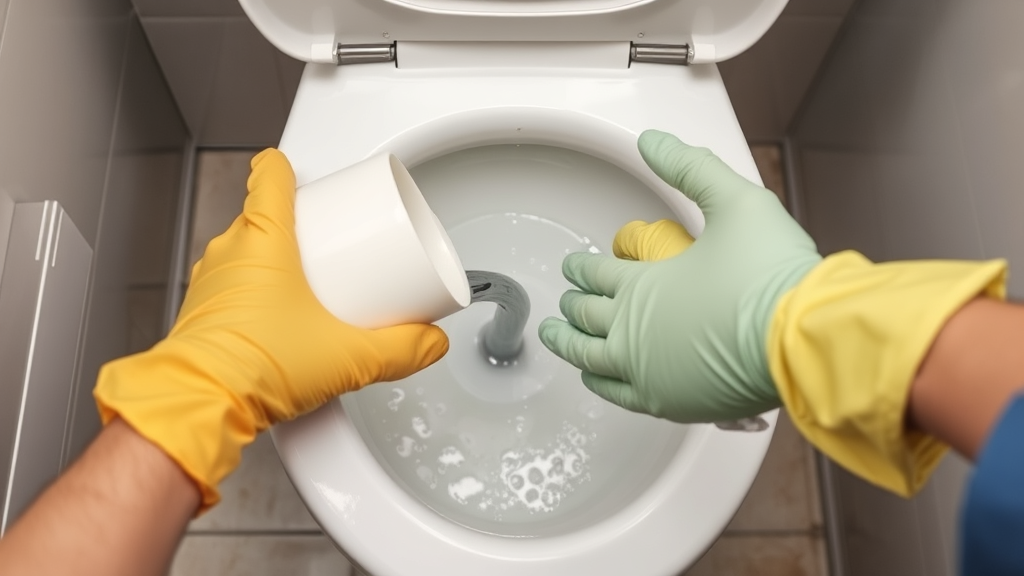
One of the most effective methods for unclogging a toilet without a plunger involves using hot water and liquid dish soap. This technique works by lubricating the blockage and using heat and pressure to break it apart. Heat a large pot of water on the stove until it’s hot but not boiling – boiling water can crack porcelain toilets.
Squirt a generous amount of liquid dish soap into the toilet bowl, allowing it to sit for 10-15 minutes. The soap acts as a lubricant, helping to break down the clog and make it easier to flush. Carefully pour the hot water into the bowl from waist height, which creates additional pressure to help dislodge the blockage.
Wait another 10-15 minutes, then attempt to flush the toilet. The combination of soap lubrication and hot water pressure is often sufficient to clear minor to moderate clogs. If the water level drops significantly, you’ve likely succeeded in clearing the blockage. This method is particularly effective for clogs caused by excessive toilet paper or organic waste.
Baking Soda and Vinegar Solution
The classic baking soda and vinegar combination creates a natural chemical reaction that can help break down toilet clogs. Pour one cup of baking soda into the toilet bowl, followed by two cups of white vinegar. The mixture will fizz and bubble, creating pressure that can help dislodge the blockage.
Allow the solution to sit for at least 30 minutes, though leaving it for several hours or overnight can be more effective for stubborn clogs. The acidic vinegar helps dissolve mineral buildup and organic matter, while the baking soda provides gentle abrasive action. After the waiting period, pour hot (not boiling) water into the bowl and attempt to flush.
This method is environmentally friendly and uses common household ingredients. It’s particularly effective for clogs caused by toilet paper buildup or minor blockages. The Centers for Disease Control notes that maintaining proper bathroom hygiene includes using safe, non-toxic cleaning methods when possible.
Wire Coat Hanger Snake Technique
A wire coat hanger can serve as an improvised drain snake for toilet clogs. Straighten the hanger completely, then create a small hook at one end by bending about an inch of wire. Wrap the hooked end with a rag or duct tape to prevent scratching the porcelain toilet bowl.
Carefully insert the wrapped end into the toilet drain and gently probe for the blockage. Use a twisting motion to either hook the obstruction and pull it out or break it apart. Be gentle to avoid scratching the toilet bowl or pushing the clog deeper into the pipes.
This method works best for clogs caused by foreign objects like toys, excessive toilet paper wads, or feminine hygiene products. Once you’ve dislodged or removed the obstruction, flush the toilet to ensure proper drainage. Always dispose of any retrieved materials properly and sanitize the area thoroughly afterward.
Plastic Bottle Pressure Method
A large plastic bottle can create suction and pressure similar to a plunger. Remove the cap and cut off the bottom of a 2-liter plastic bottle. Place your thumb over the top opening and insert the cut end into the toilet drain. Push down and pull up rapidly to create suction that can help dislodge the clog.
This method requires careful technique to avoid splashing. The bottle creates a vacuum effect that can be surprisingly effective for certain types of clogs. Make sure the bottle fits snugly in the drain opening for maximum effectiveness.
While not as powerful as a traditional plunger, this improvised tool can work well for soft clogs like toilet paper blockages. Always clean and disinfect thoroughly after use, and dispose of the bottle safely.
Enzyme-Based Cleaning Solutions
Enzyme-based cleaners contain beneficial bacteria that break down organic matter, making them excellent for toilet clogs. These cleaners are available at most hardware stores and work by literally eating away at the blockage over time. Pour the recommended amount into the toilet bowl and allow it to work for several hours or overnight.
These products are particularly effective for recurring clogs or situations where buildup has occurred over time. They’re also environmentally friendly and safe for septic systems. Unlike harsh chemical drain cleaners, enzyme cleaners won’t damage your plumbing or harm the environment.
Just like maintaining other household appliances requires specific cleaning methods – such as knowing how to clean a washing machine properly – toilet maintenance benefits from using appropriate cleaning products that won’t damage the system.
Prevention Tips for Future Clogs
Preventing toilet clogs is far easier than dealing with them after they occur. Educate household members about what should and shouldn’t be flushed down the toilet. Only human waste and toilet paper should go down the drain – never flush feminine hygiene products, baby wipes, cotton swabs, or other foreign objects.
Use toilet paper moderately and consider upgrading to a higher-quality, septic-safe brand that breaks down more easily. Regular maintenance includes weekly cleaning and monthly checks of the toilet’s flushing mechanism. Keep a plunger nearby for quick access when needed.
Consider having your septic system or sewer lines professionally inspected annually, especially in older homes. The National Institute on Deafness and Other Communication Disorders recommends maintaining clear communication about household maintenance tasks to prevent problems before they occur.
When to Call a Professional
While many toilet clogs can be resolved with DIY methods, some situations require professional intervention. Call a plumber if water is backing up into other drains, if you smell sewage gases, or if multiple attempts with different methods have failed to resolve the issue.
Recurring clogs may indicate a more serious problem with your home’s plumbing system, such as tree roots in sewer lines or structural issues with the pipes. Professional plumbers have specialized equipment like motorized drain snakes and video inspection cameras that can diagnose and resolve complex blockages.
Don’t hesitate to seek professional help if you’re uncomfortable performing any of these DIY methods or if the situation seems beyond your skill level. Sometimes the cost of professional service is worth avoiding potential damage to your plumbing system. Just as you might need professional help with other home maintenance tasks, such as understanding how to check engine oil in your car, complex plumbing issues often require expert knowledge.
Frequently Asked Questions
Will dish soap really help unclog my toilet?
Yes, liquid dish soap acts as a lubricant that can help break down clogs, especially those caused by toilet paper or organic waste. The slippery nature of soap helps materials slide through the pipes more easily when combined with hot water and time.
How long should I wait before trying a different method?
Give each method at least 15-30 minutes to work before trying something else. For chemical methods like baking soda and vinegar or enzyme cleaners, waiting several hours or overnight often produces better results.
Is it safe to use boiling water in my toilet?
No, never use boiling water as it can crack porcelain toilets due to thermal shock. Use hot water that’s comfortable to touch but not scalding – typically around 120-140°F is safe and effective.
Can I use chemical drain cleaners in my toilet?
It’s not recommended to use harsh chemical drain cleaners in toilets as they can damage the porcelain, harm septic systems, and create dangerous fumes. Stick to natural methods or enzyme-based cleaners designed specifically for toilets.
What should I do if none of these methods work?
If DIY methods fail after multiple attempts, it’s time to call a professional plumber. The clog may be located deeper in the system or caused by a more serious issue that requires specialized equipment to resolve.
How can I prevent toilet clogs from happening again?
Only flush toilet paper and human waste, use moderate amounts of toilet paper, perform regular maintenance cleaning, and educate household members about proper toilet use. Consider upgrading to a higher-quality toilet paper that breaks down more easily.
Are these methods safe for septic systems?
Natural methods like hot water, dish soap, baking soda, and vinegar are generally safe for septic systems. Enzyme cleaners are actually beneficial for septic systems as they add helpful bacteria. Avoid harsh chemicals that can kill beneficial bacteria in your septic tank.

Related Posts

How Long to Boil Lobster Tails: Cooking Guide

How Long to Fly from New York to London? Travel Times
