

Never Crack a Bad Egg Again: Tips to Spot Freshness Instantly
Nothing ruins a morning breakfast or baking session quite like cracking open a rotten egg. The unmistakable sulfurous smell, the discolored appearance, and the sinking realization that you’ve just contaminated your mixing bowl can turn any culinary adventure into a disaster. Learning how to tell if eggs are bad is an essential kitchen skill that every home cook should master to avoid food poisoning and wasted ingredients.
Fresh eggs are not only safer to consume but also perform better in recipes, providing better structure in baked goods and more appetizing flavors in cooked dishes. Whether you’re preparing a simple scrambled egg breakfast or tackling an elaborate soufflé, knowing how to assess egg freshness can make the difference between culinary success and failure. From visual inspections to simple water tests, there are several reliable methods to determine egg quality before you crack them open.
Visual Inspection: What to Look For
The first line of defense against bad eggs begins with a thorough visual examination of the shell. Fresh eggs typically have clean, smooth shells without cracks, dents, or unusual discoloration. Look for shells that appear slightly chalky or matte rather than overly shiny, as this indicates the protective bloom is still intact. Any visible cracks, no matter how small, can allow bacteria to enter the egg, making it unsafe for consumption.
Pay attention to unusual spots, stains, or powdery residue on the shell surface. While some variation in shell color is normal depending on the hen breed, any dramatic color changes, dark spots, or greenish tinge could indicate bacterial growth or contamination. The shell should feel firm and intact when gently handled, without any soft or spongy areas that might suggest deterioration.
Size consistency within the same carton can also be an indicator of quality. Eggs from the same source should be relatively uniform in size, and any significantly smaller or misshapen eggs might indicate stress in the laying hen or other quality issues. Always check the packaging for any signs of moisture, which could indicate temperature fluctuations during transport or storage.
The Float Test: A Simple Water Method
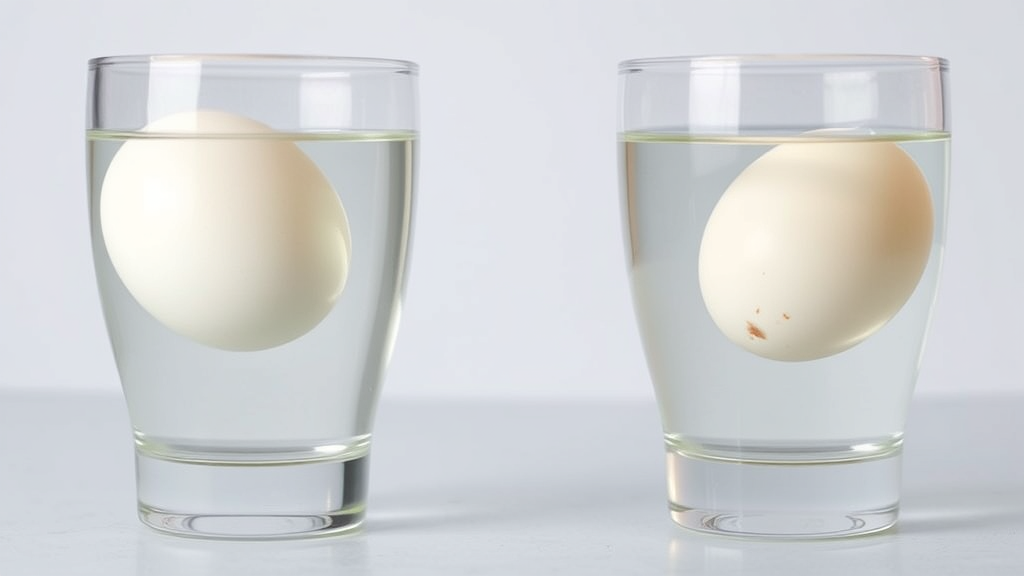
One of the most reliable methods for testing egg freshness is the simple water float test, which takes advantage of the natural aging process that occurs in eggs over time. Fill a large bowl with cool water, enough to completely submerge an egg, and gently place the egg in question into the water. Fresh eggs will sink to the bottom and lie flat on their sides due to their dense contents and minimal air pocket.
As eggs age, moisture evaporates through the porous shell, and the air cell inside grows larger. Eggs that are still good but not perfectly fresh will sink but may stand upright on one end at the bottom of the bowl. This indicates they’re still safe to eat but should be used soon. If an egg floats to the surface or hovers in the middle of the water, it has developed a large air pocket and should be discarded immediately.
The USDA Food Safety and Inspection Service recommends this test as a reliable method for home cooks. Remember that this test works because physics doesn’t lie – the density changes in aging eggs create predictable buoyancy patterns that have been observed for centuries in kitchens worldwide.
The Shake Test: Listen to Your Eggs
The shake test offers another quick method to assess egg freshness without breaking the shell. Hold the egg close to your ear and give it a gentle shake. Fresh eggs should produce little to no sound because the contents are thick and cohesive, holding together tightly within the shell. The yolk is surrounded by thick albumen (egg white) that doesn’t slosh around easily.
Older eggs will produce a sloshing or rattling sound when shaken because the egg white becomes thinner over time, and the yolk membrane weakens, allowing the contents to move more freely. A pronounced sloshing sound often indicates that the egg is past its prime and may not perform well in recipes requiring structure, such as meringues or soufflés.
While performing the shake test, be gentle to avoid accidentally cracking the shell. This method works best when combined with other testing techniques, as some very fresh eggs might produce slight sounds if they have naturally thinner whites, and some older eggs might be quieter if they’ve been stored in optimal conditions.
Signs of Spoilage After Cracking
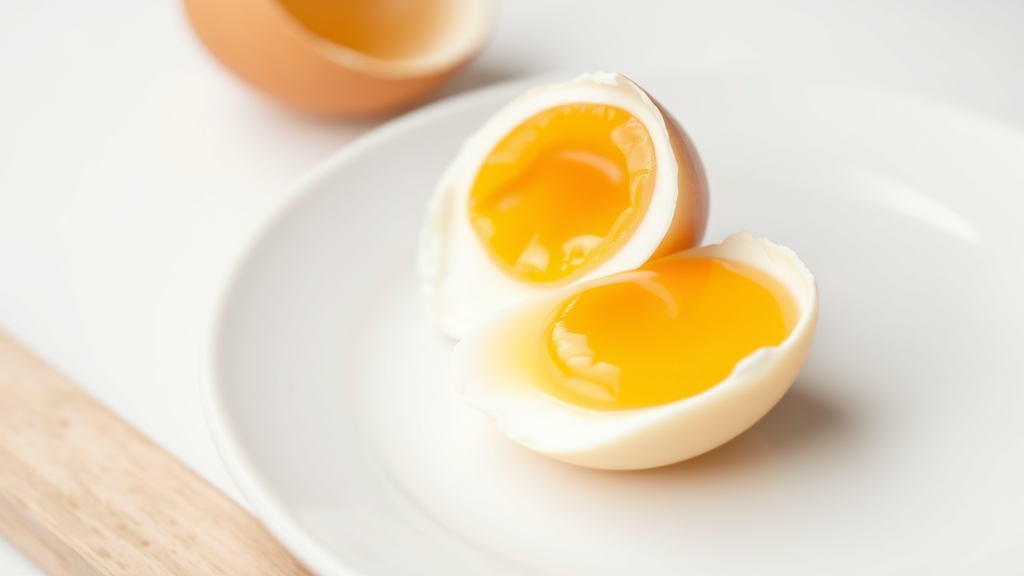
Once you crack open an egg, several visual and olfactory cues can immediately tell you whether it’s safe to use. Fresh eggs have clear, thick egg whites that hold together well around a bright yellow or orange yolk that sits high and round. The yolk should be firm and not easily broken when the egg is cracked into a bowl.
Spoiled eggs often produce an unmistakable sulfur smell immediately upon cracking, sometimes described as rotten or resembling hydrogen sulfide gas. Any off-odors, including sour, fishy, or ammonia-like smells, indicate bacterial contamination and the egg should be discarded immediately. Trust your nose – if something smells wrong, don’t risk it.
Visual signs of spoilage include egg whites that appear pink, green, or iridescent, which can indicate bacterial growth. The yolk may appear flattened, discolored, or have an unusual consistency. Any visible mold, dark spots, or unusual growths within the egg contents are clear indicators that the egg is unsafe for consumption. Even if only part of the egg appears spoiled, discard the entire egg as bacteria can spread throughout.
Proper Storage for Maximum Freshness
Proper storage significantly extends egg freshness and helps prevent spoilage. Store eggs in their original carton in the main body of the refrigerator, not in the door where temperatures fluctuate with opening and closing. The ideal storage temperature is between 35°F and 40°F (1.7°C to 4.4°C), and eggs should be kept in the coldest part of your refrigerator.
Keep eggs in their original packaging whenever possible, as egg cartons are designed to protect against moisture loss and absorbing refrigerator odors. The carton also provides cushioning and helps maintain consistent temperature. Avoid transferring eggs to the refrigerator door compartments, as these areas experience the most temperature variation.
Just as you maintain cleanliness when learning how to clean a washing machine, maintaining a clean refrigerator environment is crucial for egg storage. Store eggs with the pointed end down to help keep the yolk centered and maintain the air cell position. Never wash eggs before storing them, as this removes the protective bloom that naturally prevents bacteria from entering through the porous shell.
Understanding Expiration Dates and Labels
Egg carton dating can be confusing, with various terms like “sell by,” “use by,” and “expiration date” having different meanings. The “sell by” date is primarily for retailers and indicates how long stores should display eggs for sale. Eggs are typically still good for 3-5 weeks beyond the sell-by date when properly refrigerated, according to Centers for Disease Control and Prevention guidelines.
The pack date, often printed as a three-digit Julian code (001-365 representing days of the year), tells you when eggs were actually packaged. This can be more useful than expiration dates for determining actual freshness. For example, a pack date of 120 means the eggs were packaged on the 120th day of the year (late April).
Grade AA, A, and B classifications refer to shell condition, air cell size, and yolk/white quality standards set by the USDA. Grade AA eggs have the thickest whites and most upstanding yolks, making them ideal for frying and poaching. Understanding these labels helps you select the best eggs for your specific cooking needs while managing freshness expectations.
Food Safety and Health Considerations
Consuming spoiled eggs can lead to serious foodborne illnesses, particularly Salmonella poisoning, which affects thousands of people annually. Symptoms can include nausea, vomiting, diarrhea, fever, and abdominal cramps, typically appearing 6-72 hours after consumption. Vulnerable populations including pregnant women, young children, elderly individuals, and immunocompromised people face higher risks and more severe complications.
Never consume eggs with cracked shells, as bacteria can easily penetrate through cracks and multiply rapidly. Even if the contents appear normal, cracked eggs should be discarded unless they’re going to be used immediately in thoroughly cooked dishes where internal temperatures reach 160°F (71°C). When in doubt, remember the old adage: “When in doubt, throw it out.”
Maintain good kitchen hygiene when handling eggs, just as you would when dealing with other potential contamination sources like learning how to get rid of ants or addressing plumbing issues when you need to know how to unclog a toilet. Wash hands thoroughly with soap and warm water after handling eggs, clean all surfaces and utensils that come into contact with raw eggs, and never let egg dishes sit at room temperature for more than two hours.
The FDA’s egg safety guidelines emphasize cooking eggs until both yolk and white are firm, reaching internal temperatures that eliminate harmful bacteria. For recipes requiring raw or undercooked eggs, consider using pasteurized eggs, which have been heat-treated to eliminate pathogens while maintaining the egg’s functional properties for cooking and baking.
Frequently Asked Questions
How long do eggs stay fresh in the refrigerator?
Properly stored eggs remain fresh for 4-5 weeks beyond their pack date when kept refrigerated at 40°F or below. The sell-by date is typically 30 days from the pack date, but eggs often remain good for several weeks past this date. Always perform freshness tests rather than relying solely on dates, and use the float test or visual inspection methods described above to verify quality.
Can I eat eggs that float in water?
No, eggs that float in water should not be consumed. Floating indicates a large air cell has developed inside the egg due to moisture loss over time, suggesting the egg is old and potentially spoiled. While not all floating eggs are necessarily rotten, they’re past their prime and may harbor bacteria. It’s safer to discard floating eggs and choose fresh ones that sink to the bottom.
What should I do if I accidentally eat a bad egg?
If you’ve consumed a spoiled egg, monitor yourself for symptoms of food poisoning including nausea, vomiting, diarrhea, fever, and stomach cramps. Symptoms typically appear within 6-72 hours. Stay hydrated, rest, and seek medical attention if symptoms are severe or persistent. Contact a healthcare provider immediately if you experience high fever, bloody stools, or signs of dehydration, especially if you’re pregnant, elderly, or have a compromised immune system.
Are brown eggs fresher than white eggs?
Shell color has no relationship to freshness, nutritional value, or quality. Brown and white eggs are simply produced by different chicken breeds – hens with red earlobes typically lay brown eggs, while those with white earlobes lay white eggs. Freshness should be determined using the testing methods described in this article rather than shell color. Focus on proper storage, expiration dates, and physical tests for accurate freshness assessment.
Why do some eggs have double yolks, and are they safe to eat?
Double-yolk eggs occur when a hen releases two yolks during egg formation, typically in young hens whose reproductive systems are still maturing or in older hens near the end of their laying period. These eggs are completely safe to eat and actually contain more protein and nutrients than single-yolk eggs. They’re considered a sign of a healthy, well-fed hen and pose no safety concerns when fresh and properly stored.
Can I freeze eggs to extend their shelf life?
While you cannot freeze whole eggs in their shells (they’ll expand and crack), you can freeze beaten eggs, separated whites, or yolks for up to one year. Freeze beaten whole eggs in ice cube trays, then transfer to freezer bags. Add a pinch of salt or sugar to egg yolks before freezing to prevent them from becoming thick and gelatinous. Frozen eggs work well in baking and cooking but may have slightly different textures when thawed.
What’s the difference between cage-free, free-range, and pasture-raised eggs in terms of freshness?
The housing method doesn’t directly affect freshness, but it can influence shell strength and overall egg quality. Pasture-raised hens often produce eggs with stronger shells and richer yolks due to varied diets and exercise. However, freshness depends primarily on proper handling, storage, and time since laying rather than production method. Apply the same freshness tests regardless of how the hens were raised, and choose based on your personal preferences for animal welfare and taste.
For more helpful household tips and maintenance advice, visit our blog for comprehensive guides on keeping your home running smoothly.

Related Posts

How Long to Boil Lobster Tails: Cooking Guide

How Long to Fly from New York to London? Travel Times
