
How to Tell If an Egg Is Good: Simple Tips
How to Tell If an Egg Is Good: Simple Tips
There’s nothing quite like cracking open an egg for breakfast, only to discover it’s turned into a science experiment in your skillet. We’ve all been there—that moment of uncertainty when you’re not entirely sure if an egg is still good or destined for the trash. The good news? Figuring out egg freshness doesn’t require a degree in food science. With a few simple tricks, you can confidently determine whether your eggs are ready for the pan or past their prime.
Whether you’re a home cook who buys eggs in bulk or someone who just wants to minimize food waste, knowing how to assess egg quality is a practical skill that saves time and money. The methods are straightforward, require minimal effort, and honestly, they’re kind of satisfying once you master them. Let’s dive into the reliable ways to check your eggs before they make their way into your kitchen creations.
The Water Float Test
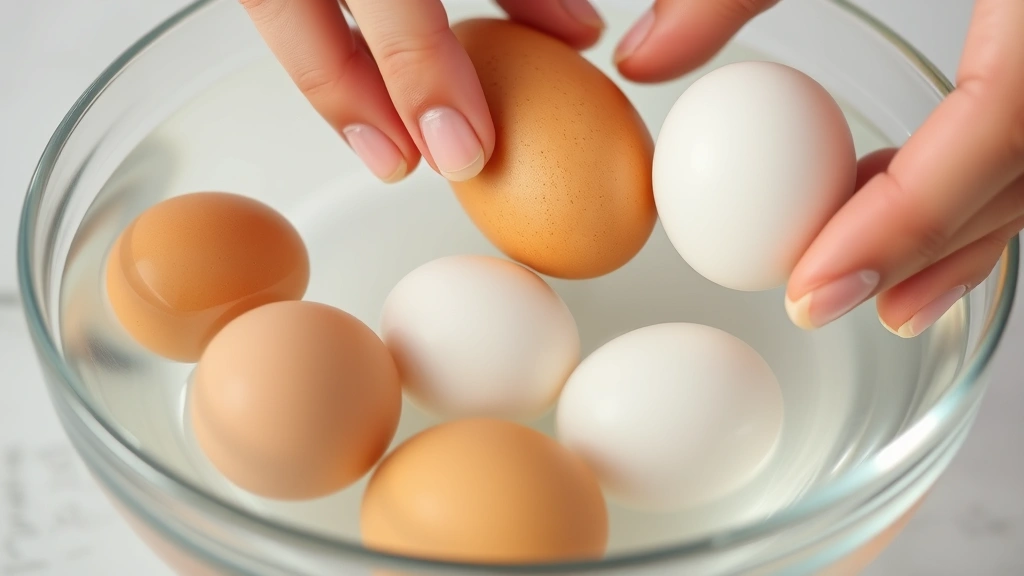
The water float test is perhaps the most reliable and widely used method for determining egg freshness. This simple test works because eggs naturally lose moisture over time through their porous shells. As an egg ages, the air cell inside grows larger, making the egg more buoyant. Here’s how to perform this classic test:
Fill a bowl or glass with cool water—about 4 inches deep should do the trick. Gently place your egg into the water and observe what happens. A fresh egg will sink straight to the bottom and lay on its side. This is exactly what you want to see. The egg contains minimal air space, indicating it’s still in prime condition for cooking or storage.
If your egg sinks but stands upright on one end, it’s still safe to eat, but it’s starting to age. The growing air cell is causing it to tilt upward. You can still use this egg without worry—it’s perfectly fine for cooking, baking, or scrambling. However, it won’t be quite as fresh as one that lays flat.
The real red flag is when an egg floats to the surface or hovers in the middle of the water. This indicates the air cell has become significantly enlarged, and the egg has aged considerably. While a floating egg might still be technically safe to eat, it’s questionable quality and approaching spoilage. When in doubt, it’s better to err on the side of caution and discard it.
Visual Inspection Methods
Before you even think about the water test, a quick visual inspection can reveal plenty about your eggs’ condition. Start by examining the shell itself. A good egg should have a relatively clean, intact shell without cracks, dents, or unusual discoloration. If you notice any cracks or breaks, that egg should go straight into the trash—bacteria can easily enter through damaged shells.
The shell color doesn’t matter when determining freshness. Brown eggs and white eggs have identical shelf lives and quality potential. What matters is the texture and appearance. A fresh egg’s shell may appear slightly chalky or have a bloom—a protective coating that naturally occurs on newly laid eggs. As eggs age, they lose this coating and may appear shinier or more polished.
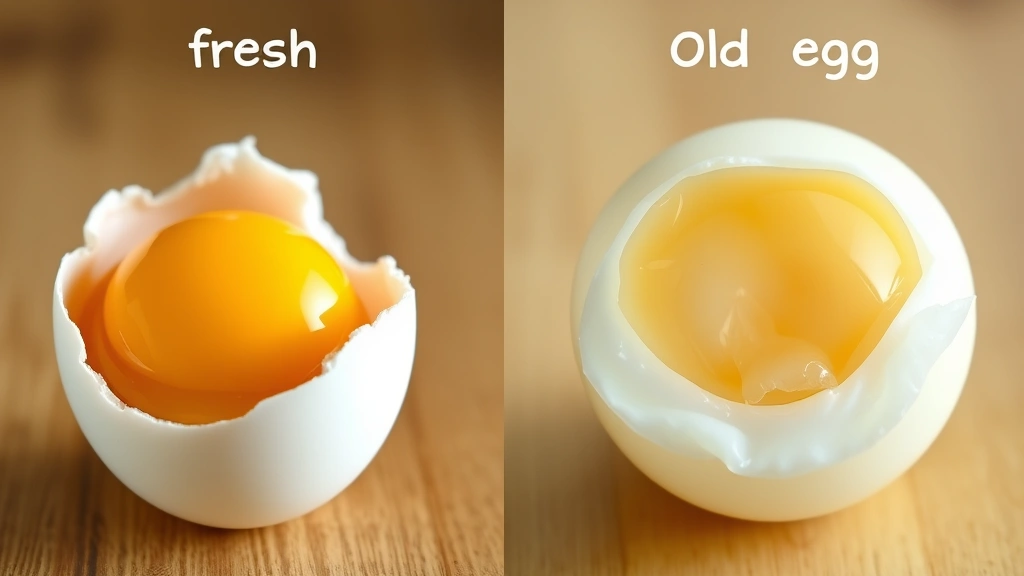
If you crack an egg open, the yolk and white tell you a lot. In a fresh egg, the yolk sits high and firm in the center of the white, which appears somewhat thick and cloudy. As eggs age, the yolk flattens and the white becomes clearer and more runny. A very old egg will have a flat, almost pancake-like yolk that breaks easily and a thin, watery white. For scrambled eggs or baking, this aging process is less noticeable, but for sunny-side-up eggs or other preparations where appearance matters, fresher is definitely better. Speaking of which, if you’re planning to make sunny side up eggs, you’ll definitely want to start with fresh eggs for the best presentation.
Check the inside of the shell if you’ve cracked it open. A dark or greenish discoloration around the yolk indicates bacterial growth, and that egg should be discarded immediately. Similarly, any unusual smell when you crack an egg is a definitive sign that it’s no good.
Smell and Sound Checks
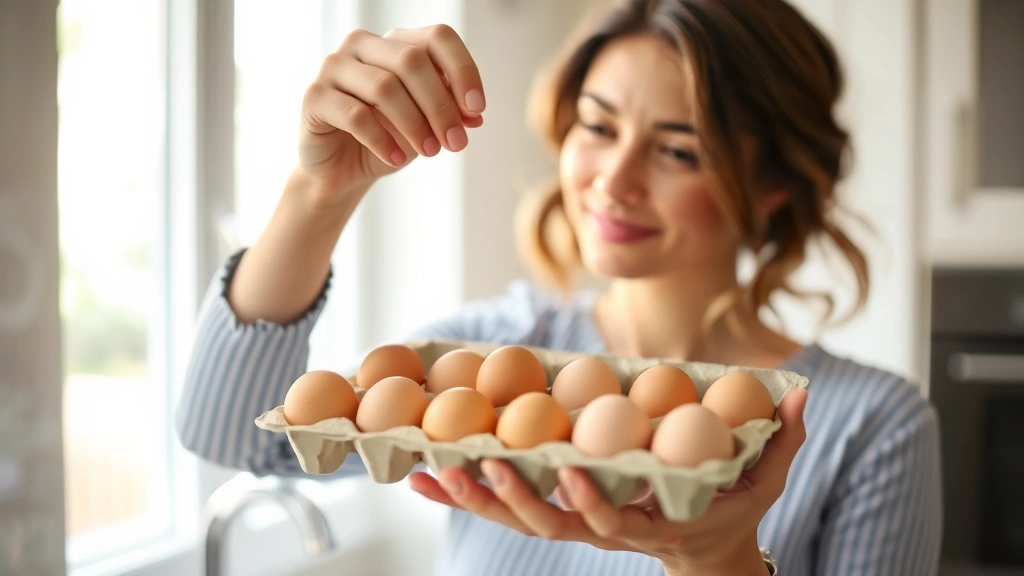
Your nose is one of your best tools for determining egg quality. A fresh egg has a mild, barely noticeable smell. If you crack an egg and detect any sulfurous odor—that distinctive rotten egg smell—don’t use it. That pungent aroma is a clear indicator of bacterial contamination or spoilage. Trust your instincts here. If something smells off, it is off.
The sound test is less reliable than other methods, but it can provide additional clues. A fresh egg tends to feel solid and produce a dull sound when you gently tap it. An older egg, with its enlarged air cell, might produce a slightly hollow or rattling sound when shaken. While this isn’t foolproof—sometimes you just hear the yolk moving around—it’s another data point to consider when you’re unsure.
Some people also recommend the candle test, which involves holding an egg up to a bright light source in a dark room. This allows you to see inside the shell and observe the size of the air cell. A small air cell indicates freshness, while a large one suggests the egg is older. However, this method requires practice and isn’t as straightforward as the water test for most home cooks.
Understanding Expiration Dates
Egg cartons display dates that can be confusing if you don’t know what they mean. The “packed date” shows when the eggs were graded, washed, and placed in the carton—this is typically three days after laying. The “expiration date” or “sell-by date” indicates when the store should remove them from shelves, though eggs are typically still good for several weeks beyond this date if properly stored.
In the United States, egg packaging must include one of these dating systems. The Julian date—a number between 001 and 365 representing the day of the year—tells you exactly when the eggs were packed. Eggs stored properly in your refrigerator generally remain fresh for three to five weeks after packing, which means they’re often still good weeks after the store’s sell-by date.
To better understand what you’re looking for, you might want to learn more about how to check if eggs are good through multiple verification methods. Additionally, understanding how to tell if eggs are still good involves combining several of these techniques for absolute confidence.
Proper Storage for Maximum Freshness
How you store your eggs dramatically impacts their shelf life. Keep them in their original carton in the coldest part of your refrigerator—typically the back of a shelf rather than the door. The door experiences temperature fluctuations every time you open the fridge, which accelerates aging. The carton protects eggs from absorbing odors from other foods and prevents damage.
Maintain a consistent refrigerator temperature of 35 to 40 degrees Fahrenheit for optimal egg storage. Eggs shouldn’t be washed before storage—the protective bloom on fresh eggs helps preserve them. If you need to clean dirty eggs, do so just before cooking, using a dry cloth or soft brush.
Store eggs with the pointed end down. This keeps the yolk centered and away from the air cell, which slows deterioration. Many refrigerators have egg storage compartments designed exactly for this purpose, so use them. If you’re curious about proper food storage in general, the principles behind how to store onions share similar concepts—keeping produce in optimal conditions extends freshness.
Keep eggs separate from raw meat and poultry to prevent cross-contamination. While salmonella risk is minimal in modern eggs, proper food safety practices are always smart. If you’ve cracked an egg and only used part of it, you can store the remaining raw egg in an airtight container in the refrigerator for up to four days.
Raw Versus Cooked Eggs
Raw eggs and cooked eggs have different shelf lives, and the assessment methods differ slightly. For raw eggs, all the tests we’ve discussed—the float test, visual inspection, smell, and date checking—apply directly. A raw egg that passes these tests is safe to consume raw or cooked.
Cooked eggs last longer than you might expect. Hard-boiled eggs stored in their shells in the refrigerator remain fresh for up to one week. Once you peel them, consume them within a few days. Scrambled eggs, fried eggs, and other cooked preparations should be eaten within three to four days when stored in an airtight container.
If you’re planning to boil chicken alongside hard-boiled eggs, you’re likely thinking about meal prep. Just remember that cooked eggs need consistent refrigeration and shouldn’t sit at room temperature for more than two hours. When in doubt about an older hard-boiled egg, the same smell test applies—if it smells off, discard it.
For those uncertain about whether their eggs are still good for raw consumption, cooking them thoroughly eliminates most safety concerns. Scrambled or fully cooked eggs are safer options when you’re on the fence about freshness, though they won’t taste quite as good as fresher eggs would.
Understanding how to tell if eggs are bad is equally important as knowing when they’re good. Bad eggs display unmistakable signs: sulfurous odors, pink or greenish discoloration, and floating behavior in the water test. These are definitive rejection criteria.
Frequently Asked Questions
Can you eat an egg that floats?
An egg that floats to the surface of water has a significantly enlarged air cell and is quite old. While it might not make you sick, it’s questionable quality and likely close to spoilage. It’s safer to discard it. An egg that sinks but stands upright is still acceptable to eat, though fresher eggs that lay flat are preferable.
How long do eggs last in the refrigerator?
Properly stored eggs typically last three to five weeks in the refrigerator from the pack date. This is considerably longer than store expiration dates suggest. The key is storing them in their original carton on a refrigerator shelf rather than the door, where temperature fluctuates.
What does a bad egg smell like?
A spoiled egg has a distinctive sulfurous or rotten smell that’s unmistakable. If you crack an egg and notice any unusual odor beyond a mild, neutral scent, don’t use it. Trust your nose—it rarely lies about food spoilage.
Is the water float test accurate?
Yes, the water float test is highly reliable for determining egg freshness. It works because old eggs lose moisture and develop larger air cells, making them more buoyant. While not absolutely foolproof, it’s one of the best home methods available and correlates strongly with actual egg age.
Can you use eggs past the expiration date?
Yes, in most cases. Expiration dates are conservative estimates based on food safety standards. Properly stored eggs typically remain safe for weeks beyond the printed date. However, use the water test, visual inspection, and smell test to verify freshness before consuming very old eggs.
Should eggs be stored in the refrigerator door?
No, storing eggs in the refrigerator door isn’t ideal. The door experiences temperature fluctuations every time you open the fridge, which accelerates egg aging. Store them in their original carton on a middle or back shelf where temperature remains consistent.
How can you tell if a raw egg is safe to eat?
Combine multiple assessment methods: check the expiration date, perform the water float test, inspect the shell visually, and smell the egg when cracked. If an egg passes all these checks, it’s safe to eat raw. If you have any doubt, cook it thoroughly instead.

Related Posts

How Long to Boil Lobster Tails: Cooking Guide

How Long to Fly from New York to London? Travel Times
