

Styling Curtain Bangs: Expert Techniques and Tips
Styling Curtain Bangs: Expert Techniques and Tips
Curtain bangs have made a triumphant comeback, and honestly, they’re one of the most forgiving hairstyles to maintain once you know what you’re doing. Whether you’re rocking them for the first time or you’ve been wearing them for years, mastering the art of styling curtain bangs transforms them from a cute trend into a genuinely flattering frame for your face. The beauty of curtain bangs lies in their versatility—they work with virtually any hair texture, face shape, and personal style.
The real magic happens when you understand how to work with your specific hair type and the tools at your disposal. Unlike blunt bangs that demand precision and frequent trims, curtain bangs give you breathing room. They’re designed to be swept to the sides, which means you have multiple styling options depending on your mood, the occasion, or simply what your hair feels like doing that day. The key is knowing which techniques will give you the polished look you’re after without spending an hour in front of the mirror.
In this guide, we’re breaking down everything from the basics of blow-drying curtain bangs to advanced styling tricks that’ll make you look like you just stepped out of a salon. We’ll cover the tools you need, step-by-step instructions for different styles, and honest tips for keeping your bangs looking fresh between trims.
Understanding Your Curtain Bangs
Before diving into styling techniques, let’s talk about what makes curtain bangs different from other bang styles. Curtain bangs are parted down the middle and sweep outward on both sides, creating a frame around your face. They’re longer than traditional bangs, typically hitting around your cheekbones or slightly below, which gives you flexibility in how you style them.
The first thing to understand is that curtain bangs work best when they’re cut properly. If you’re considering getting them, knowing how to cut hair fundamentals helps you communicate better with your stylist about the length, angle, and layers you want. A good curtain bang cut should have enough layers to allow the hair to move naturally and frame your face without looking choppy or too thin.
Your hair texture plays a huge role in how your curtain bangs will naturally fall and how much styling effort they’ll require. Fine, straight hair might need a bit more help to hold a style, while thick, wavy hair might need styling to tame it into place. Understanding your hair’s natural behavior is the first step toward styling curtain bangs that actually work with your hair rather than against it.
Essential Tools and Products
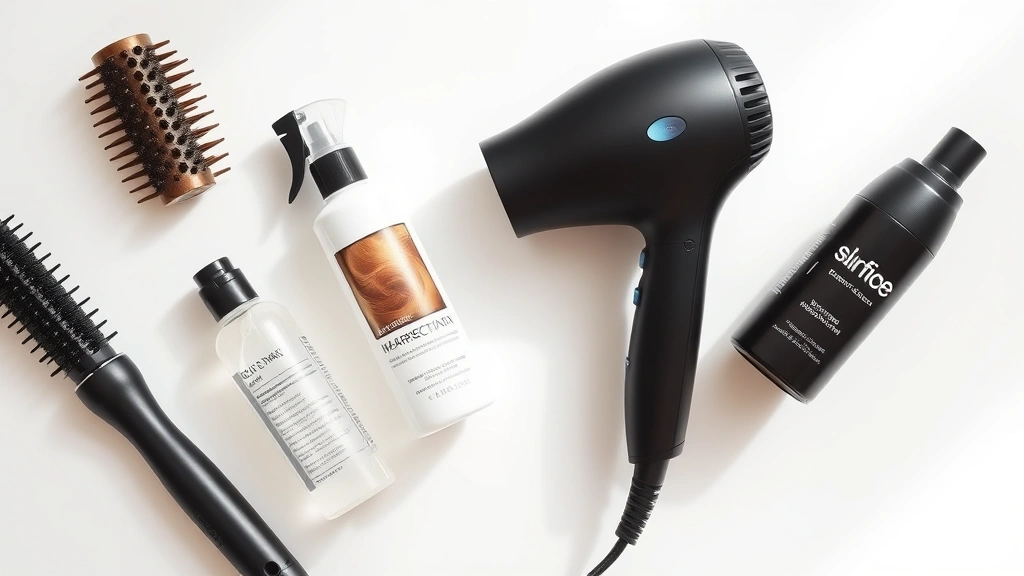
Having the right tools makes styling curtain bangs infinitely easier. Here’s what you’ll want in your arsenal:
- Blow dryer: A quality blow dryer with a concentrator nozzle gives you control and precision. Look for one with multiple heat settings so you can adjust based on your hair texture.
- Round brush: A medium-sized round brush is perfect for creating volume and shape in your bangs while blow-drying.
- Curling iron: A 1-inch to 1.25-inch barrel works beautifully for curtain bangs. If you want to learn how to curl hair properly, start with understanding the barrel size that suits your hair length and the look you’re going for.
- Flat iron: For those days when you want sleekness, a quality flat iron is essential. Understanding how to straighten hair without damage involves using proper technique and heat protection.
- Heat protectant spray: Non-negotiable. Always apply this before using any heat styling tools to prevent damage.
- Volumizing mousse or texturizing spray: These products add grip and hold, making your bangs cooperate better throughout the day.
- Light hairspray: You want something that holds without weighing down your bangs or making them look stiff.
The Classic Blow-Dry Method
The classic blow-dry is your foundation for most curtain bang styles. This method works across hair types and creates a polished, salon-quality look that lasts all day.
Step 1: Start with clean, damp hair. Wash your bangs and hair as usual, then gently squeeze out excess water with a microfiber towel. Your hair should be damp but not dripping wet.
Step 2: Apply heat protectant. Spray heat protectant evenly through your bangs and the surrounding hair. This is non-negotiable if you want healthy hair long-term.
Step 3: Create the center part. Use a fine-tooth comb to create a clean center part from your hairline down through the crown. This guides where your bangs will naturally fall.
Step 4: Section your bangs. Clip away the rest of your hair so you’re only working with your bangs. Divide your bangs into two sections, one for each side.
Step 5: Blow-dry with a round brush. Take one section of bangs and place a medium round brush underneath at the roots. Direct your blow dryer over the brush, moving from roots to ends. This creates lift and movement. Curl the brush slightly outward at the ends to create a gentle bend.
Step 6: Repeat on the other side. Do the same with the other section of bangs, ensuring both sides have matching volume and shape.
Step 7: Finish with cool air. Once both sides are dry, run cool air through your blow dryer over your bangs to set the style and add shine.
The entire process takes about five to seven minutes once you get the hang of it. The key is using enough tension with the round brush to create shape without pulling so hard that you damage your hair.
Creating Soft Waves and Curls
If you want to add texture and dimension to your curtain bangs, soft waves and curls are your answer. This style works beautifully for date nights, special occasions, or when you just want to feel extra.
Method 1: Curling iron waves
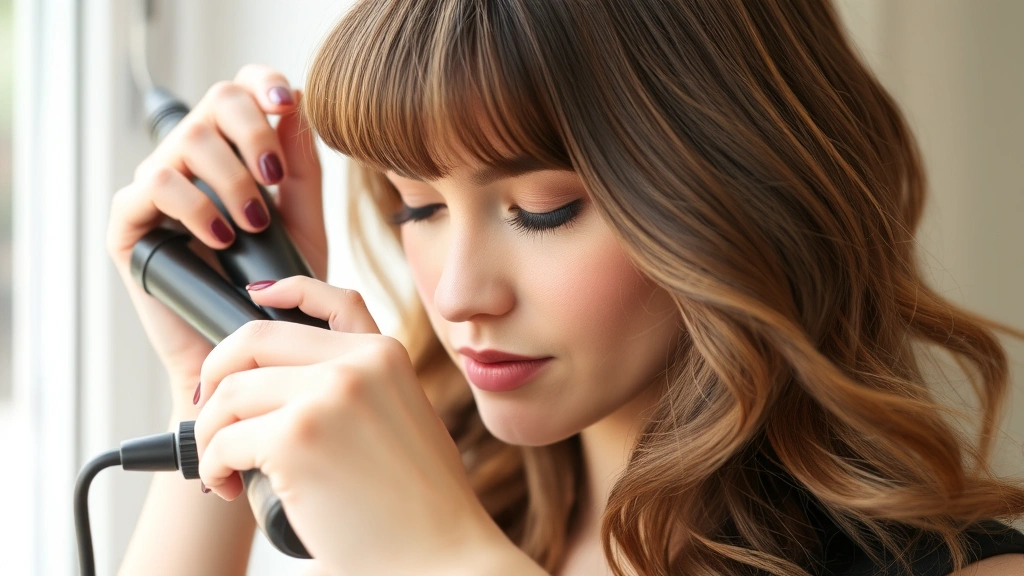
After blow-drying your bangs using the classic method, grab your curling iron. Take a small section of one side of your bangs and wrap it around the barrel, holding for about 10-15 seconds. Release and let the curl cool for a moment before moving to the next section. Repeat on the other side. The key is not making them too tight—you want soft waves, not ringlets. Once both sides are curled, gently run your fingers through to soften the waves and create that effortless look.
Method 2: Straightener waves
Yes, you can create waves with a flat iron. After blow-drying, take a small section of bangs and run your straightener through it while twisting it slightly. This creates a subtle wave that looks incredibly polished. It takes practice to get consistent, but once you master it, you’ll love how quick and easy it is.
Method 3: Heatless waves
For those who want to minimize heat damage, try braiding your damp bangs and letting them air dry, or use velcro rollers while blow-drying. These methods create gentle waves without direct heat on your hair.
Straightening for a Sleek Look
Sometimes you want your curtain bangs sleek and straight. This look pairs beautifully with minimalist outfits and gives off major cool-girl energy. When you’re learning how to straighten hair, the same principles apply to your bangs.
After blow-drying your bangs to remove most of the moisture, apply a smoothing serum or anti-frizz product. Take a small section and run your flat iron through it slowly, from roots to ends. The slower you go, the sleeker the result. Work section by section until all your bangs are straight. Finish with a light hairspray to keep everything in place and fight humidity.
For this style to look intentional rather than flat, make sure your bangs still have some movement. They should fall gracefully around your face, not look plastered down. A tiny bit of texture at the ends helps achieve this balance.
Styling for Different Hair Textures
Fine or thin hair: Fine-haired folks need lightweight products and techniques that create the illusion of volume. Use a volumizing mousse before blow-drying, and avoid heavy serums or oils that will weigh your bangs down. The classic blow-dry method with a round brush is your best friend here. Consider avoiding tight curls, as they can look sparse in fine hair.
Thick or coarse hair: You have the advantage of being able to hold styles beautifully, but you might need more product to smooth frizz or tame texture. A smoothing serum before styling helps, and you might need stronger hold products. Thick hair can handle tighter curls and more dramatic styling without looking overdone.
Wavy or curly hair: If your hair naturally waves or curls, work with it rather than fighting it. Enhance your natural texture with a curl-defining cream or mousse, and use the blow-dry method to direct where your waves fall. You might skip the curling iron entirely and instead focus on shaping your natural texture.
Textured or coily hair: Your bangs might require a different approach entirely. Focus on moisture and definition rather than heat styling. Curl creams, gels, and leave-in conditioners are your friends. Blow-dry with a diffuser attachment to enhance your natural curl pattern, or embrace the natural texture without heat styling.
Daily Maintenance and Refresh Techniques
Curtain bangs don’t need to be washed and styled every single day. Here are ways to refresh them without a full styling session.
The dry shampoo trick: If your bangs feel limp or oily, spritz a little dry shampoo at the roots and gently massage it in. This adds texture and grip, making them easier to style.
The quick heat refresh: If you don’t have time for a full blow-dry, use your blow dryer on a lower setting for just two minutes to reshape your bangs. Sometimes that’s all you need.
The texturizing spray method: A light mist of texturizing spray adds grip and makes your bangs hold their shape better throughout the day. This is especially helpful if you have fine hair.
The bobby pin hold: On days when your bangs won’t cooperate, you can pin them gently to the side while you do other parts of your hair, then release them for a softer, more intentional-looking sweep.
Between washes, try to avoid touching your bangs excessively, as oils from your fingers can transfer to your hair. If you notice how to get rid of split ends becomes a concern, regular trims every 4-6 weeks keep your bangs looking fresh and healthy. Split ends make bangs look stringy and unkempt, so staying on top of trims is worth the investment.
Common Mistakes to Avoid
Using too much product: This is the number one mistake. A little goes a long way with bangs. Start with less than you think you need and add more if necessary.
Blow-drying in the wrong direction: If you blow-dry your bangs straight down, they’ll want to fall straight down. You need to direct the air and your brush to create the outward sweep that’s essential to the curtain bang look.
Skipping heat protectant: I know I’ve mentioned this multiple times, but it bears repeating. Heat protectant is the difference between healthy bangs and damaged, brittle bangs.
Curling too tightly: Overly tight curls in bangs can look dated or childish. Aim for soft, loose waves that move naturally.
Not getting regular trims: Curtain bangs need trims every 4-6 weeks to maintain their shape. Without regular maintenance, they start looking shaggy and lose their defining characteristic.
Applying color without care: If you’re coloring your bangs, whether at home or at a salon, be extra careful. Bangs are visible and frame your face, so mistakes are noticeable. If you’re learning how to get hair dye off skin, you might already be dealing with a coloring mishap. Professional application for bangs is worth the cost.
Frequently Asked Questions
How often should I wash my curtain bangs?
You don’t need to wash your bangs every day. Most people can go 2-3 days between washes, depending on their hair type and scalp oiliness. Fine, straight hair might need more frequent washing, while coarse or curly hair can often go longer.
Can I style curtain bangs without heat tools?
Absolutely. You can use velcro rollers while blow-drying (which uses less direct heat), braid your damp bangs overnight for waves, or simply let them air dry and work with your natural texture. Heat tools aren’t mandatory—they just give you more styling options.
What’s the best way to handle curtain bangs while sleeping?
If you want to preserve your style overnight, try sleeping on a silk or satin pillowcase, which creates less friction and frizz. You could also loosely braid your bangs or pin them gently to the side. In the morning, a quick refresh with your blow dryer usually does the trick.
How do I prevent my curtain bangs from looking greasy?
Dry shampoo is your secret weapon. A light mist at the roots before your bangs get oily helps absorb oil and adds texture. You can also use a texturizing spray for the same effect.
Are curtain bangs high maintenance?
Not really. Once you learn your styling routine, it takes about 5-10 minutes each morning. The main maintenance is getting regular trims every 4-6 weeks to keep them looking sharp.
Can I get curtain bangs if I have curly hair?
Yes, but you’ll need to embrace your natural texture or be willing to style them regularly. Curly-haired folks can absolutely rock curtain bangs—just work with your curl pattern rather than fighting it.
What products work best for curtain bangs?
Lightweight volumizing mousse, texturizing spray, heat protectant, and a light-hold hairspray are the essentials. Avoid heavy oils or serums unless you have very dry hair, as these can weigh bangs down.

Related Posts

How Long to Boil Lobster Tails: Cooking Guide

How Long to Fly from New York to London? Travel Times
