
How to Store Onions: Expert Tips for Freshness
How to Store Onions: Expert Tips for Freshness
There’s something deeply satisfying about opening your pantry or vegetable drawer and finding perfectly preserved onions ready for your next culinary adventure. Yet somehow, these humble bulbs seem to develop sprouts, turn soft, or deteriorate faster than expected. The truth is, storing onions properly isn’t complicated—it just requires understanding a few key principles that most home cooks overlook.
Whether you’re a meal-prep enthusiast who buys onions in bulk or someone who simply wants to extend the life of your weekly grocery haul, the difference between onions that last weeks and those that spoil in days comes down to environment, placement, and a touch of intentionality. We’re not talking about complicated preservation techniques or expensive equipment. Instead, we’ll explore practical, science-backed methods that work with your existing kitchen setup.
The fascinating part? Once you understand why onions behave the way they do, storing them becomes second nature. You’ll find yourself naturally creating the ideal conditions without thinking twice about it.
The Ideal Storage Environment
Onions are surprisingly particular about their living conditions, even after harvest. They prefer cool, dry environments with excellent air circulation—think of it as creating a climate similar to their underground origins. The sweet spot falls between 45-55°F with humidity levels around 60-70%. Too warm, and they’ll sprout or develop rot. Too humid, and mold becomes inevitable. Too dry, and they’ll shrivel into papery husks.
Temperature consistency matters more than you might think. Fluctuating conditions stress the bulbs, breaking down their natural defenses and accelerating deterioration. A basement corner or cool pantry typically works better than a kitchen counter near the stove or oven, where heat waves and temperature swings are constant.
Light also plays a crucial role. Exposure to light triggers sprouting and can cause greening in the outer layers, which indicates the development of solanine—a compound that affects flavor and texture. This is why clear plastic bags from the grocery store aren’t ideal for long-term storage. Dark, opaque containers or dedicated storage spaces create a more protective environment.
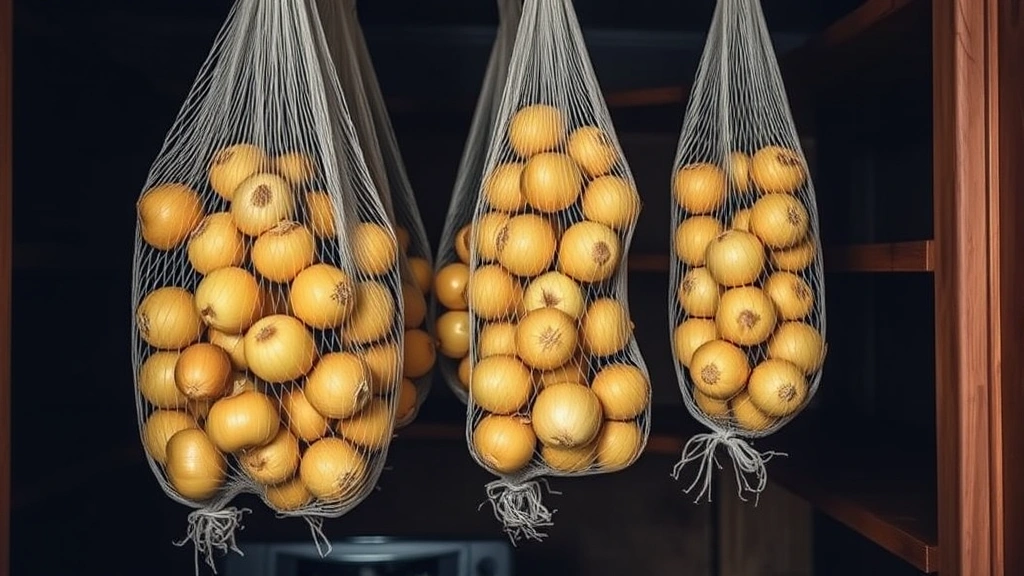
Air circulation prevents moisture from accumulating around individual bulbs, which leads to rot. Unlike some vegetables that benefit from humidity, onions actually prefer slightly drier air. This is why mesh bags or perforated containers work beautifully—they allow air to flow around each bulb while protecting them from light.
Best Storage Methods by Season
Your storage approach should shift with the seasons and the type of onions you’re working with. Yellow and red onions, which have thicker outer layers, store differently than sweet varieties like Vidalia or Walla Walla.
Room Temperature Storage (Short-term)
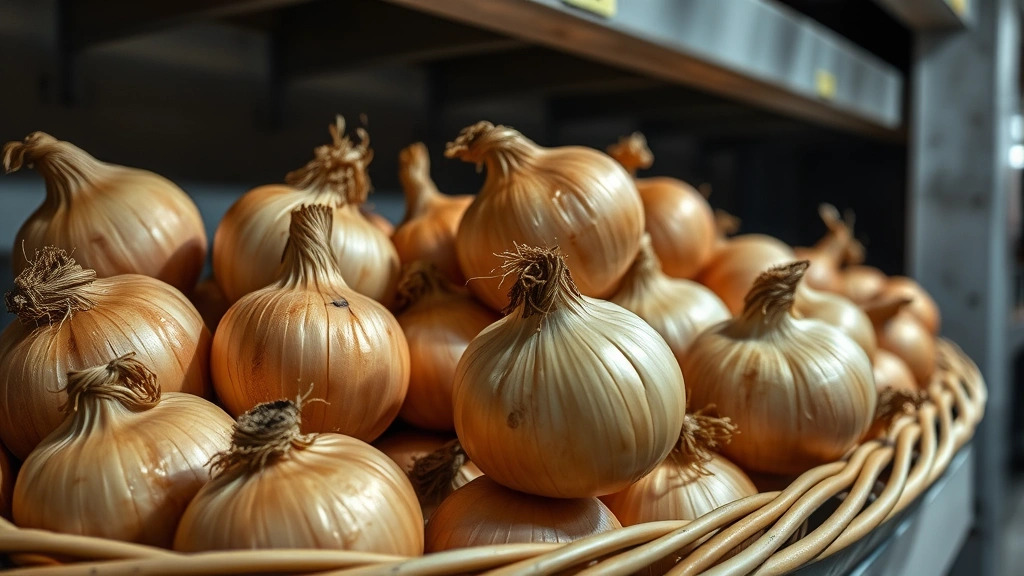
For onions you’ll use within 1-2 weeks, a simple mesh bag or breathable container on a cool, dark shelf works perfectly. This approach suits busy home cooks who cycle through onions regularly. The key is ensuring adequate air movement around each bulb. Woven baskets or hanging mesh bags in a pantry corner are ideal. Avoid sealed plastic bags or containers that trap moisture.
Refrigerator Storage (Medium-term)
The crisper drawer extends onion life significantly, particularly for cut onions or pre-peeled varieties. Whole onions can last 2-3 weeks in the refrigerator, though the cool, slightly humid environment isn’t their absolute preference. They’ll develop a softer texture than pantry-stored onions, but they won’t deteriorate. Store them in a mesh bag or perforated container to maintain some air circulation. Never store whole onions in sealed plastic bags.
Cut onions require different handling. Wrap them tightly in plastic wrap or transfer them to airtight containers to prevent moisture loss and odor transfer. They’ll last about a week this way. If you’re concerned about preventing discoloration in other produce, remember that onions actually help preserve nearby vegetables by releasing sulfur compounds that inhibit bacterial growth.
Cool Storage (Long-term)
For serious storage—we’re talking 2-3 months or more—a dedicated cool space like an unheated basement, root cellar, or garage corner is optimal. This is where understanding bulb varieties becomes important. Yellow onions with their papery golden skins are the champions of long-term storage. Red onions last slightly shorter periods. Sweet onions are the shortest-lived, rarely making it past 3-4 weeks in any condition.
If you’re fortunate enough to have grown your own onions, you already know the advantage. Homegrown onions can be cured before storage, which dramatically extends their lifespan. Curing involves laying harvested onions in a warm, dry spot for 2-3 weeks until their outer skin papery texture develops fully.
Preparing Onions for Storage
Before storing onions, inspect them carefully. Any with soft spots, bruises, or visible mold should be used immediately or discarded. Damaged bulbs deteriorate rapidly and can affect neighboring onions. Remove any loose, damaged outer layers, but don’t strip away all the papery skin—that protective layer is precisely what keeps onions fresh.
Avoid washing onions before storage unless they’re visibly dirty. Excess moisture accelerates rot. If they need cleaning, use a dry brush or cloth to gently remove soil. Let them air-dry completely before storing.
For onions you’ve purchased from grocery stores, they’ve typically already been sorted and partially cured. Store them exactly as they came. For farmers market onions or homegrown varieties, ensure they’re fully cured—the outer skin should be completely papery and dry, with no moisture remaining.
Preparing Cut or Halved Onions
If you’ve already cut into an onion, wrap the remaining portion tightly in plastic wrap, pressing it directly against the cut surface to minimize air exposure. Store it in the refrigerator and use it within 3-4 days. The exposed flesh oxidizes and develops an unpleasant flavor over time. Some cooks prefer storing cut onions in airtight containers with a paper towel that absorbs excess moisture.
Peeled whole onions should go straight into the refrigerator in an airtight container. They’ll last about a week and work beautifully for soups, stews, or dishes where you need whole onions. This preparation strategy is perfect if you’re planning a specific meal or doing meal prep work.
Common Storage Mistakes to Avoid
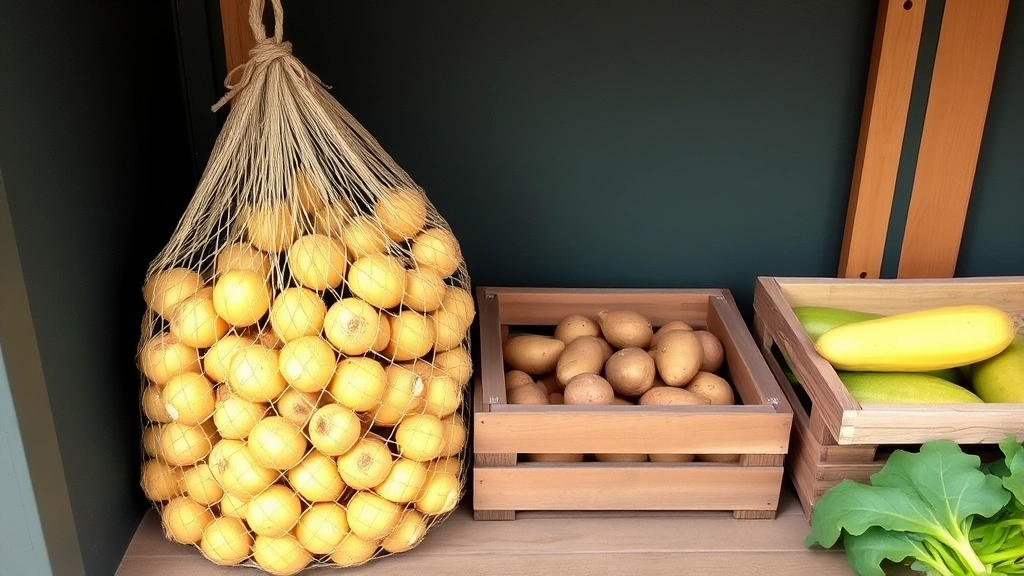
The most common error is storing onions near potatoes. Both release gases—onions release ethylene, potatoes release moisture—that accelerate spoilage in the other. Keep them separated by at least a few feet, ideally in different storage areas entirely. This is true whether you’re storing onions in a pantry or a dedicated vegetable storage space.
Storing onions in the refrigerator with other produce can be problematic. Beyond the potato issue, onions’ strong smell permeates other vegetables and fruits. They’ll make your entire crisper drawer smell like onions, and the moisture from other produce can encourage rot. A dedicated shelf or separate container protects both the onions and their neighbors.
Leaving onions in plastic bags from the grocery store is another frequent mistake. These bags trap moisture and prevent air circulation, creating ideal conditions for mold and rot. Transfer them to mesh bags or breathable containers within a day of purchase.
Storing onions in sunlight or near kitchen windows causes them to green and sprout prematurely. That green tint isn’t just cosmetic—it indicates the development of compounds that alter flavor. Dark storage areas are non-negotiable for long-term preservation.
Temperature fluctuations stress bulbs more than consistent cold does. A pantry that’s subject to temperature swings from cooking and heating is less ideal than a consistently cool basement, even if the basement is slightly warmer overall.
Signs Your Onions Have Gone Bad
Learning to recognize spoilage saves you from using degraded onions in your cooking. A healthy onion feels firm when gently squeezed. Soft spots or mushiness indicate rot beginning to develop. The flesh inside might be discolored or slimy—definitely time to discard.
Visible mold on the outer skin or cut surfaces is an obvious sign. Any fuzzy growth or discoloration beyond the normal papery skin means the onion should go. Don’t try to salvage it by cutting away the affected area—mold has typically spread further than visible.
Sprouting isn’t necessarily spoilage, but it indicates the onion is using its stored energy for growth rather than maintaining flavor and texture. Sprouted onions are still safe to eat and can be used in cooking, though their flavor changes. The green sprouts themselves are actually edible and mildly onion-flavored, making them an interesting garnish if you’re feeling creative.
A rotten smell is unmistakable. Healthy onions smell pungent but pleasant—that characteristic onion aroma. Rotten onions smell sour, fermented, or distinctly unpleasant. Trust your nose; if something seems off, it probably is.
Dehydration appears as significant shriveling and a papery texture throughout the bulb. While slightly dehydrated onions are still usable, extensively shriveled ones have lost flavor and quality. This typically happens after 2-3 months in dry storage conditions.
Smart Organization Strategies
If you regularly cook with onions and want to maintain a steady supply, organization becomes key. Label your storage containers or mesh bags with the purchase date. This simple step helps you rotate stock and use older onions before newer ones, ensuring nothing gets forgotten in a dark corner.
Consider separating onion varieties by storage location. Yellow onions go to long-term cool storage, sweet onions to the refrigerator for shorter-term use. This prevents confusion and ensures you’re using each type when it’s at its peak freshness.
For those who maintain storage strategies for multiple produce items, creating a dedicated vegetable storage zone with proper spacing prevents cross-contamination of flavors and gases. Onions in one corner, potatoes elsewhere, root vegetables in another section. This organization pays dividends in food quality and shelf life.
If you do meal prep, consider peeling and storing onions in portions. You can prepare onions for the week and store them in airtight containers in the refrigerator. This approach works beautifully if you’re planning meals that require caramelized or cooked onions, as you can prep them in advance and simply reheat when needed.
For those with limited storage space, hanging mesh bags from hooks in a cool closet or pantry maximizes vertical space while maintaining excellent air circulation. This method also keeps onions visible and accessible, reducing the chance they’ll be forgotten.
Frequently Asked Questions
How long do onions last at room temperature?
Yellow and red onions last 1-2 weeks at room temperature in proper storage conditions. Sweet onions only last 3-4 days. Room temperature storage works best in cool pantries away from heat sources and light. Once temperatures exceed 70°F, shelf life decreases significantly.
Can I store onions in the freezer?
Yes, but with caveats. Raw onions become mushy when thawed and work only in cooked dishes. Freeze them diced or sliced in airtight containers or freezer bags. They’ll last 3-4 months and are perfect for soups, stews, and sauces. For best results, blanch them briefly before freezing. If you’re exploring freezing techniques for other produce, similar principles apply—prepare them appropriately for their intended use.
Why do onions sprout in storage?
Sprouting indicates the onion is responding to warmth and light by attempting to grow. It’s a natural survival response. While sprouted onions are still edible, they’re past their prime for storage. Prevent sprouting by maintaining cool temperatures and darkness. Removing the sprout doesn’t stop the process—the onion will continue sprouting.
Should I refrigerate onions or keep them at room temperature?
This depends on your usage pattern and the onion variety. Yellow onions last longer at cool room temperature (45-55°F). Sweet onions benefit from refrigeration. For most home cooks, cool pantry storage for regular use and refrigerator storage for longer preservation works perfectly. Choose based on your consumption rate.
What’s the best container for storing onions?
Mesh bags, woven baskets, or perforated containers work best because they allow air circulation while protecting from light. Avoid sealed plastic bags or airtight containers for whole onions. For cut onions, airtight containers in the refrigerator prevent moisture loss and odor transfer.
Can onions be stored with other vegetables?
Onions should be separated from potatoes and kept away from moisture-loving vegetables. Their ethylene release and strong smell affect nearby produce. Store them on a separate shelf or in a different area when possible. This protects both the onions and their neighbors.
How do I know if an onion is still good to use?
Press gently—it should feel firm. Smell it; rotten onions have a distinctly bad odor. Check for soft spots, mold, or excessive shriveling. Sprouting is acceptable but indicates declining quality. When in doubt, cut it open and inspect the interior for discoloration or sliminess.

Related Posts

How Long to Boil Lobster Tails: Cooking Guide

How Long to Fly from New York to London? Travel Times
