Storing Green Onions: Expert Tips and Tricks
How to Store Green Onions: Expert Tips and Tricks
Green onions, also known as scallions or spring onions, are a versatile kitchen staple that add fresh flavor to countless dishes. Whether you’re garnishing tacos, stirring them into soups, or using them as a key ingredient in Asian cuisine, these delicate alliums deserve proper storage to maintain their crisp texture and vibrant color. Many home cooks struggle with green onions wilting within days of purchase, but with the right storage techniques, you can keep them fresh for up to three weeks.
The key to extending the shelf life of green onions lies in understanding their biology and moisture needs. Unlike their bulbous cousins, green onions are primarily composed of tender green leaves and mild white bases that dry out quickly when exposed to air. By implementing the expert strategies outlined in this guide, you’ll learn how to store green onions properly and reduce food waste while maximizing flavor and nutritional value in your kitchen.
Understanding Green Onion Storage Basics
Before diving into specific storage methods, it’s important to understand what causes green onions to deteriorate. Green onions are living plants that continue respiring after harvest, consuming moisture and nutrients stored in their leaves and stems. This natural process accelerates when green onions are exposed to warm temperatures, dry air, and ethylene gas produced by ripening fruits.
The ideal storage conditions for green onions mimic their natural growing environment: cool, humid, and dark. Temperature should remain between 32-40°F (0-4°C), humidity should stay high at 95-100%, and light exposure should be minimal. When you understand these principles, you can evaluate any storage method’s effectiveness and adapt techniques based on your kitchen setup.
Green onions differ significantly from other produce items like how to store avocados, which require room temperature ripening. Green onions need immediate cold storage to prevent deterioration. The white and light green portions are more tender and prone to wilting than the darker green tops, so protecting these sections is particularly important.
Storage duration depends on initial freshness and your chosen method. Fresh green onions from farmers’ markets typically last longer than supermarket varieties because they haven’t been stored in transit. Regardless of source, implementing proper storage within hours of purchase yields the best results.
The Water Jar Method: Simple and Effective
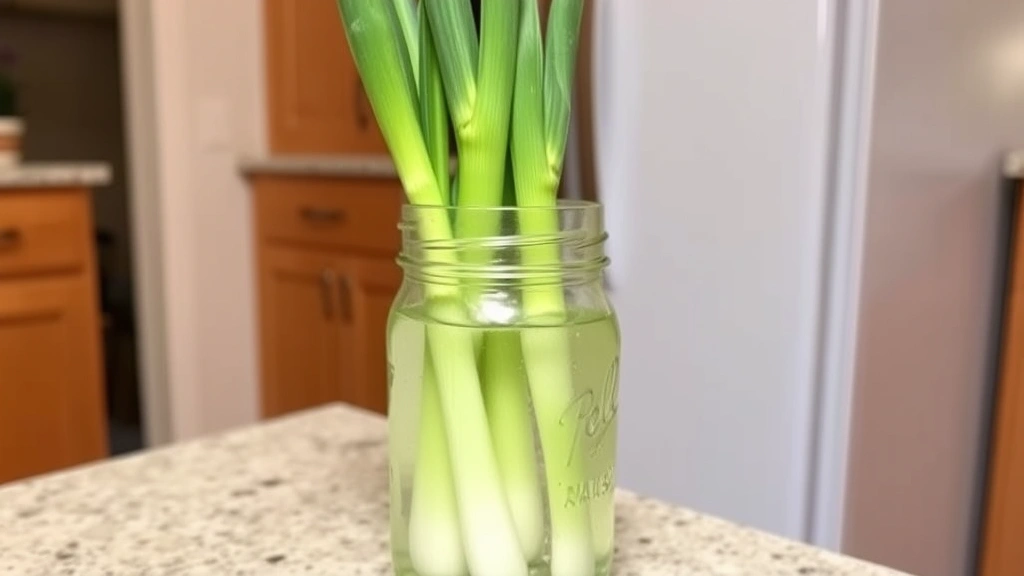
One of the most popular and effective storage methods is the water jar technique, which keeps green onions hydrated while maintaining cool temperatures. This method works exceptionally well because it replicates how florists keep cut flowers fresh, providing continuous water absorption through the cut stems.
Step-by-step water jar storage:
- Trim approximately one inch from the root end of each green onion using a sharp knife
- Remove any yellowed or damaged outer leaves
- Fill a mason jar or drinking glass with cool water to a depth of two inches
- Place trimmed green onions upright in the jar with their white and light green portions submerged
- Cover the jar loosely with a plastic bag to reduce moisture loss from the tops
- Store in the refrigerator away from ethylene-producing fruits like apples or bananas
- Change the water every two to three days to prevent bacterial growth
This method typically keeps green onions fresh for 10-14 days. The water provides continuous hydration to the cut stems, while the cool refrigerator temperature slows respiration and microbial growth. The loose plastic covering maintains humidity around the tender leaves without creating anaerobic conditions that promote rot.
For best results, choose a jar with a wide mouth that allows you to arrange green onions without crushing them. Avoid sealing the plastic tightly, as trapped moisture and ethylene can accelerate decay. Check water clarity daily, and replace it immediately if it becomes cloudy or develops an odor.
Refrigerator Storage Techniques
Direct refrigerator storage without water works well for short-term storage of three to five days. This method suits busy cooks who want simplicity without daily water changes.
Dry storage method:
- Rinse green onions under cool running water and pat completely dry with paper towels
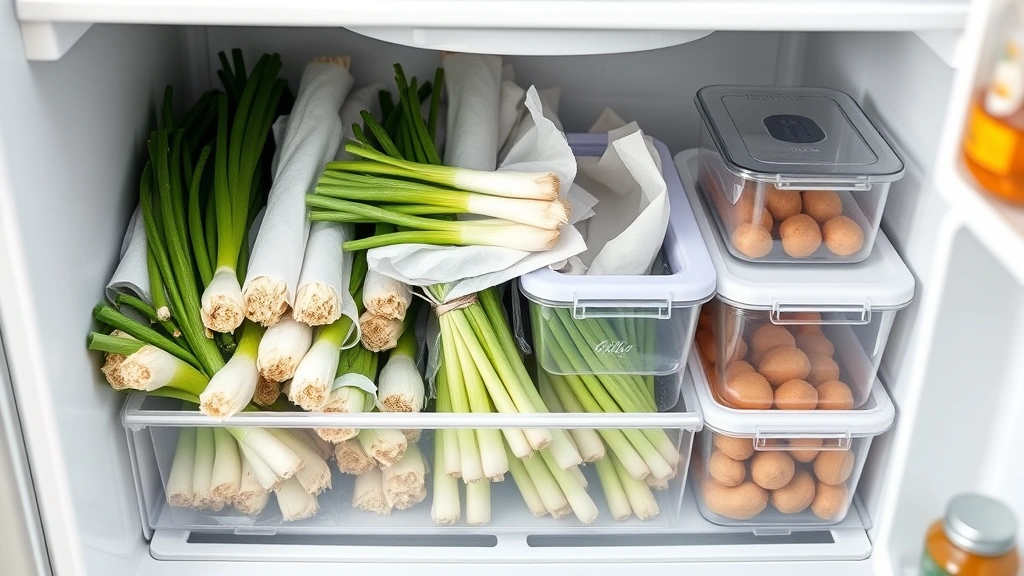
- Wrap the entire bunch loosely in paper towels to absorb excess moisture
- Place wrapped green onions in a plastic bag or produce container
- Store in the refrigerator’s vegetable crisper drawer, which maintains higher humidity
- Keep away from the coldest sections of the refrigerator to prevent freezing
The vegetable crisper drawer is specifically designed to maintain humidity levels between 85-95%, creating optimal conditions for fresh produce. Paper towels absorb excess moisture that could promote mold growth while still maintaining ambient humidity around the vegetables.
Sealed bag method for extended storage:
For storage up to 10 days, try this more protective approach: After patting green onions dry, place them in a resealable plastic bag with a damp paper towel. The paper towel provides humidity without creating waterlogged conditions. Seal the bag partially, leaving a small opening for air circulation. Store in the vegetable crisper.
This hybrid approach balances moisture retention with air circulation, preventing both desiccation and mold. The damp paper towel acts as a humidity buffer, maintaining moisture levels without direct water contact that can cause sliminess.
Freezing Green Onions for Long-Term Use
When you have excess green onions or want to store them for several months, freezing is an excellent option. Frozen green onions work best in cooked dishes rather than fresh applications, as freezing damages cell walls and creates a softer texture unsuitable for garnishing.
Flash-freezing method:
- Wash and thoroughly dry green onions
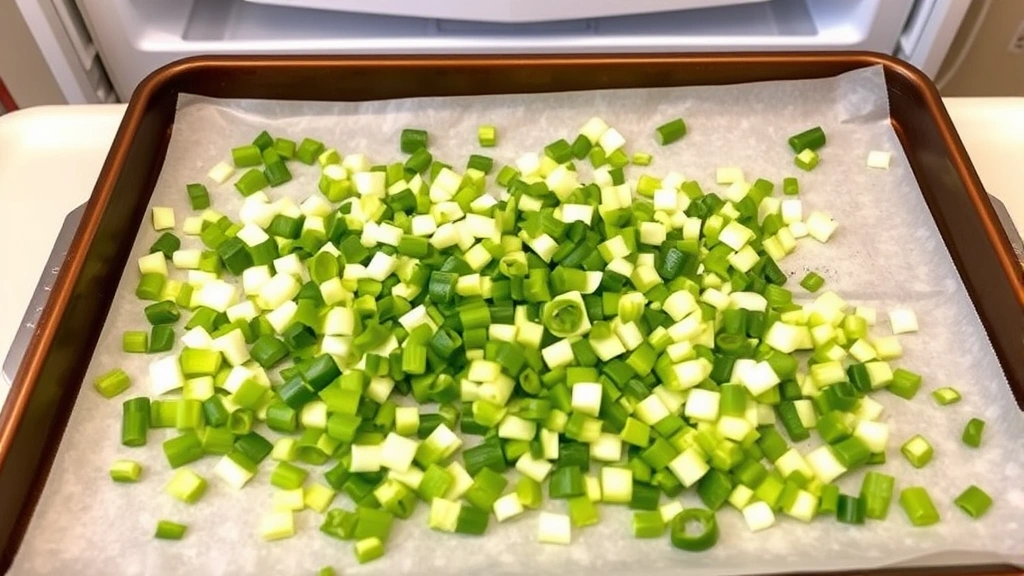
- Slice into quarter-inch rounds, separating white and green portions if desired
- Arrange sliced green onions in a single layer on a baking sheet lined with parchment paper
- Freeze for 2-3 hours until completely solid
- Transfer frozen pieces to airtight freezer bags, removing as much air as possible
- Label with the date and store for up to 6 months
Flash-freezing prevents clumping and allows you to portion out exactly how much you need for each recipe. The white portions can be separated from green tops and frozen separately, as they have different cooking times and flavor intensities.
Freezing in ice cube trays:
For smaller portions, finely chop green onions and pack them into ice cube trays with a small amount of water or olive oil. Once frozen, pop cubes into freezer bags. This method is perfect for recipes requiring small amounts, as you can easily grab one or two cubes without thawing an entire package.
Frozen green onions work wonderfully in steamed dishes, soups, stir-fries, and baked potatoes. Add them directly to hot dishes without thawing for best results. The cooking process will soften them naturally, and they’ll distribute their onion flavor throughout the dish.
Choosing and Preparing Fresh Green Onions
Proper storage begins with selecting the freshest green onions available. When shopping, look for bunches with crisp, bright green tops and firm white bases without brown spots or sliminess. Avoid bunches with yellowed or wilted leaves, as these indicate age and will deteriorate quickly regardless of storage method.
The freshest green onions feel firm when gently squeezed and have a fresh, mild onion aroma. Soft or mushy spots, especially around the white base, indicate bacterial growth or rot. Some browning on the outermost layers is normal and can be trimmed away, but extensive discoloration suggests the bunch isn’t fresh.
Preparation steps before storage:
- Don’t wash green onions before storage unless you plan to use them within two days
- If washing, ensure complete drying with paper towels or a salad spinner
- Trim root ends and remove any yellowed or damaged outer leaves
- Keep the bunch intact rather than separating individual onions until use
- Never store green onions in plastic bags without ventilation
Moisture is the enemy of storage longevity. Excess water on green onion surfaces promotes bacterial and fungal growth. If you must wash them before storage, allow at least an hour of air-drying before placing them in your chosen storage container.
Signs of Spoilage and When to Discard
Even with proper storage, green onions will eventually deteriorate. Knowing when to discard them prevents food poisoning and ensures you’re using ingredients at peak quality.
Visual signs of spoilage:
- Extensive yellowing or browning of green leaves
- Slimy coating on white or green portions
- Visible mold growth, appearing as fuzzy white, green, or black patches
- Dark brown or black discoloration at the root end
- Extreme wilting or shriveling despite proper storage
Olfactory indicators:
Trust your nose. Fresh green onions have a mild, pleasant onion aroma. Any sour, fermented, or putrid smell indicates bacterial overgrowth and means the green onions should be discarded immediately. This smell can develop quickly in warm conditions or when water isn’t changed regularly in jar storage.
Texture assessment:
Gently squeeze the white base. It should feel firm. Mushy or slimy textures indicate cellular breakdown and bacterial colonization. Even if the appearance seems acceptable, slimy texture is a reliable indicator of spoilage.
When in doubt, discard the green onions. The cost of one bunch is minimal compared to the risk of foodborne illness from consuming spoiled produce.
Extending Shelf Life with Advanced Methods
Beyond basic storage techniques, several advanced methods can further extend green onion freshness.
Vacuum sealing:
A vacuum sealer removes air from storage bags, dramatically slowing oxidation and microbial growth. Vacuum-sealed green onions can last 14-21 days in the refrigerator. Pat green onions completely dry before sealing to prevent excessive moisture buildup. Use the gentle sealing option if available to avoid crushing tender leaves.
Modified atmosphere packaging:
Some home cooks use food-grade plastic wrap combined with plastic bags to create a modified atmosphere that slows respiration. Wrap each green onion bundle individually in plastic wrap, then place in a sealed bag. This reduces oxygen availability while maintaining some air circulation, extending storage to 12-16 days.
Root propagation:
For an unconventional approach, save the white base and root sections of green onions. Place them in a small container of water on a sunny windowsill. They’ll regrow green tops within 5-7 days, providing fresh garnish indefinitely. This method works best with strong, healthy roots and provides new growth for several cycles before replanting in soil.
Visit This Old House for comprehensive home improvement and kitchen organization guides. For additional food storage techniques and kitchen tips, check Family Handyman’s extensive resource library.
The FixWiseHub Blog offers additional storage solutions and kitchen management strategies. You might also explore related topics like proper kitchen appliance maintenance to ensure your refrigerator operates at peak efficiency for food storage.
For purchasing supplies and storage containers, check your local home improvement retailers that carry food-grade storage solutions and gardening supplies for propagation projects. Many retailers offer vacuum sealing bags, specialty produce containers, and other storage accessories designed specifically for extending fresh produce shelf life.
FAQ
How long do green onions last in the refrigerator?
Green onions typically last 7-10 days with the water jar method and 3-5 days with dry refrigerator storage. Duration depends on initial freshness, storage method, and how consistently you maintain proper conditions like water changes or humidity levels.
Can you freeze green onions raw?
Yes, raw green onions freeze well, but texture becomes soft when thawed. Frozen green onions work best in cooked dishes like soups, stir-fries, and baked goods rather than fresh applications requiring crisp texture. Flash-freezing prevents clumping and allows portion control.
Should you wash green onions before storing?
Avoid washing green onions before storage unless you’ll use them within two days. Excess moisture promotes bacterial and fungal growth. If you must wash them, ensure complete drying with paper towels before storing.
What’s the best way to store cut green onions?
Cut green onions should be stored in an airtight container with a damp paper towel, or frozen in ice cube trays. Cut portions deteriorate faster than whole bunches, so use them within 2-3 days. For longer storage, freezing is the best option.
Can green onions go bad in the refrigerator?
Yes, green onions can develop mold, slime, and bacterial growth in the refrigerator, especially if stored improperly or for extended periods. Always check for signs of spoilage before use, and discard any bunches with slimy texture, foul odor, or visible mold.
How do you revive wilted green onions?
Place wilted green onions in ice water for 30 minutes to rehydrate them. This works best if wilting is mild and hasn’t progressed to permanent cellular damage. For severely wilted onions, use them in cooked dishes where texture matters less.
Is it better to store green onions with or without the roots?
Trimming roots slightly (about one inch) is beneficial as it removes damaged portions and allows water absorption. However, keeping roots intact rather than completely removing them helps preserve moisture. If propagating, keep healthy roots with white portions intact.

Related Posts

Superscript in Google Docs: Expert Tips

Strikethrough in Excel: Easy Steps for Beginners