
Best Way to Store Cucumbers? Expert Tips Inside
Best Way to Store Cucumbers? Expert Tips Inside
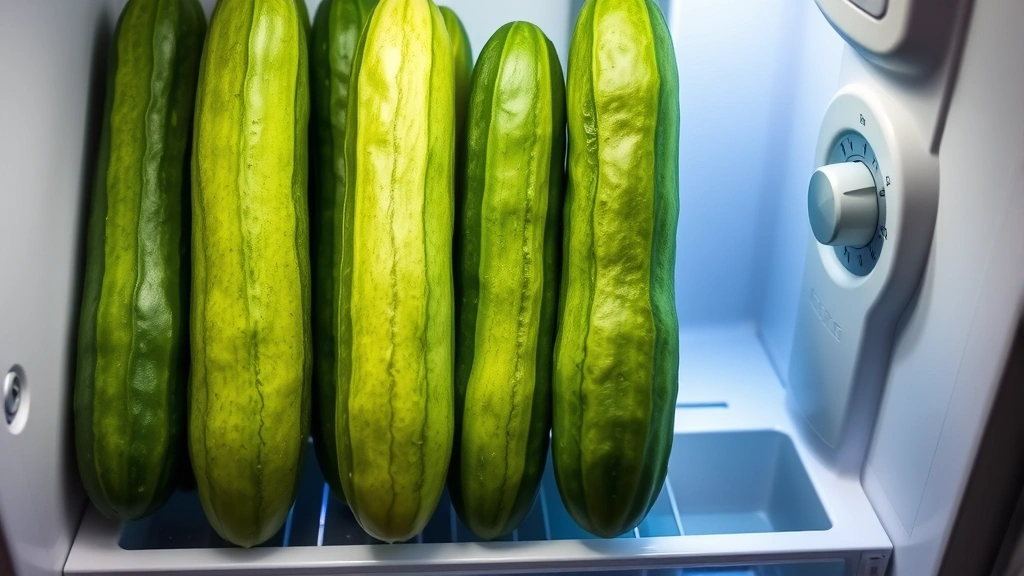
Cucumbers are a refreshing addition to salads, sandwiches, and summer meals, but they can quickly turn soft and mushy if stored incorrectly. Whether you’ve just picked them from your garden or brought home a bunch from the grocery store, knowing how to store cucumbers properly will extend their shelf life and keep them crisp and delicious for days longer. Most people make common mistakes that cause cucumbers to deteriorate rapidly, such as storing them in the wrong temperature zones or placing them near ethylene-producing fruits.
In this comprehensive guide, we’ll explore expert-backed methods to preserve your cucumbers’ freshness, texture, and nutritional value. From understanding the science behind cucumber storage to learning specific techniques for different storage durations, you’ll discover practical solutions that work in any kitchen. We’ll also cover how to identify when cucumbers have gone bad and provide alternatives for extending their lifespan even further.
Optimal Temperature and Humidity Conditions
Cucumbers are tropical and subtropical vegetables that thrive in warm growing conditions, but once harvested, they become sensitive to cold temperatures. The ideal storage temperature for cucumbers ranges between 50°F and 55°F (10°C to 13°C), which is significantly warmer than the typical refrigerator temperature of 35°F to 40°F. This temperature range maintains the cucumber’s cellular structure while slowing down the ripening process and microbial growth.
Humidity levels are equally critical for cucumber storage. These vegetables contain approximately 95% water, making them prone to dehydration. Maintaining humidity levels between 85% and 95% prevents the cucumber skin from shriveling and becoming wrinkled. Low humidity environments cause moisture to evaporate from the skin, leading to a soft, deteriorated texture within just a few days.
The challenge for home cooks is that standard refrigerators operate at temperatures lower than ideal, which can cause chilling injury. This condition damages the cucumber’s cell walls and leads to a mushy texture and accelerated decay. However, the cooler temperature does slow down ethylene gas production, which is why refrigeration remains the best option for extending storage life despite the temperature mismatch.
One solution to combat chilling injury is to store cucumbers in the warmest part of your refrigerator. The door shelves and upper shelves tend to be several degrees warmer than the back and bottom sections. Additionally, keeping cucumbers away from the coldest spots near the back wall can make a noticeable difference in preservation quality.
Refrigerator Storage Methods
The refrigerator is your best tool for storing cucumbers long-term, despite the temperature challenges mentioned earlier. Proper refrigerator storage can keep cucumbers fresh for 3 to 7 days, depending on their initial freshness and the specific storage method employed.
The Plastic Wrap Method
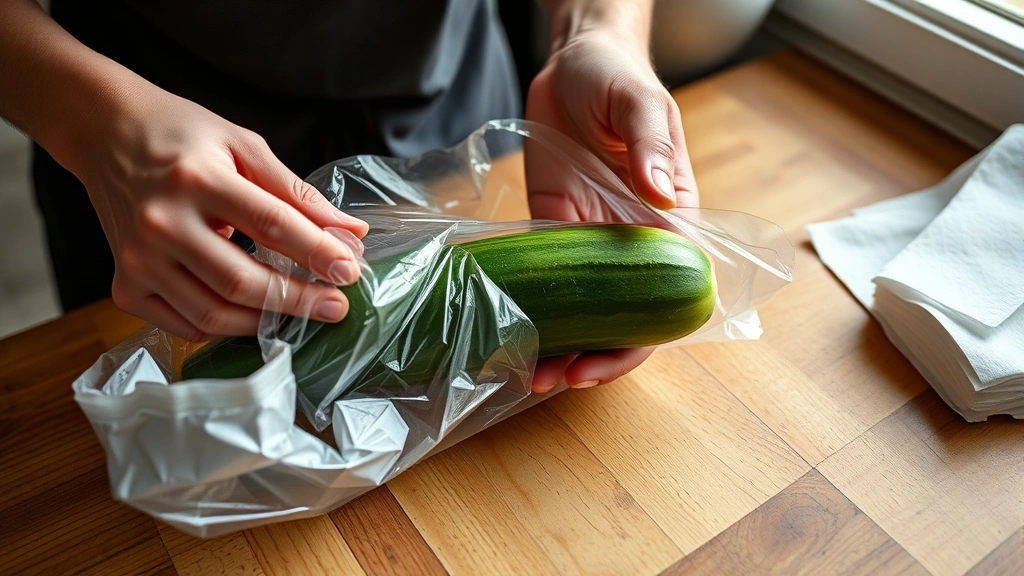
One of the most effective refrigerator storage techniques involves wrapping individual cucumbers in plastic wrap. Here’s the step-by-step process: First, ensure your cucumbers are completely dry before wrapping—any moisture on the surface can promote bacterial growth. Gently pat each cucumber with a clean paper towel or cloth to remove surface moisture. Next, wrap each cucumber tightly in plastic wrap, ensuring no air pockets remain. The plastic wrap creates a barrier that slows water loss while protecting the cucumber from ethylene gas produced by nearby fruits. This method typically extends freshness to 5 to 7 days.
The plastic wrap method works because it maintains the microclimate immediately surrounding the cucumber. While the refrigerator itself is too cold, the thin layer of plastic creates an insulating buffer that reduces the rate of chilling injury. Additionally, the plastic prevents the cucumber skin from absorbing odors from other refrigerated foods, which can affect taste.
The Vegetable Crisper Drawer Strategy
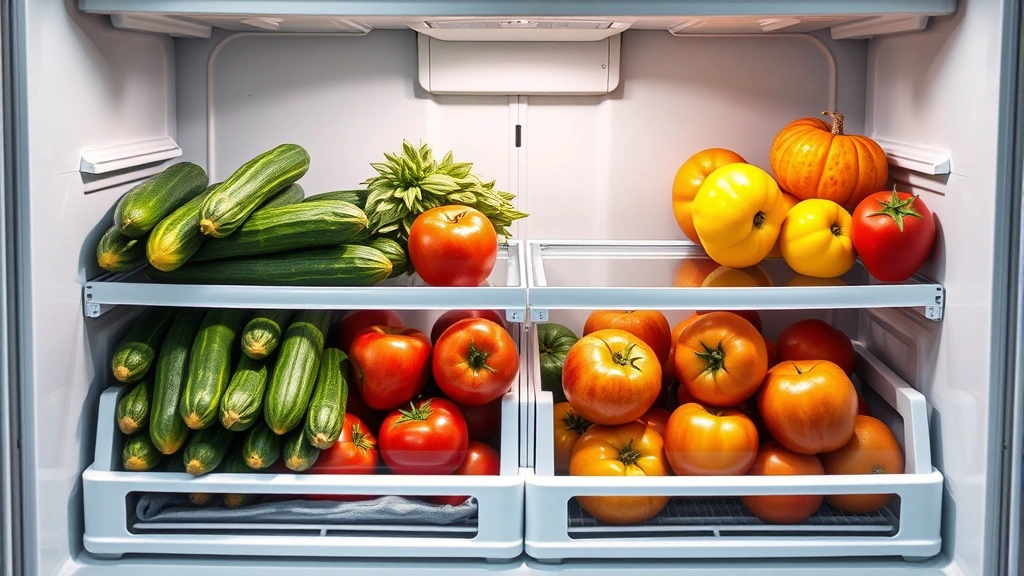
Most modern refrigerators include vegetable crisper drawers with humidity controls. These compartments are specifically designed to maintain optimal moisture levels for produce. Store unwrapped cucumbers in the vegetable crisper drawer and adjust the humidity setting to the highest level. Keep cucumbers separate from other produce, especially tomatoes, apples, and avocados, which produce significant amounts of ethylene gas.
If your crisper drawer doesn’t have humidity controls, you can create a similar environment by placing cucumbers in a sealed plastic container or bag with a damp paper towel. The damp towel maintains humidity while the sealed container prevents moisture loss. Change the paper towel every 2 to 3 days to prevent mold growth.
The Paper Towel Wrapping Technique
An alternative to plastic wrap involves wrapping cucumbers in paper towels before placing them in a sealed container or bag. Paper towels absorb excess moisture that could promote rot while still allowing some air circulation. This method balances moisture retention with protection against fungal growth. Place the paper towel-wrapped cucumbers in a plastic container with a loosely fitting lid, allowing minimal air exchange. This approach typically keeps cucumbers fresh for 4 to 6 days.
When using the paper towel method, check on your cucumbers every 2 days and replace damp paper towels with fresh, dry ones. Excess moisture is one of the primary causes of mold and bacterial growth in stored produce.
Counter and Room Temperature Storage
If you plan to use your cucumbers within 1 to 2 days, counter storage is perfectly acceptable and actually preferable in some situations. Room temperature storage prevents chilling injury entirely and maintains the cucumber’s natural flavor profile. However, this method requires careful attention to environmental conditions.
Ideal Counter Storage Setup
Choose a location away from direct sunlight, which can cause the cucumber skin to yellow and become bitter. A cool, dark corner of your kitchen counter or pantry is ideal. Keep cucumbers away from heat sources like ovens, stovetops, and sunny windowsills. The temperature should remain between 60°F and 70°F for optimal results.
Store cucumbers in a loose paper bag or cardboard box with ventilation holes. This setup allows air circulation while protecting the cucumber from light exposure. Avoid placing cucumbers in airtight containers at room temperature, as poor air circulation can accelerate decay and promote mold growth.
Separation from Ethylene-Producing Fruits
This is crucial: keep cucumbers far away from bananas, apples, tomatoes, avocados, and other ethylene-producing fruits. Ethylene is a plant hormone that triggers ripening and accelerates senescence (aging). Even placing a bowl of apples next to your cucumber storage area can significantly reduce their shelf life. If possible, store ethylene producers in a separate area of your kitchen or in a sealed container in the refrigerator.
For additional produce storage guidance, check out our guide on how to store cilantro, which faces similar humidity and temperature challenges as cucumbers.
Separation and Spacing Techniques
How you arrange your cucumbers matters significantly for their longevity. Cucumbers should never touch each other during storage, as contact points can create moisture pockets that promote rot and fungal growth. Each cucumber needs individual space for air circulation.
Creating a Spacing System
If storing cucumbers in a container, arrange them in a single layer with at least 1 inch of space between each cucumber. If you need to store multiple layers, place parchment paper between layers to prevent direct contact. Some people use egg cartons or compartmentalized containers to keep cucumbers separated naturally.
In the refrigerator crisper drawer, arrange cucumbers vertically or diagonally rather than stacking them horizontally. This positioning prevents weight from crushing lower cucumbers and improves air circulation around each piece.
Removing Plastic Packaging
If you purchased cucumbers in plastic clamshell packaging, remove them immediately when you get home. These packages trap moisture and ethylene gas, accelerating decay. Transfer cucumbers to a breathable storage solution as soon as possible. The few minutes it takes to remove packaging can extend freshness by several days.
Long-Term Preservation Options
For those who want to preserve cucumbers beyond the typical 7-day window, several techniques are available, though they alter the cucumber’s texture and flavor profile.
Pickling and Fermenting
Pickling is the classic method for long-term cucumber preservation. Cucumbers can be pickled using vinegar-based solutions and stored in sterilized jars for several months. The acidic environment prevents bacterial growth while creating a distinct flavor. Quick pickles can be made in just a few hours and stored in the refrigerator for up to 2 weeks. For traditional pickles, the canning process extends shelf life to 6 months or longer when stored in a cool, dark place.
Fermented cucumbers, made through lacto-fermentation with salt and water, offer probiotic benefits and can last several months when refrigerated. The fermentation process develops complex flavors while preserving the vegetables naturally without vinegar.
Freezing Cucumbers
Freezing cucumbers is possible but not ideal for eating fresh, as the high water content causes cellular breakdown, resulting in a mushy texture when thawed. However, frozen cucumbers work well in smoothies, cooked dishes, or as ice cubes for flavored water. To freeze cucumbers, slice them into rounds, spread them on a baking sheet to freeze individually, then transfer to freezer bags. They’ll keep for 3 to 4 months in the freezer.
For other produce freezing techniques, explore our comprehensive guide on how to freeze strawberries, which provides detailed freezing methods applicable to various vegetables.
Dehydrating Cucumbers
Dehydrating is another preservation method that removes moisture and extends shelf life to several months. Cucumber chips made in a food dehydrator become crispy snacks with concentrated flavor. Dehydrated cucumbers take up minimal space and can be rehydrated in soups or stews, though they won’t replicate fresh cucumber texture.
Signs of Spoilage and When to Discard
Understanding when cucumbers have gone bad is essential for food safety and quality. Several clear indicators signal that a cucumber should be discarded.
Visual Signs of Decay
Discard cucumbers that display soft spots, dark patches, or visible mold growth. These indicate advanced bacterial or fungal colonization. A slight yellowing of the skin is normal and doesn’t necessarily mean the cucumber is bad, but extensive yellowing combined with softness suggests overripeness or spoilage. Wrinkled skin indicates dehydration and loss of quality, though the cucumber may still be safe to eat if no other warning signs are present.
Texture and Smell Tests
Gently squeeze the cucumber—it should feel firm with slight give, not mushy or hollow. A mushy cucumber has begun to rot internally. Any unpleasant, sour, or fermented smell indicates bacterial overgrowth and means the cucumber should be discarded. Fresh cucumbers have a mild, slightly grassy aroma.
Slime or sticky residue on the cucumber skin is a definitive sign of spoilage caused by bacterial growth. This indicates the cucumber has begun to decompose and should not be consumed.
Storage Timeline Guidelines
As a general rule, discard any cucumber stored for longer than 7 to 10 days in the refrigerator. Even if it appears acceptable visually, spoilage organisms may be present without obvious signs. Cucumbers stored at room temperature should be used within 1 to 2 days for maximum safety and quality.
FAQ
Can you store cucumbers in the freezer?
Yes, but with limitations. Frozen cucumbers develop a mushy texture unsuitable for fresh consumption. However, they work well in cooked dishes, smoothies, or infused water. Freeze sliced cucumbers on a baking sheet before transferring to freezer bags. They’ll keep for 3 to 4 months. For best results with other produce, see our guide on how to freeze strawberries, which includes general freezing principles.
Why do cucumbers get mushy in the refrigerator?
Cucumbers develop mushy texture in refrigerators due to chilling injury caused by temperatures below 50°F. The cold damages cell walls, leading to loss of firmness. Storing cucumbers in the warmest section of your refrigerator (door shelves or upper racks) and wrapping them in plastic reduces this effect.
Should cucumbers be stored with other vegetables?
No, cucumbers should be stored separately from ethylene-producing fruits like tomatoes, apples, bananas, and avocados. Ethylene gas accelerates ripening and decay. If possible, keep cucumbers in a dedicated section of your refrigerator or in a sealed container away from other produce.
How long do cucumbers last in the refrigerator?
Properly stored cucumbers typically last 3 to 7 days in the refrigerator. Using plastic wrap, paper towel wrapping, or vegetable crisper drawers with humidity controls can extend freshness toward the longer end of this range. Cucumbers stored at room temperature last only 1 to 2 days.
Can you store cucumbers in water?
Storing cucumbers in water is not recommended. Prolonged contact with water promotes bacterial growth and causes the skin to become soft. However, placing a damp paper towel in the storage container maintains humidity without direct water contact, which is an effective alternative.
What’s the best way to store sliced cucumbers?
Sliced cucumbers should be stored in an airtight container with a damp paper towel to maintain moisture. They typically last 3 to 5 days in the refrigerator. Avoid storing sliced cucumbers in water, which will cause them to become mushy. Keep them separate from other produce to prevent cross-contamination of ethylene gas.
Are wrinkled cucumbers safe to eat?
Wrinkled cucumbers indicate water loss and age but may still be safe if no other spoilage signs are present. Check for soft spots, mold, or unpleasant odors. If the wrinkled cucumber feels firm and smells fresh, it can be used, though the texture may be slightly less crisp. Wrinkled cucumbers are best used in cooked dishes or smoothies rather than fresh salads.

Related Posts

Superscript in Google Docs: Expert Tips

Strikethrough in Excel: Easy Steps for Beginners
