
How to Smoke a Pork Butt: Expert Guide
How to Smoke a Pork Butt: Expert Guide
There’s something almost meditative about the process of smoking a pork butt. You’re not just cooking meat—you’re engaging in a time-honored tradition that transforms a humble cut into something genuinely spectacular. The low-and-slow methodology that defines smoking creates layers of flavor and tenderness that no other cooking method can replicate. Whether you’re a seasoned pitmaster or standing in front of your first smoker with a mixture of excitement and uncertainty, this guide will walk you through everything you need to know.
Smoking a pork butt isn’t complicated, but it does require patience, attention to detail, and a willingness to let the process unfold naturally. Unlike grilling, where high heat and quick cooking are the norm, smoking is about maintaining consistent temperature, managing smoke flow, and giving the meat adequate time to develop that coveted bark while the interior becomes impossibly tender. The beauty of this method is that once you understand the fundamentals, you’ll be producing restaurant-quality pulled pork that’ll have your guests wondering if you’ve secretly opened a barbecue joint.
This comprehensive guide covers everything from selecting the right cut to pulling apart your finished masterpiece. We’ll discuss equipment choices, seasoning strategies, temperature management, and troubleshooting tips that’ll help you avoid the common pitfalls that trip up beginners.
Choosing the Right Pork Butt
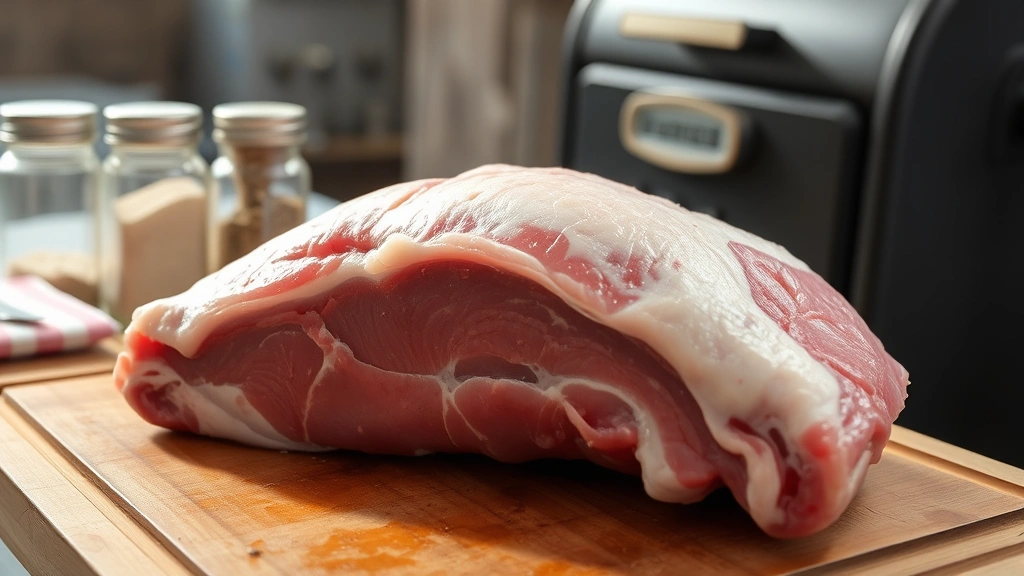
The foundation of excellent smoked pork butt starts at the butcher counter. You’re looking for a cut labeled as pork butt, also called Boston butt—a misnomer since it actually comes from the shoulder, not the rear end of the pig. The name originated from the wooden barrels (called butts) in which the cut was traditionally shipped, so don’t let the terminology confuse you.
Size matters more than you might think. For smoking purposes, aim for a pork butt between 8 and 12 pounds. This range provides enough meat to feed a crowd while remaining manageable for most home smokers. Smaller cuts under 6 pounds tend to dry out more easily, while massive 15-pound butts require extended cooking times and more precise temperature control. A well-marbled cut with visible fat throughout will yield better results than a lean one—that fat renders during the long cooking process, basting the meat from within and creating moisture that prevents drying.
Look for a piece that has a good fat cap on top, ideally a quarter to half inch thick. This protective layer shields the meat underneath from direct heat and smoke, preventing the exterior from becoming too charred while the interior finishes cooking. Ask your butcher to leave the skin on if possible, or at minimum, ensure the fat cap is intact. The skin will render and crisp up beautifully, creating that desirable bark texture that makes smoked pork butt so addictive.
Purchase your pork butt the day before you plan to smoke it, or at minimum, early in the morning of your smoking day. This gives you flexibility in your schedule and ensures the meat is fresh. Store it in the coldest part of your refrigerator, typically the back of the bottom shelf, where temperature fluctuations are minimal.
Essential Equipment and Setup
You don’t need an expensive commercial smoker to produce exceptional results. The three primary smoker types—offset barrel smokers, vertical water smokers, and kamado-style cookers—each have devoted followers. The key factor isn’t the brand or style but rather your ability to maintain consistent temperature throughout the cooking process.
If you’re just starting out, an affordable vertical water smoker works wonderfully for pork butt. The water pan creates a moist cooking environment and acts as a heat moderator, making temperature control more forgiving than with offset smokers. Kamado-style cookers offer excellent heat retention and versatility, though they typically cost more upfront. Offset barrel smokers, the traditional choice, require more active management but reward you with excellent smoke flavor and the satisfaction of mastering a more temperamental piece of equipment.
Regardless of your smoker type, invest in a reliable thermometer. An instant-read digital thermometer is non-negotiable for monitoring internal meat temperature, but you’ll also want an ambient thermometer that measures the air temperature inside your smoker. Many pitmasters use multiple thermometers to ensure accuracy—thermometer placement can significantly impact readings, so redundancy eliminates guesswork.
Essential accessories include:
- Heavy-duty heat-resistant gloves for safe handling
- Long-handled tongs and a meat fork for positioning meat without piercing it excessively
- A spray bottle for applying the mop (a thin, flavorful liquid brushed or sprayed onto meat during cooking)
- Aluminum foil, butcher paper, and plastic wrap for wrapping and storage
- A reliable timer to track cooking duration
- Wood chips or chunks appropriate for your smoker type
- A drip pan to catch rendered fat and create the base for pan drippings
Your smoker should be positioned in a location with some wind protection but adequate ventilation. A spot on your patio against a wall or fence works well, but avoid completely enclosed areas where smoke can’t escape safely. Check your smoker thoroughly before your smoking day to ensure all vents are clean and unobstructed, the grates are secure, and the thermometer functions properly.
Preparation and Seasoning
Remove your pork butt from the refrigerator 30 to 45 minutes before smoking. This allows the meat to reach closer to room temperature, promoting more even cooking throughout. While the meat is coming to temperature, prepare your smoker and get it running at your target temperature—typically 225 to 250 degrees Fahrenheit for pork butt.
Pat the pork butt completely dry with paper towels. This step is crucial because moisture on the surface inhibits bark formation. You want the exterior to develop that flavorful, crusty bark that makes smoked pork butt so appealing. Some pitmasters score the fat cap in a crosshatch pattern, which allows seasoning to penetrate and creates visual appeal on the finished product.
Seasoning strategy divides pitmasters into camps. Some prefer elaborate dry rubs with numerous spices, while others keep things simple with just salt, pepper, and maybe a touch of garlic powder. For your first attempt, try a basic dry rub: combine equal parts kosher salt and coarsely ground black pepper (roughly 2 tablespoons each for a 10-pound butt), add 1 tablespoon of brown sugar, 1 teaspoon of garlic powder, and 1 teaspoon of paprika. This combination enhances the natural pork flavor without overwhelming it.
Apply the dry rub generously over the entire surface, paying special attention to getting it into any crevices and under the fat cap where possible. Use your hands to work the seasoning into the meat—this ensures better distribution and helps form the bark. Don’t be shy; you want a visible coating of seasoning covering the exterior. Some of it will rinse away with rendered fat and moisture during cooking, so generous application is appropriate.
If you’re using a water pan, fill it with water, apple juice, or a mixture of both. The liquid creates steam that helps maintain humidity in the smoker and prevents the meat from drying out. Some pitmasters add wood chips or chunks directly to the water pan, though this is a matter of personal preference.
The Smoking Process Step-by-Step
Place your seasoned pork butt on the smoker grates, fat cap up, in a position where it receives even heat exposure. If your smoker has hot and cool zones, position the butt in the cooler area away from the direct heat source. Close the smoker door and resist the urge to open it frequently. Every time you open the door, heat and smoke escape, requiring the smoker to work harder to recover its temperature.
During the first few hours, focus on maintaining consistent temperature. Check your ambient thermometer every 30 minutes to ensure your smoker is holding steady. Most smokers require some adjustment during this initial phase—you might need to open vents slightly, adjust the fuel supply, or make minor grate adjustments. This is normal and expected. Once your smoker stabilizes, you can relax slightly, though continued monitoring is necessary.
After about three hours, begin spritzing the pork butt every 45 minutes to an hour with your chosen liquid. The mop—whether it’s apple juice, a vinegar-based mixture, or simple water—keeps the surface moist and encourages bark development. Use a spray bottle to apply a light coating, being careful not to wash away your seasoning. This step isn’t mandatory but produces noticeably better results, particularly in drier climates.
Continue smoking at 225 to 250 degrees Fahrenheit. The exact temperature matters less than consistency—a steady 235 degrees produces better results than one that fluctuates between 220 and 260 degrees. Most pork butts require approximately 1.5 to 2 hours of cooking per pound at this temperature range. A 10-pound butt typically takes 15 to 20 hours from start to finish, though individual variation is significant.
Watch for the stall, a frustrating phenomenon where the internal temperature plateaus around 150 to 165 degrees and seemingly stops climbing. This occurs due to evaporative cooling as moisture evaporates from the meat surface. The stall typically lasts 2 to 4 hours but can feel eternal when you’re monitoring temperature every 30 minutes. Patience is your ally here—pushing temperature higher doesn’t accelerate the process and risks drying out your meat.
Temperature Management and Timing
Understanding the relationship between time, temperature, and doneness is essential for smoking success. Internal meat temperature is your primary indicator of doneness, not cooking time. While general guidelines suggest 1.5 to 2 hours per pound, your specific butt may cook faster or slower depending on its shape, your smoker’s characteristics, and ambient conditions.
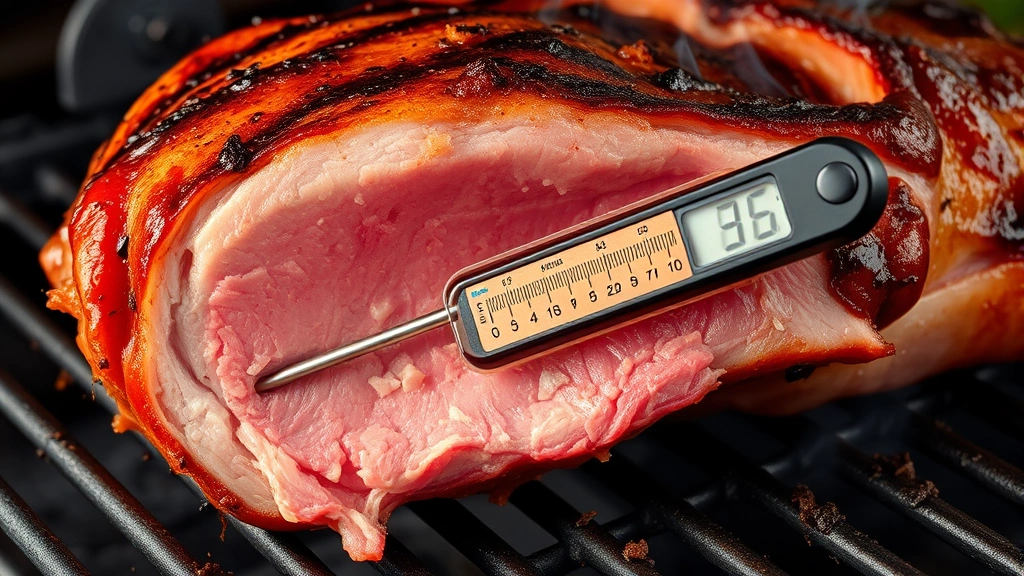
Use an instant-read thermometer to monitor internal temperature. Insert the probe into the thickest part of the meat, away from bone if possible. The target temperature for pulled pork is 190 to 205 degrees Fahrenheit. At 190 degrees, the meat is already quite tender, but pushing toward 205 degrees allows more collagen to convert to gelatin, creating that silky texture that makes pulled pork so appealing. Don’t exceed 210 degrees, as the meat can become mushy and lose structural integrity.
If you’re curious about timing specifics for similar cuts, how long to smoke a pork butt varies based on individual circumstances, but this detailed resource covers the variables. Similarly, if you’re planning to smoke multiple meats, understanding how long to smoke ribs helps you coordinate timing. And if brisket is on your future smoking agenda, how long to smoke a brisket requires different parameters worth understanding in advance.
Weather significantly impacts smoking duration. Cold, windy days require more fuel and produce longer cooking times. Humid days can extend the stall phase. Conversely, hot, calm days accelerate cooking. These environmental factors are why experienced pitmasters rely on temperature rather than time as their primary doneness indicator.
The Wrap Technique Explained
Many pitmasters employ the Texas crutch—wrapping the pork butt partway through cooking. This technique accelerates the cooking process and can shorten the stall phase. When your pork butt reaches an internal temperature of 160 to 165 degrees (typically 8 to 12 hours into cooking), remove it from the smoker and wrap it tightly in butcher paper or heavy-duty aluminum foil.
Before wrapping, you can add extra flavor by brushing the meat with butter, sprinkling brown sugar, or adding a splash of apple juice inside the wrap. This creates a moist microclimate that accelerates collagen breakdown while adding richness to the final product. Wrap tightly enough to contain juices but not so tight that you squeeze out all the air.
Return the wrapped pork butt to the smoker and continue cooking. The internal temperature should now climb more steadily without the extended stall. Continue cooking until the internal temperature reaches 190 to 205 degrees, which typically takes another 4 to 8 hours depending on initial temperature and your smoker’s consistency.
Some pitmasters prefer not to wrap, preferring to develop a thicker bark and accepting a longer cooking time. This approach is perfectly valid—the tradeoff is a more pronounced bark exterior versus a faster, more predictable cooking timeline. Both methods produce excellent results; the choice depends on your priorities and schedule.
Pulling and Resting Your Meat
Once your pork butt reaches target temperature, remove it from the smoker and wrap it in clean butcher paper or aluminum foil. Wrap it immediately after removal while it’s still hot to trap residual heat and steam. Place the wrapped butt in a cooler lined with old towels or blankets. This resting phase is non-negotiable—it allows muscle fibers to relax and reabsorb juices that were driven toward the surface during cooking.
Rest your pork butt for at least 30 minutes, though 45 minutes to an hour is ideal. This resting period allows carryover cooking to finish the process and gives you flexibility in your serving timeline. If you’re running ahead of schedule, your pork butt will stay hot in a cooler for several hours, which is remarkably convenient for entertaining.
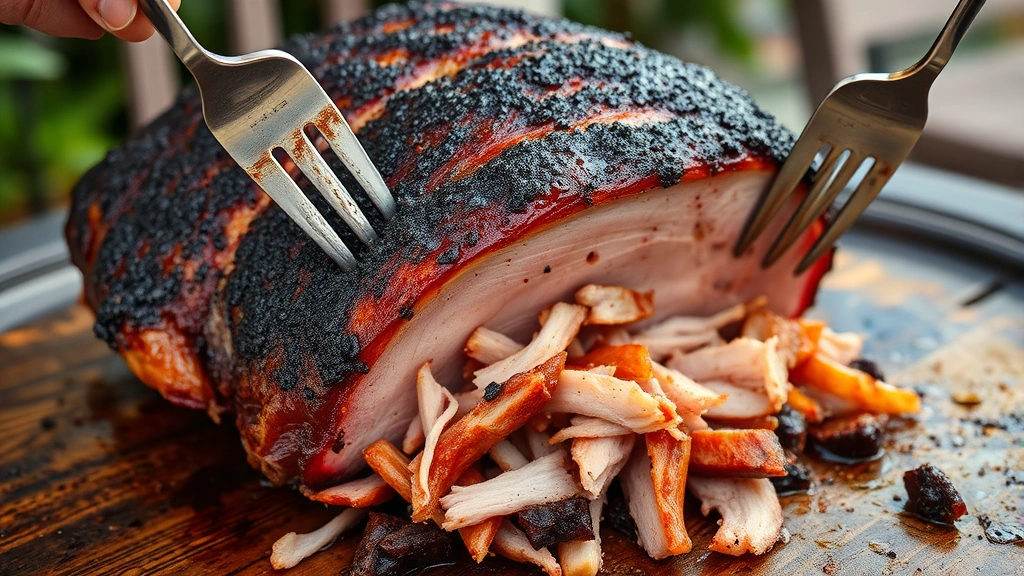
After resting, carefully unwrap the pork butt. The exterior should be dark and crusty with that coveted bark. The interior will release a cloud of steam when you unwrap it—be cautious of burns. Place the pork butt on a large cutting board or serving platter. Using two forks or specialized meat shredding claws, pull the meat apart into bite-sized pieces. The meat should pull apart easily; if it’s resistant, it needs more cooking time.
As you pull the meat, you’ll encounter fat deposits and the occasional piece of skin. Remove the largest pieces of skin, but don’t obsess over eliminating every trace—some rendered fat and skin pieces add flavor and texture to the finished product. Mix the pulled pork thoroughly to distribute the rendered fat and flavorful bark pieces throughout the meat.
If serving immediately, transfer the pulled pork to a serving dish and, if desired, toss with your favorite barbecue sauce. Many pitmasters prefer serving sauce on the side, allowing guests to control the flavor intensity. If you’re preparing ahead, pulled pork stores beautifully in the refrigerator for up to four days or freezes for several months.
For your first smoking experience, don’t be surprised if your timeline differs from these guidelines. Smoker characteristics, meat variation, and environmental factors all influence cooking duration. The beauty of smoking is that you can’t really overcook pork butt—if it reaches 205 degrees, it’s done, regardless of how long it took. This forgiving nature makes pork butt an ideal choice for beginners.
If you’re thinking about expanding your smoking repertoire, how to smoke a turkey follows similar principles but requires different timing and temperature management. And while smoking is about patience and low heat, understanding proper how to sharpen a knife ensures you can properly slice and serve your finished meat with professional presentation.
For those using other cooking equipment, how to season a blackstone covers griddle preparation if you’re interested in expanding your outdoor cooking skills beyond smoking.
Frequently Asked Questions
What’s the difference between pork butt and pork shoulder?
Pork butt and pork shoulder are different cuts from the same general area. Pork butt comes from the upper shoulder and contains more intramuscular fat, making it superior for smoking. Pork shoulder, also called picnic shoulder, comes from lower on the leg and is leaner. For smoking purposes, pork butt is the preferred choice due to its higher fat content and resulting tenderness.
Can I smoke a pork butt in less than 12 hours?
Technically yes, but not recommended for quality results. Increasing temperature to 300 degrees Fahrenheit will accelerate cooking, but you’ll sacrifice bark development and the deep smoke flavor that makes smoked pork special. The low-and-slow approach is fundamental to smoking success. If time is limited, consider starting your smoke the evening before and finishing the next morning, or plan your smoking day accordingly.
Should I use wood chips or chunks?
Chunks produce longer, steadier smoke than chips, which burn quickly and create acrid smoke if not soaked. For long smoking sessions like pork butt, chunks are generally preferred. Common wood choices include hickory for strong flavor, apple for milder sweetness, or oak for balance. Avoid softwoods like pine or fir, which produce creosote and unpleasant flavors.
What’s the best sauce for pulled pork?
This is entirely personal preference. Carolina-style vinegar-based sauces complement the smoke flavor, while Kansas City-style thick, molasses-based sauces add sweetness and richness. Texas styles tend toward minimal sauce, letting the meat shine. Try different styles to discover your preference, and remember that homemade sauces often outperform commercial options.
Can I smoke a pork butt in a gas smoker?
Absolutely. Gas smokers maintain temperature more easily than charcoal models, making them excellent for beginners. The primary disadvantage is that pure smoke flavor may be slightly less pronounced since you’re relying entirely on wood chips or chunks rather than charcoal smoke. Compensate by using quality wood and allowing adequate smoking time.
How do I know if my pork butt is done without a thermometer?
While a thermometer is your most reliable indicator, experienced pitmasters use the probe test—a thin probe inserted into the meat should slide through with minimal resistance, similar to inserting a fork into soft butter. The meat should also have significant color change and bark development. However, investing in an instant-read thermometer eliminates guesswork and is inexpensive insurance against undercooked or overcooked results.
What should I do with leftover pulled pork?
Pulled pork is remarkably versatile. Use it in sandwiches, tacos, nachos, fried rice, or grain bowls. Mix it with barbecue sauce for quick meals, or freeze portions for future use. Properly stored pulled pork lasts four days refrigerated or several months frozen. Reheat gently, adding a splash of liquid to restore moisture if it’s dried slightly during storage.
Why is my pork butt tough and stringy instead of tender and pulled?
This typically indicates insufficient cooking time or temperature. Pork butt needs to reach at least 190 degrees Fahrenheit for proper collagen breakdown. If your meat is tough at lower temperatures, continue cooking. Ensure your thermometer is accurate and you’re measuring in the thickest part of the meat. Additionally, check that your smoker is maintaining consistent temperature—fluctuations can result in uneven cooking.

Related Posts

How Long to Boil Lobster Tails: Cooking Guide

How Long to Fly from New York to London? Travel Times
