
Slicing Brisket Like a Pro: Expert Tips
Slicing Brisket Like a Pro: Expert Tips for Perfect Results
Slicing brisket correctly is the difference between tender, melt-in-your-mouth meat and tough, stringy disappointment. Whether you’re smoking brisket for a backyard barbecue or preparing it for a special dinner, mastering the art of slicing transforms your entire cooking experience. This guide walks you through everything you need to know about how to slice a brisket like a professional pitmaster.
Many home cooks spend hours perfecting their brisket recipe, only to ruin the final product with improper slicing technique. The meat’s grain structure, temperature, and knife choice all play crucial roles in achieving restaurant-quality results. By understanding these fundamentals, you’ll unlock the secrets to impressive presentations and exceptional texture every single time.
Understanding Brisket Grain Structure
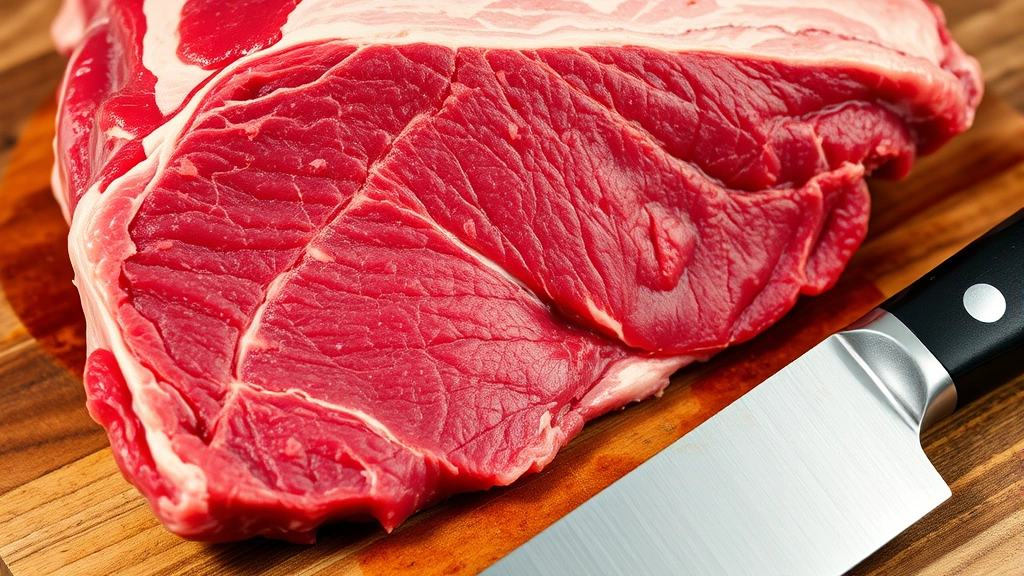
A brisket consists of two distinct muscles with different grain patterns, and this is the most critical factor in achieving perfect slices. The flat and the point have grain running in opposite directions, which means you cannot slice the entire brisket the same way. Understanding this anatomy is fundamental to mastering how to slice a brisket properly.
The flat, which is the larger, leaner section, has grain running lengthwise along the meat. The point, which is smaller and fattier, has grain running at roughly a 90-degree angle to the flat. Professional pitmasters always separate these two muscles before slicing, allowing them to cut against the grain on each piece individually. This separation ensures maximum tenderness because cutting against the grain breaks down the muscle fibers and connective tissue.
To identify the grain direction, look closely at the muscle fibers running through the meat. They’ll appear as thin lines running in one direction. When you cut perpendicular to these lines (against the grain), you’re creating shorter muscle fiber segments that feel more tender when you chew. Cutting with the grain produces longer fibers that can feel tough and chewy, even in perfectly cooked meat.
Examine your brisket carefully before you start slicing. Trace the grain direction with your finger or knife tip. Many people find it helpful to make a small test cut first to confirm the grain direction before committing to full slices. This simple practice prevents wasting meat and ensures consistent results throughout the entire brisket.
Why Temperature Matters When Slicing
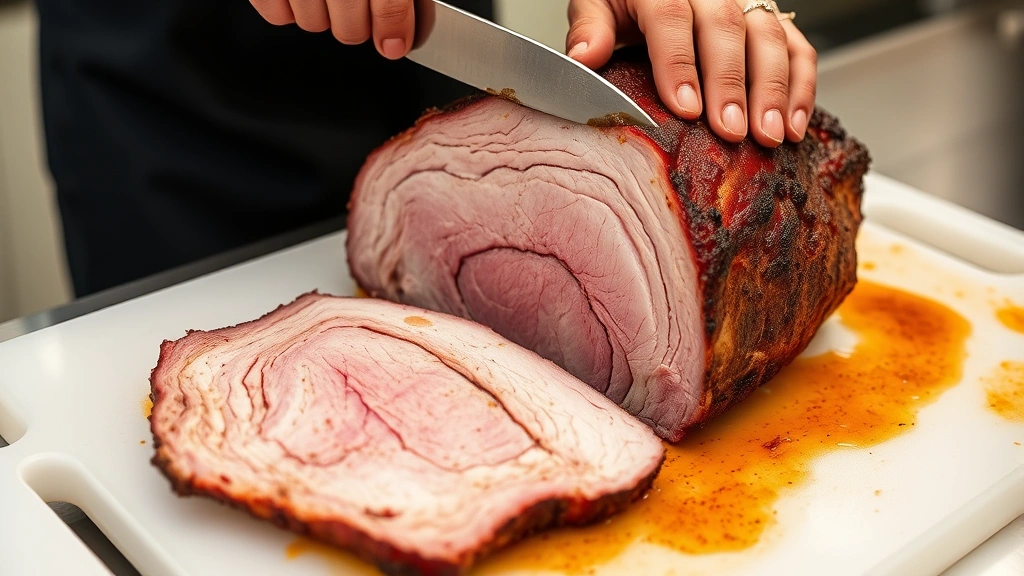
Temperature control is absolutely essential when slicing brisket, yet many home cooks overlook this critical step. A brisket that’s too hot will fall apart and shred, while one that’s too cold will be difficult to cut cleanly and may tear rather than slice. The ideal temperature for slicing is between 160°F and 180°F (71°C to 82°C).
After removing your brisket from the smoker or oven, resist the urge to slice immediately. Allow the meat to rest for 20 to 30 minutes in a warm place. This resting period allows the meat fibers to relax and the juices to redistribute throughout the brisket. During this time, the temperature will naturally decrease to the ideal slicing range. You can tent the brisket loosely with foil to maintain warmth while it rests.
Use a reliable meat thermometer to check the internal temperature before slicing. This takes the guesswork out of the equation and ensures you’re working with meat at the optimal temperature. If your brisket has cooled too much, you can reheat it gently in a 250°F oven for 15 to 20 minutes. Avoid microwaving, as this creates uneven heating and can dry out the exterior.
The moisture content of the meat also affects slicing ability. A properly cooked brisket should have rendered fat and collagen that has turned to gelatin, creating moisture throughout the meat. This moisture helps the slices stay intact and prevents them from crumbling. If your brisket seems dry, it may have been overcooked or not cooked at the proper temperature initially.
Selecting the Right Knife
Your knife choice directly impacts your slicing success. A dull knife will crush the meat fibers, creating a ragged surface and uneven slices, while a sharp knife cuts cleanly through the meat with minimal pressure. For slicing brisket like a pro, you need a specialized tool designed for this exact task.
The ideal knife for brisket slicing is a long, thin-bladed meat slicer or carving knife, typically 10 to 14 inches long. These knives have a narrow blade that allows for long, smooth cutting motions. Some professionals prefer a brisket knife, which is specifically designed with a slightly curved blade that rocks through the meat. The length of the blade allows you to make slices in one or two smooth motions rather than multiple back-and-forth movements that can tear the meat.
Electric meat slicers are excellent tools if you’re processing large quantities of brisket. These machines create uniform slices and reduce hand fatigue. However, they require careful setup and cleanup. For most home cooks, a high-quality manual knife is sufficient and offers more control over slice thickness.
Knife sharpness cannot be overstated. A sharp blade should easily glide through the cooked meat with minimal pressure. If you’re pressing hard or the knife is tearing the meat, it’s time to sharpen. Use a honing steel before each use to maintain the edge, and sharpen your knife with a whetstone or professional sharpening service every few months. A sharp knife is also safer because it requires less pressure and is less likely to slip.
Keep your knife clean and dry throughout the slicing process. Wipe the blade frequently with a clean cloth to remove meat juices and fat. This prevents buildup that can cause slipping and ensures clean, uniform slices. Some people prefer to dip their knife in hot water between slices, which helps it cut more smoothly through the meat.
Preparation Steps Before Slicing
Proper preparation ensures your slicing goes smoothly and produces professional-quality results. Start by setting up your workspace with all necessary tools within arm’s reach. You’ll need your knife, a large cutting board, serving platter, meat thermometer, and clean towels or cloth napkins.
Choose a cutting board that’s large enough to accommodate the entire brisket with room to work. A wooden cutting board is ideal because it provides grip and prevents the meat from sliding around. Some people prefer a plastic board for easier cleanup. Make sure your board is clean and has a groove around the edge to catch juices.
Position your brisket on the cutting board with the fat cap facing up. This orientation makes it easier to identify the grain direction and gives you better control as you slice. If the brisket has cooled significantly, place it in a 250°F oven for 10 to 15 minutes to bring it back to the ideal slicing temperature.
Before making any cuts, take a moment to locate the seam between the flat and the point. This seam is usually visible as a line of fat separating the two muscles. Using a sharp knife, carefully cut along this seam to separate the flat from the point. This step is crucial because it allows you to address each muscle’s grain direction individually.
Once separated, examine each piece carefully to determine the exact grain direction. The flat’s grain typically runs from one end to the other lengthwise. The point’s grain usually runs at an angle. Mark the grain direction mentally or with a light knife scratch to guide your slicing angle.
Proper Slicing Technique
Now that you’ve prepared your brisket, it’s time to execute the actual slicing. The fundamental rule is to cut perpendicular to the grain direction. This means your knife blade should intersect the grain lines at a 90-degree angle for maximum tenderness.
Start with the flat since it’s easier to work with due to its consistent grain direction. Hold the knife at the proper angle—perpendicular to the grain—and position it at one end of the meat. Using a long, smooth motion, draw the knife through the meat in one or two strokes. Avoid the temptation to saw back and forth; instead, let the sharp blade do the work with smooth, deliberate cuts.
Slice thickness is a matter of personal preference, but most professionals recommend 1/4 inch to 1/2 inch slices. Thinner slices showcase the meat’s tenderness, while slightly thicker slices are more substantial and showcase the smoke ring. Use the width of your knife blade as a guide for consistency. After each slice, wipe your knife clean to maintain sharpness and visibility.
As you work through the flat, maintain the same angle throughout. If you notice the grain direction changing as you move toward the end, adjust your knife angle accordingly. Some briskets have slight variations in grain direction, especially near the point. Stay alert and adjust as needed.
When you reach the point, repeat the process with careful attention to its grain direction. The point’s grain typically runs at a different angle than the flat, so you may need to rotate the meat or change your approach. Take your time with the point—it’s fattier and can be trickier to slice cleanly.
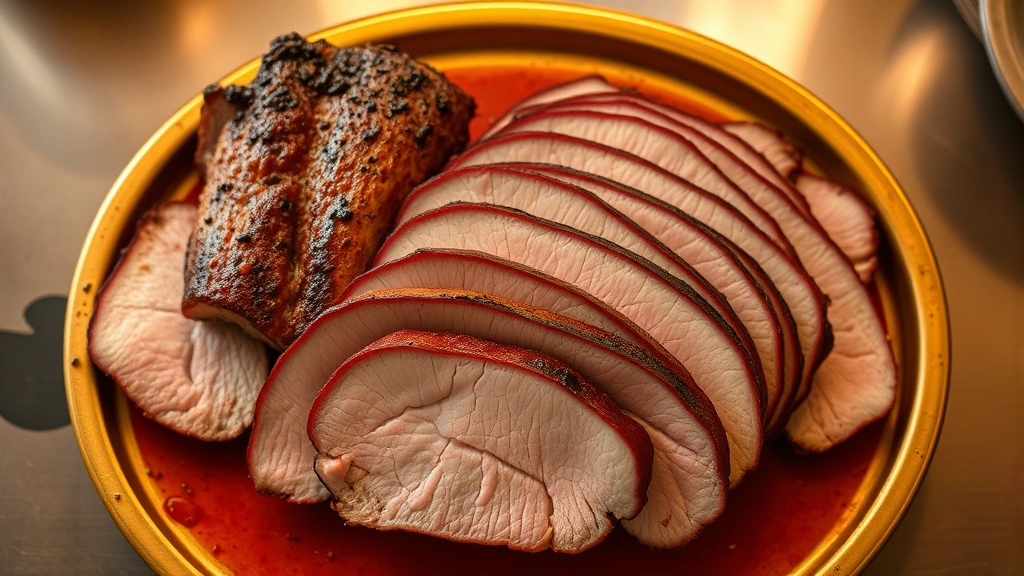
For optimal presentation, arrange your slices on a warm serving platter slightly overlapping. This creates an attractive presentation while keeping the meat warm. Serve immediately with your favorite barbecue sauce or enjoy the meat’s natural flavors.
Common Mistakes to Avoid
Even experienced cooks can make mistakes when slicing brisket. Understanding these common errors helps you avoid them and achieve consistent success. The most frequent mistake is cutting with the grain instead of against it, which results in tough, stringy meat despite perfect cooking.
Another common error is slicing meat that’s too hot or too cold. Meat that’s too hot will fall apart, while meat that’s too cold becomes difficult to cut cleanly. Always allow proper resting time and monitor temperature carefully. Using a meat thermometer eliminates guesswork and ensures optimal results.
Many home cooks fail to separate the flat from the point before slicing. Since these muscles have different grain directions, trying to slice them together inevitably means cutting with the grain on at least one piece. Taking the extra minute to separate them ensures both pieces are sliced correctly.
Dull knives cause more problems than sharp ones. A dull blade crushes meat fibers instead of cutting them cleanly, creating a poor texture and unattractive appearance. Invest in a quality knife and maintain it properly. Our how-to guides include detailed knife maintenance information.
Cutting too thick or too thin is another mistake. Slices that are too thick can be difficult to eat and may not showcase the meat’s tenderness, while slices that are too thin may fall apart or look skimpy on the plate. Aim for consistency and a thickness that works for your intended use.
Failing to keep your knife clean between slices causes buildup that affects cutting performance. Wipe your blade frequently with a clean cloth. Some professionals dip their knife in hot water or wipe it on a damp towel between cuts to maintain optimal performance.
Storage and Serving Tips
Proper storage extends the life of your brisket and maintains its quality. If you’re not serving the brisket immediately after slicing, place the slices on a platter, cover them loosely with foil, and keep them in a warm oven at 200°F. This method keeps the meat warm while allowing steam to escape, preventing the meat from becoming soggy.
For longer storage, let the brisket cool to room temperature, then place slices in an airtight container with some of the cooking liquid or drippings. This keeps the meat moist during refrigeration. Store in the refrigerator for up to 4 days. The cooking liquid acts as a barrier against drying and helps maintain flavor and texture.
To reheat refrigerated brisket slices, place them in a covered baking dish with a small amount of liquid and reheat in a 300°F oven for 10 to 15 minutes. This gentle reheating method prevents drying while warming the meat throughout. Avoid microwaving if possible, as it creates uneven heating.
Brisket also freezes well for extended storage. Place cooled slices in a freezer-safe container with liquid, leaving a small amount of headspace for expansion. Properly stored frozen brisket keeps for up to 3 months. Thaw in the refrigerator overnight before reheating.
For serving, arrange slices on a platter and serve with your favorite sauce on the side. Warm plates before plating to keep the meat at optimal temperature. A comprehensive approach to entertaining includes proper food handling and presentation techniques.
FAQ
What’s the best knife for slicing brisket?
A 10 to 14-inch carving knife or specialized brisket knife is ideal. The long, thin blade allows smooth cutting motions. Electric meat slicers work well for large quantities. Most importantly, keep your knife sharp—a sharp blade is essential for clean slices.
How long should brisket rest before slicing?
Allow 20 to 30 minutes of resting time after cooking. This allows the meat to relax and juices to redistribute. During this time, the temperature naturally drops to the ideal slicing range of 160°F to 180°F. Tent loosely with foil to maintain warmth.
Why is my brisket falling apart when I slice it?
Your meat is likely too hot. Allow it to cool to 160°F to 180°F before slicing. Additionally, if your knife is dull, it may be crushing the meat rather than cutting cleanly. Use a sharp knife and smooth cutting motions for the best results.
Should I slice the flat and point the same way?
No. The flat and point have grain running in different directions. Always separate these two muscles and slice each one perpendicular to its own grain direction. This requires identifying the grain direction for each piece individually.
Can I slice brisket while it’s still hot?
Hot brisket tends to fall apart and shred. The ideal temperature for slicing is 160°F to 180°F. If your brisket is hotter, allow it to rest longer. If it’s cooled too much, reheat gently in a 250°F oven for 15 to 20 minutes.
How thick should I slice brisket?
Most professionals recommend 1/4 inch to 1/2 inch slices. Thinner slices showcase tenderness, while thicker slices are more substantial. Choose based on your preference and intended use. Maintain consistent thickness throughout for professional presentation.
What should I do if I cut with the grain by mistake?
If you realize mid-slicing that you’re cutting with the grain, stop and reorient your knife perpendicular to the grain. Adjust your cutting angle and continue. Pay attention to the grain direction for each piece to prevent this mistake.
How do I keep sliced brisket warm during serving?
Place slices on a platter, cover loosely with foil, and keep in a 200°F oven. This maintains warmth while allowing steam to escape, preventing sogginess. Alternatively, keep slices in a warm baking dish covered with foil until serving time.

Related Posts

Superscript in Google Docs: Expert Tips

Strikethrough in Excel: Easy Steps for Beginners
