
How to Shave Pubic Hair? Tips from Experts
How to Shave Pubic Hair: Expert Tips for Safe and Effective Results
Shaving pubic hair is a personal grooming choice that many people make for comfort, hygiene, or aesthetic reasons. Whether you’re doing this for the first time or looking to improve your technique, proper preparation and the right approach are essential to avoid irritation, ingrown hairs, and cuts. This comprehensive guide covers everything you need to know about safely and effectively shaving pubic hair, drawing on expert recommendations and best practices.
The pubic area is particularly sensitive, with delicate skin that requires special care and attention. Unlike shaving other parts of your body, this region demands a more cautious approach, proper tools, and post-shave maintenance to prevent complications. By following the expert tips in this guide, you’ll achieve smooth results while minimizing discomfort and potential skin issues.
Preparation is Key to Success
Before you even pick up a razor, proper preparation is absolutely critical for a safe and comfortable shaving experience. The pubic area has sensitive skin with hair that’s often coarser than hair on other parts of your body, so taking time to prepare will significantly improve your results and reduce irritation.
Start with a warm bath or shower. Spend at least 5-10 minutes in warm water to soften the hair and open your pores. This step is non-negotiable because warm water makes hair more pliable and easier to cut, reducing the force needed and minimizing tugging. The warmth also relaxes the skin, making the entire process more comfortable. Consider using a gentle exfoliating cloth or soft brush during this time to remove dead skin cells, which helps prevent ingrown hairs later.
After your bath, trim longer hair first using electric clippers or scissors before attempting to shave. If your pubic hair is particularly long or dense, cutting it down to a manageable length (about ¼ inch) with clippers makes the actual shaving process much easier and reduces the likelihood of clogging your razor. This preliminary step prevents the razor from becoming overloaded with hair, which compromises the shave quality and increases irritation risk.
Pat your skin dry but don’t rub aggressively. Leave your skin slightly damp, as this helps the shaving cream spread more effectively. A completely dry surface makes it harder for cream to adhere properly, while soaking wet skin can make it difficult to see what you’re doing and may cause the razor to slip.
[IMAGE_1]
Choosing the Right Tools and Products
Selecting appropriate tools and products is fundamental to achieving safe, effective results. The wrong equipment can lead to cuts, razor burn, and ingrown hairs, so invest in quality items specifically designed for sensitive areas.
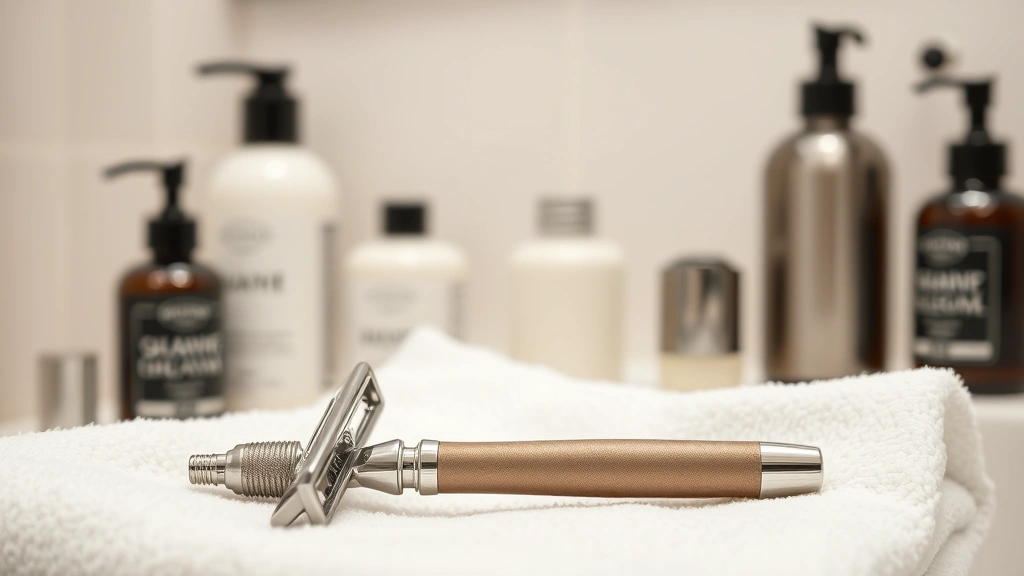
Razor selection matters tremendously. Choose a sharp, clean razor with multiple blades designed for sensitive skin. Many experts recommend using a women’s razor for pubic shaving because they typically have:
- Moisturizing strips that reduce friction and irritation
- Protective guards that prevent nicks
- Ergonomic handles for better control
- Closer blade spacing suitable for sensitive areas
Replace your razor frequently—after 5-7 uses or whenever it feels dull. A dull blade requires more pressure, increasing irritation and ingrown hair risk. Never use a razor that’s been dropped or damaged, as microscopic imperfections can cause skin damage. Keep your razor clean between uses by rinsing thoroughly and storing it in a dry location away from moisture, which promotes bacterial growth.
Invest in a quality shaving cream or gel formulated for sensitive skin. Look for products that contain:
- Moisturizing ingredients like aloe vera or glycerin
- Soothing compounds such as chamomile or tea tree oil
- Hypoallergenic formulations without harsh chemicals
- Products specifically labeled for intimate areas
Avoid shaving foams with alcohol, which dries skin and increases irritation. A good shaving cream should create a protective barrier between your skin and the blade while keeping hair soft and lubricated. If you have particularly sensitive skin, consider using coconut oil or a dedicated intimate area product as an alternative to traditional shaving creams.
Have a good moisturizer ready. After shaving, your skin needs hydration and soothing ingredients. Choose fragrance-free, hypoallergenic moisturizers or dedicated post-shave balms. Aloe vera gel works exceptionally well for immediate post-shave care, reducing inflammation and providing cooling relief.
Step-by-Step Shaving Technique
Once you’ve prepared properly and gathered the right tools, the actual shaving technique is straightforward when you follow these expert-recommended steps carefully.
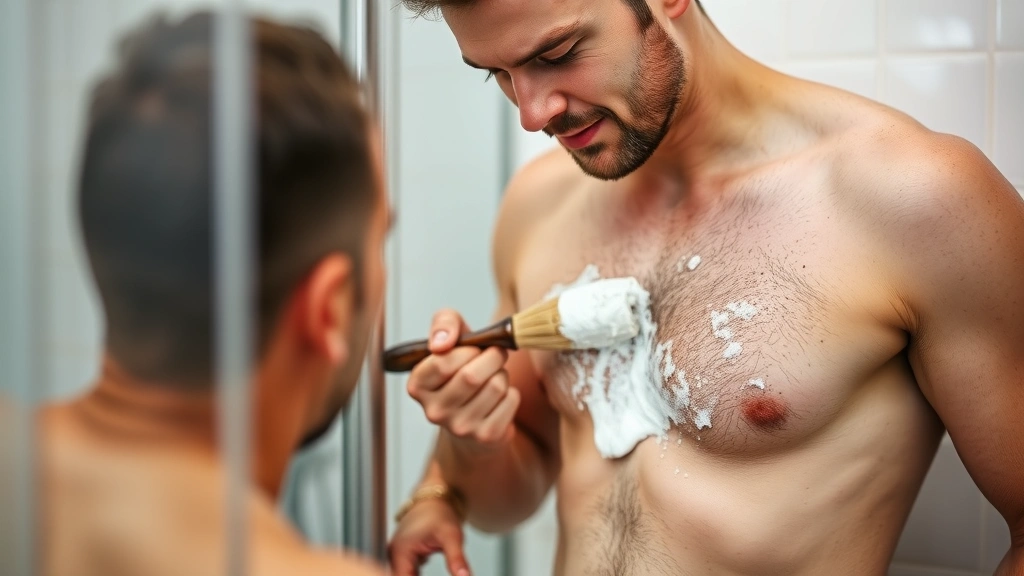
Step 1: Apply shaving cream generously. Use enough product to create a thick, protective layer over the area you’ll be shaving. The cream should completely cover all hair and provide lubrication for the blade. Let it sit for 1-2 minutes to further soften the hair. This waiting period is when the cream’s conditioning ingredients do their work, making hair even easier to cut.
Step 2: Stretch your skin gently. Use your non-dominant hand to stretch the skin taut, which creates a smooth surface and helps the razor glide more effectively. This also prevents the blade from catching on loose skin, which causes cuts and irritation. Be gentle—you’re not trying to pull the skin tight, just create a stable surface for the blade.
Step 3: Shave in the direction of hair growth. This is perhaps the most important rule for preventing ingrown hairs and irritation. Hair grows in different directions in the pubic area, so pay attention to the growth pattern. Shave downward on the mons pubis, and adjust your direction as needed for other areas. Shaving against the grain provides a closer shave but significantly increases irritation risk and ingrown hair formation, so avoid this approach in sensitive areas.
Step 4: Use light pressure and short strokes. Let the razor do the work—don’t press hard or make long, sweeping motions. Use gentle, short strokes with minimal pressure, allowing the blade’s weight to do the cutting. Heavy pressure increases nicks, cuts, and irritation. If you need to go over an area multiple times, reapply shaving cream between passes.
Step 5: Rinse frequently. Rinse your razor under warm running water after every 2-3 strokes to remove hair buildup and cream. A clogged razor won’t cut effectively and requires more pressure, increasing irritation. Keep a cup of warm water nearby for quick rinses if you’re not near a sink.
Step 6: Take your time. Rushing leads to cuts, nicks, and missed spots. Plan to spend 10-15 minutes on this task, allowing yourself to work carefully and methodically. There’s no benefit to speed when dealing with sensitive areas.
Step 7: Final rinse with cool water. After you’ve finished shaving, rinse thoroughly with cool water to close pores and reduce inflammation. Pat dry gently with a clean towel, leaving skin slightly damp for moisturizer application.
Post-Shave Care and Maintenance
What you do after shaving is just as important as the shaving process itself. Proper aftercare prevents irritation, ingrown hairs, and infection while keeping your skin healthy and comfortable.
Immediate post-shave care (first 30 minutes): Apply a soothing moisturizer or aloe vera gel immediately after shaving while skin is still slightly damp. This locks in moisture and soothes any irritation. Look for products with anti-inflammatory ingredients. Avoid applying deodorant, perfumed products, or other chemicals to the freshly shaved area, as these can cause irritation or infection.
For the first 24 hours: Avoid tight clothing that might irritate freshly shaved skin. Wear loose, breathable cotton underwear instead. Skip hot baths, saunas, and swimming, as heat and chlorine can irritate the area. Also avoid sexual activity for at least 24 hours to allow skin to fully recover. Don’t apply makeup, fragrant lotions, or other products to the area.
Daily maintenance: Once initial irritation has subsided, continue moisturizing the area daily. Exfoliate gently 2-3 times per week using a soft washcloth or dedicated exfoliating product to prevent ingrown hairs. Keep the area clean and dry, changing underwear if it becomes damp or sweaty.
Preventing ingrown hairs: Ingrown hairs occur when hair grows back into the skin instead of out through the surface. Prevent this by:
- Always shaving in the direction of hair growth
- Exfoliating regularly to remove dead skin buildup
- Keeping skin well-moisturized
- Avoiding tight clothing that traps hair
- Reading expert guides on proper grooming techniques for additional tips
Troubleshooting Common Issues
Even with proper technique, you might encounter some challenges. Here’s how to address the most common problems.
Razor burn and irritation: If you experience redness, burning, or discomfort, immediately apply cool compresses and aloe vera gel. Avoid further shaving until the irritation subsides completely (typically 24-48 hours). In the future, use less pressure, replace your razor more frequently, and ensure you’re using an appropriate shaving cream. Consider switching to an electric trimmer if irritation persists.
Ingrown hairs: These appear as small, painful bumps where hair grows back into the skin. Prevent them by exfoliating regularly and always shaving with the grain. If you already have ingrown hairs, apply warm compresses to soften the area, then gently exfoliate. Never pick or squeeze ingrown hairs, as this causes infection. If they become infected or severely inflamed, consult a healthcare provider.
Cuts and nicks: Minor cuts usually stop bleeding within a few minutes with gentle pressure. Apply a clean cloth and maintain pressure for 2-3 minutes. Avoid touching the area and apply antibiotic ointment if the cut is significant. If bleeding doesn’t stop or the cut is deep, seek medical attention. Prevent cuts by using proper technique, maintaining sharp razors, and taking your time during shaving.
Bumps and pimples: Post-shave bumps often result from irritation or infection. Prevent them with proper aftercare, clean razors, and appropriate shaving cream. If bumps appear, apply warm compresses and avoid further irritation. Don’t apply heavy lotions or makeup to the area. Most bumps resolve within a few days with proper care.
Alternative Hair Removal Methods
If shaving causes persistent problems or doesn’t provide the results you want, several alternatives are available, each with distinct advantages and disadvantages.
Electric trimmers: These provide a quick, safe option that cuts hair at skin level without the irritation of wet shaving. They’re ideal for people with sensitive skin or those prone to ingrown hairs. Results aren’t as smooth as shaving but last longer than trimming with scissors. No shaving cream needed, and the risk of cuts is minimal.
Depilatory creams: These chemical-based products dissolve hair at the skin surface. They’re painless and provide smooth results, but the chemical smell is strong and they can cause allergic reactions. Always do a patch test first. Results last 3-7 days. These aren’t ideal for sensitive areas due to potential irritation.
Waxing: Professional waxing provides smooth results lasting 3-6 weeks by removing hair from the root. It’s painful, expensive, and requires professional application for the sensitive pubic area. The risk of burns or irritation exists if done incorrectly. After waxing, avoid sun exposure, heat, and friction for 24 hours.
Sugaring: Similar to waxing but uses a natural sugar paste. It’s gentler on skin, less painful, and the paste is water-soluble for easy cleanup. Results last similarly to waxing (3-6 weeks). This method is gaining popularity due to its gentler nature and natural ingredients.
Laser hair removal: Professional laser treatments provide long-term results by targeting hair follicles. Multiple sessions are required, and results vary based on skin tone and hair color. It’s expensive but offers the longest-lasting results. Works best on dark hair and lighter skin. Consult a dermatologist to determine if you’re a good candidate.
Electrolysis: This permanent hair removal method uses electrical current to destroy individual hair follicles. It’s time-consuming and expensive but provides permanent results. It works on all hair and skin types, making it ideal for people with darker skin tones where laser treatment may be less effective.
FAQ
How often should I shave my pubic hair?
This depends on your personal preference and hair growth rate. Most people shave every 3-7 days to maintain smooth skin. Hair typically regrows within 1-3 days, but you can wait longer if you prefer. Pay attention to your skin’s response—if you experience frequent irritation, extend the time between shaves.
Can I use the same razor for my face and pubic area?
It’s not recommended. Use separate razors for different body areas to prevent transferring bacteria and irritation. The pubic area requires different care than facial skin, and using dedicated razors helps prevent infection and ensures optimal results for each area.
What’s the best way to prevent ingrown hairs?
Always shave in the direction of hair growth, exfoliate regularly 2-3 times weekly, keep skin well-moisturized, and avoid tight clothing. If you’re prone to ingrown hairs, consider switching to an electric trimmer or alternative hair removal methods that are gentler on skin.
Is it normal to experience itching after shaving?
Some itching is normal as hair regrows, but excessive itching indicates irritation. Apply moisturizer and cool compresses to relieve itching. If it persists beyond a few days, consult a healthcare provider. Prevent excessive itching by using proper technique, appropriate shaving cream, and good aftercare.
Can men shave their pubic hair safely?
Yes, the same principles apply regardless of gender. Men should follow identical preparation, technique, and aftercare steps. Male pubic hair is often coarser, so extra attention to softening hair with warm water and quality shaving cream is important. Electric trimmers may be particularly suitable for male grooming.
How do I know if my razor is dull?
A dull razor requires more pressure, causes tugging sensations, and increases irritation and nicks. If you need to go over an area multiple times or feel resistance, it’s time to replace your razor. Replace razors every 5-7 uses or after 1-2 weeks of regular use.
Should I use shaving cream or soap?
Always use dedicated shaving cream or gel rather than soap. Soap strips natural oils from skin, causing excessive dryness and irritation. Quality shaving creams contain conditioning ingredients that protect skin and keep hair soft, providing a superior shaving experience.
What should I do if I get a cut while shaving?
Apply gentle pressure with a clean cloth for 2-3 minutes to stop bleeding. Clean the area with mild soap and water, then apply antibiotic ointment. Avoid irritating the area further and monitor for signs of infection. For deep cuts that won’t stop bleeding, seek medical attention.
Is it safe to shave while pregnant?
Yes, shaving during pregnancy is safe when done carefully. Use proper technique and be extra gentle as skin may be more sensitive. If you have difficulty reaching the area, consider electric trimmers or professional waxing. Consult your healthcare provider if you have concerns or experience unusual irritation.
Can I use my partner’s razor?
No, avoid sharing razors due to hygiene and infection risks. Each person should have their own dedicated razor. Sharing razors can transfer bacteria, viruses, and skin conditions between partners.

Related Posts

Superscript in Google Docs: Expert Tips

Strikethrough in Excel: Easy Steps for Beginners
