

How to Season a Turkey: Expert Guide
How to Season a Turkey: Expert Guide to Flavorful Perfection
There’s something undeniably magical about pulling a perfectly seasoned turkey from the oven. The golden skin crackles under your knife, and the aroma that fills your kitchen tells everyone gathered around your table that something extraordinary is about to happen. But here’s the truth nobody talks about: achieving that restaurant-quality turkey at home has less to do with luck and more to do with understanding the fundamentals of seasoning.
Most home cooks approach turkey seasoning as an afterthought, sprinkling salt and pepper minutes before roasting and hoping for the best. That’s where they go wrong. Seasoning a turkey is an art form that begins days before it hits the oven and involves layering flavors in strategic ways. Whether you’re preparing your first holiday feast or you’ve been doing this for decades, this guide will walk you through techniques that transform an ordinary bird into something your guests will still be talking about next month.
The beauty of learning how to season a turkey properly is that once you master these methods, you’ll apply them to everything from how to season salmon to other proteins you cook throughout the year. It’s about building confidence in your kitchen and understanding why certain techniques work better than others.
Choosing Your Seasoning Foundation
Before you even think about reaching for the spice rack, you need to understand what makes a seasoning foundation work. Salt is your starting point—not just any salt, but kosher salt. The larger crystals of kosher salt dissolve more slowly than table salt, giving you better control over how much seasoning actually penetrates the meat. Table salt’s fine granules can make turkey taste metallic if you’re not careful, and that’s a flavor mistake that’s hard to recover from.
Think about salt as your base layer. It doesn’t just add saltiness; it breaks down proteins and helps the turkey retain moisture during roasting. This is why how to smoke a turkey guides emphasize salt application—it’s foundational to any cooking method. Aim for about one and a half teaspoons of kosher salt per pound of turkey.
Beyond salt, your foundation should include black pepper, but not the pre-ground stuff gathering dust in your cabinet. Fresh cracked pepper has volatile oils that haven’t evaporated, delivering actual peppery flavor rather than dusty notes. Add garlic powder and onion powder to this base—these are your workhorse seasonings that add savory depth without being obvious. One teaspoon of each per bird works beautifully.
Now comes the creative part. Dried herbs like thyme, sage, and oregano are classics for a reason. They pair naturally with turkey and won’t compete with other holiday dishes. If you want to get fancy, add a quarter teaspoon of smoked paprika for subtle complexity and a touch of cayenne pepper for barely-there heat that makes people wonder what your secret is.
The Dry Brine Method: The Game Changer
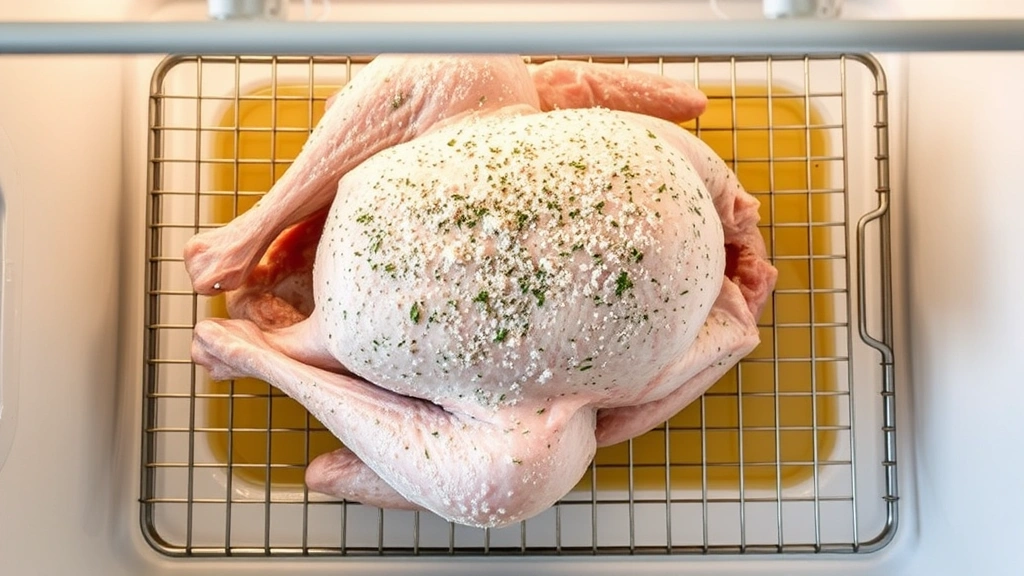
If you remember nothing else from this guide, remember the dry brine method. This technique separates mediocre turkeys from exceptional ones, and it’s embarrassingly simple to execute. The concept is straightforward: coat your turkey inside and out with your seasoning mixture and let it sit uncovered in the refrigerator for one to three days before roasting.
Here’s why this works so dramatically better than last-minute seasoning. When salt sits on the turkey’s surface, it initially draws out moisture. But as time passes—and this is the magic part—that salty liquid reabsorbs into the meat, carrying seasoning deep into the tissue. The skin also dries out slightly, which means it’ll crisp up beautifully in the oven rather than steaming. You’re essentially pre-seasoning the turkey at a cellular level.
Start by patting your thawed turkey completely dry with paper towels. Moisture is the enemy of crispy skin, so take your time here. Mix your salt, pepper, garlic powder, onion powder, herbs, and paprika in a small bowl. Loosen the skin around the turkey’s legs and thighs by sliding your fingers between the skin and meat—this takes about thirty seconds and makes a huge difference. Rub about a third of your seasoning mixture under the loosened skin, working it into the meat.
Rub the remaining seasoning all over the outside of the bird, getting into every crevice. Don’t be shy here; you’ve already calculated the right amount. Place the turkey on a roasting rack (not directly on the pan) and slide it into the refrigerator uncovered. That uncovered part is crucial—you want air circulation to help dry out the skin. After one to three days, your turkey will have transformed into something that looks almost bronze and feels firmer than when you started.
Working Butter Under the Skin
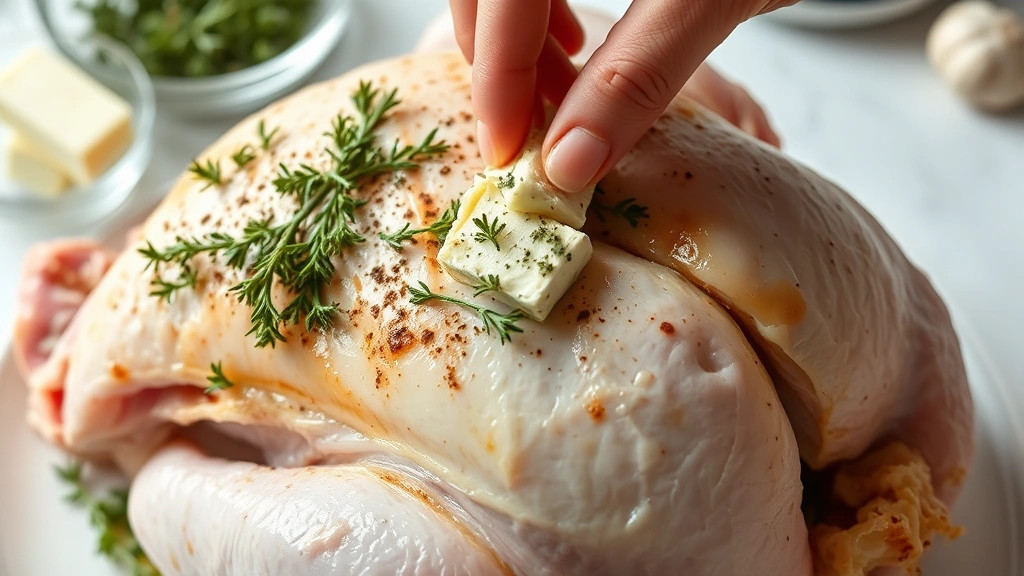
While your turkey is dry brining, prepare compound butter—one of the easiest ways to add incredible flavor. Take unsalted butter and let it soften to room temperature. Mix in fresh herbs like chopped thyme, sage, and parsley. Add minced garlic, a pinch of salt, and cracked pepper. Some cooks swear by adding lemon zest for brightness or even a tiny bit of truffle oil for luxury.
About two hours before roasting, carefully slide your fingers under the skin of the turkey’s breasts, working from the neck cavity. You’re creating pockets for the butter. Divide your compound butter into portions and tuck it under the skin, distributing it evenly. This butter will melt during roasting, seasoning the meat from the inside while keeping it moist and tender.
The same technique applies when you’re interested in how to smoke a pork butt or other large proteins—compound butter is a universal flavor amplifier. The key is working gently so you don’t tear the delicate skin. If you do tear it, don’t panic; a little overlap and you’ll never know it happened once the bird is roasted.
Stuffing and Cavity Seasonings
The turkey’s cavity is real estate you shouldn’t ignore. Even if you’re not making traditional stuffing, you can season this space strategically. Stuff the main cavity loosely with aromatics: halved onions, celery chunks, fresh herb sprigs, and lemon halves. These don’t go into your body; they’re there to season the turkey from the inside as it roasts. The onions and celery create a flavorful steam environment, while the lemon adds brightness.
If you are making stuffing, pack it loosely into the cavity (remember, it expands as it cooks). Season your stuffing mixture generously before stuffing—don’t rely on the turkey’s seasoning to flavor your dressing. Consider how to make brown gravy as part of your overall seasoning strategy; that gravy will tie all your flavors together, so the cavity seasoning should complement those eventual flavors.
For the neck cavity, tuck in a few herb sprigs and perhaps some garlic cloves. These small touches accumulate into a cohesive flavor profile that makes people compliment your cooking without quite knowing why it tastes so good.
Injection Techniques for Deep Flavor
Meat injections might sound intimidating, but they’re just seasoned liquid delivered directly into the meat. You’ll need a meat injector (available at any kitchen supply store for fifteen to twenty dollars). Fill it with a mixture of melted butter, chicken broth, and your seasonings—think garlic, thyme, a pinch of cayenne, and salt.
Starting about two hours before roasting, inject this mixture into various points throughout the turkey: the thighs, the breasts, and the legs. Each injection should deliver about a quarter-ounce of liquid. The turkey will absorb this seasoned liquid, creating incredibly moist, flavorful meat that stays tender even if you accidentally overcook it slightly.
This technique is particularly valuable if you’re planning to smoke a turkey, where the extended cooking time can sometimes dry out the meat. The injected seasoning keeps the interior flavorful throughout the process.
Timing Your Seasoning Application
The timeline matters more than most cooks realize. Here’s the optimal schedule:
- Three days before roasting: Begin your dry brine with salt and dried seasonings
- Two days before roasting: Prepare compound butter and refrigerate
- One day before roasting: Stuff the cavity with aromatics if desired
- Two hours before roasting: Apply compound butter under the skin and inject marinade
- Thirty minutes before roasting: Remove turkey from refrigerator to bring to room temperature
- During roasting: Baste every thirty minutes with pan drippings (optional but enhances flavor)
This timeline isn’t set in stone, but it’s designed to layer flavors efficiently. If you forget the three-day dry brine, even one day makes a difference. If you’re short on time, at minimum apply seasoning inside and out right before roasting—it’s better than nothing, though you’ll miss the moisture-retention benefits of the dry brine.
Complementary Seasonings for Sides
Your turkey’s seasoning shouldn’t exist in isolation. Think about the entire meal as a unified flavor experience. If you’ve gone savory and herbaceous with your turkey, your sides should complement rather than compete. How to make yum yum sauce might sound untraditional, but understanding flavor balance principles applies everywhere.
Season your vegetable sides with similar herbs—thyme, sage, rosemary. This creates visual and flavor continuity across the table. If you’re making mashed potatoes, incorporate some of the same seasonings you used on the turkey. Your gravy should echo these flavors too, using the turkey drippings as its base.
This cohesive approach to seasoning the entire meal shows sophistication and planning, even if it’s actually quite simple to execute. Guests will taste the difference in how everything works together rather than feeling like disparate dishes.
Frequently Asked Questions
Can I season my turkey if it’s still frozen?
You can apply dry seasoning to a frozen turkey, but the seasoning won’t penetrate as effectively as with a thawed bird. The dry brine method specifically requires a thawed turkey since you need the salt to draw out and reabsorb moisture. Always thaw your turkey in the refrigerator (allowing about twenty-four hours per four to five pounds) before attempting any seasoning method.
Is kosher salt really necessary, or can I use table salt?
You can use table salt, but reduce the amount by about twenty-five percent since it’s denser and saltier by volume. Kosher salt’s larger crystals give you more control, making it easier to avoid over-salting. Once you’ve cooked with kosher salt, you’ll probably never go back to table salt for seasoning meat.
What if I want a more adventurous seasoning profile?
Turkey is surprisingly versatile. Try Moroccan spices like cinnamon, cumin, and coriander. Asian-inspired seasonings work too—consider five-spice powder, ginger, and garlic. Mediterranean profiles with oregano, marjoram, and lemon are excellent. The key is committing to a flavor direction rather than randomly mixing spices. Choose a profile and let all your seasonings support that theme.
Can I season a turkey the morning of cooking?
Yes, though you’ll sacrifice some benefits. Apply seasoning at least two to four hours before roasting to allow some penetration. The skin won’t dry out as much as with longer dry brining, so it might not crisp quite as dramatically, but the turkey will still taste good. This is your fallback plan if you’ve forgotten to plan ahead.
How do I know if I’ve overseasoned my turkey?
Taste a tiny piece of the raw meat if you’re worried. If it tastes too salty, you’ve gone too far. Remember that salt perception intensifies during cooking, so what seems slightly salty raw will taste properly seasoned cooked. If you do oversalt, you can’t fix it, so err on the side of caution. It’s easier to add more seasoning than to remove it.
Should I season the inside and outside differently?
You can, but consistency is easier and works beautifully. Using the same seasoning profile inside and out creates harmony. The inside will be slightly more subtle since it’s not exposed to direct heat, but the same herbs and spices work throughout. If you want variation, keep the base seasonings identical and add different aromatics to the cavity.
What’s the best way to season if I’m smoking a turkey instead of roasting?
The dry brine method is even more valuable for smoking since the extended low-temperature cooking can dry out meat. Apply your dry brine, use compound butter under the skin, and consider injecting marinade. The smoke itself adds another flavor layer, so you might want slightly less dried herb seasoning to avoid overwhelming the smoke flavor. Many smoking guides recommend balancing seasoning with the smoke profile you’re using.

Related Posts

How Long to Boil Lobster Tails: Cooking Guide

How Long to Fly from New York to London? Travel Times
