
How to Roast Chestnuts: Expert Guide
How to Roast Chestnuts: Expert Guide
There’s something almost magical about the aroma of roasting chestnuts wafting through your home during the cooler months. Unlike many nuts that require elaborate preparation, chestnuts offer a surprisingly straightforward path from raw to roasted perfection. Whether you’re planning a cozy gathering, looking to impress guests, or simply craving that nostalgic, slightly sweet flavor, mastering the art of roasting chestnuts transforms a simple ingredient into something genuinely special.
The beauty of roasting chestnuts lies in its accessibility. You don’t need fancy equipment or professional culinary training. What you do need is understanding the fundamentals—from selecting quality chestnuts to mastering the timing that separates perfectly tender nuts from overcooked disappointments. This guide walks you through every step, ensuring your first attempt rivals those of seasoned chestnut enthusiasts.
Roasting chestnuts isn’t merely about following instructions; it’s about developing an intuition for the process. The slight crackling sounds, the changing aroma, the visual cues—these elements guide you toward success far better than any rigid timeline.
Selecting and Preparing Quality Chestnuts
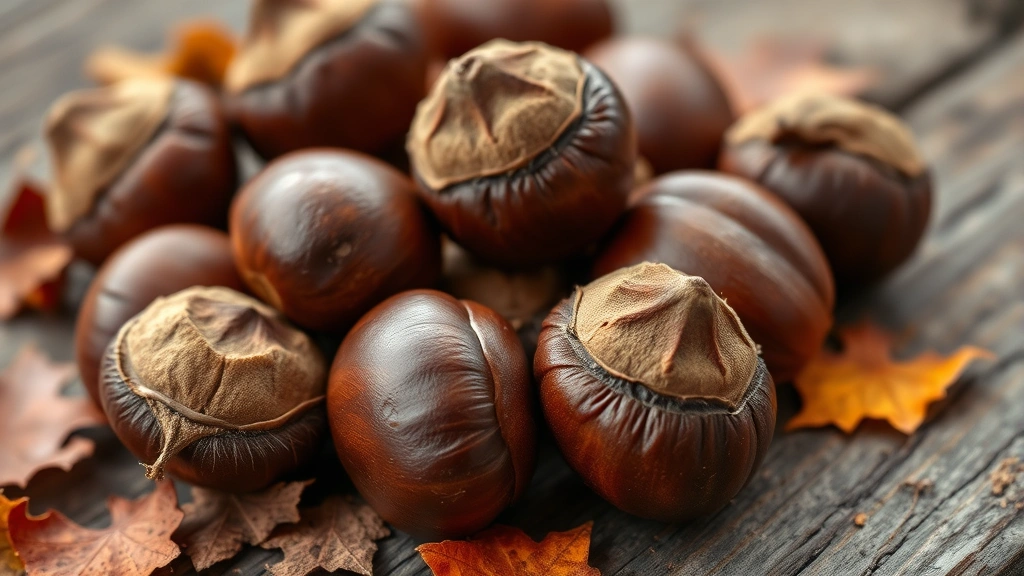
The foundation of exceptional roasted chestnuts begins at the market. Unlike their shelf-stable cousins, fresh chestnuts demand careful selection. Look for nuts that feel firm and heavy for their size—lightness often indicates dried-out interiors or insect damage. The shell should display a deep brown color with minimal blemishes or soft spots. Avoid chestnuts that rattle when shaken; this typically means the meat has separated from the shell, resulting in a disappointing texture.
When you bring chestnuts home, store them in a cool, well-ventilated space. A perforated paper bag in your refrigerator works beautifully, allowing air circulation while maintaining optimal humidity. Fresh chestnuts can last several weeks this way, though using them within a few days of purchase ensures peak flavor and texture.
Before roasting, preparation is crucial. Rinse chestnuts under cool running water, scrubbing away any debris. Pat them completely dry—moisture on the exterior can create steam that interferes with proper roasting. Now comes the most important step: scoring. Using a sharp knife or specialized chestnut knife, make a deliberate X-shaped cut on the flat side of each nut. This cut serves a vital purpose: it allows steam to escape gradually during roasting and makes peeling significantly easier afterward. Don’t be timid with this step; a shallow cut won’t provide sufficient relief. The cut should penetrate through the outer shell but not so deeply that you damage the inner meat.
Roasting Methods: Finding Your Perfect Approach
Several legitimate approaches exist for roasting chestnuts, each with distinct advantages. Your choice depends on available equipment, desired convenience, and the atmosphere you want to create. Think of it like comparing methods for grilling burgers—the fundamentals remain consistent, but execution varies based on your setup and preferences.
The Oven Method
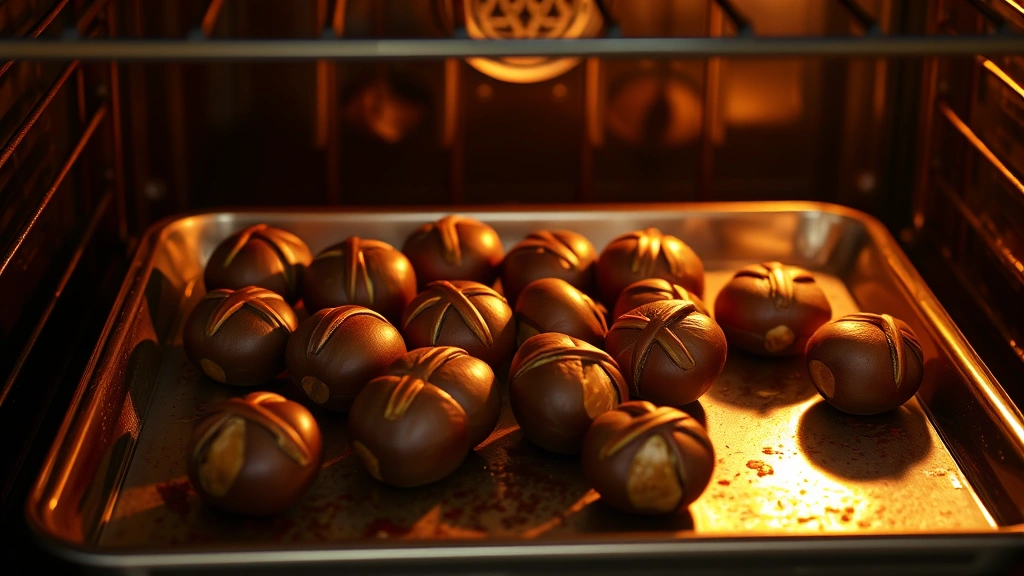
The oven approach represents the most controlled and reliable technique for most home cooks. Preheat your oven to 400°F (200°C). While it heats, arrange your scored chestnuts in a single layer on a baking sheet, cut-side up. This positioning allows heat to penetrate the scoring, facilitating steam release and ensuring even cooking.
Place the baking sheet in the preheated oven and roast for approximately 20-30 minutes. The exact timing depends on chestnut size and your oven’s particular quirks. Smaller nuts may finish in 20 minutes, while larger specimens might need the full 30. You’ll recognize doneness through several indicators: the shell begins separating from the meat, the cut opens slightly, and a rich, toasted aroma fills your kitchen. Some of the inner skin may also peel back naturally.
Remove the baking sheet from the oven using appropriate protection—these nuts are incredibly hot. Here’s a pro tip: wrap the entire baking sheet in a clean kitchen towel for about five minutes. This gentle steaming helps the inner skin separate from the meat, making peeling exponentially easier. After this resting period, peel while still warm. The meat should come away cleanly if timing was correct.
Stovetop Roasting
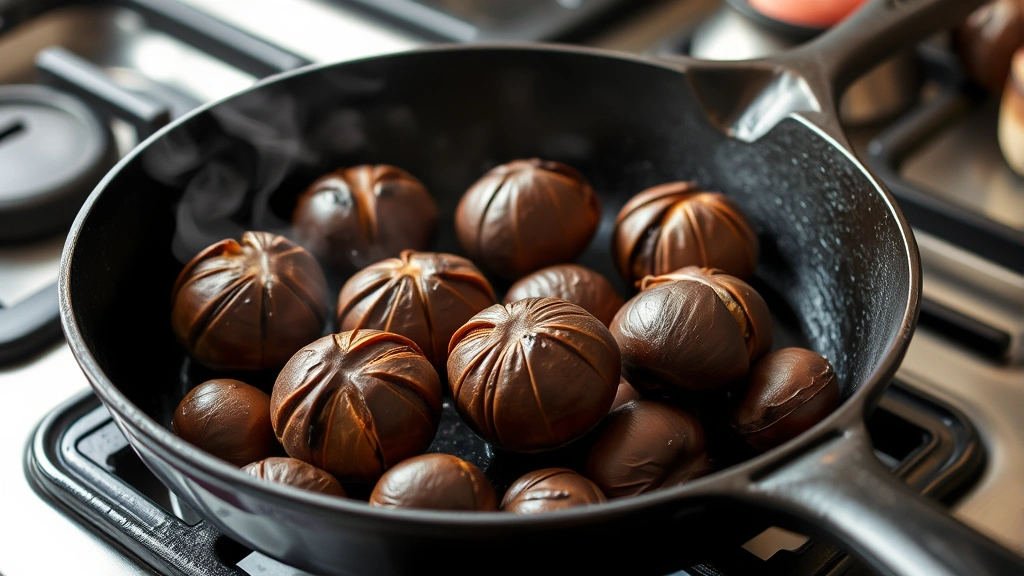
For those without oven access or preferring hands-on involvement, stovetop roasting delivers excellent results. Use a heavy-bottomed skillet or cast iron pan—these distribute heat evenly and prevent hot spots that could scorch your chestnuts. Heat the pan over medium-high heat for about two minutes before adding your scored nuts.
Place chestnuts in the pan with the cut-side down, working in batches if necessary to avoid overcrowding. This method resembles the technique used when smoking a pork butt in that it requires patience and attention to heat management. Roast for approximately 15-20 minutes, occasionally shaking the pan to ensure even heat distribution. Listen for gentle crackling sounds—this indicates proper progress. The shell should darken noticeably, and the X-cut will open slightly.
The stovetop method offers a significant advantage: you can monitor progress directly and adjust heat as needed. If nuts seem to be browning too quickly, reduce heat slightly. If progress seems slow, increase it incrementally. This hands-on control appeals to many enthusiasts who enjoy direct involvement in their cooking.
Outdoor Fire Roasting
Nothing captures the romance of chestnut roasting quite like outdoor fire roasting. This traditional method, immortalized in countless songs and stories, transforms the experience into something memorable. You’ll need a specialized chestnut roasting pan—a shallow metal pan with small holes that allow heat circulation while preventing nuts from falling into the fire.
Hold the pan over hot coals or a gas flame at a comfortable distance, approximately 6-8 inches away. You want gentle, consistent heat rather than intense flame. Shake the pan frequently—roughly every minute—to ensure even roasting and prevent sticking. This process typically takes 15-25 minutes, depending on heat intensity and nut size. The shell will darken, the cut will open, and that unmistakable aroma will announce readiness.
Outdoor roasting requires more attention than oven methods but rewards you with superior flavor development and an authentic experience. The direct flame imparts subtle smokiness that many consider worth the extra effort.
Common Issues and Solutions
Even with careful attention, occasional challenges arise. If your chestnuts remain stubbornly difficult to peel after roasting, return them to the oven at 350°F for five additional minutes. This gentle reheating often loosens the inner skin enough to facilitate peeling. Alternatively, try blanching them briefly in hot water—the steam helps separate skin from meat.
Chestnuts that taste bitter or burnt indicate excessive heat or prolonged roasting. Next time, reduce temperature slightly or shorten timing by a few minutes. Conversely, if nuts taste starchy and lack sweetness, they haven’t roasted sufficiently. This situation doesn’t require waste; return them to heat for an additional 5-10 minutes.
If you encounter moldy or discolored interior meat, discard those nuts immediately. This indicates pre-existing damage or insect infestation that slipped past your initial inspection. It’s an unfortunate occasional reality with chestnuts, similar to how quality control matters when seasoning salmon or any fresh ingredient.
Storage and Serving Suggestions
Roasted chestnuts taste best consumed fresh, but proper storage extends enjoyment. Allow completely cooled nuts to rest in an airtight container in your refrigerator for up to five days. Reheating in a 300°F oven for five minutes restores much of their original texture and warmth.
For longer storage, freeze roasted, peeled chestnuts in freezer bags for up to three months. Thaw in the refrigerator before reheating. Many people also enjoy puréing roasted chestnuts into spreads or incorporating them into soups—applications that work well even if the texture isn’t perfect for eating plain.
Consider pairing roasted chestnuts with complementary flavors. A light drizzle of honey, sea salt, or cinnamon elevates them beautifully. They pair wonderfully with roasted vegetables or as a sophisticated addition to cheese boards. Think of them as you would when boiling chicken—a versatile base ingredient that takes on whatever flavors you introduce.
For entertaining, present roasted chestnuts in small paper cones or rustic bowls. The presentation transforms them from simple snack to elegant offering. Guests appreciate the novelty and effort involved, particularly if they’ve never experienced truly fresh roasted chestnuts.
Creative applications extend beyond simple enjoyment. Incorporate roasted chestnuts into stuffing, grind them into flour for baking, or blend them into creamy soups. Some adventurous cooks even use them as homemade tortilla chip alternatives, though this requires a different preparation approach. For comprehensive guidance on chestnut nutrition and culinary applications, consult This Old House‘s culinary resources or Family Handyman‘s food preparation guides.
Frequently Asked Questions
How long do roasted chestnuts stay fresh?
Properly stored roasted chestnuts remain fresh in the refrigerator for up to five days in an airtight container. Frozen roasted chestnuts keep for three months. Always ensure complete cooling before storage to prevent condensation that promotes mold.
Can I roast chestnuts without scoring them?
While technically possible, scoring dramatically improves results. Without scoring, steam has no escape route, building pressure that can cause the shell to explode violently—a safety hazard and mess to clean. Scoring takes mere minutes and prevents these issues entirely.
What’s the difference between chestnuts and other nuts?
Chestnuts contain significantly less fat than other nuts and offer a naturally sweet, starchy flavor profile. This unique composition makes them ideal for roasting and explains why they don’t require oil or additional fats for preparation.
Can I use pre-packaged roasted chestnuts?
Pre-packaged options exist but rarely match fresh-roasted quality. If using them, reheat gently before serving. The flavor and texture won’t compare to home-roasted versions, but they offer convenience for those unable to roast fresh nuts.
Why do some chestnuts refuse to peel?
Timing and heat determine peelability. Nuts roasted insufficiently won’t peel easily; return them to heat briefly. Conversely, over-roasted nuts can develop shells that stick stubbornly. The sweet spot—perfectly roasted—yields chestnuts that practically peel themselves.
Are roasted chestnuts healthy?
Absolutely. Chestnuts offer fiber, vitamin C, copper, and manganese without the high fat content of other nuts. Their lower calorie density and natural sweetness make them an excellent nutritious snack. For detailed nutritional information, check Home Depot’s health and wellness resources or consult Nutrition.gov for comprehensive dietary data.
Roasting chestnuts transforms a simple ingredient into something genuinely special through attention to fundamentals and respect for the process. Whether you choose oven, stovetop, or outdoor fire methods, the principles remain consistent: select quality nuts, prepare them properly, apply appropriate heat, and remain attentive throughout. Your reward is warm, delicious nuts that capture something almost nostalgic—a flavor and experience that connects us to culinary traditions stretching back centuries.

Related Posts

How Long to Boil Lobster Tails: Cooking Guide

How Long to Fly from New York to London? Travel Times
