

Replant Orchids Easily: Expert Tips Inside
How to Replant Orchid Plants: Expert Tips for Thriving Blooms
Orchids are among the most rewarding houseplants to cultivate, but they require specific care when it comes to repotting. Whether your orchid has outgrown its current container or the growing medium has deteriorated, knowing how to replant orchid plants properly is essential for long-term health and vibrant flowering. Many plant enthusiasts shy away from repotting orchids due to misconceptions about their delicate nature, but with the right approach and materials, this task becomes straightforward and highly successful.
The key to successful orchid repotting lies in understanding the plant’s natural growing habits and providing the appropriate environment for root development. Unlike traditional houseplants that thrive in standard potting soil, orchids demand specialized growing media, precise timing, and careful handling techniques. This comprehensive guide will walk you through every step of the orchid repotting process, from recognizing when your plant needs repotting to aftercare that ensures robust growth and beautiful blooms.

When to Repot Your Orchid
Timing is crucial when it comes to orchid care and maintenance. The ideal time to repot your orchid is immediately after the flowering period ends, typically in early spring. During this window, the plant is entering a growth phase and can recover more quickly from the stress of repotting. Look for these telltale signs that your orchid needs repotting: the growing medium has become compacted and drains poorly, roots are growing outside the drainage holes, the plant is noticeably top-heavy, or you notice a foul smell emanating from the pot, which indicates decomposing medium.
Most orchids require repotting every one to two years, though some varieties may go longer if they’re thriving. Phalaenopsis orchids, the most common household variety, typically need repotting when the potting medium breaks down and loses its airy structure. Cattleyas and Dendrobiums may need repotting every 18 to 24 months. Never repot an orchid while it’s actively blooming, as this can cause flower drop and stress the plant unnecessarily. The best indicator is watching for new growth at the base of the plant, signaling that the growing season has begun.
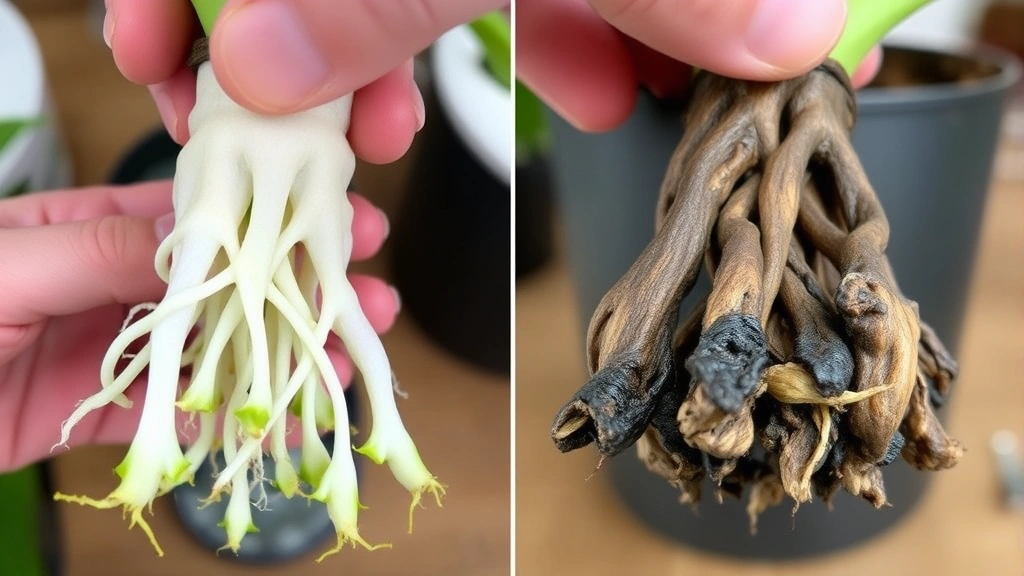
Environmental factors also play a role in determining repotting frequency. Orchids in humid environments with good air circulation may maintain their growing medium longer than those in dry conditions. If you’re unsure whether your orchid needs repotting, gently remove it from its pot and inspect the roots and medium. Healthy orchid roots are green or whitish and firm, while unhealthy roots appear mushy, brown, or black.
Essential Supplies and Materials
Before you begin the repotting process, gather all necessary materials to ensure a smooth, efficient operation. Having everything within reach prevents unnecessary delays and minimizes stress on your plant. Here’s what you’ll need:
- Specialized orchid potting medium: Bark chips (typically fir or pine), sphagnum moss, or a combination blend designed specifically for orchids
- New orchid pot: Usually 1-2 inches larger in diameter than the current pot, with adequate drainage holes
- Pruning shears or scissors: Sterilized with rubbing alcohol to prevent disease transmission
- Newspaper or workspace covering: To contain mess during repotting
- Gloves: Latex or gardening gloves to protect your hands
- Watering can: For moistening the new medium after planting
- Wooden stakes or supports: To stabilize the orchid if needed after repotting
- Fungicide or rooting hormone (optional): To treat any damaged roots and encourage recovery
Quality potting medium is non-negotiable for orchid success. Standard potting soil retains too much moisture and will cause root rot in orchids. Visit reputable garden centers or home improvement retailers that carry specialized orchid supplies. Many experienced growers prefer bark-based media because it mimics the orchid’s natural epiphytic habitat, where they grow on tree branches rather than in soil.
Preparing Your Orchid for Repotting
Proper preparation sets the stage for successful repotting. Start by watering your orchid thoroughly 2-3 days before repotting. This hydration helps loosen the root ball from the pot and makes removal easier without damaging delicate roots. The moisture also provides a buffer against transplant shock.
Next, prepare your workspace by laying down newspaper to catch bark chips and prevent mess. Choose a location with good natural light but away from direct sun, which can stress the plant during the delicate repotting process. If your potting medium is dry, pre-moisten it slightly with water. This makes it easier to work with and helps settle around the roots.
Examine your orchid carefully before repotting. Identify any dead, mushy, or diseased roots. These will need to be removed during the process. Healthy orchid roots are firm and either green (actively growing), white, or silvery. Take note of any dead leaf material or flower spikes that should be removed simultaneously.
If your orchid is severely pot-bound with roots circling the exterior, you may need to gently massage the root ball to loosen it. This encourages new root growth into the fresh medium rather than continued circling. Be gentle but firm—orchid roots are surprisingly resilient despite their delicate appearance.
Step-by-Step Repotting Process
Now that you’re prepared, follow these detailed steps to successfully repot your orchid. This methodical approach minimizes plant stress and maximizes your chances of successful establishment in the new pot.
Step 1: Remove the Orchid from Its Current Pot
Gently tip the orchid on its side and carefully slide it from the pot. If it resists, run a knife around the inside edge of the pot to loosen the root ball. Never yank the plant out, as this can break roots and the pseudobulb. If the roots have grown through drainage holes, you may need to carefully break the pot or use scissors to cut away the pot from the roots. Take your time with this step—patience prevents costly damage.
Step 2: Inspect and Clean the Root System
Once removed, examine the entire root system. Gently loosen the old potting medium from the roots using your fingers. You can rinse the roots under lukewarm water to remove debris, but avoid aggressive scrubbing. This is when you’ll identify and remove any dead or diseased roots. Using sterilized pruning shears, cut away mushy, black, or foul-smelling roots at their base. Make clean cuts at a 45-degree angle to promote healing. If you’re removing significant portions of the root system, consider using a fungicide to prevent infection.
Step 3: Prepare the New Container
Select a pot that’s slightly larger than the previous one—typically 1-2 inches larger in diameter. Orchid pots should have multiple drainage holes, and many growers prefer clear plastic pots that allow root monitoring and photosynthesis. If using a decorative pot, ensure it has drainage holes or place a perforated plastic pot inside. Add a 1-2 inch layer of fresh orchid potting medium to the bottom of the new pot.
Step 4: Position the Orchid
Center the orchid in the new pot at approximately the same depth it was growing previously. The crown (where leaves meet the rhizome) should be slightly above the rim of the pot. This prevents water from pooling around the base, which can cause rot. If the orchid seems unstable, use wooden stakes or moss poles for support.
Step 5: Add Growing Medium
Fill in around the roots with fresh orchid potting medium, gently pressing down as you add material. Work the medium between the roots to eliminate large air pockets while maintaining the airy structure that orchids require. Don’t compress the medium too firmly—orchids need oxygen at their roots. Fill until the medium reaches the same level as before, covering all roots while keeping the crown exposed.
Step 6: Water Lightly
Water the newly potted orchid thoroughly to settle the medium and eliminate air pockets. Water should drain freely from the drainage holes. This initial watering is important for establishing contact between roots and medium.
Choosing the Right Container and Medium
Your choice of container and growing medium significantly impacts your orchid’s long-term success. Understanding the options helps you make the best decision for your specific situation and orchid variety.
Container Materials and Styles
Clear plastic pots are ideal for most orchids because they allow you to monitor root health and moisture levels. The transparency also permits roots to photosynthesize, contributing to overall plant vigor. Terracotta pots are aesthetically pleasing but retain moisture longer and can be problematic in humid environments. Clay pots also tend to be heavier, making large specimens difficult to manage. Ceramic or decorative pots work well as outer containers if you use a draining plastic pot inside, creating an attractive presentation while maintaining proper drainage.
Pot size matters tremendously. A common mistake is using pots that are too large, which leads to excess moisture retention and root rot. Select a pot that accommodates the current root system with minimal excess space. As the orchid grows, you can graduate to larger sizes. For most mature Phalaenopsis orchids, a 5-6 inch pot is appropriate, while larger varieties like Cattleyas may need 6-8 inch pots.
Growing Media Comparison
The most common orchid potting media include:
- Bark-based medium: Fir or pine bark chips provide excellent drainage and aeration. This mimics the natural epiphytic environment and is ideal for Phalaenopsis, Dendrobiums, and most hybrid orchids. Bark breaks down over time, typically requiring repotting every 12-18 months.
- Sphagnum moss: Retains more moisture than bark and works well for orchids preferring higher humidity or for growers in dry climates. Sphagnum can become waterlogged if not carefully managed. It’s excellent for mounting orchids on bark slabs as well.
- Combination media: Many growers use blends combining bark, moss, perlite, and charcoal. These provide balanced drainage and moisture retention while maximizing aeration.
- Coconut husk chips: A sustainable alternative to bark, offering similar drainage properties and longevity.
For most household orchid growers, a bark-based medium or commercial orchid mix provides the best balance of drainage, aeration, and ease of use. Avoid standard potting soil, garden soil, or peat-based mixes designed for other houseplants.
Post-Repotting Care and Maintenance
The period immediately following repotting is critical for your orchid’s recovery and establishment. Proper aftercare prevents complications and encourages rapid root development in the new medium.
Watering Schedule
Resist the urge to water frequently after repotting. The initial watering settled the medium, and the orchid’s roots need time to adjust. Wait 7-10 days before the next watering, allowing the medium to dry slightly. This encourages root exploration and prevents rot. Resume your normal watering schedule after this adjustment period, typically watering once weekly or when the medium becomes nearly dry. The frequency depends on your specific environment, medium type, and orchid variety.
Light and Temperature
Provide bright, indirect light during the recovery period. Avoid direct sun for 2-3 weeks after repotting, as the plant is stressed and more susceptible to sunburn. Maintain temperatures between 65-75°F during the day and 55-65°F at night. Avoid cold drafts and sudden temperature fluctuations, which stress newly repotted plants.
Humidity and Air Circulation
Orchids appreciate humidity levels of 50-70%. If your home is dry, group orchids together, place them on humidity trays with pebbles and water, or use a humidifier. Ensure adequate air circulation with a small fan on low speed, which prevents fungal issues and strengthens the plant. Good air movement is particularly important in the first few weeks after repotting.
Fertilization
Don’t fertilize for 4-6 weeks after repotting. The fresh medium contains some nutrients, and fertilizing stressed roots can cause damage. After this period, resume your regular fertilization schedule using a balanced orchid fertilizer diluted to half strength. Many growers use the “weekly weakly” method: diluting fertilizer to quarter strength and applying it weekly with watering.
Monitoring Root Development
If using a clear pot, monitor root development over the coming weeks. Healthy new roots should emerge within 2-4 weeks, appearing as pale green or white tips. This indicates successful establishment. If you notice no new root growth after 6 weeks or see signs of rot, investigate the medium moisture level and adjust your watering accordingly.
Common Mistakes to Avoid
Even with good intentions, certain mistakes can derail your orchid repotting efforts. Awareness helps you sidestep these pitfalls and ensure success.
Using Inappropriate Potting Medium
The most common error is using standard houseplant potting soil. This retains excessive moisture and leads to root rot within weeks. Always invest in proper orchid-specific medium. If your local garden center doesn’t stock orchid medium, check reputable online gardening resources for quality suppliers.
Oversized Containers
Planting an orchid in too large a pot is tempting but problematic. Excess medium retains moisture around roots that don’t use it, creating anaerobic conditions and rot. Select pots that snugly accommodate the root system with minimal extra space. You’ll repot more frequently with proper sizing, but your orchid will thrive.
Repotting at the Wrong Time
Repotting a blooming orchid or one in dormancy causes stress and flower loss. Time repotting for early spring when new growth begins. If you miss this window, wait for the next season rather than forcing an untimely repot.
Overwatering After Repotting
The urge to nurture with frequent watering is strong but counterproductive. Newly repotted orchids need time to adjust. Overwatering leads to root rot and negates the benefits of fresh medium. Patience with watering is essential.
Excessive Root Pruning
While removing dead roots is necessary, cutting healthy roots “to encourage new growth” is unnecessary and stressful. Only remove roots that are clearly dead or diseased. The plant needs every healthy root to support itself.
Ignoring Drainage Issues
Even with perfect medium, poor drainage leads to problems. Ensure your pot has adequate drainage holes and isn’t sitting in standing water. Empty saucers after watering, and never allow the pot to sit in water for extended periods. If you’re using decorative pots, proper drainage setup is as important as any other home project requiring precision.
Forgetting to Sterilize Tools
Using dirty pruning shears can transmit diseases between plants. Sterilize tools with rubbing alcohol or a 10% bleach solution before cutting roots. This simple step prevents serious infections and saves orchids from disease.
Repotting Too Frequently
While some repotting is necessary, doing it too often stresses the plant and disrupts root establishment. Stick to the recommended 12-24 month schedule unless there’s a specific problem like root rot or severely decomposed medium.
Frequently Asked Questions
How often should I repot my orchid?
Most orchids need repotting every 12-24 months, typically in early spring after flowering ends. The exact frequency depends on your specific orchid variety, growing conditions, and how quickly the medium breaks down. Phalaenopsis orchids are generally repotted annually, while some varieties can go two years. Check the medium annually—if it’s still chunky and drains well, wait another year.
Can I repot my orchid while it’s blooming?
It’s best to avoid repotting blooming orchids. Repotting causes stress that often results in flower drop. However, if absolutely necessary due to root rot or emergency situations, you can repot a blooming orchid, understanding that flowers may be lost. For routine repotting, always wait until flowers drop naturally and new growth appears.
What’s the difference between orchid bark and regular potting soil?
Orchid bark is chunky, airy, and drains rapidly, mimicking the orchid’s natural epiphytic habitat where they grow on tree branches. Regular potting soil is dense and retains moisture, designed for terrestrial plants. Using regular soil on orchids leads to waterlogging, poor aeration, and root rot. Orchids need the fast drainage that bark provides.
How do I know if my orchid roots are healthy?
Healthy orchid roots are firm and either green (actively growing), white, or silvery-gray. They feel solid when gently squeezed. Unhealthy roots are mushy, dark brown or black, and may emit a foul smell. Healthy roots have root tips that are whitish or pale green. If you see these characteristics, your orchid’s root system is thriving.
Should I use fertilizer when repotting?
No, avoid fertilizing for 4-6 weeks after repotting. Fresh orchid medium contains some nutrients, and fertilizing stressed roots can damage them. After the initial recovery period, resume your regular fertilization schedule at half strength. This allows the orchid to focus energy on root establishment rather than processing nutrients.
Can I use the same pot after cleaning it thoroughly?
Yes, if the pot is in good condition and appropriately sized. Thoroughly clean it with hot water and mild soap to remove old medium and any accumulated salts. Sterilize with a dilute bleach solution (1 part bleach to 9 parts water) if the previous orchid had any disease issues. Ensure drainage holes are clear before reusing.
What humidity level do repotted orchids need?
Orchids prefer 50-70% humidity. After repotting, maintaining adequate humidity supports recovery and reduces stress. If your home is dry, increase humidity by grouping orchids together, using humidity trays with pebbles and water, or running a humidifier. Even 40% humidity is acceptable if you adjust watering accordingly, though higher humidity is ideal.
How long until my repotted orchid blooms again?
This depends on your orchid variety and growing conditions. Phalaenopsis orchids typically bloom 6-9 months after repotting if provided with proper care and appropriate light levels. Other varieties may take longer, sometimes 12-18 months. Ensure your orchid receives 12-14 hours of bright, indirect light daily and appropriate temperature fluctuations between day and night to encourage blooming.
What should I do if my orchid’s roots are growing outside the pot?
Aerial roots growing outside the pot are normal for many orchids and indicate healthy growth. However, if the root system is severely pot-bound with roots circling densely or growing through drainage holes in large quantities, it’s time to repot. This indicates the plant has outgrown its container and needs more space and fresh medium for continued growth.
Can I repot a newly purchased orchid immediately?
It’s best to wait 2-3 weeks before repotting a newly purchased orchid, allowing it to acclimate to your home environment. After this adjustment period, if the medium appears degraded or the plant seems unstable, you can repot. If the medium is fresh and the plant is healthy and stable, you may wait until the following spring for routine repotting. Minimize stress by allowing the orchid to settle first.

Related Posts

Superscript in Google Docs: Expert Tips

Strikethrough in Excel: Easy Steps for Beginners
