
How to Remove Static from Clothes: Easy Tips
How to Remove Static from Clothes: Easy Tips That Actually Work
There’s nothing quite like the frustration of pulling on your favorite sweater only to have it cling to you like an overeager puppy, or reaching into the dryer and getting zapped by an invisible electric shock. Static electricity in clothing is one of those annoying household problems that feels inevitable, but here’s the good news: it’s entirely manageable with the right approach. Whether you’re dealing with flyaway hair, clinging fabrics, or those painful shocks when touching metal, we’ve got you covered with practical, easy-to-implement solutions.
The science behind static is actually pretty straightforward. When certain fabrics rub together—especially during washing and drying—they create an electrical charge that builds up on the surface of your clothes. Dry air, synthetic materials, and high heat all contribute to this phenomenon. But before you resign yourself to a lifetime of lint rollers and awkward static moments, know that there are multiple ways to neutralize that charge and keep your wardrobe looking crisp and feeling comfortable.
What makes this guide different is that we’re not just throwing random tips at you. We’ve compiled tested methods that work in different scenarios—whether you’re dealing with static during laundry day, getting dressed in the morning, or sitting in your car. Some solutions take seconds, others require minimal investment, and all of them are genuinely effective.
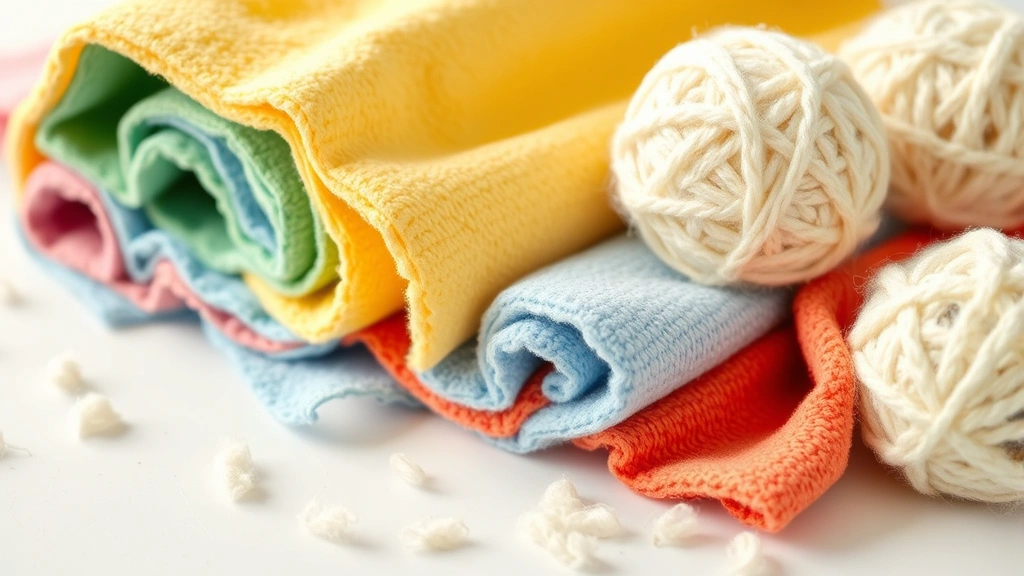
Dryer Sheets and Wool Balls: The Classic Solution
Let’s start with the most popular method: dryer sheets. These little fabric rectangles have become the go-to solution for a reason—they work. Dryer sheets are coated with a waxy substance that reduces friction between clothes during the drying cycle, effectively neutralizing static charges before they even have a chance to build up. The key is using them correctly.
Toss one or two dryer sheets into your dryer with your wet clothes, then run your normal cycle. The heat activates the coating, which distributes evenly across your fabrics. For most loads, a single sheet is sufficient, but larger loads might benefit from two. If you’re looking for an eco-friendly alternative, wool dryer balls have emerged as a solid option. These natural spheres work by creating space between clothes, allowing hot air to circulate more efficiently while reducing friction. Unlike disposable dryer sheets, wool balls are reusable for hundreds of loads, making them more sustainable and cost-effective long-term.
To maximize effectiveness with wool balls, use three to five per load and add a few drops of essential oil if you want scent. They’re particularly effective for people with sensitive skin or those who prefer avoiding synthetic chemicals.
Fabric Softener Solutions
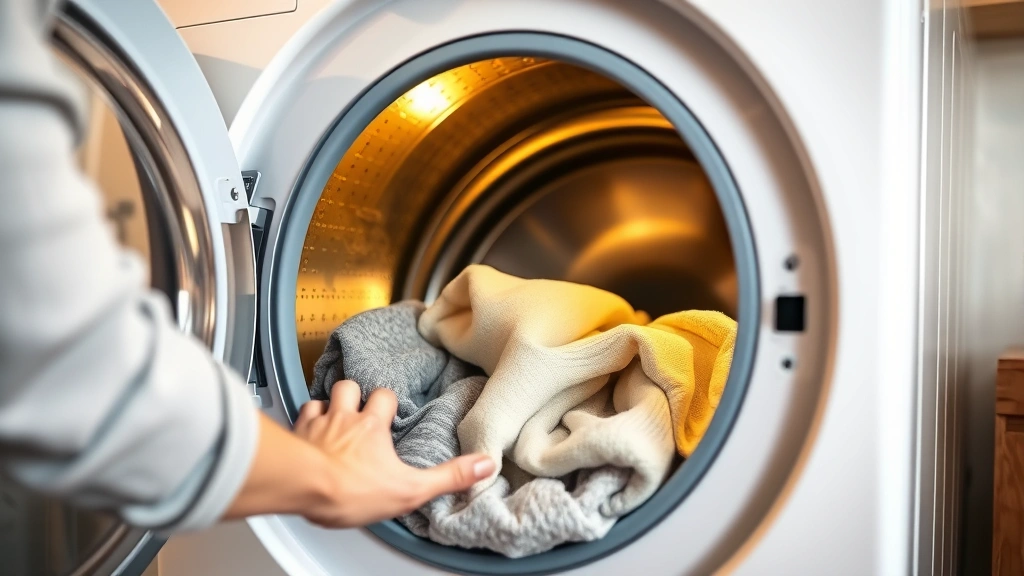
Liquid fabric softener is another powerful ally in your fight against static. When you get rid of static on clothes, fabric softener works by coating fibers with a protective layer that reduces electrical charge buildup. You have several application options depending on your preference and washing machine setup.
For traditional washing machines, add fabric softener during the rinse cycle according to the product’s instructions. For high-efficiency (HE) machines, use the designated dispenser to ensure the softener releases at the right time. Alternatively, dilute the softener with water and spray it lightly on your clothes before putting them in the dryer—this method uses less product and still delivers results.
Dryer-added liquid softener is another option, though it’s less common. A few drops on a washcloth tossed in the dryer can freshen clothes while reducing static. Keep in mind that fabric softeners do build up over time with repeated use, which can reduce absorbency in towels and athletic wear, so rotate between softener and non-softener washes if these items are staples in your laundry routine.
Adding Moisture to Combat Static
Here’s something many people overlook: static thrives in dry environments. By introducing moisture back into your laundry process, you’re directly addressing the root cause. This approach is particularly effective in winter months or in arid climates where humidity levels are naturally low.
The simplest method is using a damp cloth in the dryer. Wring out a washcloth so it’s moist but not dripping wet, and toss it in with your clothes. The moisture will gradually release during the drying cycle, creating a more humid environment that prevents static buildup. This works surprisingly well and requires nothing more than water.
Another moisture-based strategy involves adjusting your dryer settings. Instead of running the highest heat setting, try medium heat with an extended drying time. Lower temperatures reduce the aggressive friction that creates static while the longer cycle still gets clothes dry. Many modern dryers have a “moisture sensor” setting that automatically stops the cycle when clothes reach optimal dryness—this is your friend.
For delicate items or when dealing with static-prone synthetic fabrics, consider air drying part or all of your load. Hanging clothes to dry eliminates the friction-generating tumbling action entirely. If you must use the dryer, even just 10-15 minutes on low heat followed by air drying can significantly reduce static without the associated wear and tear.
Smart Fabric and Material Choices
Prevention is always easier than treatment, and choosing the right fabrics makes a tremendous difference. Natural fibers like cotton, linen, wool, and silk conduct electricity more effectively than synthetics, meaning they’re less prone to static accumulation. When shopping for clothes, checking fabric content labels can help you make more static-resistant choices.
Synthetic materials like polyester, nylon, and acrylic are notorious static offenders because they don’t conduct electricity well. This doesn’t mean you need to eliminate synthetics entirely—they offer durability and performance benefits—but being aware helps you plan your laundry strategy. For example, if you’re shrinking jeans or dealing with high-wear items, you might prioritize natural fiber options.
When doing laundry, try separating synthetic-heavy loads from natural fiber loads. Wash synthetics with fabric softener or wool dryer balls, while natural fibers might need less intervention. Blended fabrics fall somewhere in the middle, so observe how they behave with your chosen static-reduction method.
Quick Fixes for On-the-Go Static Relief
Sometimes static strikes when you least expect it, and you don’t have time for a full laundry solution. These quick fixes provide immediate relief in urgent situations.
- The metal touch method: Touch a metal object—a doorknob, the frame of a window, even your car—before putting on your clothes. This grounds the electrical charge and prevents it from transferring to your garments.
- Lotion or moisturizer: Apply a light lotion to your legs or arms before getting dressed. The moisture creates a barrier that prevents static electricity from clinging to your skin and clothes.
- Static spray: Commercial anti-static sprays are available and work immediately. A few light spritzes on problem areas provide instant relief.
- Damp hands: Dampen your hands and run them over the affected areas of your clothing. This works in a pinch and requires nothing but water.
- Humidity boost: If you’re getting dressed indoors and dealing with static, open a window or step into a bathroom where moisture from a shower lingers. Even a few seconds in a more humid environment can reduce static significantly.
For those who frequently wash shoes in washing machine and experience static issues, keeping a dryer sheet in your shoe cabinet can prevent static buildup on the footwear itself.
Prevention Strategies That Stick
The best approach to managing static is preventing it from forming in the first place. Implementing these strategies into your routine requires minimal effort but delivers consistent results.
Optimize your dryer environment: Clean your dryer’s lint trap before every load. A clogged trap restricts airflow, increases heat buildup, and intensifies static formation. Additionally, ensure your dryer is properly vented to the outside—poor ventilation creates excess moisture that paradoxically can worsen static by creating inconsistent humidity levels.
Separate your laundry strategically: Wash items separately based on fabric type. Keeping all your synthetics together and natural fibers together allows you to tailor your anti-static approach to each load’s specific needs.
Timing matters: Remove clothes from the dryer immediately after the cycle completes. Leaving clothes sitting in the dryer creates an ideal environment for static to rebuild. If you can’t remove them right away, run a cool-down cycle without heat for five minutes before opening the door.
When dealing with problems like getting Sharpie out of clothes or addressing stains, remember that your pre-treatment methods can also affect static. Some stain removers contain ingredients that increase static, so consider using them earlier in the process before drying.
Temperature control: Hot water and high heat in the dryer both contribute to static. Try washing in warm or cold water and drying on medium heat. Your clothes will last longer anyway, and you’ll see a noticeable reduction in static issues.
Humidity management: In winter or in dry climates, using a humidifier in your laundry room or bedroom can help. Even maintaining indoor humidity between 40-60% significantly reduces static formation. This is a long-term investment that benefits your skin, respiratory health, and clothing simultaneously.
For specialty items like cleaning Uggs, always use low heat or air drying exclusively. These delicate materials are particularly susceptible to static damage and benefit immensely from gentler drying methods.
Frequently Asked Questions
Is fabric softener safe for all clothing types?
Fabric softener generally works well on most items, but it can reduce absorbency in towels, athletic wear, and microfiber fabrics. For these items, use softener sparingly or alternate with non-softened washes. Always check care labels on delicate fabrics before applying softener.
Can I use dryer sheets more than once?
Most dryer sheets are designed for single use, though some people reuse them if they’re still intact. However, the waxy coating diminishes with each use, reducing effectiveness. For cost-effectiveness and reliability, consider switching to reusable wool dryer balls instead.
Why does static happen more in winter?
Winter air is naturally drier, and indoor heating systems further reduce humidity levels. These conditions create the perfect environment for static buildup. Using a humidifier and adjusting your drying methods during winter months can help combat this seasonal problem.
Are anti-static sprays effective?
Yes, anti-static sprays work immediately and are great for quick fixes. However, they’re typically more expensive per use than other methods when used regularly. They’re best reserved for emergencies or special occasions rather than routine laundry management.
Can static damage my clothes?
Static itself doesn’t damage fabric, but the friction that creates static can contribute to pilling, especially on synthetic materials. Reducing static actually helps preserve your clothes’ appearance and longevity.
What’s the difference between static and pilling?
Static is an electrical charge on fabric surface, while pilling refers to tiny balls of fiber that form on fabric due to friction. They’re related—the same friction that causes pilling creates static—but they’re not identical issues. Reducing friction helps with both.
For more information on laundry best practices, check out This Old House’s laundry guides and Family Handyman’s static reduction tips. The Home Depot laundry section offers a comprehensive selection of dryer sheets, wool balls, and fabric softeners. For manufacturer-specific guidance, consult your dryer’s manual or visit the manufacturer’s website for model-specific recommendations. Additionally, Consumer Reports provides detailed testing on static reduction products.
Static cling doesn’t have to be a permanent fixture in your life. By combining the right products with smart laundry practices, you can eliminate that annoying crackle and keep your clothes looking fresh and feeling comfortable. Whether you prefer natural solutions like wool dryer balls or trusted standbys like fabric softener, there’s an approach that fits your lifestyle. Start with one or two methods that appeal to you, observe the results, and adjust as needed. Your future self—the one without flyaway clothes and random electrical shocks—will thank you.

Related Posts

How Long to Boil Lobster Tails: Cooking Guide

How Long to Fly from New York to London? Travel Times
